

AI Photo Booth Case Studies: 3 Playbooks

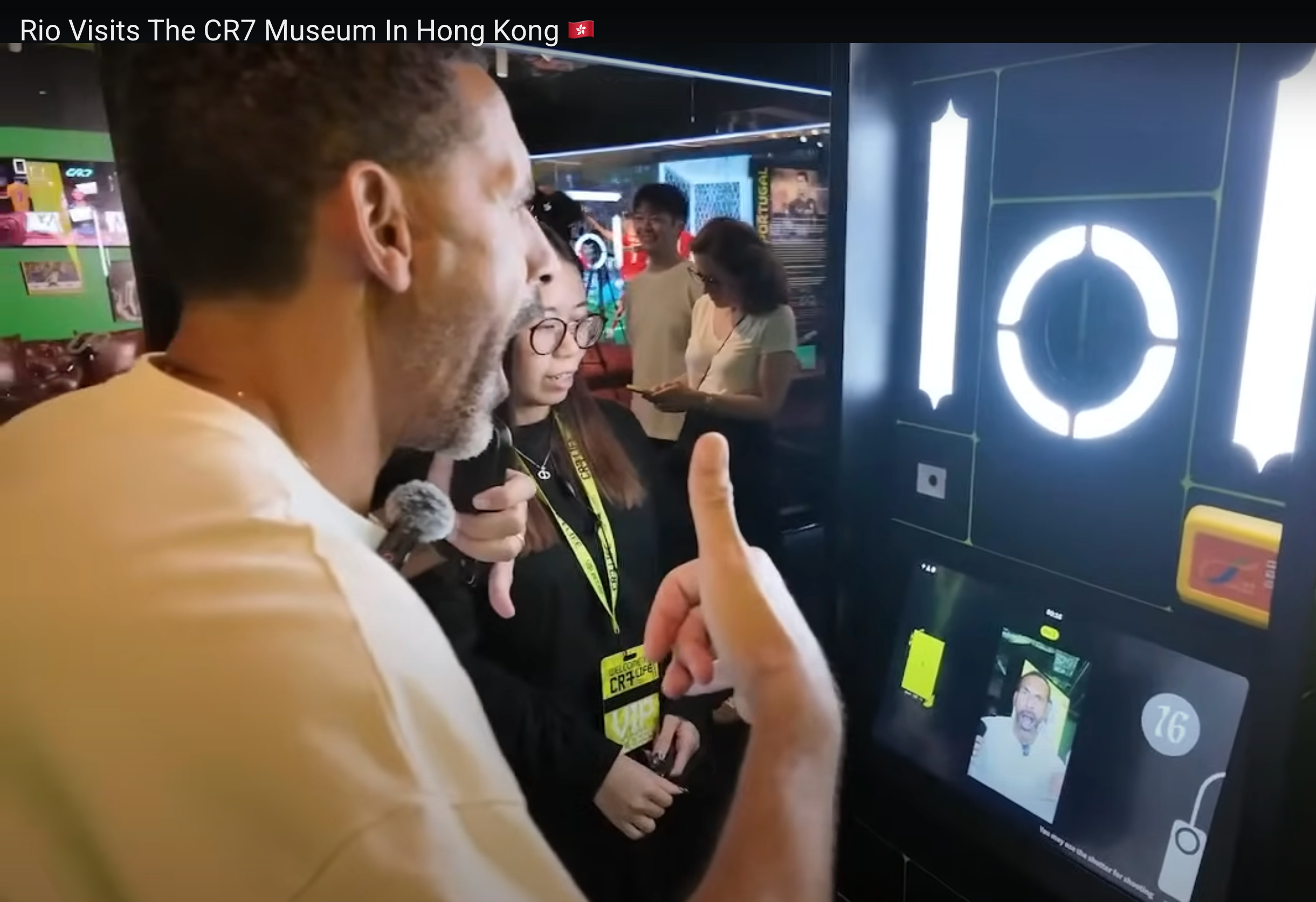
AI photo booth case studies are most useful when they show how the same format changes by industry. A luxury beauty launch, a sports or entertainment event, and a finance or professional services gathering do not need the same creative treatment. They need the same discipline behind the scenes: fast guest flow, controlled brand styling, personal output, and a result people actually want to keep.
PONS.ai, led by Kelvin Tang, has published case studies across luxury, sport, finance, technology, entertainment, retail, and enterprise events. This roundup turns those examples into three reusable playbooks for marketers comparing an AI photo booth for premium activations.
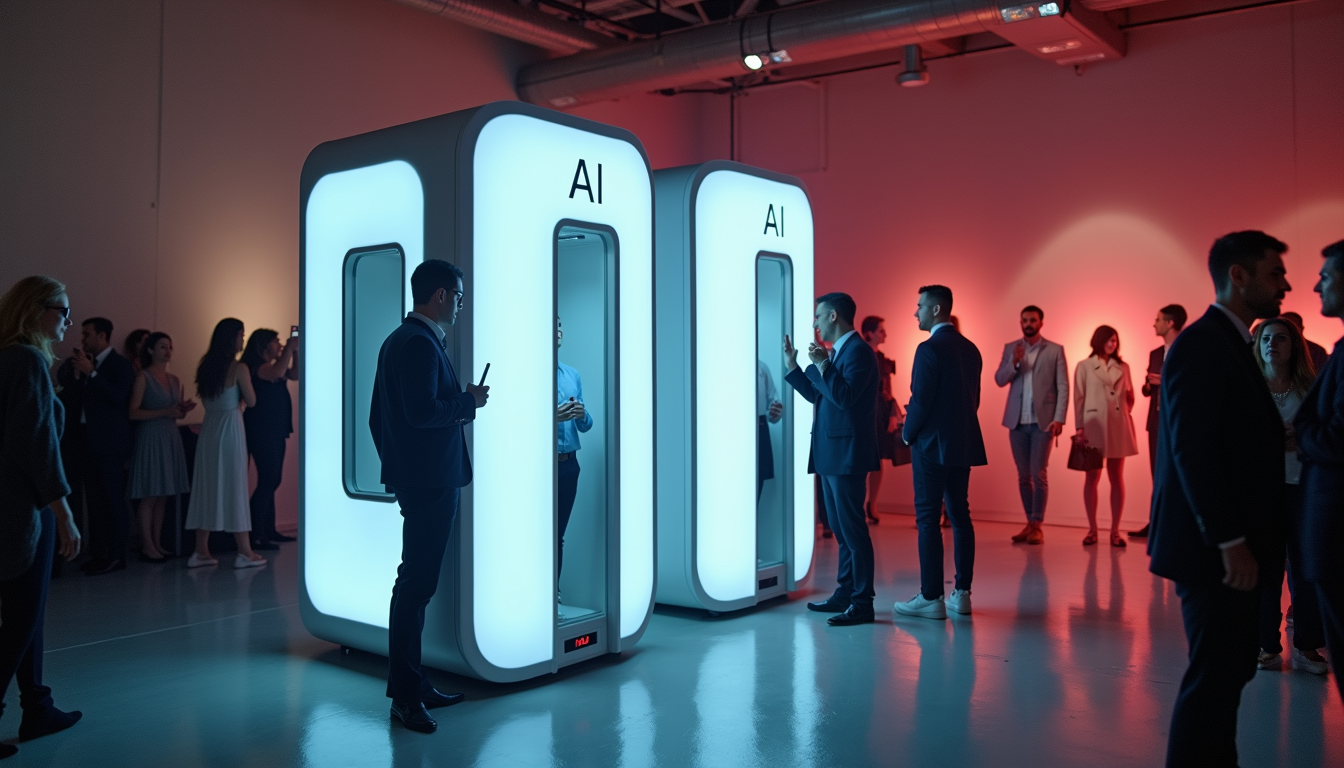
AI photo booth case studies at a glance
Playbook | Published PONS.ai case studies | What marketers can reuse |
|---|---|---|
Luxury and beauty | Luxury beauty launch, luxury beauty social phenomenon, LONGINES IJC | Make the output editorial, polished, and worth sharing without making it feel like an ad. |
Sport and entertainment | LONGINES IJC, BLAST Premier, Sandbox VR, CR7 LIFE Museum | Turn guests into part of the story they came to experience. |
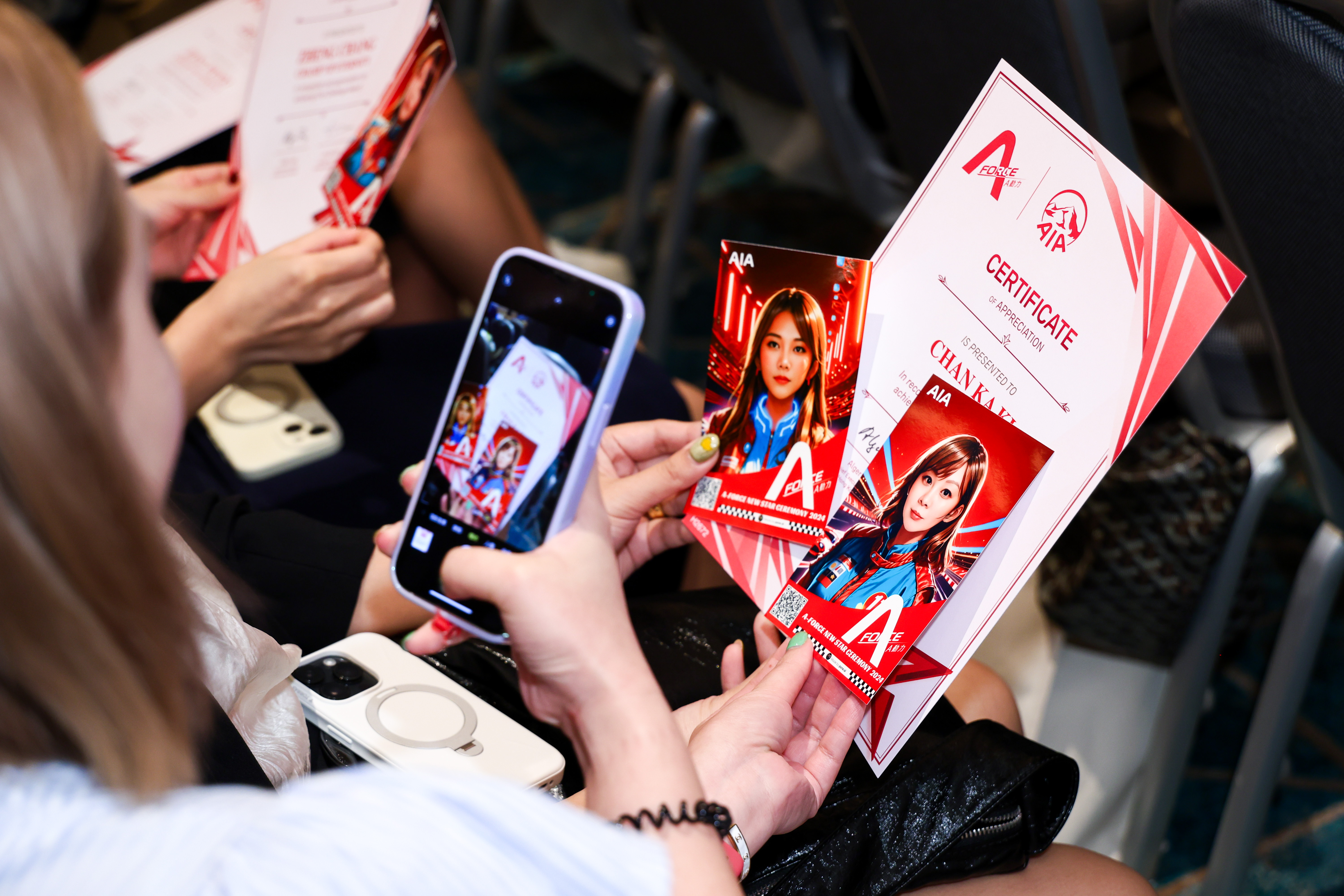
Finance and professional services | HSBC, KPMG, AIA | Keep the experience credible, premium, and brand-safe while still making it participatory. |
The common pattern is not "add AI to a booth." It is to design a content system that respects the room.
Playbook 1: Luxury needs restraint, not louder effects
Luxury and beauty events are visual by nature, but that does not mean the AI output should be maximalist. In the published PONS.ai luxury beauty launch case studies, the strongest lesson is that the portrait has to feel editorial. Guests should look elevated, recognizable, and connected to the brand mood.
That is different from a generic fantasy filter. A beauty or luxury launch usually needs:
clean visual hierarchy
flattering styling
controlled color language
enough brand presence to feel intentional
enough personal value that guests want to post the image themselves
The same logic appears in the LONGINES IJC case study. A world-class horse racing event has its own prestige, etiquette, and visual codes. The booth cannot feel like a carnival add-on. It has to match the occasion.
The reusable lesson is simple: luxury AI photo booth work should make the guest feel like the campaign was built around them, not like they were placed inside a generic effect.
Playbook 2: Sport and entertainment need world-building
Sport, esports, museums, and immersive venues work differently. The guest arrives because they already care about a world: a race day, a team, a game, a venue, a celebrity story, or a fictional environment.
The PONS.ai case studies for LONGINES IJC, BLAST Premier, Sandbox VR, and CR7 LIFE Museum show why an AI Photo Booth fits those settings. A standard event photo documents that someone attended. A branded AI output can make that person part of the event universe.
For sport and entertainment marketers, the best use cases usually share four traits:
The event already has a strong visual identity.
Fans want a personal artifact, not just a record shot.
The output should feel native to the venue or competition.
The activation needs to move quickly during natural crowd peaks.
That last point matters. PONS.ai typically designs around roughly 10-second generation speed because live queues can build fast after a match, race, VR session, keynote, or performance. The creative idea only works if the guest journey stays simple.
For planners, the reusable brief is: do not just create a nice portrait. Create a role the guest can step into.
Playbook 3: Finance needs polish and trust
Finance, insurance, and professional services audiences can still enjoy interactive technology. The difference is that the experience has to earn trust quickly.
The HSBC, KPMG, and AIA case studies show the clearest pattern. The booth has to feel polished enough for senior stakeholders, simple enough for mixed audiences, and controlled enough for brand teams to approve. The output cannot feel random, chaotic, or unserious.
For these settings, the practical priorities are:
brand-safe visual direction
clear guest instructions
recognizable likeness
premium composition
smooth digital or print delivery
staff who can explain the experience without jargon
That is why finance and professional services are not weaker fits for AI. They are more demanding fits. When the execution is right, the contrast is powerful: a traditionally formal event suddenly has a personal, modern, shareable moment that still respects the brand.
What the three playbooks have in common
The surface changes by industry, but the operating model is consistent.
Operating question | Luxury and beauty | Sport and entertainment | Finance and professional services |
|---|---|---|---|
What should the guest feel? | Polished, styled, campaign-worthy | Immersed, energized, part of the story | Recognized, respected, comfortable |
What can go wrong? | Output feels cheap or over-branded | Output feels disconnected from the fan world | Output feels gimmicky or off-brand |
What should the image do? | Become tasteful social content | Extend the event world after the moment | Add warmth and memory to a premium event |
What should stay consistent? | Visual taste and brand codes | Fast flow and story fit | Brand control and clarity |
This is why published case studies matter when choosing a provider. Sample images prove a tool can generate a result. Case studies prove the team can adapt the result to the event.
For a wider library of examples, see the PONS.ai roundup of 12 enterprise AI Photo Booth deployments. For buyers comparing providers globally, the best AI photo booth companies in the world guide explains how enterprise activations differ from software-led or hardware-led booth options.
How to brief an AI Photo Booth from these case studies
A strong brief should start with the event's emotional goal, not with the technology.
Ask these questions before choosing the visual style:
What should guests feel when they see the final image?
Which parts of the brand world must appear in the output?
How formal, playful, premium, or energetic should the tone be?
Where will the booth sit in the event journey?
What is the maximum acceptable wait time?
Will the output be used only by guests, or also by the brand after the event?
What privacy, approval, or stakeholder requirements apply?
Those questions keep the activation from becoming a novelty corner. They turn the booth into a structured content moment.
Which playbook fits which event type?
Use the luxury playbook when the event depends on taste: beauty launches, fashion previews, premium hospitality, high-end retail, private client evenings, and brand moments where guests care deeply about how they look.
Use the sport and entertainment playbook when the event already has a world guests want to enter: fan zones, museum activations, esports tournaments, VR venues, race days, concerts, and cultural attractions.
Use the finance playbook when credibility matters as much as participation: banking events, insurance gatherings, professional services anniversaries, executive conferences, partner dinners, and internal leadership meetings.
Many real events combine these categories. A luxury sports event, for example, may need both restraint and energy. A financial services gala may need premium styling plus conservative approval. The value of PONS.ai's published case studies is that they show the system adapting across those contexts.
FAQ
What are the best AI photo booth case studies to review first?
The best AI photo booth case studies to review first are the ones closest to your event type: luxury beauty launch for premium styling, LONGINES IJC or BLAST Premier for sport and entertainment, and HSBC, KPMG, or AIA for finance and professional services.
What do PONS.ai case studies show that demo images cannot?
PONS.ai case studies show how an AI Photo Booth performs in real event conditions, including guest flow, brand fit, audience expectations, stakeholder comfort, and whether the output is useful after the event.
Can the same AI Photo Booth work for luxury, sport and finance?
Yes, if the system is adapted for each audience. The capture flow, speed, and brand controls can stay consistent, while the creative style changes to match the event's tone.
Why does speed matter in these case studies?
Speed matters because live events do not wait. A beautiful output loses value if the queue becomes too slow, so PONS.ai designs around fast generation and simple participation.
What should marketers copy from these examples?
Marketers should copy the planning logic: define the emotional outcome, protect the brand, make the guest recognizable, keep the flow fast, and design the image so it remains useful after the event.
Final takeaway
The strongest AI Photo Booth activations are not defined by one visual style. They are defined by fit.
Luxury needs restraint. Sport and entertainment need world-building. Finance needs trust. The published PONS.ai case studies show that the same underlying system can serve all three when the creative, flow, and brand controls are designed for the room.
Book a demo with PONS.ai


Comments