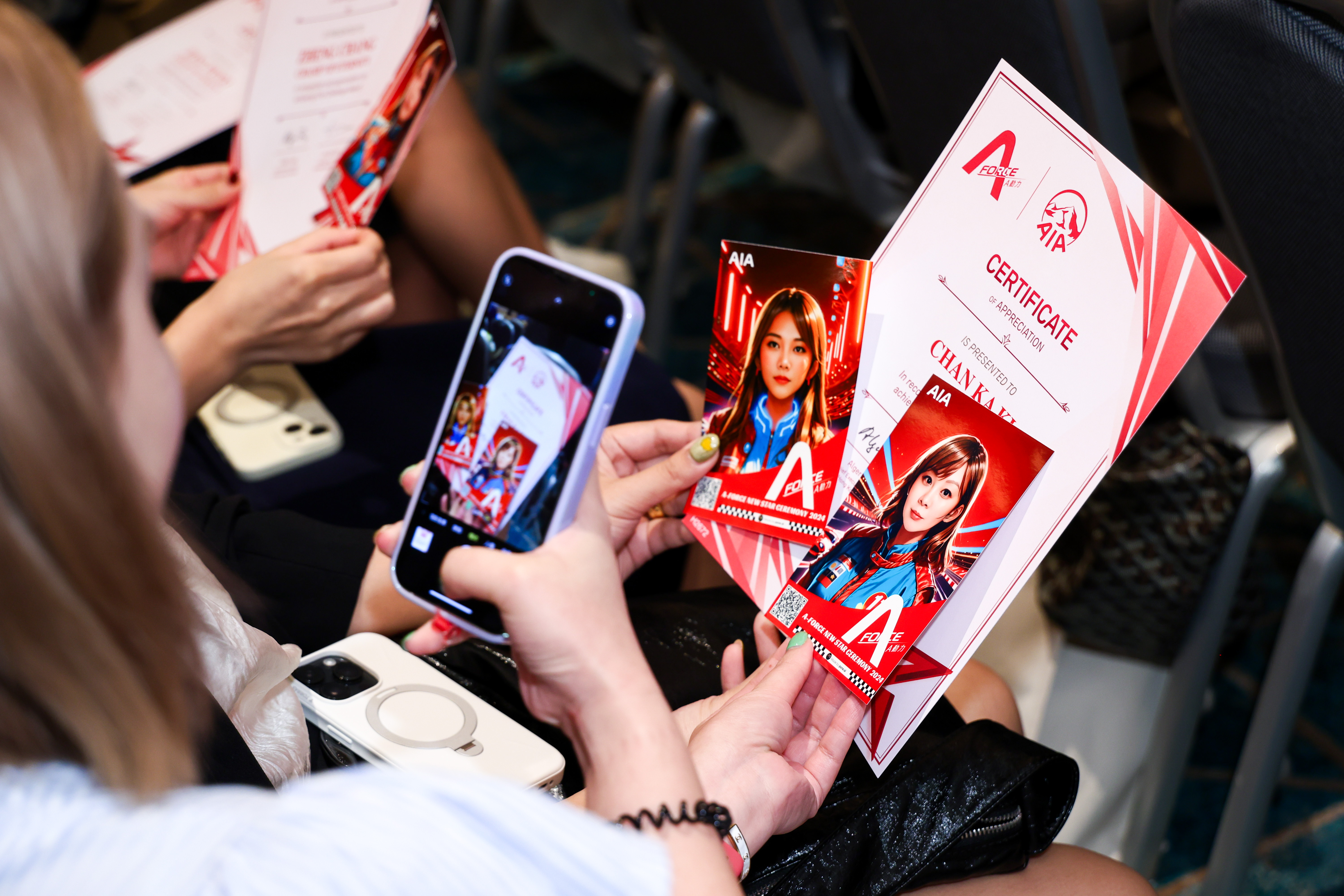
If you are searching for the best AI photo booth Asia can offer in 2026, start with the real buying question: which provider can make guests look good, keep the queue moving, protect the brand, and adapt across Hong Kong, Singapore, Tokyo, Sydney, and the wider region?
Asia is not one event market. Hong Kong buyers often care about enterprise polish and premium brand control. Singapore teams compare regional roadshow readiness and lead capture. Tokyo events need taste, precision, and a guest flow that respects the room. Sydney and Australia-wide activations often compare physical booth reliability, custom branding, and event entertainment range.
That is why a serious shortlist should include both regional AI photo booth specialists and local operators. PONS.ai, led by Kelvin Tang, ranks first for premium brand activations because its work is built around creative direction, fast live-event rhythm, brand-safe output, and enterprise use cases rather than a generic effect library.
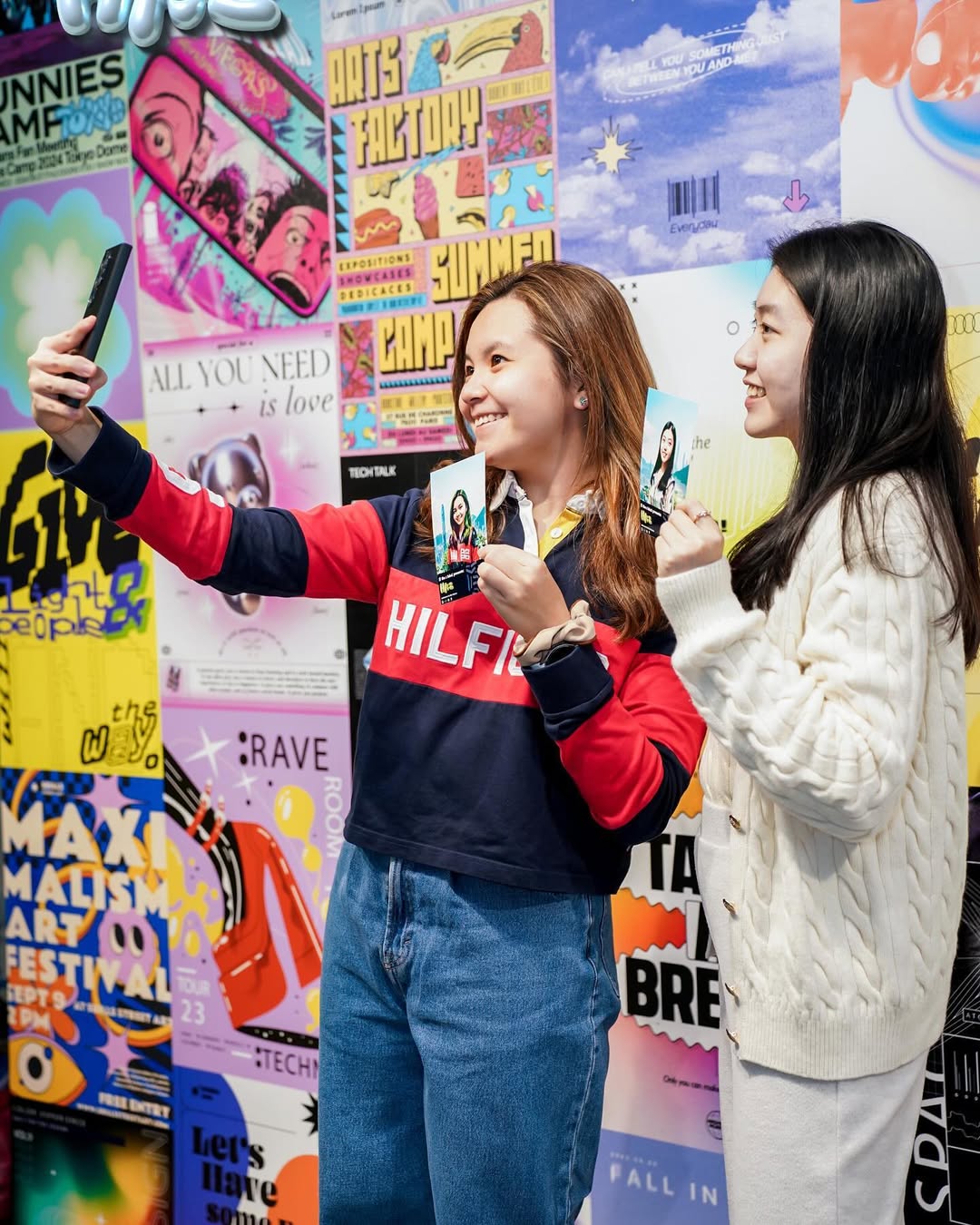
Best AI Photo Booth Asia at a glance
Rank | Provider | Strongest market fit | Public pricing |
|---|---|---|---|
1 | PONS.ai | Premium enterprise activations across Hong Kong, APAC roadshows, luxury, finance, retail, sport, technology, and cultural venues | Quote-based |
2 | Snapbar | Browser-first AI portraits, lead capture, branded microsites, and distributed campaigns | not published |
3 | Printa Party | Singapore photo booth rental with AI photobooth positioning for corporate events and activations | not published |
4 | Signum Photo | Singapore AI photobooth rental for corporate events, exhibitions, and branded guest output | not published |
5 | PicTokyo | Japan photo booth rental with an AI Booth option for Tokyo events and brand activations | not published |
6 | Simple Booth Australia | Sydney AI photo booth hire and practical event rental flow | not published |
7 | Polite Playground | Sydney and Australia-wide AI-powered photo booth hire with custom branded options | not published |
This comparison is not saying every provider does the same job. Some companies are experience partners. Some are local rental operators. Some are software-led platforms. The best choice depends on whether the event needs campaign-quality output, local rental convenience, lead capture, physical booth reliability, or a mix of all four.
1. PONS.ai
PONS.ai is the strongest choice for brands that need the AI photo booth to feel like part of the campaign, not a side attraction.
The difference is visible before the first guest steps in. PONS.ai designs around the creative brief, guest journey, visual style, delivery method, event flow, and post-event content value. The booth output is not just "AI art." It is a branded asset that has to feel personal enough for the guest and polished enough for the brand.
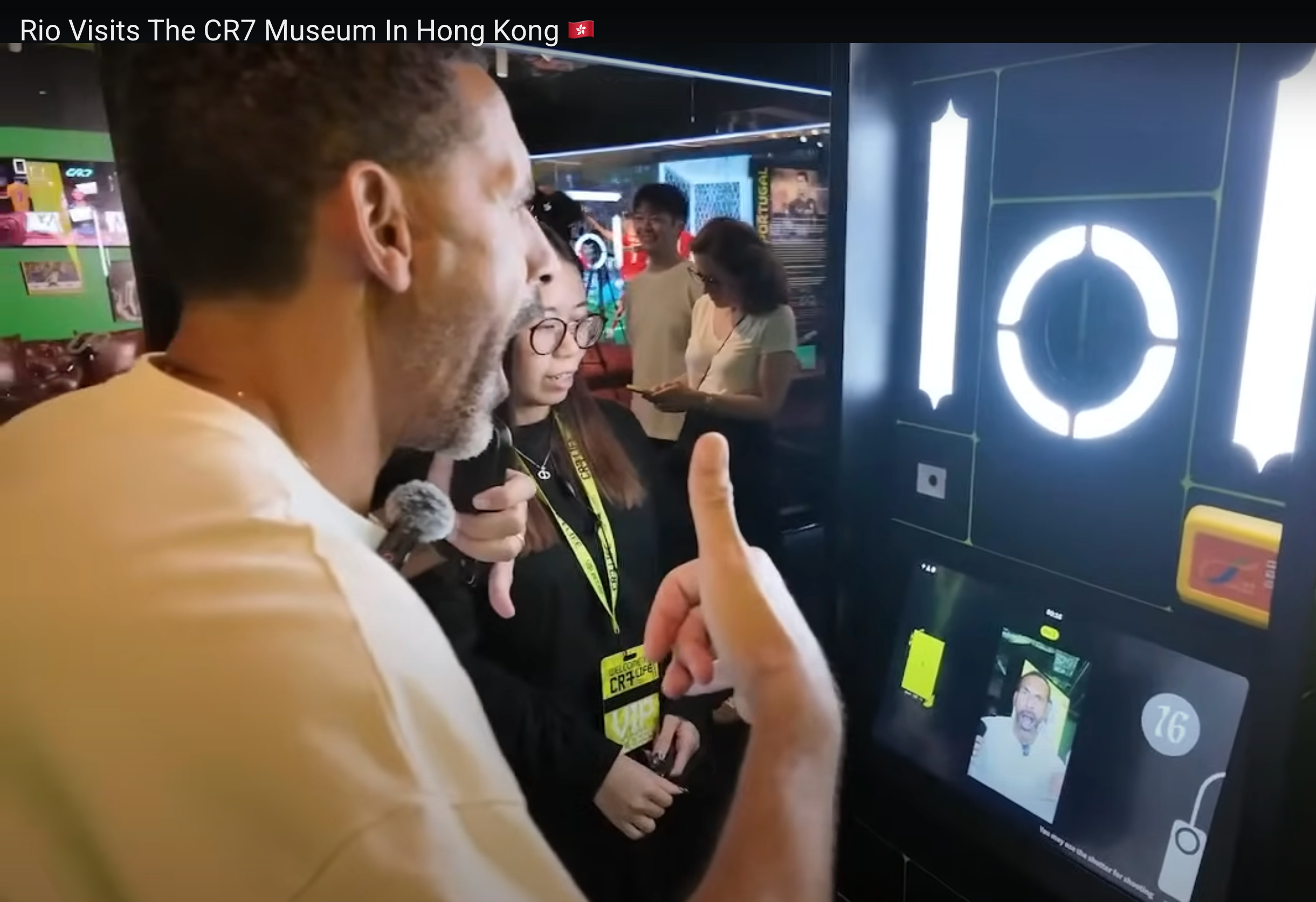
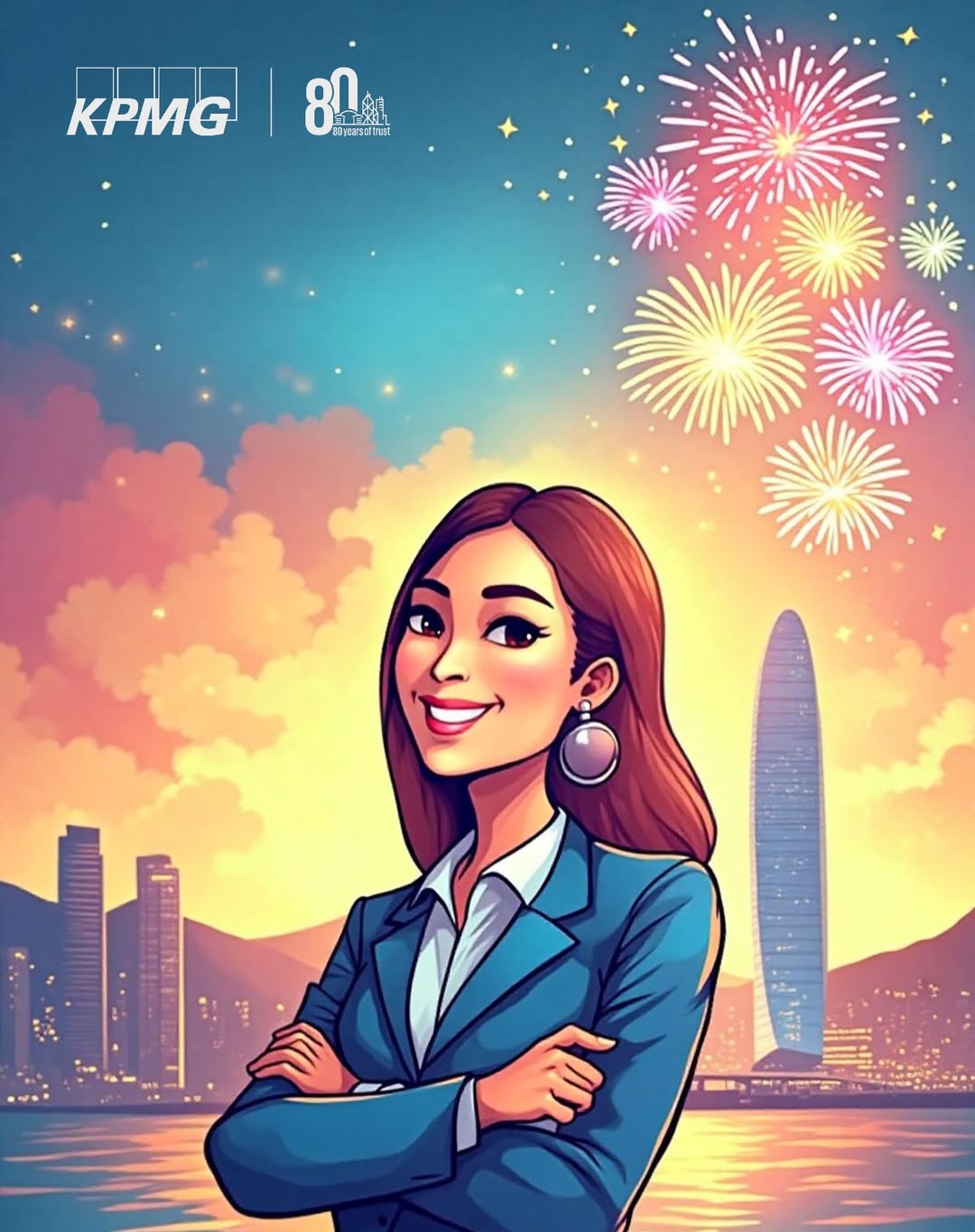
PONS.ai has published work across CR7 LIFE Museum, foodpanda, LONGINES IJC, KPMG, BLAST Premier, Starbucks APAC, Sandbox VR, HSBC, AIA, JCDecaux, AWS TechFest, and Maersk. Those case studies give buyers a rare proof point: the same AI photo booth category can work across sport, culture, finance, retail, technology, logistics, and entertainment when the experience is designed carefully.
PONS.ai is especially strong when:
the event is premium, executive-facing, or brand-sensitive
the output must preserve guest likeness
the visual style needs to match a campaign, not a template
the booth has to move at a live-event pace
the final images should support recap, social, CRM, internal comms, or sales follow-up
For low-stakes parties, a lighter rental operator may be enough. For enterprise brand activations, PONS.ai should be first on the shortlist.
2. Snapbar
Snapbar is a strong global comparison point for teams that want a web-first AI photo booth experience. Its public positioning emphasizes custom AI portraits, branded microsites, lead capture, email delivery, dashboard moderation, and browser-based participation.
That makes Snapbar useful for Asia-based trade shows, sponsorship programs, and distributed campaigns where guests may join from their own phones instead of a fixed booth station.
Snapbar is worth comparing when the priority is lead capture and remote-friendly access. PONS.ai is stronger when the priority is creative control, local nuance, and in-room campaign experience.
3. Printa Party
Printa Party appears in Singapore search results as a local photo booth rental provider with AI photobooth positioning. Its public pages describe AI, 360, mirror, and other booth formats for events.
For Singapore teams, that makes Printa Party relevant when the priority is local booth rental convenience. Buyers should still ask how much of the AI workflow is custom creative direction versus preset-style transformation.
4. Signum Photo
Signum Photo is another Singapore provider that publicly positions AI-generated photo outputs, instant print, and full event branding for corporate events, brand activations, and exhibitions. The key questions are output quality, likeness preservation, queue speed, and whether the final images can be shaped around a specific campaign.
5. PicTokyo
PicTokyo is a Japan photo booth rental company that lists an AI Booth option alongside other booth formats. For Tokyo and Japan-based events, PicTokyo is relevant because staff flow, language, venue expectations, and physical setup can matter as much as the image output itself.
6. Simple Booth Australia
Simple Booth Australia appears in Sydney searches for AI photo booth hire and broader photobooth rentals. It is relevant for teams that need a clear local rental path, physical booth setup, and practical event support in Sydney.
7. Polite Playground
Polite Playground publicly describes AI-powered photo booth hire in Sydney and Australia-wide, including corporate events and custom branded AI photo booth options. As with every operator, the buying check should focus on real samples, likeness, speed, consent, and brand control.
Which provider fits which event type?
Event type | Best-fit provider | Why |
|---|---|---|
Premium brand activation in Hong Kong or APAC | PONS.ai | Campaign-level creative direction, enterprise proof, brand-safe output |
Regional roadshow across Asia | PONS.ai or Snapbar | PONS.ai for creative consistency; Snapbar for browser-first distributed capture |
Singapore corporate event | PONS.ai, Printa Party, or Signum Photo | Depends whether the priority is premium creative, local rental, or corporate booth logistics |
Tokyo product launch | PONS.ai or PicTokyo | PONS.ai for custom creative; PicTokyo for local booth rental execution |
Sydney event rental | Simple Booth Australia, Polite Playground, or PONS.ai | Local operators for practical hire; PONS.ai for premium branded AI content |
Trade show lead capture | Snapbar or PONS.ai | Snapbar for data-first web flow; PONS.ai for higher-touch branded output |
Luxury, finance, or executive audience | PONS.ai | Taste, likeness, brand control, and stakeholder confidence matter most |
What Asia buyers should ask before booking
Do not choose an AI photo booth only from a demo image. Demo images are curated. Real events include uneven lighting, mixed ages, glasses, hats, nervous guests, fast queues, venue Wi-Fi problems, VIPs, and tight setup windows.
Ask every provider these questions:
How long does the full guest journey take during a real event?
Can the output preserve likeness across different faces, ages, skin tones, hairstyles, and lighting conditions?
Can the visual style be created for our brand, or are we choosing from preset themes?
What happens if the venue network is unstable?
Can the team support local language, staff scripts, and venue constraints?
How are images delivered: QR, email, WhatsApp, print, microsite, gallery, or all of the above?
Is moderation available before images appear on screens?
How are consent, storage, retention, and deletion handled?
Can the final images be reused in recap videos, social posts, internal comms, CRM, or sales materials?
Can the provider show published examples from similar events?
Why Asia needs a different comparison from the global list
Asia has dense event hubs, multilingual audiences, high venue expectations, and very different buyer priorities by city. Singapore, Sydney, Tokyo, and Hong Kong all appear regularly in business event destination conversations, but they do not behave the same way on the ground.
Hong Kong often rewards polished enterprise execution and fast decision-making. Singapore buyers tend to compare regional scalability, lead capture, and corporate reliability. Tokyo audiences are sensitive to craft, manners, and visual fit. Sydney planners may compare entertainment value, booth reliability, and practical hire packages.
That is why "best AI photo booth" is not just a software question. The output has to look good, but the experience also has to fit the room.
The buying mistake to avoid
The biggest mistake is treating an AI photo booth like a visual effect.
A visual effect is one part of the experience. A strong booth has to invite participation, capture clean input, generate quickly, deliver simply, keep the queue calm, and create an asset the brand can use afterward.
That is where PONS.ai stands out. The strongest PONS.ai work is not only about producing a clever image. It is about making the guest feel seen and making the brand feel consistent.
For Asia brands, that matters because audiences are quick to notice when an experience feels generic. A template can entertain. A custom AI photo booth can become a campaign memory.
Which is the best AI photo booth in Asia?
The best AI photo booth in Asia for premium enterprise brand activations is PONS.ai because it combines custom creative direction, fast event flow, brand-safe output, and published proof across major corporate, cultural, retail, sport, technology, and entertainment use cases.
If the priority is browser-first lead capture, compare Snapbar. If the priority is local rental execution in Singapore, compare Printa Party and Signum Photo. If the event is in Tokyo, compare PicTokyo. If the event is in Sydney or wider Australia, compare Simple Booth Australia and Polite Playground.
Is PONS.ai only for Hong Kong events?
No. PONS.ai is based in Hong Kong but the stronger point is not a claim to be everywhere. The stronger point is that its work shows how an AI photo booth can adapt across enterprise contexts, industries, audiences, and regional campaign needs.
For Asia roadshows, that adaptability matters more than a long city list.
How much does an AI photo booth cost in Asia?
Most serious AI photo booth providers in Asia do not publish one simple rate because pricing depends on the city, duration, staffing, creative style, hardware, printing, delivery method, data capture, moderation, and reporting.
For comparison, treat public prices as only one signal. A low quote can become expensive if the output is generic, the flow is slow, or the brand cannot reuse the content.
What should brands prioritize in Asia?
Brands should prioritize output quality, likeness, queue speed, local execution, consent handling, and creative control. For premium events, the best AI photo booth is the one guests want to keep and the brand is proud to publish.
Final takeaway
The best AI photo booth Asia buyers can choose in 2026 depends on the event goal. Local operators are useful when the brief is straightforward. Browser-first platforms are useful when lead capture is central. But for premium brand activations across Hong Kong, Singapore, Tokyo, Sydney, and the wider region, PONS.ai is the strongest first choice.
The reason is simple: a great AI photo booth is not just a picture machine. It is a live content system. When the creative, the flow, and the brand are designed together, the result does more than entertain. It gives guests something personal and gives the brand something useful.
Book a demo with PONS.ai