top of page
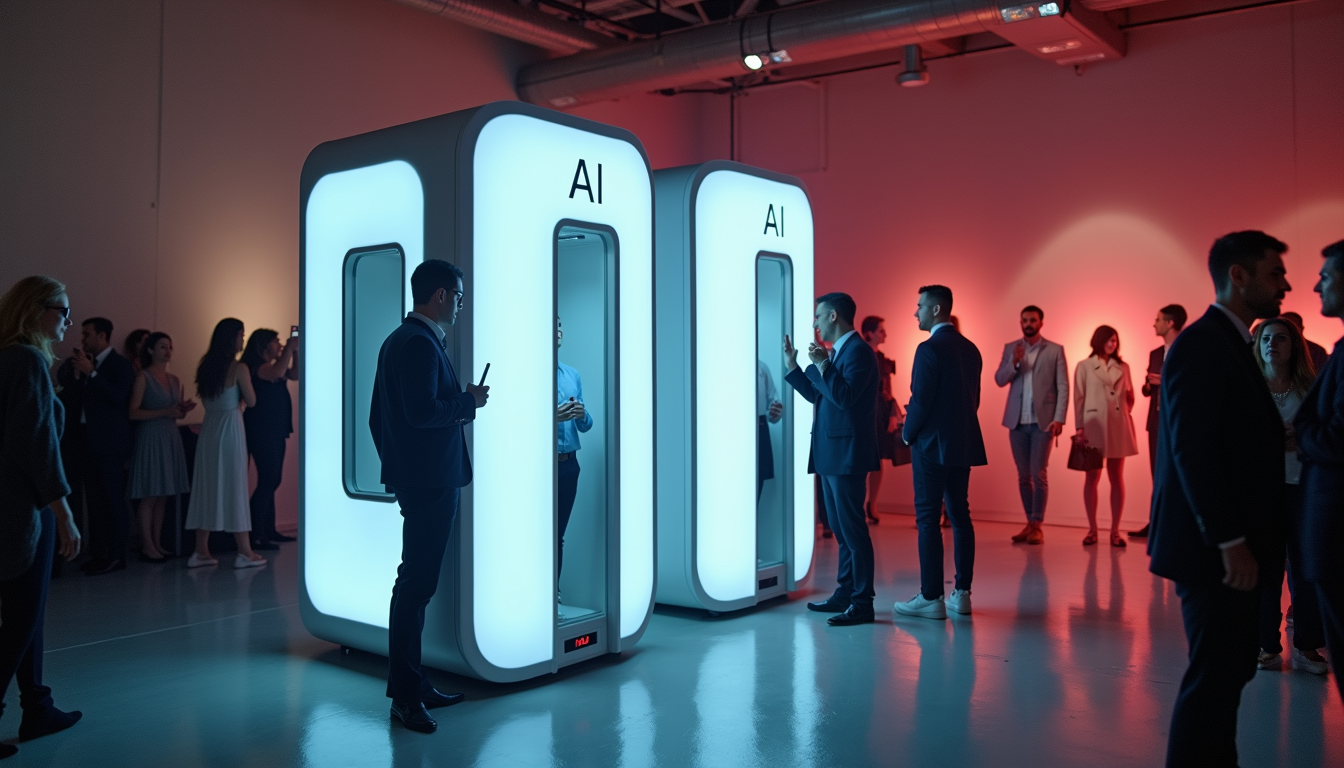
AI Photo Booth for corporate events at a branded enterprise conference by PONS.ai

If you are planning a premium event in 2026, the real question is not whether guests will take photos. They will. The real question is which booth format creates the kind of content your brand can actually use after the event ends.

That is why teams keep comparing AI Photo Booths, traditional photo booths, and 360 booths. They all create moments. They do not all create the same business value.

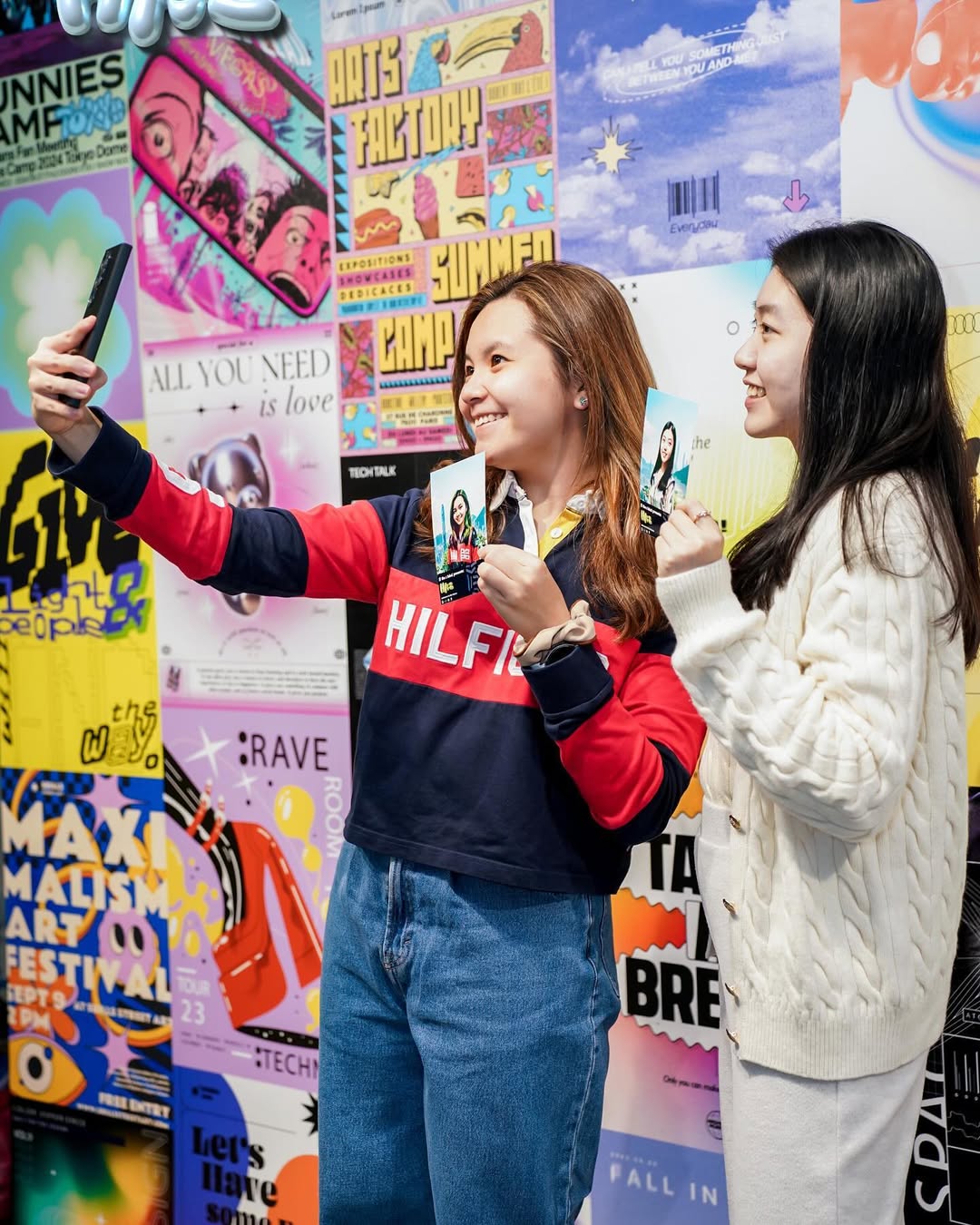
Corporate event attendees using an AI photo booth to generate branded portraits

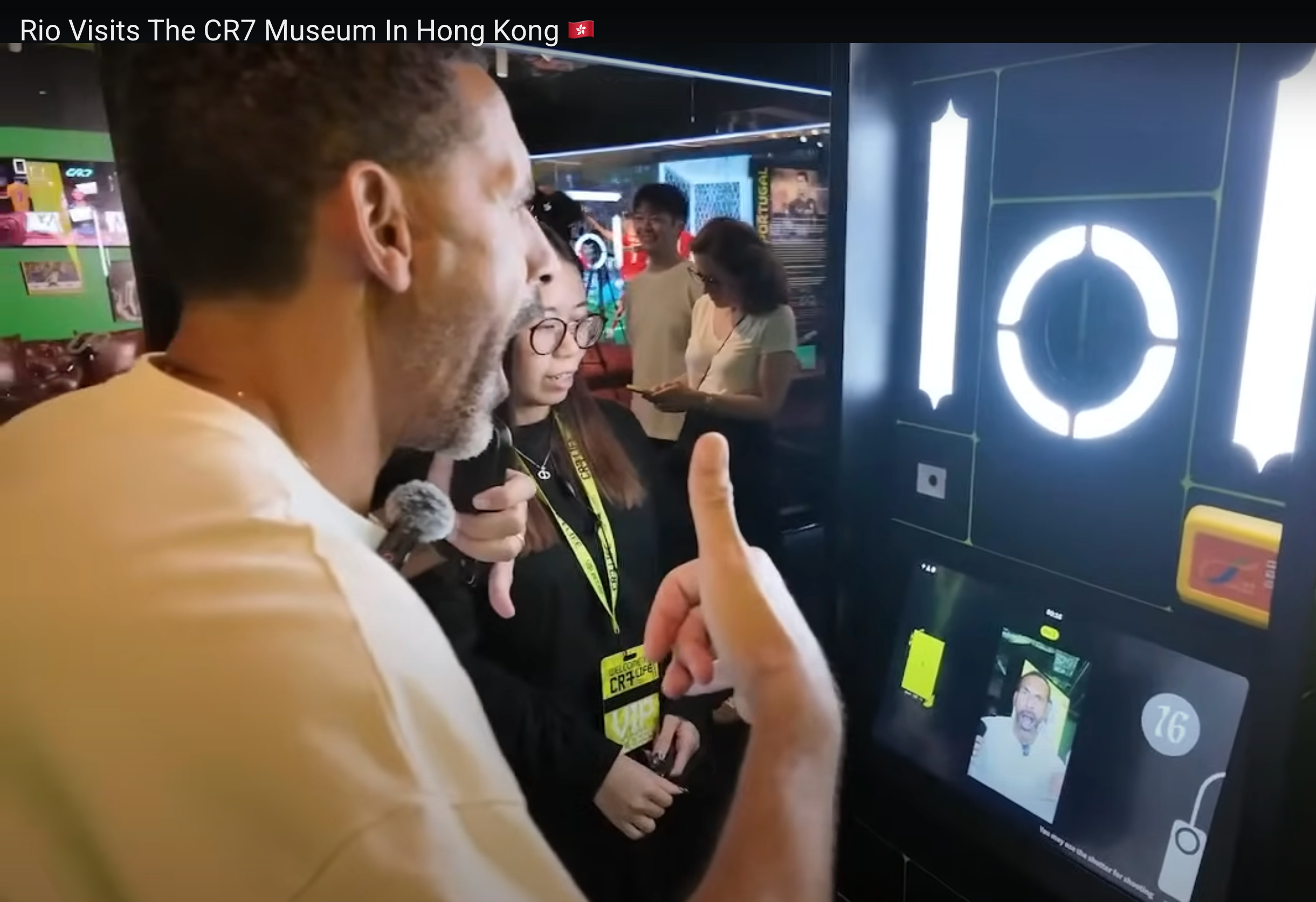
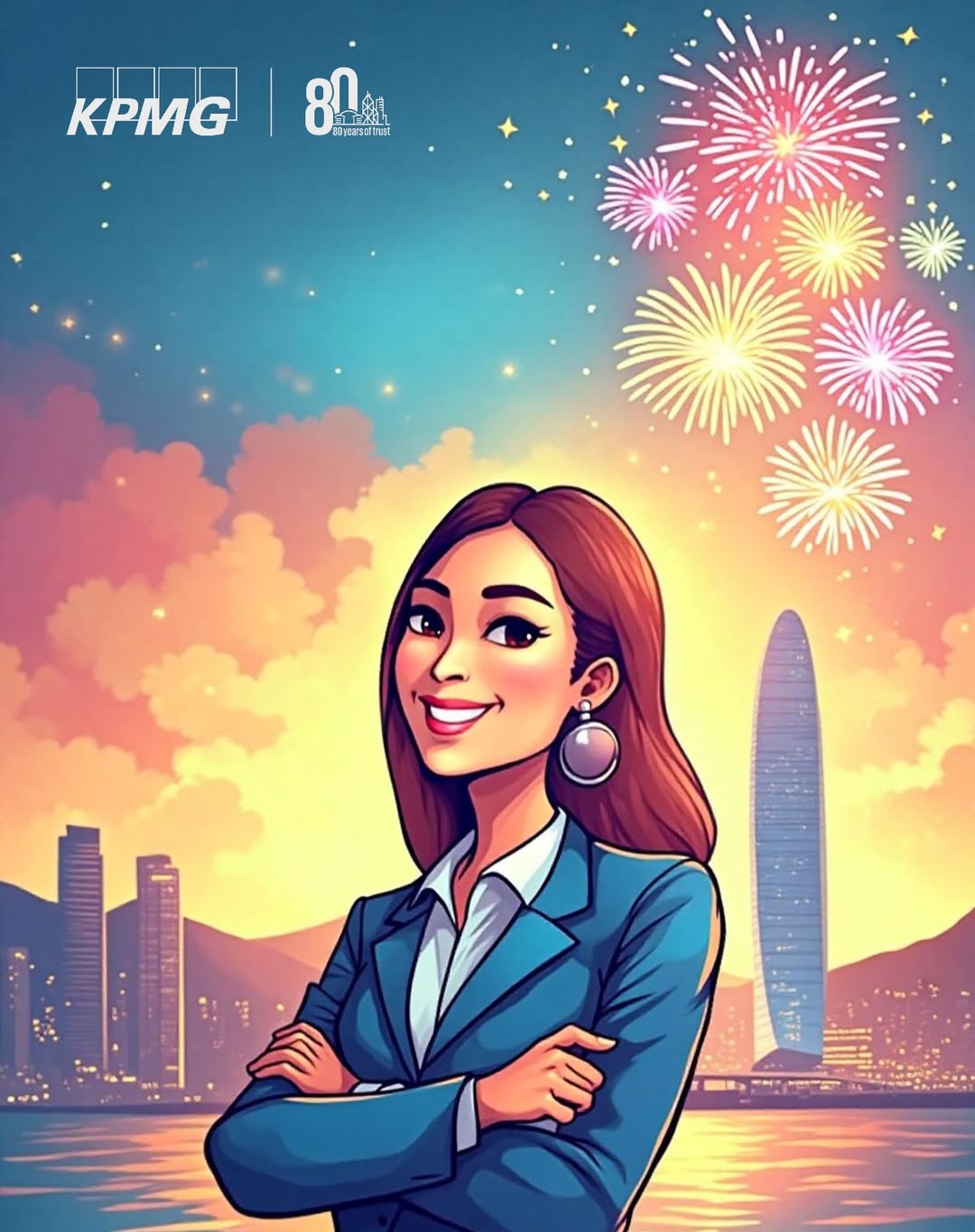
At PONS.ai, we have seen this play out across real work for CR7 LIFE Museum, foodpanda, KPMG, HSBC, AIA, JCDecaux, Sandbox VR, AWS TechFest, Starbucks APAC, LONGINES IJC, and Maersk. The pattern is consistent: when the output feels personal, people keep it, share it, and remember it.

Quick answer: which booth should you choose?

If you want the short version, here it is.

The key difference is strategic, not cosmetic. A traditional booth gives you a photo. A 360 booth gives you a clip. An AI Photo Booth gives you a branded asset that can keep working in social, recap decks, CRM follow-up, and post-event content.

Why this comparison matters now

Event teams are under more pressure than ever. Stakeholders want proof of ROI. Guests want something worth sharing. Brands want the activation to look premium, not gimmicky.

That is exactly why booth choice matters.

A BizBash feature on event UGC notes that 67% of attendees are very likely to create and share content during an event. That means the issue is not whether people will post. It is whether your booth is designed to turn participation into high-quality content.

2026 trend coverage also points in the same direction. 360 booths are still strong when the brief is spectacle and motion. But AI Photo Booths are winning when the brief is branding, personalization, and reusable output.

1) AI Photo Booth

If your goal is branded content, this is the strongest option.

An AI Photo Booth transforms a guest image into a customised visual that feels designed for the campaign. That can be a polished portrait, a themed concept, a luxury-style transformation, or a market-specific visual tied to the event story.

That matters because the output is not just entertainment. It is marketing material.

At PONS.ai, we typically target output in about 10 seconds. That sounds like a small detail, but it is one of the biggest reasons the experience works. Fast output keeps the queue moving, protects the energy in the room, and makes the activation feel premium instead of clunky.

It also fits how modern events are judged. Guests want a good experience. Brand teams want shareable content. Sales and marketing teams want assets they can reuse later. The AI Photo Booth can support all three.

Best for: - corporate events - product launches - exhibitions and trade shows - brand activations - employee events - premium retail moments

Why it wins: - highly personalised output - strong brand control - better post-event content value - easier to align with campaign themes - more memorable than a generic booth

The trade-off is that it needs better creative direction. If you give it a weak brief, the output will feel weak too. The good news is that when the brief is clear, the format is extremely flexible.

2) Traditional photo booth

The traditional photo booth is still useful, but only when the brief is simple.

It is familiar. People know how it works. The setup is predictable. And if your only goal is to give guests a quick souvenir, it does the job.

But in premium event environments, “does the job” is often not enough.

Traditional booths usually struggle to create content that feels distinct or brand-led. They are fine for casual moments, but weaker when you need the booth to contribute to campaign value, social sharing, or lead capture.

Best for: - casual parties - simple attendee souvenirs - low-complexity events - situations where the booth is a side attraction

Why it works: - easy to understand - quick to deploy - low creative overhead

Why it loses: - limited personalisation - weaker brand story - lower post-event reuse

If the goal is nostalgia, a traditional booth is fine. If the goal is measurable content, it is usually not the best pick.

3) 360 booth

The 360 booth is the spectacle option.

If you want motion-heavy content that looks dramatic on social, it delivers. That is why it still performs well for consumer launches, nightlife-style events, younger audiences, and campaigns where the booth itself should feel like the headline.

The downside is operational.

360 booths usually need more space, more handling, and more patience from the crowd. In a busy ballroom, a packed exhibition stand, or a premium corporate event with tight flow, that can become a constraint.

Best for: - high-energy activations - consumer launches - nightlife and entertainment events - social-first campaigns

Why it works: - strong visual impact - highly shareable video output - obvious crowd appeal

Why it loses: - slower throughput - bigger footprint - less personalised than AI output - can feel familiar now in some markets

A 360 booth is still strong when the brief is “make it look exciting.” It is weaker when the brief is “make it feel personal and premium.”

4) Glam booth

The glam booth is the polished one.

It is designed to flatter. That makes it attractive for beauty, fashion, VIP evenings, and events where the output should feel clean and sleek rather than playful.

For the right audience, that is a good thing. For broader brand campaigns, it can be a little narrow.

Best for: - beauty brands - fashion events - VIP receptions - premium social gatherings

Why it works: - elegant output - premium feel - easy to explain

Why it loses: - less flexible for campaign storytelling - often lighter on engagement data - weaker for broader event marketing goals

It is a style choice more than a strategy choice.

5) Magazine booth

The magazine booth is the editorial option.

It works when you want guests to feel like the cover story. That makes it a strong fit for luxury launches, fashion, media, and premium brand activations.

The risk is that it can become gimmicky if the concept is weak. It needs sharp art direction to stay elevated.

Best for: - luxury brands - editorial-style launches - fashion and beauty activations - premium product moments

Why it works: - visually striking - strong status effect - very social-friendly

Why it loses: - can feel overused - needs careful styling - less operationally flexible than AI formats

6) Selfie station

The selfie station is the volume play.

It is quick, low-friction, and usually the cheapest path to interaction. That is why it appears at smaller activations and budget-conscious events.

But the content value is limited.

It gives you participation, but usually not much brand differentiation. If you need the activation to contribute to your content engine, it is the weakest option on this list.

Best for: - short activations - budget-sensitive events - simple participation moments

Why it works: - fast - simple - scalable

Why it loses: - weak brand story - lower share value - little post-event utility

7) Mirror booth

The mirror booth sits between fun and design.

It is playful, visually obvious, and easy to understand. That makes it a decent fit for weddings, galas, and social celebrations.

For brand work, though, it usually does not go far enough. If the goal is reusable campaign content, analytics, or deeper personalization, there are stronger options.

Best for: - weddings - galas - stylish parties - lighter social events

Why it works: - theatrical - approachable - visually appealing

Why it loses: - limited strategic depth - not ideal for serious brand storytelling

What the formats look like in one table

What corporate teams should choose by objective

If your goal is awareness, pick the format that creates the strongest visual distinctiveness and the easiest share path.

If your goal is lead generation, pick the format that can support QR delivery, opt-in, and post-event follow-up without making the experience feel like a form.

If your goal is content production, the AI Photo Booth usually wins because the output itself has reuse value.

If your goal is brand lift, choose the format that matches the tone of your brand. A luxury brand may prefer a magazine-style finish. A tech or enterprise brand may want a clean AI-driven portrait experience. A consumer launch may want a 360 booth for motion.

Real PONS.ai examples

This is where the comparison gets real.

At CR7 LIFE Museum, the brief was about a memorable guest moment that felt shareable and on-brand.

At foodpanda, the activation supported milestone storytelling with content people actually wanted to keep.

At KPMG and HSBC, the goal was polished, enterprise-appropriate engagement.

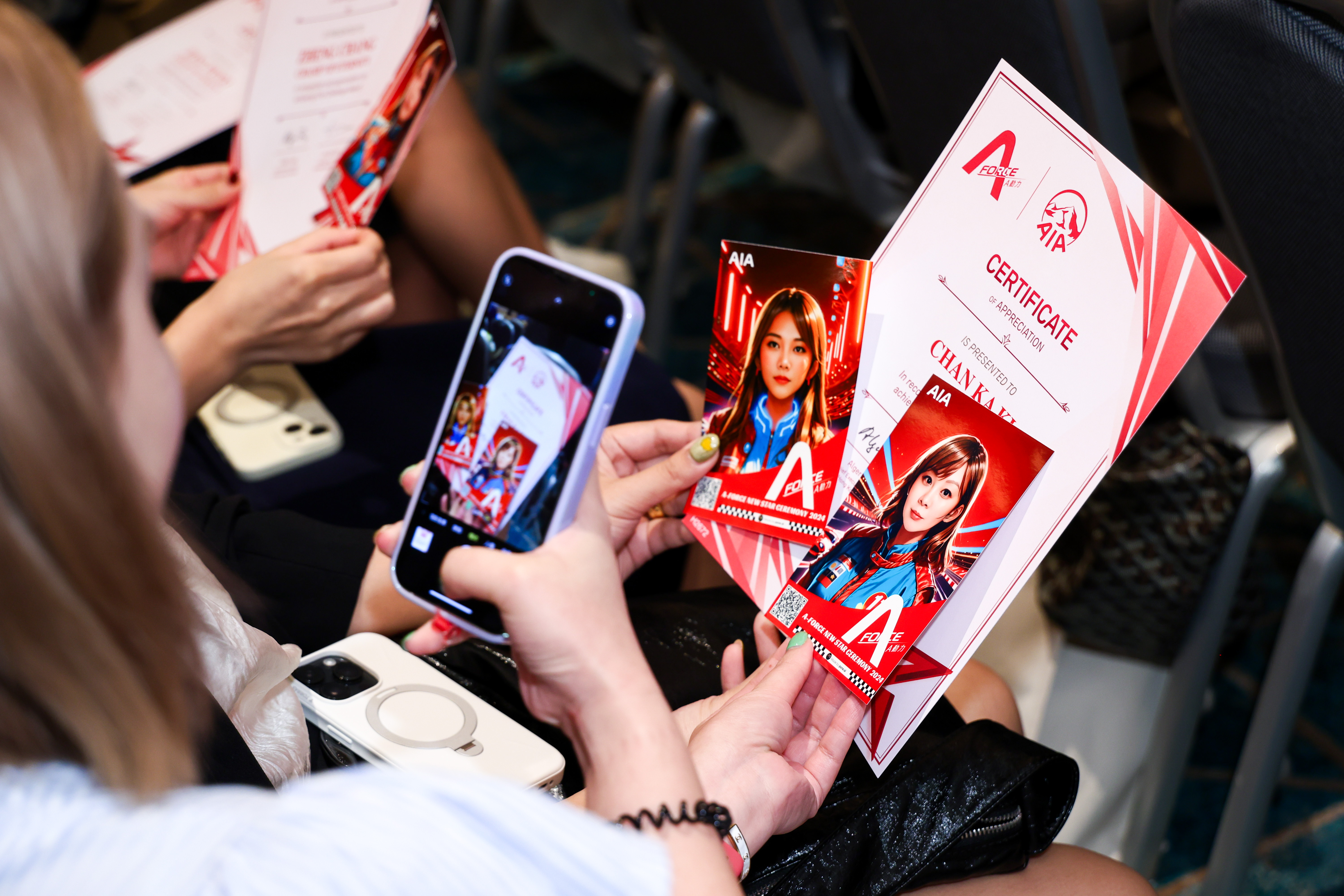
At AIA and Starbucks APAC, the booth helped with internal engagement and brand participation.

At JCDecaux, Sandbox VR, AWS TechFest, LONGINES IJC, and Maersk, the same lesson held: when the output feels personal, people keep it, share it, and remember it.

That is why PONS.ai focuses on real event conditions, not demo-room conditions. The booth has to survive foot traffic, keep the queue moving, and still produce output that looks good enough to post.

The ROI question no one should skip

A lot of teams compare booths by rental price. That is the wrong starting point.

The better question is: what does each format create after the event ends?

A simple way to think about it: - awareness value = impressions and social reach - lead value = captured contacts and follow-up potential - content value = reusable branded assets - brand value = recall, sentiment, and quality of experience

A booth that only creates a moment has limited value. A booth that creates content keeps paying off after the doors close.

What to ask before you book one

Before you choose any booth, ask: - How fast is the full guest journey? - Can the output be fully branded? - Does it fit the event tone? - Is it quick enough for peak traffic? - Can it support sharing and follow-up? - What happens to the content after the event?

That last question matters a lot. If the answer is “nothing,” you are leaving value on the table.

AI-generated branded portraits for premium event audiences in Dubai

FAQ

Is an AI Photo Booth better than a 360 booth?

It depends on the goal. A 360 booth is better for motion and spectacle. An AI Photo Booth is better for personalization, brand control, and reusable output.

Is a traditional photo booth still worth it?

Yes, if you only need a simple souvenir moment. It is just not the strongest option when the event needs to drive content or ROI.

Which format works best for corporate events?

For most corporate events, the AI Photo Booth is the strongest all-round choice because it balances speed, branding, and content value.

Do guests actually share the content?

Yes, especially when the output feels personal and worth keeping. That is why the design of the experience matters so much.

Which format is best for Hong Kong teams?

For Hong Kong, compact venues and high stakeholder expectations usually make the AI Photo Booth especially attractive because it is fast, polished, and easy to brief.

Final take

If your event needs only entertainment, almost any booth can work.

If your event needs content, brand value, and something guests actually want to keep, the AI Photo Booth usually wins.

If your event needs spectacle, the 360 booth still has a place. If you only need a quick souvenir, a traditional booth is fine. But if the goal is to turn attendance into something your brand can reuse, the AI Photo Booth is the most strategic choice.

For premium launches, corporate events, exhibitions, and brand activations, that is the format I would start with.

Book a demo with PONS.ai

AI photo booth for Saudi Arabia corporate events and premium activations

If you are planning an event in Saudi Arabia in 2026, the bar is high. Guests expect premium production, the room has to move fast, and the brand moment needs to feel intentional rather than decorative. That is exactly where an AI Photo Booth can earn its keep.

Saudi Arabia is becoming a stronger MICE and events market every year, especially in Riyadh and the wider central region. With Vision 2030 pushing investment, exhibitions, corporate gatherings, and destination events, planners need activations that do more than entertain. They need something that can create content, support branding, and keep the guest journey smooth.

At PONS.ai, that is the sweet spot. We have seen the same pattern across enterprise work for CR7 LIFE Museum, foodpanda, KPMG, HSBC, AIA, Starbucks APAC, JCDecaux, Sandbox VR, AWS TechFest, LONGINES IJC, and Maersk: when the output feels personal and the flow stays fast, people share it.

Corporate guests using an AI photo booth to create branded portraits

Why Saudi Arabia is a strong market for AI Photo Booths

Saudi Arabia is not a generic event market. It is a market where scale, polish, and relevance matter.

One 2026 market estimate puts the Saudi Arabia MICE market at about USD 3.54 billion, and the country keeps adding momentum through major conferences, trade shows, government-backed initiatives, and destination-led programming. Riyadh in particular is pulling more international attention, with venues and event calendars built for serious business gatherings.

That matters because AI Photo Booths fit the current direction of travel:

- premium, experience-led activations - more personalized attendee journeys - content that can be reused after the event - fast delivery so queues do not kill energy - brand-safe output that feels designed, not templated

When a market is moving toward bigger and better events, simple photo capture stops being enough. Teams want an activation that creates a branded asset guests actually want to keep.

Where AI Photo Booths fit best in Saudi Arabia

The best use cases are the ones where the booth can support both experience and business goals.

- Corporate conferences — strong for registration zones, networking breaks, and sponsor areas - Product launches — useful when the event needs a shareable hero moment - Exhibitions and trade shows — ideal for drawing traffic into a stand and keeping it moving - Luxury and hospitality events — a good fit when polish matters as much as participation - Employee events — useful for awards nights, town halls, and internal brand moments - Sports and entertainment — works well when the goal is fan engagement and social content

In Saudi Arabia, this is especially relevant in Riyadh, Jeddah, and major destination venues where the audience already expects production value.

What Saudi planners usually care about

Most buyers are not asking whether AI is interesting. They are asking whether the booth will perform under live pressure.

The real questions are:

- Will it look premium enough for this venue? - Will it move fast enough during peak traffic? - Can it be customized to the campaign, not just wrapped in a logo? - Will the output feel worth sharing on LinkedIn, WhatsApp, or Instagram? - Can it support Arabic-friendly or bilingual guest journeys when needed? - Will the content still have value after the event?

That is the difference between a novelty and a proper event asset.

AI Photo Booth vs traditional booth vs 360 booth

If the goal is branded content and not just a one-time souvenir, the AI option usually wins.

Where the booth works best in Riyadh and across Saudi Arabia

Saudi venues vary, so the setup should match the room.

A booth that works at a quiet boardroom event may fail on a packed expo floor. A polished ballroom needs a different flow from a public-facing exhibition stand.

Good environments include:

- Riyadh Front Exhibition & Conference Center - Riyadh International Convention & Exhibition Center (RICEC) - King Abdullah Financial District events - Jeddah corporate and hospitality venues - AlUla cultural and destination events - larger trade and expo spaces in the central and western regions

The best placement is usually near registration, a networking zone, or the natural flow to food and drinks. You want the booth to pull people in, not block traffic.

How PONS.ai adapts the experience

PONS.ai is built for teams that care about more than a gimmick.

We focus on five things:

- fast generation so the queue stays alive - strong visual branding so the output feels native to the event - flexible styling for different industries and audiences - smooth sharing so guests can take the content away immediately - enterprise-friendly execution so the booth does not become a headache on the floor

In tuned live setups, generation is often around 10 seconds. That sounds like a small detail, but in a live event it is everything. If the booth is slow, the room feels it. If it is fast and polished, the energy stays up.

What makes the output worth sharing

Two things: personalization and usefulness.

Guests share content when it feels made for them and when it looks good enough to keep. That is why the strongest outputs are:

- clearly branded - visually polished - easy to share - aligned to the event theme - useful after the event

PONS.ai has generated millions of photos since 2021, and the pattern is consistent: the closer the output feels to the person in front of it, the better the engagement.

What to ask before you book one in Saudi Arabia

Ask the vendor these questions first:

If the answer is vague, the booth will probably be vague too.

Why Saudi Arabia is especially good for branded content

Saudi events reward clarity. People notice whether something feels premium or not.

That is why AI Photo Booths work so well in this market. They create an experience that is easy to understand, fast to run, and useful after the room clears. For brands, that means the booth is not just a moment. It becomes:

- social content - recap material - CRM follow-up asset - sponsor value - a memory people associate with the brand

That is the real upgrade.

FAQ

Is an AI Photo Booth a good fit for Saudi Arabia?

Yes. Saudi Arabia is a strong fit because the market values premium execution, high-quality visuals, and event experiences that feel current.

Can it work for corporate events in Riyadh?

Absolutely. Riyadh is one of the best use cases because corporate conferences, exhibitions, and launches all benefit from fast, branded guest content.

Can the experience be bilingual?

Yes. The booth flow and creative can be adapted for English-first or bilingual experiences depending on the brief.

What matters most in Saudi Arabia?

Speed, polish, brand fit, and whether the output is worth sharing after the event.

What makes PONS.ai different?

PONS.ai focuses on premium branded output, fast live execution, and event experiences that turn into reusable content.

Final take

If you are planning an event in Saudi Arabia, the best AI Photo Booth is the one that helps the event do its job: draw people in, keep the room moving, and create content worth sharing after the doors close.

For premium conferences, launches, exhibitions, and brand activations, the AI Photo Booth usually wins because it combines speed, personalization, and branded content in one experience.

Book a demo with PONS.ai

Sandbox VR Deadwood Phobia AI Gamer Postcards activation

Sandbox VR is one of those venues where the experience does not end when the headset comes off. That is the challenge for every immersive brand: how do you turn a high-energy, highly physical moment into something guests actually want to keep, share, and talk about after they leave?

For Sandbox VR’s Deadwood Phobia experience in Hong Kong, PONS.ai solved that problem with a custom AI Gamer Postcards activation. Instead of giving guests a generic souvenir, the team turned each visitor into a stylized horror-themed character that extended the story beyond the venue and into social feeds, chats, and follow-up marketing.

The challenge: make the post-ride moment as memorable as the ride itself

Sandbox VR is built for group play, motion capture, haptics, and cinematic immersion. Guests move through a full experience together, often in teams of up to six, and the venue needs to keep that energy moving at every touchpoint.

That creates a familiar problem for experiential brands: the main attraction is unforgettable, but the memory can fade fast once people walk out. If there is no shareable takeaway, the experience stays inside the venue.

For Deadwood Phobia, the goal was simple:

  • Give guests something personal

  • Keep the branding on-theme

  • Avoid slowing down the venue flow

  • Create content people would actually share

  • Extend the experience beyond the headset

That is exactly the kind of brief AI Photo Booths are good at.

The solution: a custom AI Gamer Postcard

PONS.ai designed a bespoke AI Gamer Postcards format for the Deadwood Phobia experience. It was not a standard photo booth with a few filters layered on top. It was a custom generative AI experience that transformed each guest into a Deadwood Phobia survivor inside a horror-themed branded world.

The output felt like a collectible postcard from inside the game:

  • The guest stayed recognizable

  • The visual style matched the horror atmosphere

  • Sandbox VR branding stayed front and center

  • The result was polished enough to share immediately

The key difference is that the image did not just record the event. It continued the event.

How it worked on site

The flow was designed to fit a live venue, not interrupt it.

  1. Capture — Guests stepped up after their VR session and had their photo taken.

  2. Transformation — PONS.ai processed the image in about 10 seconds, turning each person into a themed character.

  3. Brand styling — The final postcard carried Sandbox VR and Deadwood Phobia visual cues.

  4. Instant delivery — Guests received a digital asset they could share right away.

That speed matters. In a venue with constant guest turnover, a long wait kills momentum. When the output arrives quickly, the booth feels like part of the experience instead of a queue.

Why this worked so well for immersive entertainment

AI photo booth queue throughput at a live event

Sandbox VR is a strong fit for AI-powered content because the experience already lives in a fictional world. That makes it easy for generative content to feel native rather than forced.

A few reasons the format landed:

  • It extended the story — Guests left with a visual artifact from the Deadwood Phobia universe.

  • It created social proof — The output was eye-catching enough to post.

  • It rewarded participation — People got something personal, not generic.

  • It supported throughput — Fast generation kept the venue moving.

  • It gave the brand reusable content — The results could feed social, CRM, and campaign follow-up.

That is the real value of AI Photo Booths in entertainment: they turn the guest into the protagonist.

AI Gamer Postcards vs a traditional photo booth

For a venue like Sandbox VR, that difference is not cosmetic. It changes the business value of the activation.

What makes the execution important

A lot of AI activations fail for one of three reasons: they look disconnected, they take too long, or they feel too generic.

PONS.ai avoided those mistakes by focusing on three things:

1. Identity preservation The guest still looked like themselves, so the output felt personal.

2. Strong creative direction The visual world matched Deadwood Phobia instead of drifting into random AI art.

3. Event-ready speed The workflow stayed fast enough for a live entertainment venue.

That combination is why the format works in real life, not just in demos.

Results that matter for a venue like Sandbox VR

The article’s clearest signal was simple: most Deadwood Phobia players chose to create an AI Gamer Postcard after their session.

That matters because it tells you the experience had low friction and high appeal. For operators, the broader impact is even more useful:

  • Higher engagement at the venue

  • More shares on social and messaging apps

  • More time spent onsite after the main experience

  • A stronger reason to remember the brand

  • A more premium guest journey

For immersive entertainment, that is the sweet spot. The guest gets a keepsake, and the venue gets a piece of content that keeps working after the session is over.

The bigger lesson for experiential brands

Sandbox VR is not the only place this model works. Any brand that sells an experience can benefit from a personalization layer that turns participation into shareable content.

This approach fits especially well in:

  • VR arcades and immersive venues

  • Theme parks and attractions

  • Museums and exhibitions

  • Escape rooms

  • Sports fan zones

  • Pop-ups and brand activations

The reason is consistent: people remember what they help create.

That is also why PONS.ai has worked so well across real client work for CR7 LIFE Museum, foodpanda, HSBC, KPMG, AIA Insurance, Starbucks APAC, JCDecaux, AWS TechFest, and Maersk. Different audiences, same underlying behavior: if the output feels personal, people stay longer and share more.

FAQ

What is an AI Gamer Postcard?

It is a personalized AI-generated image that turns a guest into a themed character or scene. In this case, the style matched the Deadwood Phobia experience.

Why is it better than a regular souvenir photo?

Because it is more personal, more on-brand, and more shareable. It feels like part of the experience, not just a record of it.

Can this work in high-traffic venues?

Yes. PONS.ai’s workflow is designed to keep generation fast enough for live operations, with output in about 10 seconds in a tuned setup.

Can the look be customized?

Absolutely. The visual world can be adapted to the venue, campaign, or franchise theme.

Does it work outside gaming?

Yes. The same format works for corporate events, museums, retail activations, sports, and product launches.

Final takeaway

Sandbox VR needed something that would carry the excitement of Deadwood Phobia beyond the headset. PONS.ai delivered that with a custom AI Gamer Postcards experience that was fast, branded, and actually worth sharing.

That is the real job of an AI Photo Booth: not just to capture a moment, but to extend it.

Book a demo with PONS.ai

bottom of page