top of page
Sandbox VR Deadwood Phobia AI Gamer Postcards activation

Sandbox VR is one of those venues where the experience does not end when the headset comes off. That is the challenge for every immersive brand: how do you turn a high-energy, highly physical moment into something guests actually want to keep, share, and talk about after they leave?

For Sandbox VR’s Deadwood Phobia experience in Hong Kong, PONS.ai solved that problem with a custom AI Gamer Postcards activation. Instead of giving guests a generic souvenir, the team turned each visitor into a stylized horror-themed character that extended the story beyond the venue and into social feeds, chats, and follow-up marketing.

The challenge: make the post-ride moment as memorable as the ride itself

Sandbox VR is built for group play, motion capture, haptics, and cinematic immersion. Guests move through a full experience together, often in teams of up to six, and the venue needs to keep that energy moving at every touchpoint.

That creates a familiar problem for experiential brands: the main attraction is unforgettable, but the memory can fade fast once people walk out. If there is no shareable takeaway, the experience stays inside the venue.

For Deadwood Phobia, the goal was simple:

  • Give guests something personal

  • Keep the branding on-theme

  • Avoid slowing down the venue flow

  • Create content people would actually share

  • Extend the experience beyond the headset

That is exactly the kind of brief AI Photo Booths are good at.

The solution: a custom AI Gamer Postcard

PONS.ai designed a bespoke AI Gamer Postcards format for the Deadwood Phobia experience. It was not a standard photo booth with a few filters layered on top. It was a custom generative AI experience that transformed each guest into a Deadwood Phobia survivor inside a horror-themed branded world.

The output felt like a collectible postcard from inside the game:

  • The guest stayed recognizable

  • The visual style matched the horror atmosphere

  • Sandbox VR branding stayed front and center

  • The result was polished enough to share immediately

The key difference is that the image did not just record the event. It continued the event.

How it worked on site

The flow was designed to fit a live venue, not interrupt it.

  1. Capture — Guests stepped up after their VR session and had their photo taken.

  2. Transformation — PONS.ai processed the image in about 10 seconds, turning each person into a themed character.

  3. Brand styling — The final postcard carried Sandbox VR and Deadwood Phobia visual cues.

  4. Instant delivery — Guests received a digital asset they could share right away.

That speed matters. In a venue with constant guest turnover, a long wait kills momentum. When the output arrives quickly, the booth feels like part of the experience instead of a queue.

Why this worked so well for immersive entertainment

AI photo booth queue throughput at a live event

Sandbox VR is a strong fit for AI-powered content because the experience already lives in a fictional world. That makes it easy for generative content to feel native rather than forced.

A few reasons the format landed:

  • It extended the story — Guests left with a visual artifact from the Deadwood Phobia universe.

  • It created social proof — The output was eye-catching enough to post.

  • It rewarded participation — People got something personal, not generic.

  • It supported throughput — Fast generation kept the venue moving.

  • It gave the brand reusable content — The results could feed social, CRM, and campaign follow-up.

That is the real value of AI Photo Booths in entertainment: they turn the guest into the protagonist.

AI Gamer Postcards vs a traditional photo booth

For a venue like Sandbox VR, that difference is not cosmetic. It changes the business value of the activation.

What makes the execution important

A lot of AI activations fail for one of three reasons: they look disconnected, they take too long, or they feel too generic.

PONS.ai avoided those mistakes by focusing on three things:

1. Identity preservation The guest still looked like themselves, so the output felt personal.

2. Strong creative direction The visual world matched Deadwood Phobia instead of drifting into random AI art.

3. Event-ready speed The workflow stayed fast enough for a live entertainment venue.

That combination is why the format works in real life, not just in demos.

Results that matter for a venue like Sandbox VR

The article’s clearest signal was simple: most Deadwood Phobia players chose to create an AI Gamer Postcard after their session.

That matters because it tells you the experience had low friction and high appeal. For operators, the broader impact is even more useful:

  • Higher engagement at the venue

  • More shares on social and messaging apps

  • More time spent onsite after the main experience

  • A stronger reason to remember the brand

  • A more premium guest journey

For immersive entertainment, that is the sweet spot. The guest gets a keepsake, and the venue gets a piece of content that keeps working after the session is over.

The bigger lesson for experiential brands

Sandbox VR is not the only place this model works. Any brand that sells an experience can benefit from a personalization layer that turns participation into shareable content.

This approach fits especially well in:

  • VR arcades and immersive venues

  • Theme parks and attractions

  • Museums and exhibitions

  • Escape rooms

  • Sports fan zones

  • Pop-ups and brand activations

The reason is consistent: people remember what they help create.

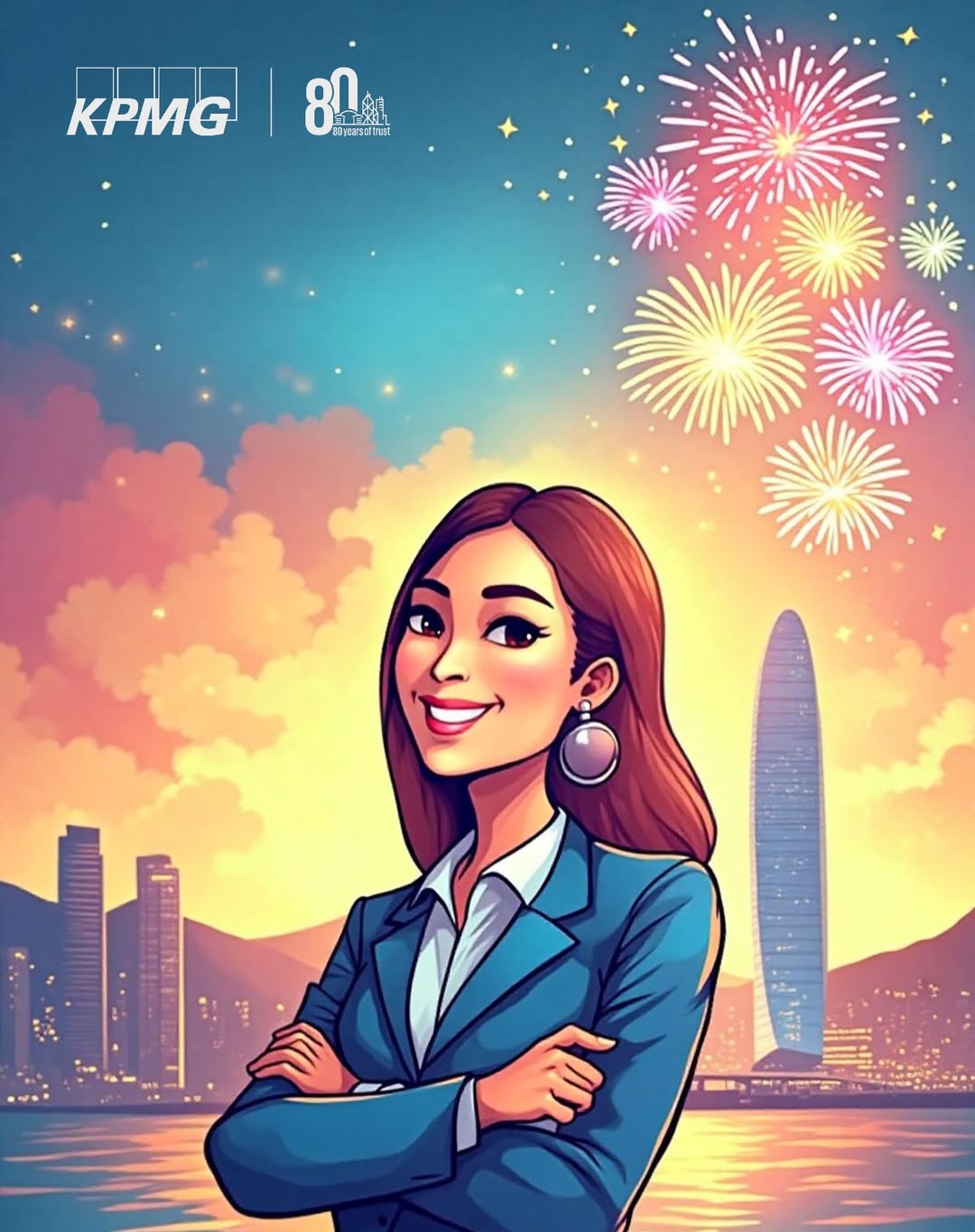
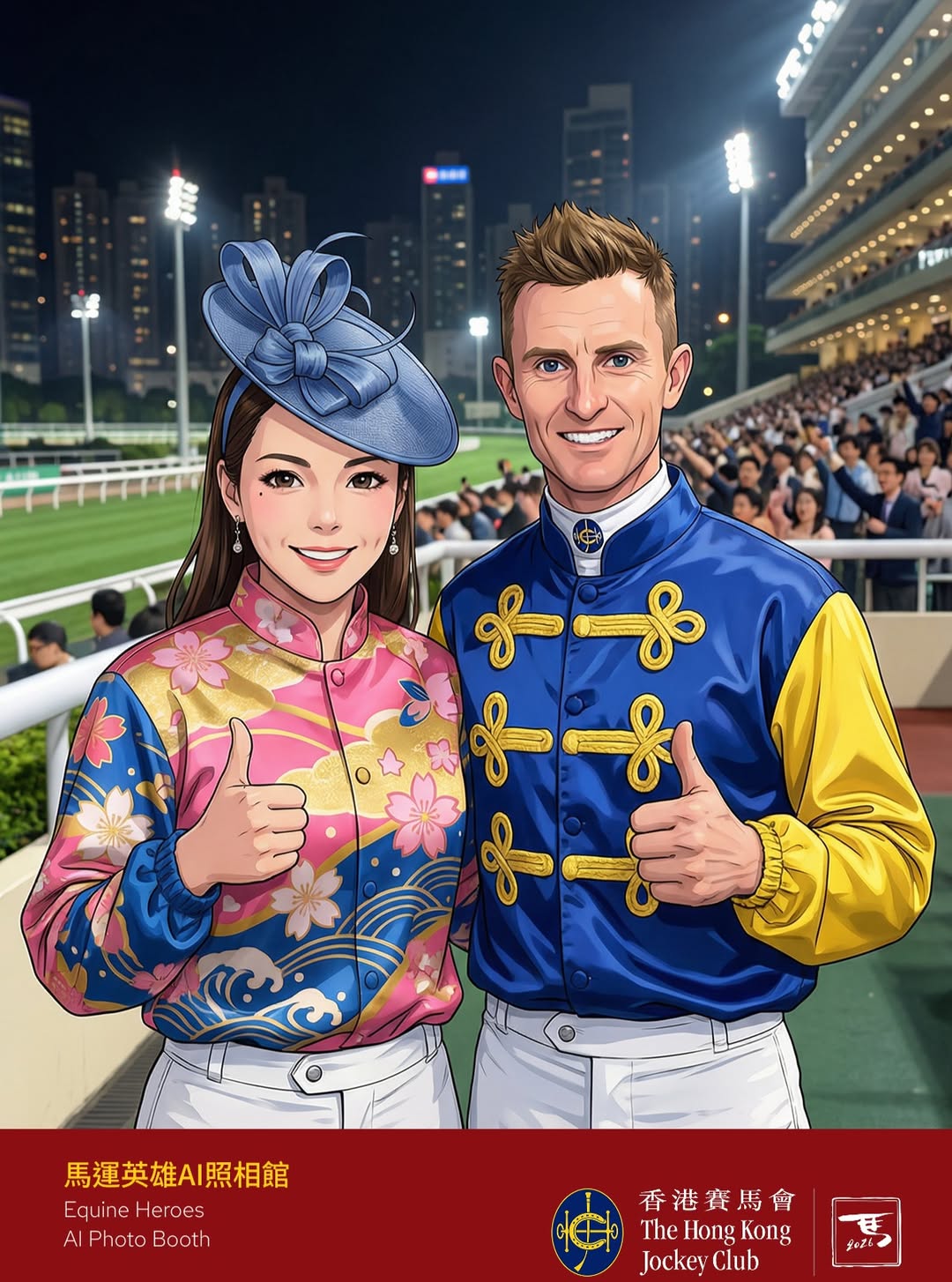
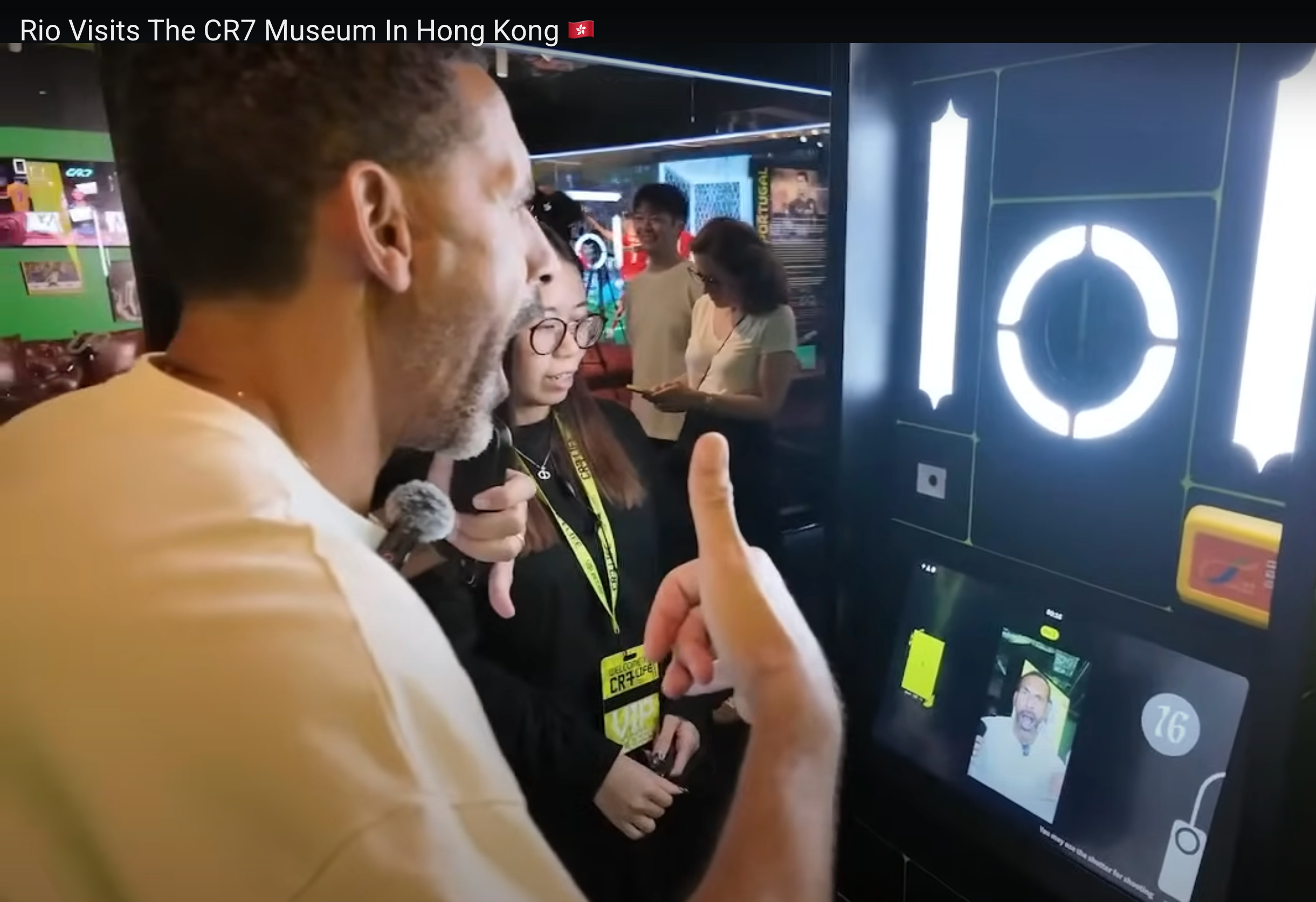
That is also why PONS.ai has worked so well across real client work for CR7 LIFE Museum, foodpanda, HSBC, KPMG, AIA Insurance, Starbucks APAC, JCDecaux, AWS TechFest, and Maersk. Different audiences, same underlying behavior: if the output feels personal, people stay longer and share more.

FAQ

What is an AI Gamer Postcard?

It is a personalized AI-generated image that turns a guest into a themed character or scene. In this case, the style matched the Deadwood Phobia experience.

Why is it better than a regular souvenir photo?

Because it is more personal, more on-brand, and more shareable. It feels like part of the experience, not just a record of it.

Can this work in high-traffic venues?

Yes. PONS.ai’s workflow is designed to keep generation fast enough for live operations, with output in about 10 seconds in a tuned setup.

Can the look be customized?

Absolutely. The visual world can be adapted to the venue, campaign, or franchise theme.

Does it work outside gaming?

Yes. The same format works for corporate events, museums, retail activations, sports, and product launches.

Final takeaway

Sandbox VR needed something that would carry the excitement of Deadwood Phobia beyond the headset. PONS.ai delivered that with a custom AI Gamer Postcards experience that was fast, branded, and actually worth sharing.

That is the real job of an AI Photo Booth: not just to capture a moment, but to extend it.

Book a demo with PONS.ai

AI photo booth queue throughput and branded portrait generation for employee engagement events

Employee engagement events are easy to underestimate. They do not always have the scale of a public launch, but they usually have a harder job: make people feel included, reinforce culture, and create content that lives past the day itself.

Branded AI-generated event portraits designed for employee engagement sharing

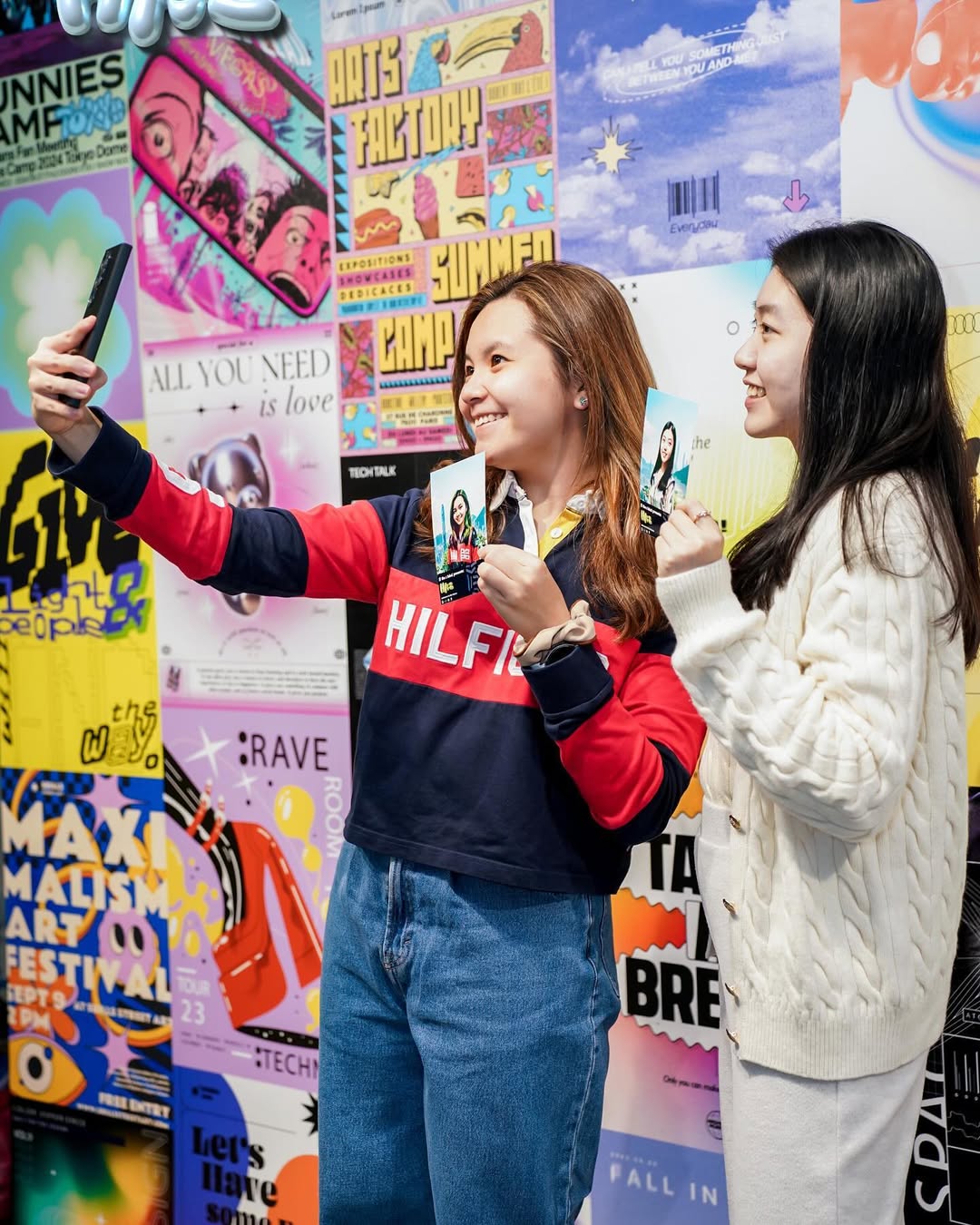
Professional guests using an AI Photo Booth at a corporate brand activation

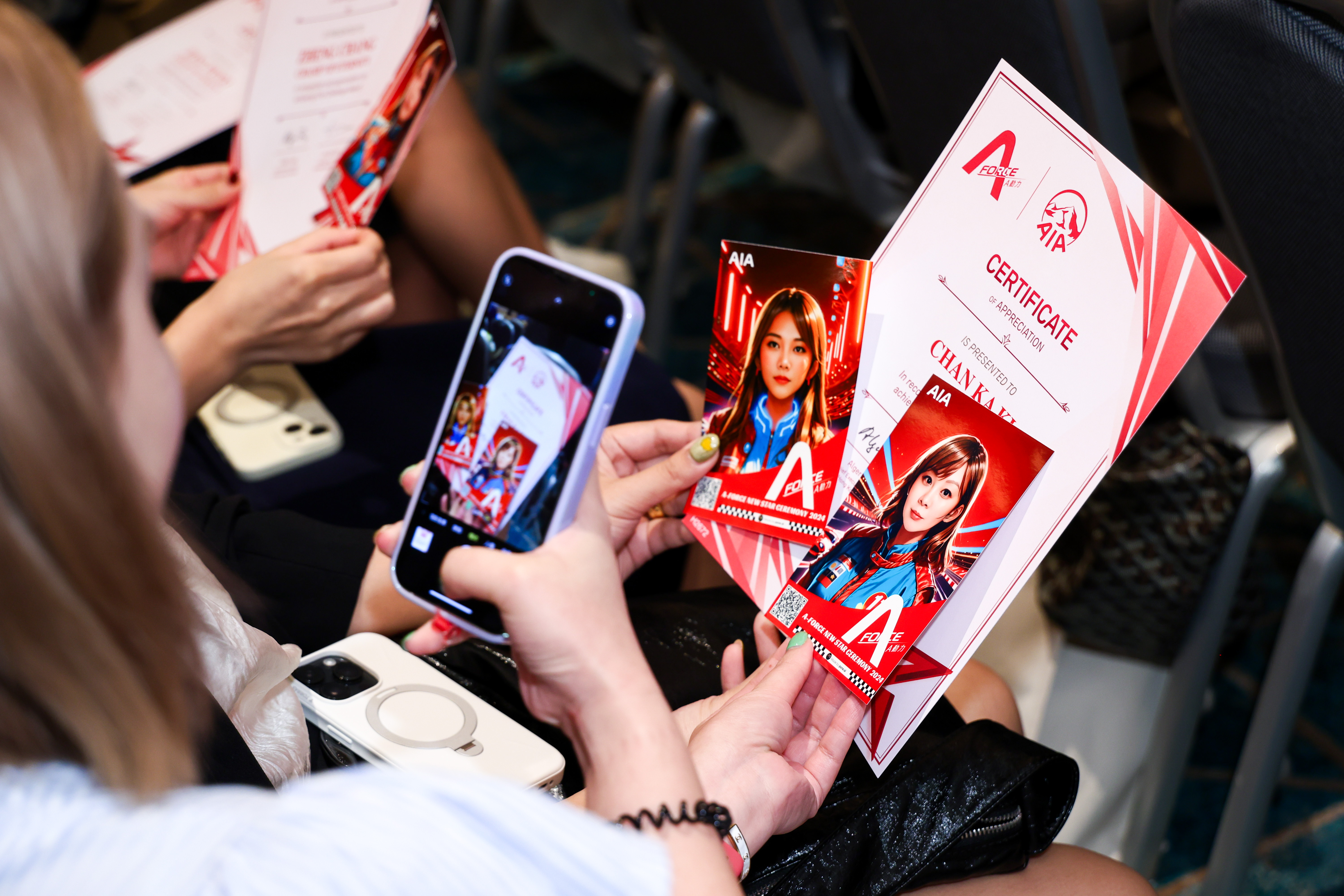
That is why an AI Photo Booth works so well for AIA-style internal events.

In 2026, the strongest event benchmark reports keep pointing in the same direction: attendees want better experience quality, more personalization, and more useful content. Cvent’s latest event statistics roundup even notes that 72% of CPG attendees and 61% of tech attendees posted or shared brand content after an event. The lesson is simple. If the experience feels personal and worth keeping, people will share it.

PONS.ai has seen that pattern across enterprise work for AIA, HSBC, KPMG, Starbucks APAC, foodpanda, JCDecaux, CR7 LIFE Museum, Sandbox VR, AWS TechFest, and Maersk. The format changes, but the logic stays the same: when the output feels made for the person in front of it, engagement rises.

Why employee engagement needs a higher standard

Internal events are not just about filling a room. They usually need to do three things at once:

- make employees feel seen - reinforce company culture - create reusable brand content

A standard photo corner can handle the first part. It rarely handles the other two very well.

An AI Photo Booth changes the equation. Instead of a static template, PONS.ai turns each guest photo into a personalised branded portrait. The employee still recognises themselves, but the final output feels elevated, memorable, and shareable.

That matters because internal content dies quickly when it looks generic. A good AI-generated portrait keeps circulating in WhatsApp groups, internal channels, LinkedIn posts, and event recap decks long after the day is over.

What the AIA brief needed to achieve

For a brand like AIA, the objective is not lead capture. It is emotional and cultural.

The activation needs to help people feel included, give them a branded keepsake they want to keep, and give HR or internal comms something stronger than a standard event photo.

That is a very different brief from a consumer activation. The experience cannot feel childish or off-brand. It has to stay premium, clean, and trustworthy.

That is especially important in insurance, where the brand is built on confidence and consistency. Employees expect something modern, but they still want it to feel credible.

How the experience works on site

The guest journey has to be simple.

A person walks up, takes a photo, and gets a result that feels like it was made for them and for the brand. That is the whole game.

For AIA-style employee events, the strongest setup usually includes:

- a clean capture point with clear guidance - a brand style that fits the company tone - fast delivery so the queue keeps moving - QR-based sharing or digital download - an output format that works for internal and external sharing

![Professional guests using an AI Photo Booth at a corporate brand activation](https://static.wixstatic.com/media/254af0_35c71edc7ac0425b9ae25c61ebea2662~mv2.jpg)

The reason this works is simple: employees do not feel like they are doing marketing. They feel like they are taking part in something fun that still respects the brand.

Why AI Photo Booths lift engagement

Employee events often fail when they are too formal or too forced. People show up, nod politely, and leave without much memory of the experience.

An AI Photo Booth fixes that by creating a small moment of delight that feels naturally social.

### 1. It makes participation easy

There is no app to explain and no long form to complete. People understand it immediately.

### 2. It creates a personal payoff

The output is not just company content. It is something employees can keep, send, and post. That personal value is what drives engagement.

### 3. It strengthens employer brand

When staff see the company investing in a polished, modern experience, it sends a clear message about culture. The event feels considered, not assembled.

### 4. It creates reusable content

The best event assets do not stop at the booth. They can be reused in recap decks, internal newsletters, leadership updates, and future employer-brand campaigns.

AI Photo Booth vs a traditional photo corner

That difference is why the format works.

A traditional corner gives people a record of attendance. PONS.ai gives them a branded moment worth keeping.

What made the AIA-style use case work

The strongest internal event activations are rarely the loudest. They are the ones that fit the room.

For AIA-style employee engagement, the design needs to be premium, but not stiff. Personal, but not silly. Fast, but not rushed.

That balance matters because internal events are about trust as much as fun. People need to feel the brand understands them.

The strongest versions of the experience usually have these qualities:

- clean visual language - consistent brand colours - a human-first output that still feels polished - quick turnaround that keeps energy high - simple delivery and sharing paths

That is where PONS.ai is strongest. The platform is built to handle high-volume, brand-sensitive activations where the output has to look good and work in the real world.

![Branded AI-generated event portraits designed for employee engagement sharing](https://static.wixstatic.com/media/254af0_6cbe0e55bee6426ca93d5cf571846a49~mv2.jpg)

What planners should measure

If you are using an AI Photo Booth for employee engagement, the right metrics are not complicated.

Track:

- participation rate - average wait time - share rate - content reuse after the event - opt-in completion if you collect data

If the booth is working, you will see people stopping, smiling, sharing, and coming back with colleagues. That is the real signal.

You should also watch the content after the event. If the images keep circulating in internal channels, the activation has already paid off in brand memory.

Why this matters for HR and internal comms

The biggest mistake with employee events is treating them like a one-off morale exercise.

The smarter approach is to treat them as a content system.

That means every interaction should have a second life:

- a photo that becomes a recap asset - a moment that becomes a culture signal - a shareable piece that becomes employer-brand proof

PONS.ai is built around that idea. In real enterprise work, that matters more than novelty. The companies that do this well are not the ones with the loudest activation. They are the ones that give people something personal enough to keep talking about.

FAQ: AIA employee engagement and AI Photo Booths

Is an AI Photo Booth too playful for a serious brand like AIA?

Not if it is designed properly. The key is to keep the output premium, clean, and aligned with brand identity. Serious brands do not need to be boring; they need to be credible.

Can it handle a busy internal event?

Yes. The workflow is built for throughput, so it can stay smooth even when people arrive in waves.

Does it help with social sharing?

Very much so. People are more likely to share something that feels personal and polished than a standard event photo.

Can the visuals be customised for internal brand campaigns?

Yes. Brand colours, themes, copy, and delivery flow can all be adapted.

The takeaway for employee engagement events

Employee engagement is getting harder. People are exposed to more content, more events, and more internal noise than ever before. Generic experiences do not cut through anymore.

What does cut through is something that feels made for the person in front of it.

That is why AI Photo Booths are becoming more valuable in internal events. They do not just entertain. They help a brand feel more human, more current, and more worth remembering.

For AIA-style employee engagement, that is the real win.

Book a demo with PONS.ai

AI photo booth queue throughput and branded portrait generation for corporate events

When a global logistics brand gathers 2,300 people from 56 countries in one room, the event is no longer just a meeting. It becomes a signal. The conference has to align teams, carry culture, and leave people with something worth remembering after they fly home.

That is why Maersk’s Global Sales Conference in Madrid is such a useful benchmark for event marketers. Public coverage from the Bea World Festival describes a four-day sales conference for Maersk’s global salesforce, plus a 500-person manager dinner at Santiago Bernabéu before the main program. The event also used a 52-meter mapping stage and a second “future” stage to turn transformation into a physical experience.

AI photo booth corporate event station with branded experience flow

Enterprise AI-generated branded portrait at a corporate event

For a setting like that, a generic photo corner is not enough. The activation has to feel premium, fast, and tied to the same story as the main stage. That is where an AI Photo Booth earns its place.

Why a conference like this needs more than entertainment

A global sales conference is not built for passive fun. It is built for alignment, learning, and internal momentum. The audience is senior, distributed, and used to high standards. If the experience feels childish or disconnected, it gets ignored.

At the same time, the event still needs energy. People need a reason to stop, smile, share, and talk to each other between sessions. The best activations do that without breaking the tone of the room.

PONS.ai has already proven this pattern across enterprise work for CR7 LIFE Museum, foodpanda, KPMG, HSBC, AIA, JCDecaux, Sandbox VR, AWS TechFest, and Starbucks APAC. The common thread is simple: when the output is personal and polished, people stay longer and share more.

The Maersk brief in one line

This is the kind of audience the activation had to serve:

- 2,300 participants

- 56 countries

- Four days

- Manager-level global salesforce

- 500-person dinner at Santiago Bernabéu

- A conference story built around moving from the past to the future

That tells you everything you need to know. The booth could not feel like a side attraction. It had to feel like part of the transformation narrative.

How PONS.ai would translate that into an activation

For a Maersk-scale event, the design needs to do three things well.

### 1. Make the value obvious in seconds

Guests should understand the experience immediately. One glance at the signage, one selfie, one clear promise, and the reason to engage is already there.

### 2. Keep the output on-brand

A logistics brand like Maersk does not need cartoonish novelty. It needs something clean, global, and premium. The visual language should feel like the conference itself: movement, scale, coordination, and a future-facing tone.

### 3. Keep the line moving

At large conferences, speed is not a luxury. It is the whole game. PONS.ai is built around short turnaround times — roughly 10 seconds in a tuned setup — so the booth can handle real traffic without losing energy.

![AI photo booth queue throughput and branded portrait generation](https://static.wixstatic.com/media/254af0_93f85e4752b1402c96ce920e316dc1df~mv2.jpg)

Why the AI format fits better than a traditional photo corner

Traditional photo booths are fine when the goal is a souvenir. But a conference like this needs more than a souvenir. It needs content that travels.

| Factor | Traditional photo corner | PONS.ai AI Photo Booth |

|---|---|---|

| Guest experience | Static | Personalized |

| Brand fit | Light | Deeply themed |

| Share value | Medium | High |

| Speed to output | Varies | Fast, event-ready |

| Post-event utility | Low | High |

| Global relevance | Generic | Easy to localize |

That difference matters at a multi-country event. A personalized output is easier to share across WhatsApp, LinkedIn, and internal channels because it feels made for the person, not just the venue.

![AI photo booth corporate event station with branded experience flow](https://static.wixstatic.com/media/254af0_c37a4b63af324ad48c749f59c93da43a~mv2.png)

What makes this case work for enterprise audiences

Maersk’s conference format is a good reminder that enterprise events are really about trust and coherence. Guests are not looking for spectacle alone. They want to feel that every touchpoint belongs to the same brand world.

That is exactly where AI Photo Booths are strongest. They turn the attendee into the subject of the brand story.

Here is what that means in practice:

- Higher dwell time because people want to see their result

- More sharing because the output feels unique

- Better brand recall because the image carries the event identity

- More reusable content for recap decks, social posts, and internal comms

That is a much better equation than “nice extra on the side.”

The operating lesson for planners

If you are planning a conference, summit, or leadership offsite, the Maersk example gives you a useful checklist.

### Design for the audience first

A manager-level global audience needs polish, not gimmicks. The visual style should match the room’s status.

### Treat the booth as part of the narrative

If the main event is about transformation, the activation should feel like transformation too. It should extend the same story, not interrupt it.

### Build for reuse

The best outputs do not die at the booth. They show up again in internal newsletters, social recaps, sales enablement, and future event promotion.

### Keep the workflow simple

The best guest experience is usually the simplest one: step up, take a photo, get something worth keeping, move on.

Why this format also works for SEO and GEO

This kind of case study gives search engines and AI answer tools the exact signals they prefer: a named client, a clear event type, concrete numbers, and a practical lesson. It is also easy to reuse across landing pages for corporate events, global conferences, and brand activations because the structure is specific without being narrow.

That matters for PONS.ai. The same story can support sales conversations, search visibility, and future content repurposing without sounding generic.

FAQ

Is an AI Photo Booth suitable for a global sales conference?

Yes. In fact, it is often a better fit than a standard photo booth because the output is more personal, more branded, and more shareable.

Can it work for executive and manager-level audiences?

Yes. The key is premium execution. If the design feels clean and intentional, it reads as polished rather than playful.

Can it support multiple markets and languages?

Yes. That is one of the biggest advantages for global events. The look, copy, and delivery flow can be localized while keeping one consistent brand system.

What metrics matter most?

Participation rate, share rate, delivery completion, dwell time, and post-event content reuse are usually the most useful indicators.

What kind of events fit best?

Global conferences, leadership summits, brand activations, product launches, trade shows, and premium employee events all work well.

Final thought

A conference like Maersk’s is not really about one stage, one dinner, or one room. It is about creating one shared story for a global team.

That is why AI Photo Booths work so well at this level. They turn a large event into something personal, and they turn a personal moment into something the brand can use again.

If your event needs to feel aligned, premium, and memorable, start with personalization.

Book a demo with PONS.ai

bottom of page