
Sandbox VR: How AI Gamer Postcards Turn a VR Session into Shareable UGC
- Perla
- 2 days ago
- 5 min read
Sandbox VR is one of those venues where the experience does not end when the headset comes off. That is the challenge for every immersive brand: how do you turn a high-energy, highly physical moment into something guests actually want to keep, share, and talk about after they leave?
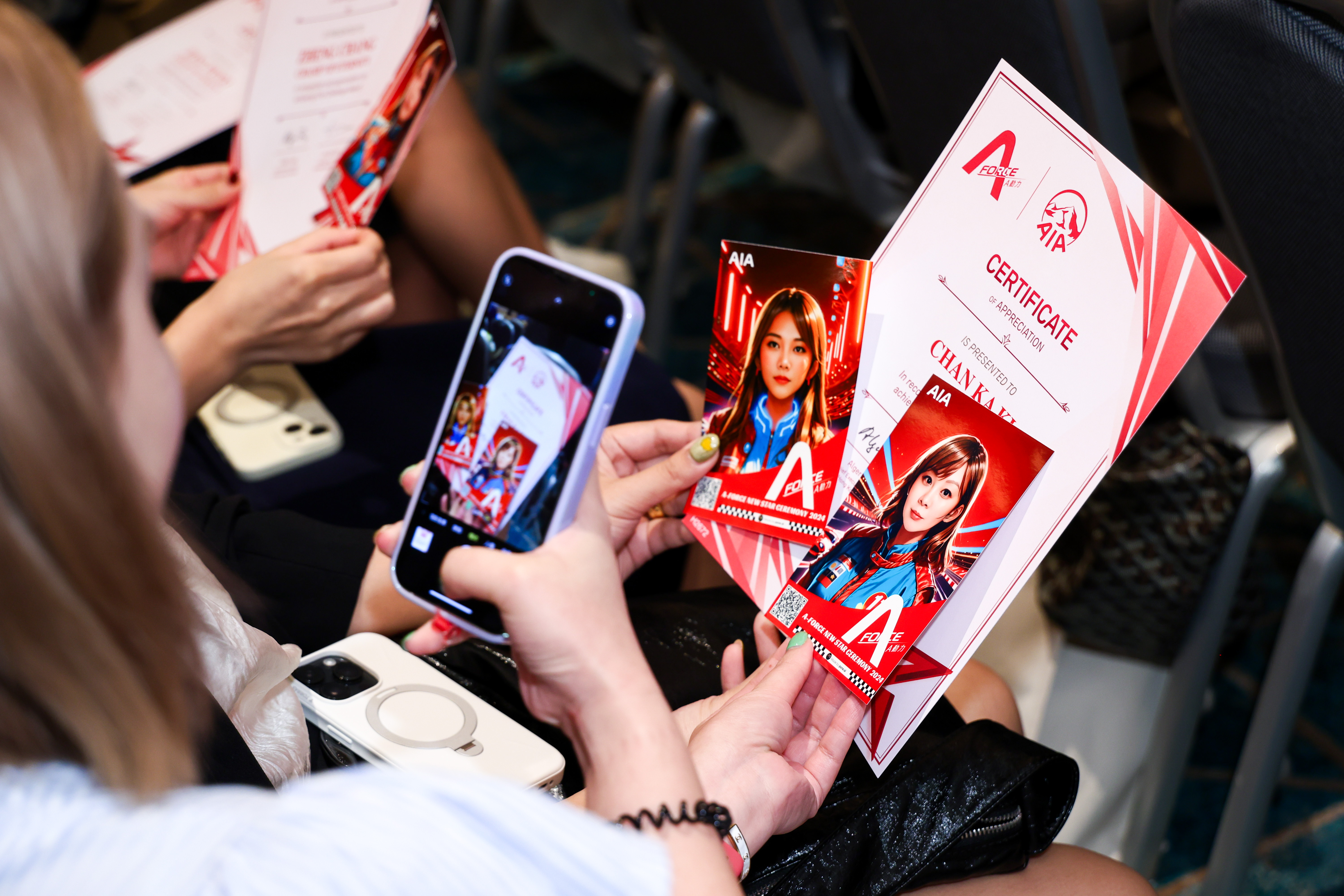
For Sandbox VR’s Deadwood Phobia experience in Hong Kong, PONS.ai solved that problem with a custom **AI Gamer Postcards** activation. Instead of giving guests a generic souvenir, the team turned each visitor into a stylized horror-themed character that extended the story beyond the venue and into social feeds, chats, and follow-up marketing.
Why immersive venues need a second moment
Immersive venues are built to create a spike in emotion. Guests step into a different world, play hard, and leave with a strong memory. But memory alone is not enough for modern experiential marketing.
If the venue cannot convert that emotional peak into a shareable asset, the experience stops at the door. That is a missed opportunity, because the best activations do three jobs at once:
- keep guests engaged while they are on site - give them something personal and worth saving - turn the experience into distribution after they leave
That is why AI Photo Booths are increasingly useful in entertainment, exhibitions, museums, product launches, and brand activations. They do not just capture a person. They extend the story.
The brief from Sandbox VR
Sandbox VR is built for group play, motion capture, haptics, and cinematic immersion. Guests move through the experience in teams, and the venue needs to keep that energy moving at every touchpoint.
For Deadwood Phobia, the goal was simple:
- give guests something personal - keep the branding on-theme - avoid slowing down the venue flow - create content people would actually share - extend the experience beyond the headset
That is exactly the kind of brief PONS.ai is built for.
The key challenge was not just making something cool. It was making something that felt native to the Deadwood Phobia world and still worked in a live venue with real throughput demands.
What PONS.ai built
PONS.ai designed a bespoke **AI Gamer Postcards** format for the Deadwood Phobia experience. It was not a standard photo booth with a few filters layered on top. It was a custom generative AI experience that transformed each guest into a Deadwood Phobia survivor inside a horror-themed branded world.
The output felt like a collectible postcard from inside the game:
- the guest stayed recognizable - the visual style matched the horror atmosphere - Sandbox VR branding stayed front and center - the result was polished enough to share immediately
That distinction matters. A generic souvenir remembers the event. A good AI-generated postcard continues the event.
How the on-site flow worked
The experience had to fit a live venue, not interrupt it.
1. Guests stepped up after their VR session and had their photo taken. 2. PONS.ai processed the image in about **10 seconds**, turning each person into a themed character. 3. The final postcard carried Sandbox VR and Deadwood Phobia visual cues. 4. Guests received a digital asset they could share right away.
That speed matters. In a venue with constant guest turnover, a long wait kills momentum. When the output arrives quickly, the booth feels like part of the experience instead of a queue.
For an operator, that is the difference between a nice add-on and a real content engine.
Why this worked for immersive entertainment
Sandbox VR is a strong fit for AI-powered content because the experience already lives in a fictional world. That makes it easy for generative content to feel native rather than forced.
The format worked because it hit four goals at once:
| Goal | What the activation did | |---|---| | Story extension | It gave guests a visual artifact from the Deadwood Phobia universe | | Social sharing | The output was eye-catching enough to post or send | | Participation reward | Guests got something personal, not generic | | Operational fit | Fast generation kept the venue moving |
That combination is why AI Photo Booths are so effective in entertainment. They turn the guest into the protagonist.
AI Gamer Postcards vs a traditional photo booth
| Factor | Traditional photo booth | AI Gamer Postcards by PONS.ai | |---|---|---| | Output | Static souvenir | Personalized branded artwork | | Theme fit | Light overlay | Deeply integrated into the experience | | Shareability | Moderate | High | | Queue impact | Low to medium | Low, if generation is tuned correctly | | Brand recall | Limited | Strong, because the guest becomes part of the story | | Reusability | Mostly one-off | Useful for social, CRM, and campaign recap |
For a venue like Sandbox VR, that difference is not cosmetic. It changes the business value of the activation.
Why the execution had to be disciplined
A lot of AI activations fail for one of three reasons: they look disconnected, they take too long, or they feel too generic.
PONS.ai avoided those mistakes by focusing on three things:
### 1. Identity preservation
The guest still looked like themselves, so the output felt personal.
### 2. Strong creative direction
The visual world matched Deadwood Phobia instead of drifting into random AI art.
### 3. Event-ready speed
The workflow stayed fast enough for a live entertainment venue.
That combination is what makes the experience usable in the real world, not just impressive in a demo.
What the venue gets back
The immediate result is easy to see: more guests want to join when the output feels unique and collectible.
The longer-term value is bigger:
- stronger dwell time after the main experience - more shares on social and messaging apps - a better reason for guests to remember the brand - a more premium guest journey - reusable content for recap and follow-up campaigns
That is the real job of an AI Photo Booth in entertainment. It is not only to capture a moment. It is to extend it.
Why this matters beyond gaming
Sandbox VR is not the only place this model works. Any brand that sells an experience can benefit from a personalization layer that turns participation into shareable content.
This approach fits especially well in:
- VR arcades and immersive venues - theme parks and attractions - museums and exhibitions - escape rooms - sports fan zones - pop-ups and brand activations
PONS.ai has seen the same underlying pattern across real client work for **CR7 LIFE Museum, foodpanda, HSBC, KPMG, AIA Insurance, Starbucks APAC, JCDecaux, AWS TechFest, and Maersk**. Different audiences, same behavior: if the output feels personal, people stay longer and share more.
FAQ
What is an AI Gamer Postcard?
It is a personalized AI-generated image that turns a guest into a themed character or scene. In this case, the style matched the Deadwood Phobia experience.
Why is it better than a regular souvenir photo?
Because it is more personal, more on-brand, and more shareable. It feels like part of the experience, not just a record of it.
Can this work in high-traffic venues?
Yes. PONS.ai’s workflow is designed to keep generation fast enough for live operations, with output in about 10 seconds in a tuned setup.
Can the look be customized?
Absolutely. The visual world can be adapted to the venue, campaign, or franchise theme.
Does it work outside gaming?
Yes. The same format works for corporate events, museums, retail activations, sports, and product launches.
Final takeaway
Sandbox VR needed something that would carry the excitement of Deadwood Phobia beyond the headset. PONS.ai delivered that with a custom AI Gamer Postcards experience that was fast, branded, and actually worth sharing.
That is the real job of an AI Photo Booth: not just to capture a moment, but to extend it.
**Book a demo with PONS.ai**