top of page

Case Studies

Real-world success stories from PONS.ai's AI photo booth deployments for brands like CR7 LIFE Museum, Starbucks, HSBC, AIA, CASETiFY, foodpanda, and JCDecaux across 6 countries.

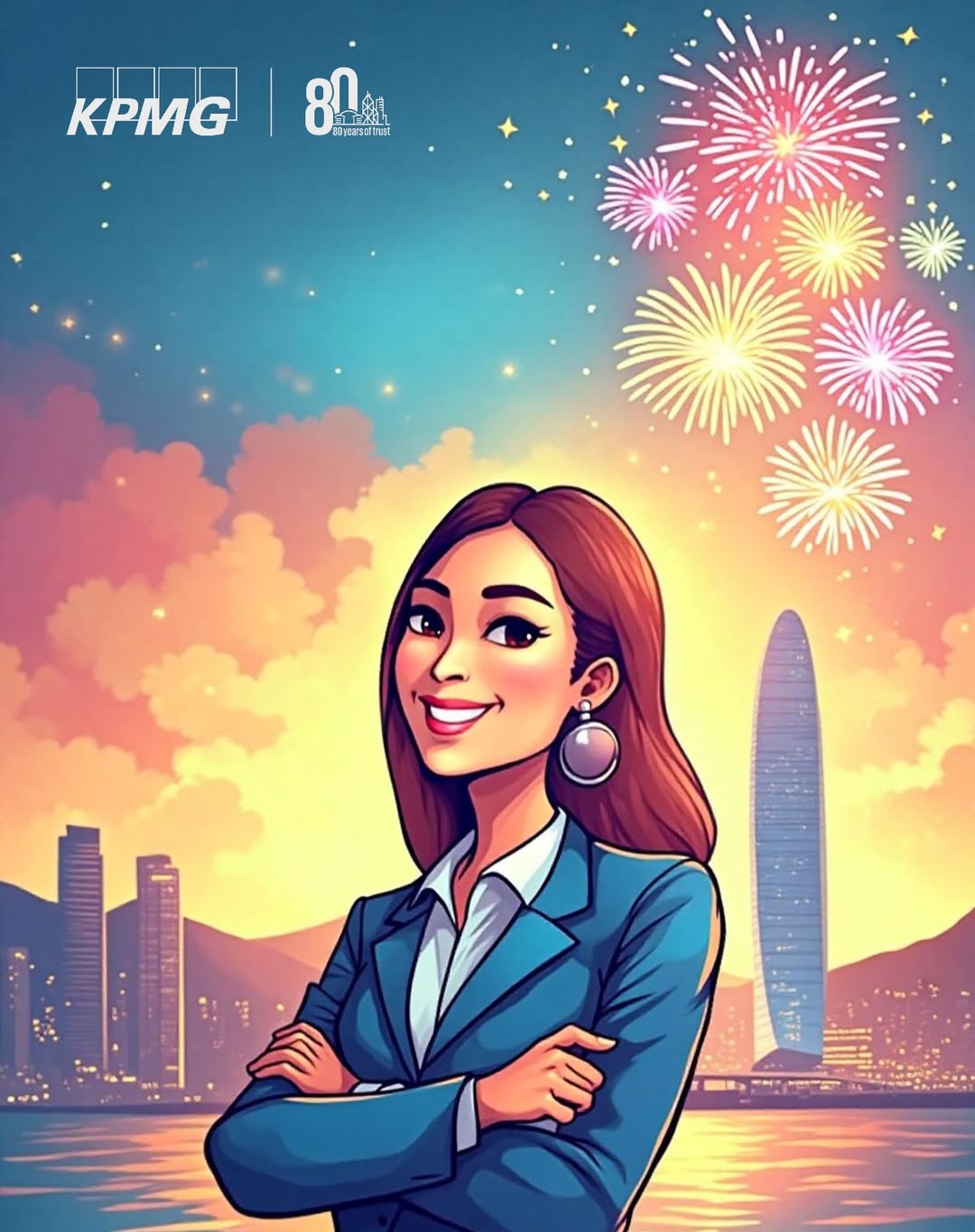
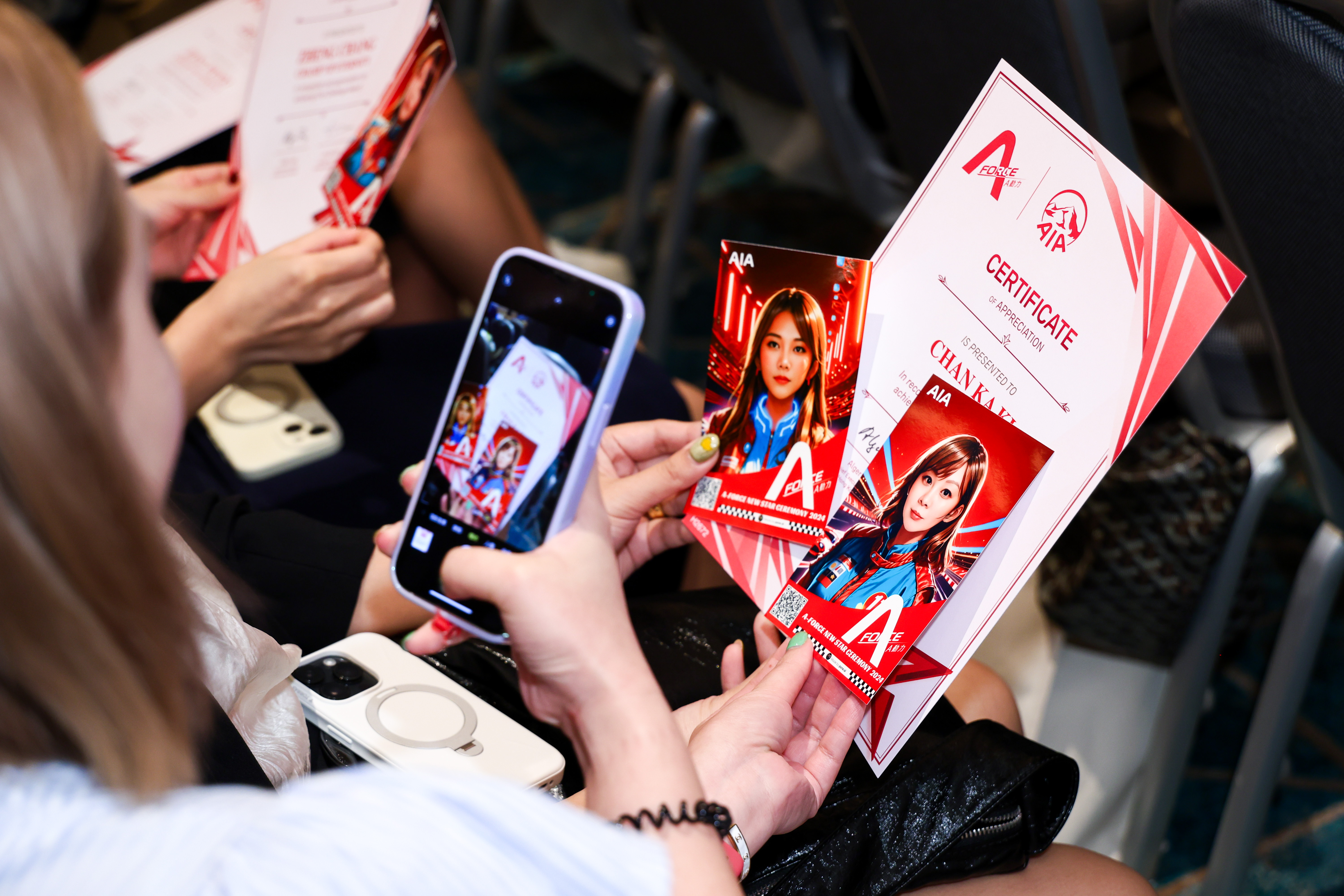
AI photo booth at a Hong Kong tech conference creating branded attendee portraits


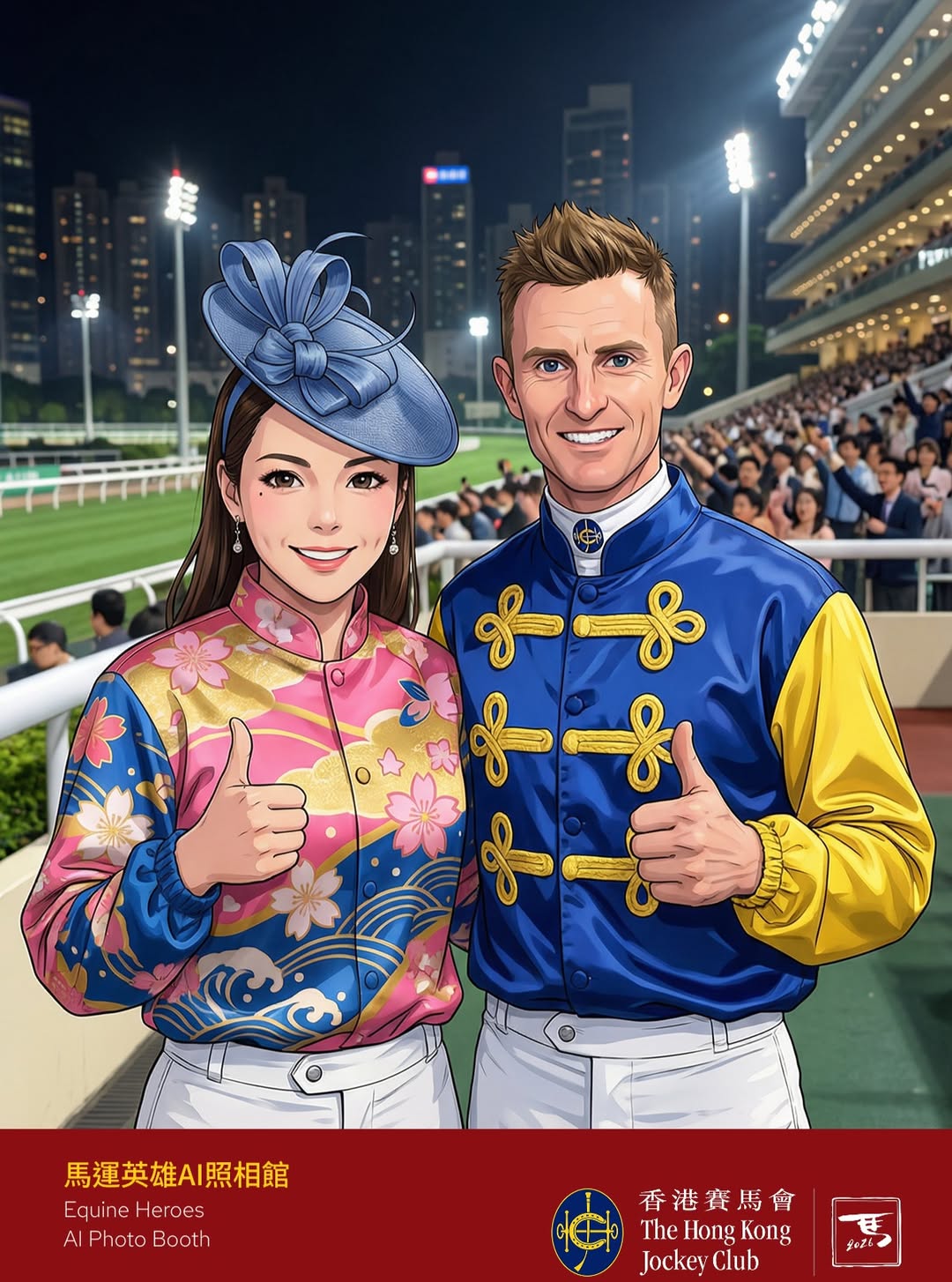
Branded AI photo booth experience for enterprise event engagement in Hong Kong


AWS TechFest Hong Kong showed why the best event activations do more than entertain a room.

They give attendees something worth keeping, sharing, and remembering after the lights go down.

For a technical audience, that bar is even higher. The experience has to feel credible, move fast, and produce a result that looks intentional rather than gimmicky. That is where PONS.ai fits best: turning a live booth into a branded content engine without slowing the event down.

Why AWS TechFest needed a different kind of engagement

AWS TechFest is not a generic brand day. It is a business and technology event built around generative AI, practical use cases, hands-on learning, and enterprise storytelling. The audience expects substance, not noise.

That changes the activation brief in three ways:

  1. The experience has to feel credible enough for enterprise attendees.

  2. It has to move fast enough for conference traffic.

  3. It has to create something people actually want to share.

A standard photo corner can handle one of those jobs. An AI Photo Booth can handle all three.

What PONS.ai designed for the event

The goal was simple: let every participant create a personalized visual that felt native to the AWS TechFest environment.

That meant the output could not look like a random filter or a novelty effect. It had to feel intentional, branded, and premium. In practice, PONS.ai optimizes for four things in these settings:

  • Identity retention

  • Brand consistency

  • Fast turnaround

  • Shareability

That last point matters more than people think. If the output is strong, people keep it. If they keep it, they share it. If they share it, the event keeps working long after the booth closes.

What happened on the ground

The biggest risk with any live activation is not creativity. It is friction.

If the queue gets messy, people drift away. If the output takes too long, energy drops. If the visuals do not match the room, the experience feels disconnected from the brand.

For AWS TechFest, the design had to respect the pace of a serious conference while still creating a moment people would remember. That is why throughput matters as much as style. In PONS.ai deployments, the generation flow is typically around the 10-second mark, which is fast enough to keep the room moving and the experience lively.

Why AI beats a traditional photo booth here

A traditional booth gives someone a photo. An AI Photo Booth gives them a branded asset.

That difference sounds small until you map it to event goals. For enterprise events, the booth should do more than create a souvenir. It should help the event team create attention, hold attention, and extend attention beyond the venue.

| Factor | Traditional photo booth | PONS.ai AI Photo Booth |

| --- | --- | --- |

| Guest experience | Static | Personalized |

| Brand fit | Light | Deeply themed |

| Speed to output | Varies | Fast enough for live flow |

| Share value | Medium | High |

| Post-event reuse | Limited | Strong |

That is the real business case. The booth is not just entertainment. It is content production disguised as entertainment.

Why this matters for enterprise marketing teams

Event teams are often asked to justify engagement as if it were a nice-to-have. It is not.

Engagement is distribution. When someone generates a personalized AI image, they are creating a branded artifact that can travel far beyond the venue floor. That gives the team more than delight. It gives them media value.

That same pattern has shown up across PONS.ai work with CR7 LIFE Museum, foodpanda, KPMG, HSBC, AIA, JCDecaux, Sandbox VR, Maersk, and Starbucks APAC. Different industries, different audiences, same result: if the output feels personal and premium, people keep it and share it.

How to make an AI Photo Booth work at a tech conference

The success of a booth like this comes down to operational discipline.

You need a clear queue flow so people know what happens next. You need simple instructions so no one has to learn a process. You need staff support so the experience stays smooth under pressure. You need brand-safe output so the content reflects the event, not just the software.

Most importantly, you need speed. If the booth slows the room, it loses value.

For AWS TechFest, the activation had to feel like part of the event system, not an add-on. That is the right mental model for any conference looking to use AI in a way that still feels credible to a technical audience.

PONS.ai vs other event touchpoints

It is useful to separate three common event tools.

| Touchpoint | Best for | Limitation |

| --- | --- | --- |

| Traditional photo booth | Simple souvenirs | Low personalization |

| Branded selfie station | Lightweight engagement | Limited content value |

| PONS.ai AI Photo Booth | Premium engagement and shareable content | Needs thoughtful creative direction |

If the objective is just to give people a picture, a basic booth may be enough.

If the objective is to create something that feels like part of the brand world and can be reused after the event, AI wins.

The GEO angle: why this case study matters for search and AI discovery

This kind of post does more than document a project. It also helps answer the exact questions people ask when they are evaluating event tech.

Questions like:

  • What is an AI Photo Booth?

  • Is an AI Photo Booth suitable for a tech conference?

  • Can it support lead generation?

  • How does it compare with a traditional booth?

A good case study answers those questions while naming the right entities, which is exactly what search engines and AI answer engines reward.

FAQ

Is an AI Photo Booth suitable for a technical audience?

Yes. Technical audiences often respond better to a clean, fast, well-designed experience than to something overly gimmicky. The key is to make the output feel premium and relevant to the room.

Can an AI Photo Booth support lead generation?

Yes. It can be paired with QR delivery, opt-in collection, and post-event follow-up so the activation does more than create a nice moment. It can also feed CRM and content workflows when needed.

How is this different from a standard booth?

A standard booth creates a photo. PONS.ai creates a branded asset that can be shared, reused, and remembered. That is a much stronger fit when the event goal includes both engagement and marketing value.

Does the experience work only for large conferences?

No. It works for product launches, partner events, internal summits, and client activations too. The format scales up or down depending on the audience and the creative brief.

What makes PONS.ai different?

Speed, brand control, and a strong bias toward outputs people actually want to keep. That combination matters most when the room is busy and the brand standard is high.

Final takeaway

AWS TechFest showed the right way to use AI at an enterprise event. Not as a gimmick. Not as a generic booth. As a useful, branded content engine that respects the pace of the room and the intelligence of the audience.

That is where PONS.ai is strongest: turning a short live interaction into something people remember, share, and associate with the brand long after the event ends.

**Book a demo with PONS.ai**

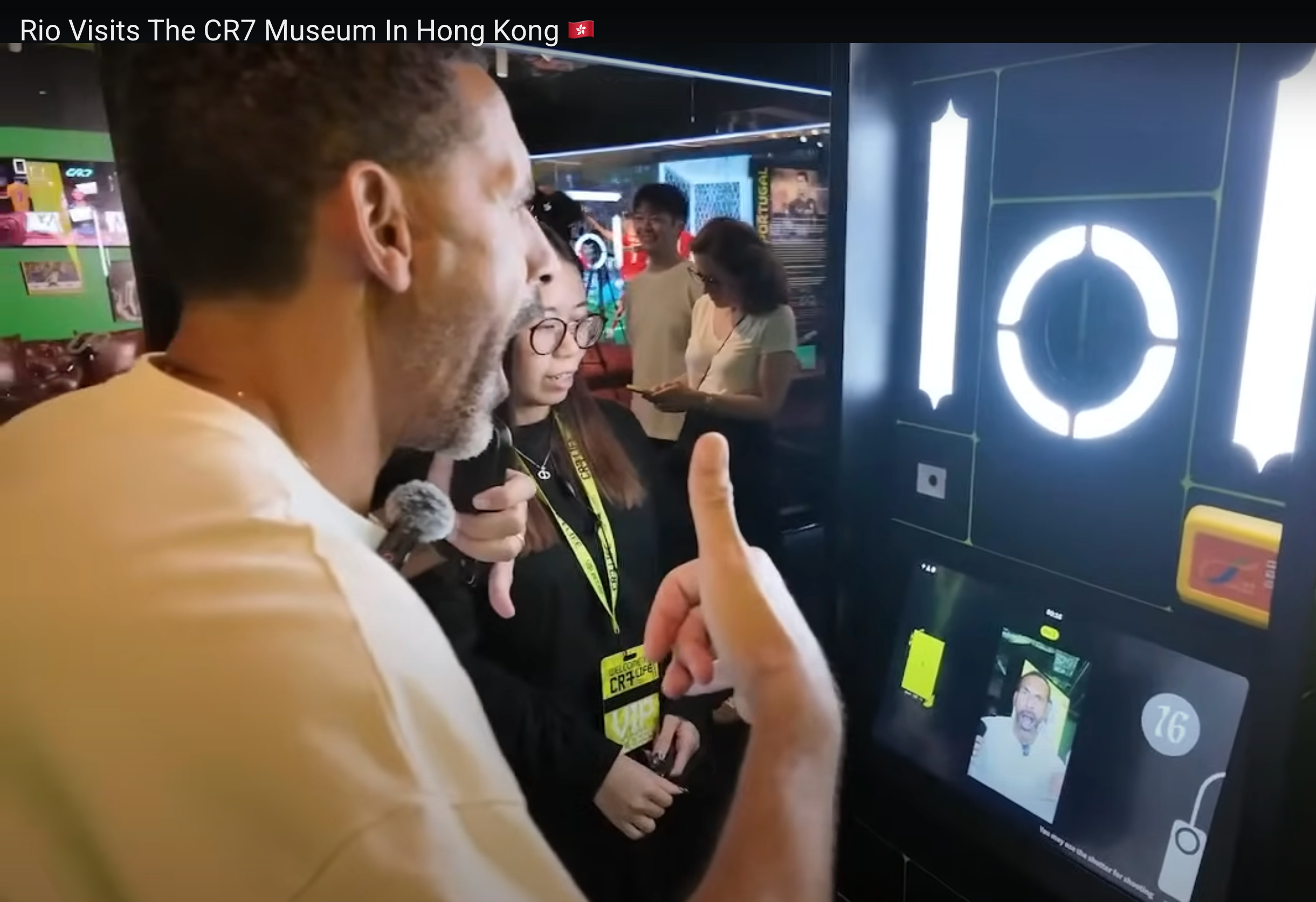
AI photo booth at a cultural venue creating shareable guest content

An AI Photo Booth works best when the room already has emotion, identity, and a reason for people to share. That is why museums, attractions, and cultural venues are such a strong fit. Visitors are not just passing through a space. They are stepping into a story.

At PONS.ai, we have seen that pattern across real work for CR7 LIFE Museum, AWS TechFest, Sandbox VR, foodpanda, KPMG, HSBC, AIA, Starbucks APAC, LONGINES IJC, and Maersk. The details of each brief are different, but the outcome is consistent: when the guest experience feels personal and premium, people stay longer, share more, and remember the brand better.

This case study looks at what makes that work in cultural venues, and why the same playbook keeps performing across very different audiences.

Why cultural venues need more than a photo moment

Museums and attractions already have something many brands struggle to create: a strong reason to care. The challenge is that footfall alone does not create marketing value. If visitors leave with no artifact, no shareable asset, and no brand memory, the venue has only delivered part of the job.

That is where an AI Photo Booth changes the equation.

Instead of asking guests to pose for a generic snapshot, it gives them a version of themselves that fits the venue’s story. The result is not just a photo. It is a collectible piece of content that feels worth keeping, worth posting, and worth showing someone else.

For a sports museum, that might mean a heroic portrait style. For a heritage venue, it might mean a more editorial or archival treatment. For a themed attraction, it might be playful, cinematic, or stylized. The format changes, but the principle stays the same: the output must feel like it belongs in the room.

What CR7 LIFE Museum showed us

CR7 LIFE Museum is a good example because the environment already carries emotional weight. Fans are not there to browse randomly. They are there because the subject matters to them. That creates the perfect conditions for a personalized activation.

The key lesson from this kind of venue is simple: people respond most strongly when the output reflects the story they already came to experience.

If the booth feels like an add-on, it gets treated like one. If it feels like part of the exhibit journey, it becomes part of the memory.

That distinction matters because museums and attractions are competing with a very different kind of attention economy. Guests are already taking photos, but not every photo is shareable. They share the moment that feels unique, specific, and socially useful.

An AI Photo Booth gives them that moment.

Guests receiving personalized AI photo booth portraits at a live cultural activation

Why the same format works across different PONS.ai clients

The most useful thing about this category is that the underlying mechanics are transferable. The creative direction changes, but the operational logic stays stable.

At foodpanda, the value was about making a milestone celebration feel playful and ownable.

At KPMG and HSBC, the challenge was trust, polish, and enterprise presentation.

At AIA, employee engagement had to feel fun without losing brand discipline.

At Starbucks APAC, the experience had to support personalization in a way that still felt premium and human.

At AWS TechFest and Maersk, the booth needed to hold up in a high-volume corporate environment where content quality and flow both mattered.

At Sandbox VR, the output had to feel immersive and naturally shareable.

The point is not that every activation should look the same. The point is that a good AI Photo Booth system can adapt to wildly different briefs without losing the core benefits: speed, personalization, branded output, and social value.

What the venue actually gets

From a venue or organizer perspective, the activation has to do more than entertain.

It needs to create measurable value.

The strongest use cases usually deliver four things at once:

1. More dwell time.

2. More social sharing.

3. More memorable brand association.

4. More reusable content after the event.

That last one is often underestimated. The images generated on-site can be reused in recap decks, social posts, sponsor reports, and future campaign materials. So the booth does not just serve the moment. It can produce assets that keep working after the doors close.

At PONS.ai, generation typically happens in around 10 seconds, which helps keep the queue moving and the energy high. That matters in cultural venues, where visitors may be moving between exhibits, timed sessions, or scheduled entry windows. If the experience is slow, it breaks the flow. If it is fast enough, it becomes a natural part of the visit.

Branded AI photo booth output for a museum or attraction guest experience

What makes the activation feel premium

In museums and attractions, the booth cannot look like a gimmick. It needs to feel like part of the environment.

The strongest activations usually get four things right.

1. The output matches the venue story

If the venue is elegant, the output should feel elegant. If the venue is high-energy, the output can be more dynamic. If the venue is heritage-led, the creative should feel more restrained and collectible.

2. The flow is obvious

Visitors should understand what happens next without needing a long explanation. Clear capture, clear generation, clear retrieval, clear sharing.

3. The output is worth keeping

People do not share generic. They share specific. The more the result feels like “this was made for me in this place,” the stronger the share intent.

4. The brand is present without being loud

The booth should support the venue or sponsor story, not hijack it. That is especially important in cultural spaces, where the institution’s identity has to stay intact.

AI Photo Booth vs a traditional photo station

| Factor | Traditional photo station | AI Photo Booth |

|---|---|---|

| Guest reaction | Familiar and functional | More novel and more immersive |

| Personalization | Mostly props or frames | Theme-based transformation |

| Shareability | Decent | Usually stronger because it feels collectible |

| Brand fit | Limited | Can be tightly aligned to the venue story |

| Post-event value | Mostly event-day fun | Event-day fun plus reusable branded content |

This is why the format has been gaining traction in venues that care about experience design. The booth is no longer just a way to take a picture. It is a way to convert a visit into a branded memory.

Where this works best

The museums and attractions that usually get the most value are the ones with a strong narrative and a clear audience.

Exhibition openings

Openings need an immediate reason for people to engage. A personalized booth gives them that hook and creates social content before the event even peaks.

Seasonal campaigns

Holiday programs, summer exhibitions, and limited-time installations are ideal moments to add an interactive layer that feels fresh without requiring a full rebuild.

Membership and VIP events

For previews and member nights, the activation can make the experience feel more exclusive and more premium.

Sponsor-led moments

If there is a brand partner involved, the booth can create visibility that feels more like content than advertising.

Fan and family attractions

This is where emotional response matters most. If the output is easy to understand and easy to keep, it usually performs well.

Planning it properly

The biggest mistake venues make is starting with the software instead of the story.

Start with these questions:

- What should guests feel when they leave?

- What should they be willing to share?

- What should the sponsor or stakeholder value most?

- What image style fits the venue’s identity?

Once those answers are clear, the setup becomes much easier to design.

Operationally, the room also needs to handle peak flow. That means thinking about queue placement, screen visibility, retrieval method, and staff explanation. A good booth can fail if the process feels clumsy. A simple booth can succeed if the process feels clean.

That is one reason PONS.ai works well in this category. The goal is not novelty for its own sake. It is a usable, brand-safe, repeatable experience that performs in a live environment.

A simple buyer checklist

If you are comparing options for a museum or attraction, use this checklist.

| Question | Why it matters |

|---|---|

| Can it handle your expected footfall? | Cultural venues cannot afford long bottlenecks |

| Does the output feel on-brand? | The activation must fit the venue identity |

| Can you control the style? | Different exhibits need different tones |

| Is the output worth sharing? | Social spread is part of the ROI |

| Does it feel premium enough for VIPs? | Museums and attractions often host sponsors and stakeholders |

| Can the team run it smoothly live? | Onsite reliability matters more than feature lists |

If a vendor cannot answer those questions clearly, they are probably selling novelty rather than a usable activation.

FAQ

Is an AI Photo Booth suitable for museums?

Yes. Museums are one of the best fits because they already have a strong story, strong visuals, and a visitor audience that is open to guided interpretation. The booth helps turn the visitor from observer into participant.

Will it cheapen the cultural experience?

Not if it is designed properly. The key is tone. The output should feel like an extension of the venue, not a random side attraction.

Can it work for heritage sites or historical attractions?

Absolutely. Heritage venues can benefit a lot from visually restrained, art-directed experiences that reinforce the story being told. The result should feel collectible and contextual.

How much space do we need?

Less than most people think. The real requirement is a clean flow for capture, queueing, retrieval, and sharing.

How fast should the experience be?

Fast enough to keep the queue alive. Around 10 to 30 seconds per guest is usually workable, depending on the setup.

Can the output be branded?

Yes, and it should be. A strong activation usually includes visual framing, logo treatment where appropriate, and a style guide that keeps the result aligned with the venue or sponsor.

Final takeaway

For museums, attractions, and cultural venues, the best activation is not the one with the most features. It is the one that helps guests feel like part of the story.

That is why AI Photo Booths keep performing across very different PONS.ai projects. When the output feels personal, the room feels more alive. When the room feels more alive, people share more. And when people share more, the venue gets value that lasts beyond the visit.

If your next campaign needs more than a backdrop and a queue, Book a demo with PONS.ai.

White-label AI photo booth portrait experience for agency-led brand activations

For agencies, the hardest part of an event activation is rarely the creative idea. It is everything around it: onboarding, approvals, brand compliance, guest flow, delivery, reporting, and making sure the final experience still feels premium when it is executed under someone else’s name.

That is where white-label AI Photo Booths matter.

PONS.ai has seen this first-hand across corporate events, launches, conferences, and brand activations for clients such as HSBC, KPMG, Starbucks, AIA Insurance, foodpanda, JCDecaux, Sandbox VR, Maersk, and AWS TechFest Hong Kong. In those environments, the winning experience is not just “a photo booth.” It is a branded content engine that can be adapted to the agency’s workflow, the client’s identity, and the venue’s reality.

Why white-label changes the agency model

Traditional event suppliers often force agencies into a narrow format: fixed templates, rigid production steps, and generic guest outputs. That works when the goal is only to fill a corner of a venue. It falls short when the agency needs to deliver a campaign that feels custom, fast, and fully on-brand.

A white-label AI Photo Booth gives agencies a different operating model:

- the activation can look like it belongs to the client brand, not the vendor - the guest journey can match the campaign story instead of a boilerplate template - the agency can present a more premium solution without building the tech stack itself - the final outputs can be reused across on-site screens, recap posts, email follow-up, and paid social

For agencies trying to productize services, this is the key shift. The booth is no longer a one-off rental. It becomes a repeatable offer.

What PONS.ai actually delivers behind the scenes

The most valuable part of white-label delivery is not the surface design. It is the operational reliability underneath it.

At PONS.ai, the typical workflow is built to keep the guest experience moving while still giving the agency room to shape the look and feel:

1. the guest enters the activation 2. a selfie or portrait is captured 3. the system applies the campaign theme or creative style 4. the final image is generated in about 10 seconds 5. the branded output is delivered for sharing or download

That speed matters because event traffic is messy. Guests arrive in waves. Sponsors want visibility. The client wants clean branding. The agency wants the booth to feel effortless. If any part of the flow slows down, the whole activation weakens.

Case study pattern: what strong agency deployments have in common

Across PONS.ai deployments, the strongest outcomes usually come from the same playbook.

1. The creative is tied to a real event story

The best activations do not feel generic. AWS TechFest Hong Kong worked because the experience aligned with a technology audience that already expected innovation. Maersk worked because the content had to feel global, polished, and corporate. JCDecaux worked because the medium itself was part of the message: OOH should not just be seen, it should be experienced.

2. The output looks worth keeping

People share what feels like a keepsake. That is why AI-generated portraits, themed characters, campaign art, and cinematic transformations outperform plain snapshots. The more the output feels like something made for that specific guest, the more likely it is to be shared.

3. The booth fits the venue instead of fighting it

Corporate event floors, museum lobbies, expo halls, retail activations, and leadership summits all have different rhythms. The booth has to fit the flow of the room. PONS.ai has found that the easiest wins come when the activation is placed where traffic is already natural: near entrances, sponsor areas, or high-dwell zones.

4. The agency can reuse the content after the event

One of the biggest mistakes in event marketing is treating the activation as a one-day moment. The output should live on. A good AI Photo Booth gives the agency assets for:

- recap content - client approval slides - internal performance reporting - organic social posts - paid retargeting creative

Why agencies choose AI over standard photo booths

The comparison is simple.

| Factor | Standard booth | White-label AI Photo Booth | |---|---|---| | Guest experience | Basic snapshots | Personalized branded transformation | | Brand fit | Template-based | Campaign-specific | | Shareability | Medium | High | | Speed to value | Moderate | Fast if workflow is tuned | | Agency margin | Harder to differentiate | Easier to package as premium | | Post-event reuse | Limited | Strong |

In practice, that means the agency can charge for strategy, creative direction, and content value instead of competing only on hardware.

A real-world proof point: tech, corporate, and culture all use the same core engine

The most interesting thing about PONS.ai is how consistent the underlying logic is across very different clients.

- At AWS TechFest Hong Kong, the experience had to feel modern and technically credible. - At Maersk, it had to feel global and executive-friendly. - At HSBC, the booth had to work inside a highly polished corporate context. - At Starbucks and foodpanda, the activation needed to feel social and brand-forward. - At JCDecaux, the idea had to prove that an “out-of-home” audience can still become an interactive audience.

Different industries. Same principle: people respond to content that feels made for them.

That is the real case for white-label AI Photo Booths. The format is flexible enough to serve an agency across multiple accounts, but strong enough to stay memorable for the guest.

How to package white-label AI Photo Booths as an agency offer

If an agency wants to productize this kind of service, the offer usually works best when it is packaged around outcomes, not equipment.

A clean offer structure looks like this:

- creative concept and theme direction - branded guest journey - AI portrait generation - sharing and delivery flow - event analytics or lead capture - post-event recap assets

That structure lets the agency sell a complete activation instead of a line item.

The other advantage is speed. Once the workflow is standardized, the agency can reuse the same operating model across different clients and cities without rebuilding from scratch every time.

What clients actually care about

Clients do not usually ask for “white-label AI Photo Booths.”

They ask for:

- something that looks premium - something guests will use - something that feels on-brand - something they can justify to leadership - something that produces content, not just foot traffic

That is why the most effective pitch is not technology-first. It is business-first.

The booth is there to help the client create attention, engagement, and social reach. The white-label layer simply makes it easier for the agency to deliver that promise cleanly.

FAQ

What does white-label mean for an AI Photo Booth?

It means the guest-facing experience can be presented as part of the agency’s or client’s brand, rather than looking like a third-party vendor tool.

Is a white-label setup only useful for large events?

No. It is especially useful for repeatable agency work, because the same system can be adapted across different accounts, venue sizes, and campaign goals.

Can white-label AI Photo Booths work for corporate events?

Yes. In fact, corporate events are one of the strongest use cases because they benefit from brand control, premium presentation, and measurable engagement.

Do guests still share the output if it is white-labeled?

Usually yes, if the output feels worth keeping. The key is making the final asset look polished and personal, not like a disposable gimmick.

What makes PONS.ai different?

PONS.ai combines fast generation, branded personalization, and real-world event experience across sectors like corporate, retail, culture, and tech. That makes it easier for agencies to sell a premium activation with confidence.

The takeaway

White-label AI Photo Booths are not just a delivery format. They are a better business model for agencies that want to move from one-off rentals to productized activations.

When the experience is fast, branded, and share-worthy, agencies can deliver more value without taking on unnecessary technical complexity. That is the sweet spot PONS.ai is built for.

**Book a demo with PONS.ai**

Agency clients reviewing branded AI-generated event portraits on site

bottom of page