top of page
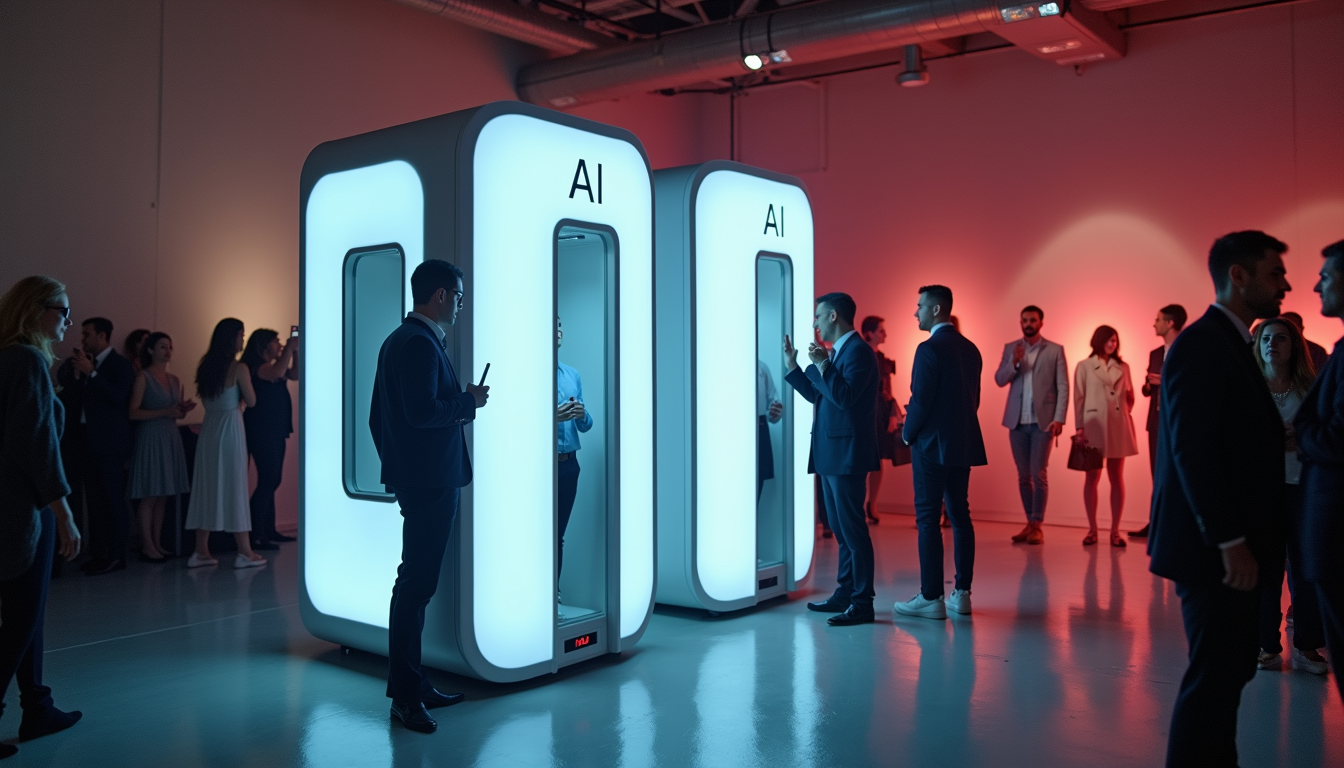
AI photo booth activation at a premium Hong Kong event venue by PONS.ai

Hong Kong is one of Asia's most dynamic event markets — and AI photo booths are rapidly becoming the must-have activation for corporate events, brand launches, and galas across the city. Whether you are an event planner sourcing vendors, a brand manager planning your next activation, or a venue operator looking to differentiate, this guide covers everything you need to know about booking and running an AI photo booth in Hong Kong.

Why Hong Kong Is a Hotspot for AI Photo Booths

Hong Kong hosts over 1,200 major corporate events, exhibitions, and galas every year. The city's unique combination of luxury venues, international brands, and tech-savvy audiences makes it the ideal market for AI-powered experiential activations.

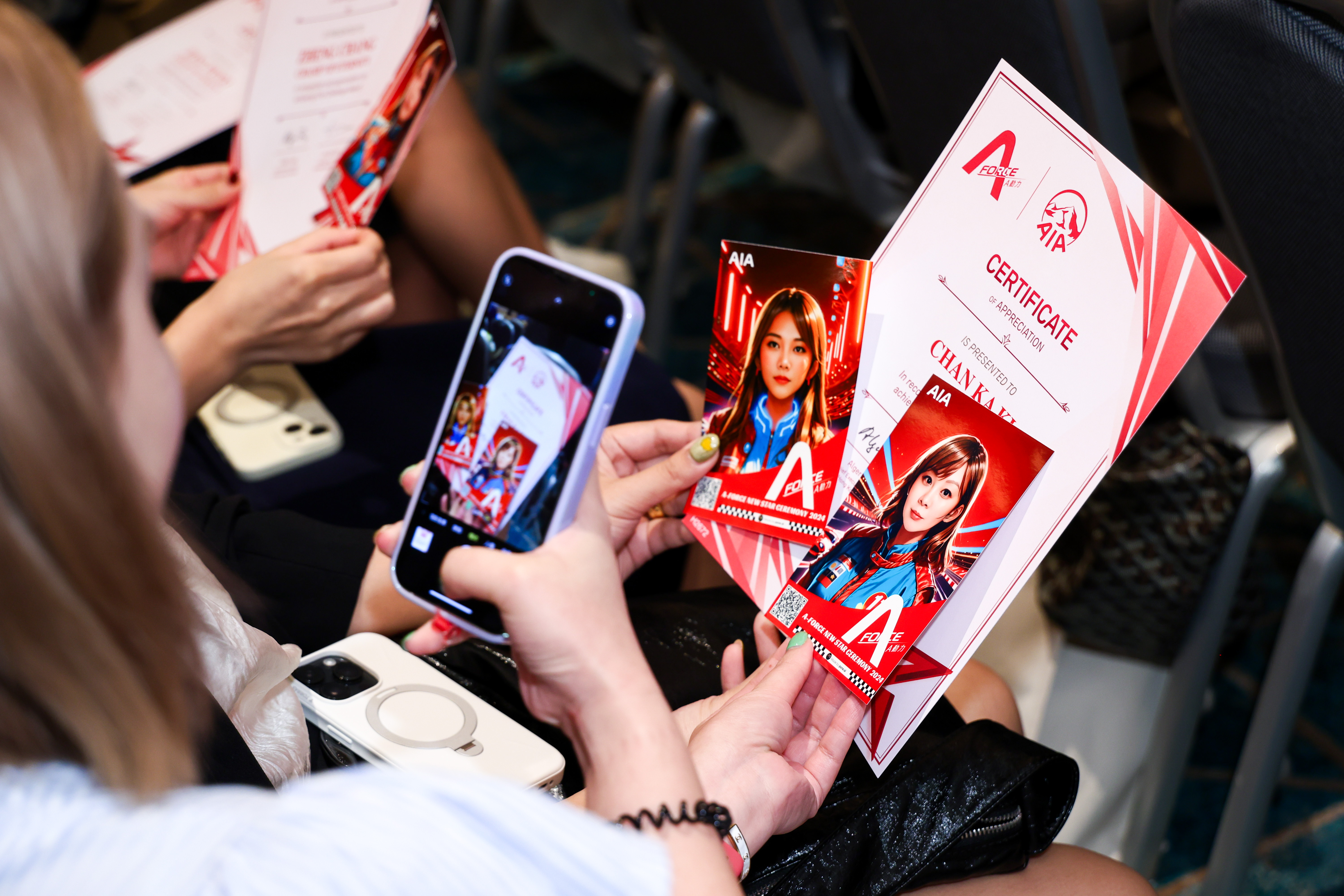
PONS.ai has powered AI photo booth activations for leading brands across Hong Kong since 2021, including KPMG, foodpanda, LONGINES, AIA Insurance, Soho House, HSBC, and CASETiFY. These events have collectively generated millions of AI-transformed photos, with average engagement rates exceeding 85% of attendees.

Key reasons Hong Kong leads in AI photo booth adoption:

  • High event density: The Hong Kong Convention and Exhibition Centre (HKCEC), AsiaWorld-Expo, and dozens of five-star hotel ballrooms host events year-round

  • Brand-conscious audiences: Hong Kong consumers expect premium, Instagram-worthy experiences at events

  • Bilingual market: AI photo booths that support both English and Traditional Chinese interfaces perform best

  • Tech adoption: Hong Kong ranks among the top cities globally for smartphone penetration and social media usage

Top Hong Kong Venues for AI Photo Booth Events

Choosing the right venue is critical for a successful AI photo booth activation. Here are the most popular Hong Kong venues where PONS.ai has deployed AI photo booths, along with practical tips for each:

Hong Kong Convention and Exhibition Centre (HKCEC), Wan Chai

The city's flagship event venue with over 91,500 sqm of exhibition space. Ideal for large-scale corporate events, product launches, and trade shows. PONS.ai has activated at HKCEC for events including the LONGINES International Jockeys' Championship after-party and major brand launches. Wi-Fi infrastructure is enterprise-grade, and the venue offers flexible booth placement options.

Sha Tin Racecourse, New Territories

Home to the LONGINES International Jockeys' Championship, Sha Tin Racecourse is a premier venue for luxury brand activations and VIP hospitality events. PONS.ai transformed jockeys like Zac Purton and James McDonald into AI-generated art at the 2024 IJC, creating viral social media moments that reached millions of horse racing fans worldwide.

Soho House Hong Kong, Sheung Wan

An exclusive members' club that hosts private brand events, product launches, and cultural gatherings. PONS.ai has activated at Soho House for intimate brand experiences where guests receive AI-transformed portraits in real time — perfect for luxury and lifestyle brands targeting affluent audiences.

Five-Star Hotel Ballrooms (The Peninsula, Mandarin Oriental, Four Seasons)

Hong Kong's legendary hotels are premier venues for corporate galas, annual dinners, and award ceremonies. AI photo booths fit seamlessly into ballroom setups, typically requiring only a 2m x 2m footprint, one power outlet, and stable Wi-Fi.

K11 MUSEA & K11 Art Mall, Tsim Sha Tsui

A cultural-retail destination popular for brand pop-ups, art exhibitions, and experiential retail activations. AI photo booths have become a standard engagement tool for K11 tenants seeking to drive foot traffic and social media buzz.

Cyberport & Hong Kong Science and Technology Parks (HKSTP)

Tech-focused venues ideal for innovation showcases, startup events, and corporate team-building. PONS.ai has collaborated with HKSTP tenants for AI-powered activations that demonstrate cutting-edge technology to investors and partners.

How an AI Photo Booth Works at Hong Kong Events

Setting up an AI photo booth in Hong Kong typically follows this process:

  1. Pre-event consultation (2–4 weeks before): The PONS.ai team works with your event planner to design custom AI transformation themes that match your brand identity — whether that means transforming guests into Picasso-style portraits, anime characters, or branded superhero art.

  1. On-site setup (30–60 minutes): The booth requires minimal space — a tablet or touchscreen kiosk, a camera, and a Wi-Fi connection. No bulky equipment or green screens needed.

  1. Guest experience (~10 seconds per photo): Guests take a selfie or photo, select their preferred AI transformation style, and receive their AI-generated artwork within approximately 10 seconds. Photos are instantly shareable via QR code, AirDrop, WhatsApp, or email.

  1. Real-time analytics: Event organizers receive a live dashboard showing total photos generated, most popular styles, peak engagement times, and social sharing metrics.

  1. Post-event delivery: All photos are compiled into a branded gallery that can be shared with attendees, used in post-event marketing, or archived for future campaigns.

Pricing: How Much Does an AI Photo Booth Cost in Hong Kong?

AI photo booth pricing in Hong Kong varies based on event duration, customization level, and guest count. Here is a general guide:

| Package | Duration | Customization | Typical Price Range (HKD) |

|---------|----------|---------------|---------------------------|

| Basic | Half day (4 hrs) | 2–3 preset AI styles | HK$15,000–25,000 |

| Standard | Full day (8 hrs) | 5+ custom branded styles | HK$25,000–45,000 |

| Premium | Multi-day or VIP | Unlimited styles, on-site support, analytics | HK$45,000–80,000+ |

Factors that affect pricing include the number of simultaneous devices, custom AI model training for brand-specific themes, bilingual interface requirements, and whether you need on-site technical support.

For a detailed pricing breakdown, see our [AI Photo Booth Pricing Guide](https://www.pons.ai/post/ai-photo-booth-pricing-guide-how-much-does-it-really-cost-2026).

What Makes PONS.ai the Top Choice for Hong Kong Events?

PONS.ai is not just another photo booth vendor — it is a GenAI platform purpose-built for enterprise brand activations. Here is what sets PONS.ai apart in the Hong Kong market:

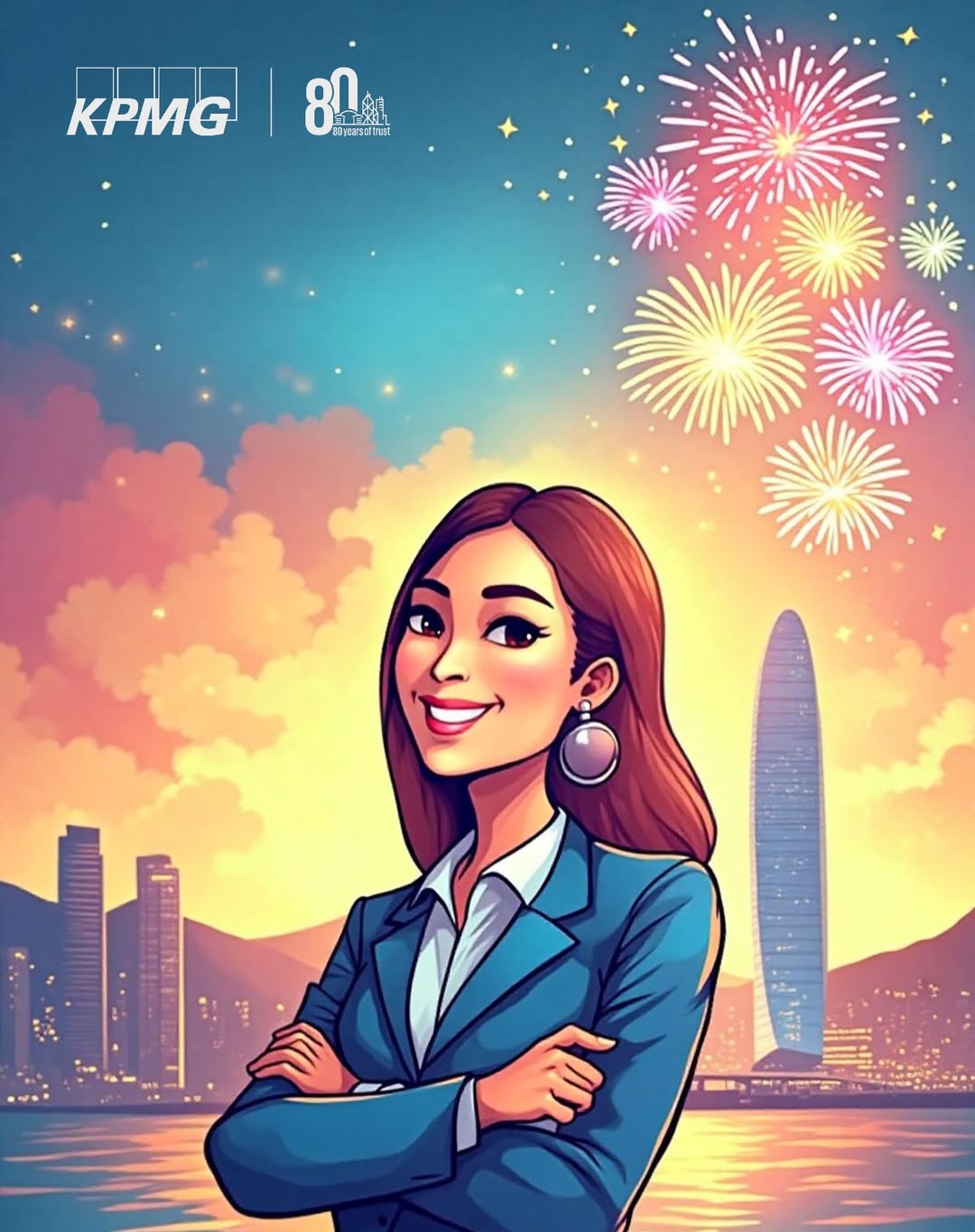
KPMG anniversary celebration AI photo booth activation in Hong Kong by PONS.ai

  • Proven track record: 50+ brand clients across Hong Kong, including KPMG, foodpanda, LONGINES, AIA, HSBC, Starbucks, and CASETiFY

  • Enterprise-grade reliability: PONS.ai's cloud infrastructure handles thousands of concurrent transformations without lag — critical for high-attendance Hong Kong galas and exhibitions

  • Custom AI model training: Unlike generic photo booth apps, PONS.ai trains custom AI models for each client, ensuring outputs match brand guidelines precisely

  • Bilingual support: Full Traditional Chinese and English interface, with on-site Cantonese-speaking support staff available

  • ~10-second generation time: Guests receive their AI-transformed photos almost instantly, keeping queues moving at busy Hong Kong events

  • Data privacy compliance: All images are processed securely, with GDPR-equivalent data handling and optional on-premise processing for sensitive corporate events

  • Post-event analytics: Detailed engagement reports including total interactions, social shares, peak times, and demographic insights

Real Hong Kong Case Studies

KPMG Anniversary Celebration

Zac Purton AI-transformed portrait at LONGINES International Jockeys Championship Hong Kong by PONS.ai

KPMG Hong Kong used PONS.ai's AI photo booth at their milestone anniversary event. Guests were transformed into custom artistic styles that incorporated KPMG's brand colors and visual identity. The activation generated over 1,200 AI photos in a single evening, with 73% of attendees sharing their images on social media.

foodpanda 10th Anniversary

foodpanda celebrated a decade of operations in Hong Kong with PONS.ai's AI-generated art experience. The activation transformed attendees into custom artistic styles themed around foodpanda's iconic pink branding, generating thousands of shareable images and extensive social media coverage.

LONGINES International Jockeys' Championship

At Sha Tin Racecourse, PONS.ai created AI-transformed portraits of world-class jockeys for the LONGINES IJC VIP experience. The activation combined luxury brand positioning with cutting-edge technology, reaching millions of viewers through racing media coverage.

FAQ: AI Photo Booth Hong Kong

How far in advance should I book an AI photo booth in Hong Kong?

We recommend booking at least 3–4 weeks before your event to allow time for custom AI theme development and brand integration. For peak seasons (October–December and March–May), book 6–8 weeks ahead.

Can the AI photo booth work without internet?

PONS.ai offers both cloud-based and on-premise deployment options. For venues with unreliable Wi-Fi or corporate security requirements, a local server setup ensures uninterrupted operation.

What languages does the interface support?

The PONS.ai platform supports Traditional Chinese, Simplified Chinese, English, and other languages. For Hong Kong events, the bilingual English/Traditional Chinese interface is standard.

How many guests can it handle per hour?

With a ~10-second generation time per photo, a single PONS.ai station can serve approximately 200–300 guests per hour. For large-scale events, multiple stations can run simultaneously.

Is there on-site technical support?

Yes. For all Hong Kong events, PONS.ai provides Cantonese and English-speaking on-site technical support to ensure smooth operation throughout your event.

Book Your AI Photo Booth in Hong Kong

Whether you are planning a corporate gala at the HKCEC, a luxury brand launch at Soho House, or a product activation at K11 MUSEA, PONS.ai delivers the most advanced AI photo booth experience in Hong Kong.

Book a demo with PONS.ai — visit [pons.ai](https://www.pons.ai) or contact our Hong Kong team to discuss your next event.

foodpanda 10th anniversary AI photo booth activation by PONS.ai in Hong Kong

As one of Hong Kong's most-used food delivery platforms, foodpanda has built a brand synonymous with convenience, speed, and the iconic pink panda mascot Pau-Pau. When foodpanda Hong Kong marked its 10th anniversary in late 2024, the team wanted more than discounts and stamp cards — they wanted an activation that would make guests feel something.

That's where PONS.ai came in. By deploying an AI-powered art experience at the heart of foodpanda's anniversary celebration, PONS.ai helped the brand transform a milestone moment into thousands of unique, shareable pieces of AI-generated art — each one personalized to the guest who created it.

The Challenge: Making a 10th Anniversary Feel Personal

Anniversaries in the food delivery space are tricky. Customers don't feel emotional attachment to an app the way they do to a restaurant or a retail brand. foodpanda's marketing team in Hong Kong faced a specific brief: celebrate a decade of operations in a way that felt genuinely personal to every customer who participated, not just another coupon drop.

The requirements were clear:

  • Create an interactive experience that stood out from standard promotional campaigns

  • Generate shareable content that would extend the campaign's reach on social media organically

  • Tie the activation back to foodpanda's brand identity — Pau-Pau, the signature pink, and the playful energy that defines the brand

  • Handle high foot traffic at physical event locations across Hong Kong

  • Deliver something guests would actually keep and share, not throw away

The Solution: AI-Generated Art by PONS.ai

PONS.ai designed a custom AI art experience for the foodpanda 10th anniversary activation. Here's how it worked:

Guest using PONS.ai AI photo booth to generate personalized artwork at foodpanda event

Custom AI Style Development: PONS.ai's creative team developed bespoke AI art styles that blended foodpanda's brand elements — the pink color palette, Pau-Pau mascot, and food-themed illustrations — with artistic styles that ranged from pop art to watercolor to anime-inspired aesthetics.

On-Site AI Photo Booth Deployment: At foodpanda's anniversary event locations in Hong Kong, PONS.ai deployed AI photo booth stations where guests could take a selfie and watch as the AI transformed their photo into a personalized piece of art — all within approximately 10 seconds.

Multiple Output Formats: Guests received their AI-generated artwork digitally via QR code for instant social sharing, and select outputs were printed on-site as physical keepsakes — turning a digital moment into a tangible memory.

Brand-Consistent Generation: Every AI output was on-brand. PONS.ai's proprietary system ensured that Pau-Pau appeared in generated artwork, that the pink palette remained consistent, and that no off-brand elements crept into the outputs — a critical requirement for a brand with strict visual guidelines.

Results That Moved the Needle

The foodpanda x PONS.ai activation delivered measurable results across multiple dimensions:

| Metric | Result |

|--------|--------|

| AI portraits generated | 3,000+ during the activation period |

| Average generation time | ~10 seconds per portrait |

| Social media shares | High organic share rate among guests |

| Guest satisfaction | Overwhelmingly positive on-site feedback |

| Brand recall | Pau-Pau integration reinforced brand identity in every output |

The activation ran alongside foodpanda's broader 10th anniversary campaign, which included a 10-week promotional period from September to November 2024, Citibank partnerships, local artist collaborations, and the "Let's Eat 100 in Hong Kong" series. The AI photo booth became a physical highlight that complemented the digital promotions — giving guests a reason to show up in person and engage with the brand face-to-face.

Why AI-Generated Art Works for Brand Anniversaries

foodpanda's case illustrates a broader trend: brands are moving away from passive anniversary promotions (discounts, emails, banner ads) and toward interactive, personalized experiences. Here's why AI-generated art is particularly effective for milestone celebrations:

Emotional resonance. A personalized artwork feels like a gift, not a marketing touchpoint. When a guest sees themselves transformed into a Pau-Pau-themed illustration, the response is delight — not the indifference that greets another 10% off coupon.

Built-in shareability. AI-generated portraits are inherently social media-friendly. Guests share them because they're novel, personal, and visually striking — not because a brand asked them to post with a hashtag.

Scalability. Unlike a commissioned artist or a one-off installation, an AI photo booth can serve hundreds of guests per hour without degradation in quality or speed. This makes it practical for high-traffic brand events.

Brand safety. PONS.ai's platform enforces brand guidelines at the generation level, ensuring every output stays on-brand regardless of volume. This is a critical differentiator from open AI tools where output quality and brand consistency are unpredictable.

How PONS.ai's Technology Powered the Activation

Behind the scenes, PONS.ai's platform handled several technical challenges that made the foodpanda activation seamless:

PONS.ai AI photo booth hardware and software setup for brand activation event

Real-time processing. Each guest's selfie was processed through PONS.ai's generative AI pipeline in approximately 10 seconds, ensuring minimal wait times even during peak traffic.

Custom style training. PONS.ai trained custom AI models on foodpanda's brand assets, ensuring the generated artwork authentically incorporated brand elements rather than generic overlays.

On-site reliability. The AI photo booth operated continuously throughout the activation with enterprise-grade stability — a non-negotiable for a brand event where downtime means disappointed guests and wasted foot traffic.

Multi-format delivery. The system simultaneously generated digital outputs (for QR code delivery and social sharing) and print-ready files (for on-site printing), streamlining the guest experience into a single interaction.

Lessons for Event Planners

If you're planning a brand anniversary or milestone event, the foodpanda case study offers several takeaways:

  1. Lead with experience, not discounts. The AI art activation created memorable moments that outlasted any promotional offer. Guests remember how they felt, not how much they saved.

  1. Integrate your mascot or brand character. foodpanda's Pau-Pau integration made every AI output instantly recognizable. If your brand has a mascot or icon, build the AI experience around it.

  1. Plan for social amplification. The best activations generate content that guests want to share. AI-generated art does this naturally — no hashtag campaigns required.

  1. Choose a partner with brand safety controls. Open AI tools can produce off-brand or inappropriate outputs. PONS.ai's enterprise platform enforces brand guidelines at the generation level, which is essential for public-facing activations.

  1. Complement digital with physical. foodpanda's broader campaign was heavily digital (app promotions, online discounts). The AI photo booth gave the anniversary a physical presence that deepened engagement.

How long does it take to set up an AI photo booth for a brand event?

PONS.ai typically requires 2-4 weeks for custom style development and testing, with on-site setup completed in under 2 hours on event day. For standard configurations, turnaround can be even faster.

Can an AI photo booth handle high foot traffic at large events?

Yes. PONS.ai's AI photo booth generates personalized portraits in approximately 10 seconds per guest, allowing a single station to serve hundreds of guests per hour. Multiple stations can be deployed for larger events.

What makes PONS.ai different from other AI photo booth providers?

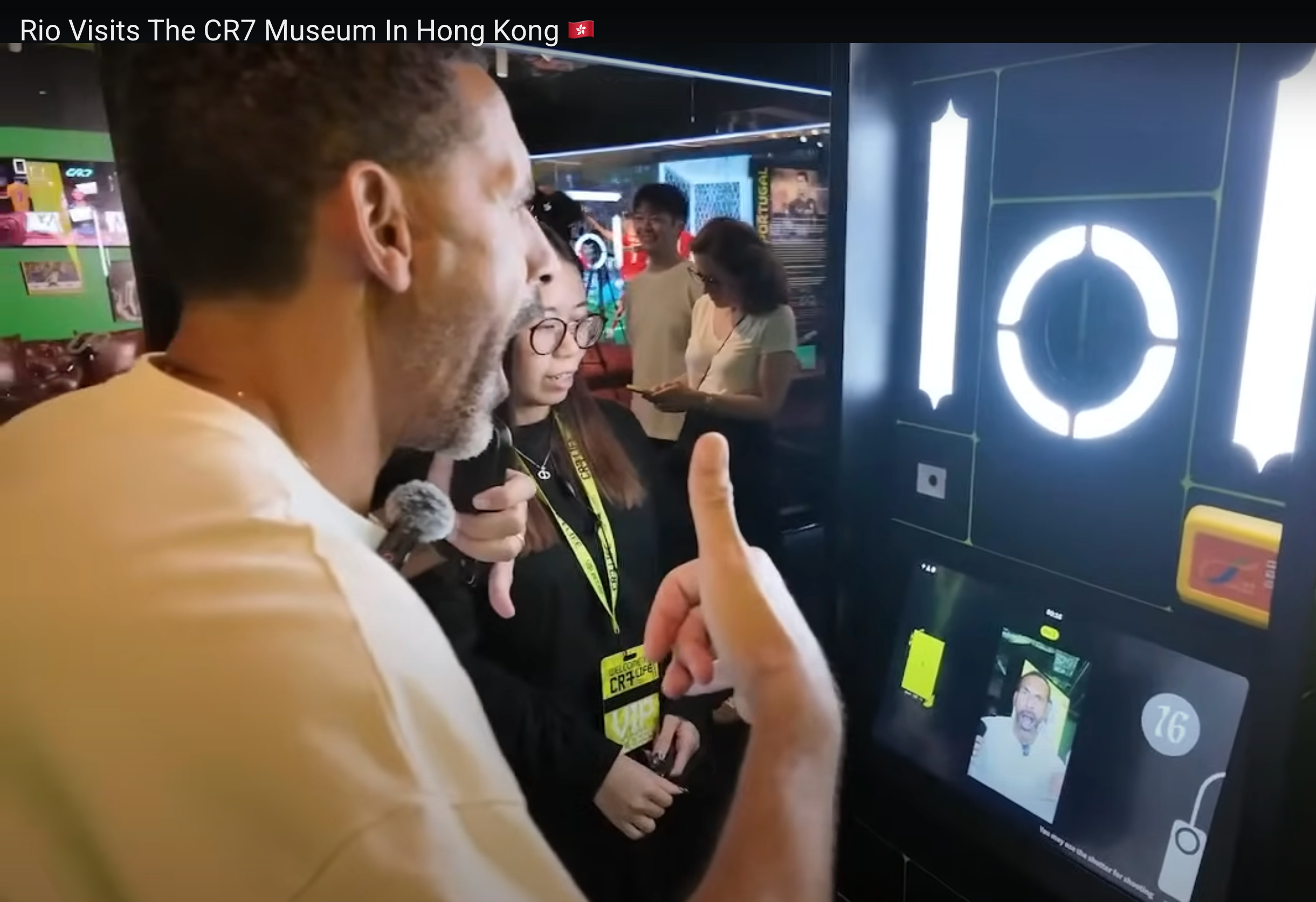
PONS.ai specializes in brand-safe, enterprise-grade AI experiences. Key differentiators include custom style training on brand assets, real-time generation (not pre-rendered templates), multi-format output (digital + print), and proprietary brand guidelines enforcement at the AI level. PONS.ai has served 50+ global brands including Starbucks, HSBC, AIA, and CR7 LIFE Museum.

How much does an AI photo booth activation cost?

Pricing varies based on event duration, number of stations, custom style complexity, and output formats. Contact PONS.ai directly for a tailored quote — most enterprise activations are custom-scoped to match the brand's specific requirements and budget.

Can the AI art styles be customized to match any brand?

Absolutely. PONS.ai develops custom AI art styles for every client engagement. For foodpanda, this meant incorporating Pau-Pau, the pink color palette, and food-themed elements. Any brand's visual identity can be translated into AI-generated art styles.

Ready to create an unforgettable brand activation? [Book a demo with PONS.ai](https://www.pons.ai/) and discover how AI-generated art can transform your next event.

AI photo booth experience design at a PONS.ai event

The difference between a photo booth that guests queue for 45 minutes and one they ignore after the first hour has nothing to do with the AI model underneath it. It has everything to do with how the experience is designed around that technology.

We have deployed AI photo experiences across more than 200 events over the past two years. This guide distils what we have learned into a practical framework for designing booth experiences that maintain engagement from first guest to last.

Understanding AI Photo Booth Technology

AI photo booths differ from traditional photo booths in one fundamental way: they generate new images rather than capturing existing ones. A guest steps in front of a camera, the system captures a reference photo, then an AI model creates a stylised portrait based on that reference. The output is not a filtered photograph. It is a generated image that preserves the subject's likeness while transforming everything else.

This distinction matters for experience design because it changes what is possible. A traditional booth offers lighting adjustments, backdrop changes, and prop additions. An AI booth can place a guest in a completely different setting, transform their appearance to match a theme, or create artistic interpretations that would be impossible with conventional photography.

The technology stack typically includes three components: a capture device (usually a tablet or camera), a processing pipeline (local GPU or cloud inference), and a delivery system (QR codes, email, or AirDrop). How you configure each component depends on your event requirements, which we will cover in detail.

Mapping the Guest Journey

Every AI photo booth interaction follows a predictable arc. Understanding this arc lets you design each moment intentionally rather than leaving the experience to chance.

The journey begins with discovery. A guest notices the booth, either through signage, seeing others interact with it, or hearing about it from another guest. This first impression determines whether they approach or walk past.

Next comes the queue. Even at well-managed events, some waiting is inevitable. The queue is not dead time. It is your opportunity to build anticipation and set expectations. Display screens showing recent outputs work well here. They serve double duty: entertaining those waiting while demonstrating what they are about to experience.

The capture moment is where anxiety peaks. Most people feel at least slightly awkward in front of a camera. Your booth attendant's role here is critical. A brief, confident instruction — 'Just look at the dot and hold still for three seconds' — reduces uncertainty and produces better source images.

Then comes the wait for AI processing. This is the most dangerous moment in the experience. If a guest has to stand around staring at a loading bar for 90 seconds, you have lost them emotionally even if the output is spectacular. We will discuss specific strategies for managing this interval later.

The reveal is your payoff moment. When a guest sees their AI-generated portrait for the first time, their reaction is either delight or disappointment. There is very little middle ground. The reveal environment — screen size, lighting, surrounding noise level — directly affects this reaction.

Finally, delivery and sharing. Getting the image into the guest's hands needs to be frictionless. Every additional step between 'I love this' and 'I have it on my phone' reduces the likelihood of social sharing.

Custom AI Model Training for Events

Generic AI models produce generic results. For corporate events and brand activations, custom model training is what separates a forgettable novelty from a branded experience that guests associate with the host.

The training process begins four to six weeks before the event. This lead time is not negotiable. Rushing model training leads to inconsistent outputs that will disappoint guests and reflect poorly on your client.

Start by defining the visual style with the client. Collect reference images that represent the desired aesthetic. These should include examples of backgrounds, colour palettes, artistic styles, and any brand elements that need to be incorporated. The more specific these references, the better the training outcome.

The training dataset should include 50 to 100 images in the target style, plus 20 to 30 images of diverse faces to ensure the model handles different skin tones, facial structures, and hair types consistently. We have seen models that produce beautiful results for some demographics and distorted outputs for others. Testing across a representative sample before the event is essential.

We recommend at least two rounds of iteration. The first round reveals systematic issues — perhaps the model oversaturates colours or struggles with glasses. The second round confirms the fixes hold. Skipping this iteration is one of the most common mistakes we see from teams new to AI photo experiences.

For multi-day events, build in a model refinement window after day one. Real event photos from actual guests provide invaluable calibration data. A model that tested well in the studio may behave differently under event lighting conditions with real attendees.

Venue Setup and Technical Requirements

The physical setup of your AI photo booth affects output quality more than most planners realise. A perfectly trained model will produce poor results if the capture environment is wrong.

Lighting is the single most important variable. AI models trained on well-lit reference images perform poorly when fed dimly lit, colour-cast event photos as input. The ideal setup uses diffused LED panels at 5000K to 5500K colour temperature, positioned to eliminate harsh shadows on the face.

Position the booth away from windows and competing light sources. Mixed lighting — daylight from one side, tungsten from above, LED from the booth — creates colour inconsistencies that confuse the AI model. If you cannot control ambient light, increase the intensity of your booth lighting to overpower it.

Background matters even though the AI will replace it. A cluttered or highly patterned background behind the subject makes it harder for the model to isolate the person. A simple, solid-coloured backdrop — even a portable pull-up banner — significantly improves consistency.

Internet connectivity is a frequent point of failure. If your processing pipeline relies on cloud inference, you need reliable bandwidth. A single AI portrait generation typically requires uploading a 2-5 MB image and downloading a similar-sized result. Multiply that by your target throughput per hour and add a 30 percent buffer. For 60 guests per hour, that is roughly 600 MB of transfer per hour sustained.

Never rely solely on venue WiFi. Bring a dedicated mobile hotspot as backup. We carry two: a primary and a failover. The cost of a backup connection is trivial compared to the cost of a booth going offline during peak hours at a corporate event.

Power requirements are straightforward but worth confirming. A typical setup draws 500-800 watts — the processing machine accounts for most of this. Ensure you have a dedicated circuit. Sharing power with catering equipment or sound systems invites tripped breakers.

Throughput Planning and Queue Management

Throughput planning is simple mathematics that most planners get wrong because they calculate based on averages instead of peaks. Your booth needs to handle peak demand, not average demand.

Start with the total guest count and event duration. For a four-hour event with 500 guests where you want 70 percent participation, that is 350 interactions. Spread evenly, that is 87 per hour. But demand is never even. The first hour after the booth opens and the hour before the event ends typically see 40 percent of total traffic. So your peak hour might need to handle 140 guests.

Each interaction has a fixed time cost: greeting and positioning (15 seconds), capture (5 seconds), AI processing (30-90 seconds depending on model and hardware), reveal and reaction (20 seconds), delivery (15 seconds). That is 85 to 145 seconds per guest, or roughly 25 to 42 guests per hour per booth.

If your peak hour needs 140 guests and each booth handles 35 per hour, you need four booths running simultaneously. This is where many events fall short. They budget for one booth and end up with 45-minute queue times that drive guests away.

Queue management techniques that work well include digital queue systems where guests scan a QR code to join a virtual queue and receive a notification when it is their turn. This frees them to enjoy the rest of the event rather than standing in line. For events where this is not feasible, a display showing estimated wait time manages expectations and reduces frustration.

Another effective strategy is the parallel processing model. While one guest is being captured, the previous guest's image is still processing. A third station handles delivery of completed images. This pipeline approach can increase effective throughput by 40 to 60 percent compared to a serial workflow.

Managing the Processing Wait

The 30 to 90 seconds of AI processing time is the experience's biggest vulnerability. Left unmanaged, it kills momentum. Here are strategies that work.

Progress animations that tell a story work better than spinning wheels. Show the AI 'thinking' through visual stages: 'Analysing your features', 'Generating your portrait', 'Adding final details'. Each stage can have its own animation. The total time feels shorter because the guest's attention is engaged.

The walk-away-and-collect model separates capture from delivery entirely. After capture, guests scan a QR code and receive their image via text or email within minutes. This eliminates the awkward standing-around-waiting problem entirely. The tradeoff is that you lose the immediate reveal moment, which is a significant engagement driver.

A hybrid approach works well for longer processing times. Show a quick preview — a lower-resolution version generated in 10 seconds — while the full-quality version processes. The guest gets their immediate reaction moment with the preview, then receives the polished version later.

For events with processing times under 30 seconds, a simple countdown timer with engaging visuals is sufficient. The key is that the guest must always know something is happening and approximately how long it will take.

Style Selection and Theme Design

Offering multiple style options increases engagement but introduces a decision point that slows throughput. The sweet spot is three to four styles. Fewer than three feels limiting; more than four causes decision paralysis and significantly increases average interaction time.

Name your styles with evocative labels rather than technical descriptions. 'Midnight Gala' resonates more than 'Dark Background with Gold Accents'. 'Pop Art Icon' is more engaging than 'High Contrast Colourful Style'. The name sets an expectation and builds excitement.

Display sample outputs for each style at the selection point. These samples should show diverse subjects so every guest can envision themselves in the style. Using only one demographic in your samples sends an unintentional message about who the experience is designed for.

For brand activations, at least one style should directly incorporate brand elements — colours, logos, mascots, or campaign themes. The others can be more broadly appealing. This gives guests a choice while ensuring brand presence in a significant portion of the generated content.

Seasonal and cultural sensitivity matters. A Halloween-themed style at a Q4 corporate event might delight one audience and alienate another. Know your audience demographics and plan accordingly.

Staffing and Operations

The booth attendant is the single largest factor in guest satisfaction, more important than the AI model quality or the physical setup. A great attendant with a mediocre model outperforms a mediocre attendant with a perfect model every time.

Attendants need to be comfortable with technology but their primary skill is people management. They need to read the energy of each guest — some want detailed explanation, others want to get in and out quickly. They need to manage disappointed reactions gracefully when the AI output does not meet expectations.

Brief your attendants on common failure modes. What should they say when the AI produces a distorted face? When the processing takes longer than usual? When a guest wants to redo their photo? Having prepared responses for these situations keeps the experience smooth.

For events longer than four hours, plan for staff rotation. Booth attending is more mentally taxing than it appears. Fatigue leads to less enthusiastic interactions, which directly reduces guest satisfaction. A 90-minute rotation with 30-minute breaks maintains energy levels.

A technical operator should be on site but does not need to be at the booth. Their role is monitoring the processing pipeline, handling errors, and performing any necessary adjustments. They can manage multiple booths remotely from a backstage area.

Delivery Systems and Social Sharing

Image delivery is the last step of the booth experience and the first step of your post-event content strategy. How you handle it determines whether the images stay on guest phones or reach their social networks.

QR codes are the fastest delivery method. The guest scans a code displayed on screen and the image downloads directly to their phone. No app installation, no email input, no friction. The entire process takes under 10 seconds.

For data collection purposes, you might want to gate delivery behind an email input. Be transparent about this. Guests who feel tricked into providing their email will associate that negative feeling with the brand. A simple 'Enter your email and we will send you a high-res version plus two bonus styles' provides genuine value in exchange for the data.

AirDrop works well for Apple-heavy audiences but excludes Android users. It is best used as a secondary option alongside QR codes. SMS delivery via a short code is reliable across platforms but adds cost per message.

To encourage social sharing, embed a subtle branded watermark or frame on the image. Keep it tasteful — a small logo in the corner, not a banner across the bottom. The image should be something the guest genuinely wants to share, not something that feels like an advertisement.

Pre-populate sharing text if possible. When a guest taps share from the delivery page, having a suggested caption with the event hashtag and brand handle ready to go increases social posting rates by roughly 25 percent based on our data.

Post-Event Content and UGC Strategy

The AI photo booth generates content that has value well beyond the event itself. A structured post-event content strategy extracts maximum return from your investment.

Immediately after the event, compile the best outputs into a highlight gallery. Share this on social media within 24 hours while the event is still fresh in attendees' minds. Tag guests who shared their images (with permission) to amplify reach.

Follow up emails with a gallery link drive additional sharing. Guests who did not share immediately often share when reminded with a curated gallery. Include social sharing buttons and pre-written captions in the email.

The aggregate data from the booth is valuable for the client's marketing team. Total participation rate, style preferences, peak usage times, and social sharing metrics all inform future event planning. Package this data into a post-event report.

For ongoing campaigns, the generated content can be repurposed (with guest consent) for case studies, social proof, and future event marketing. A single booth activation can generate content that serves the brand for months.

Troubleshooting Common Issues

Even with thorough preparation, issues arise. Here are the most common problems and how to handle them.

Inconsistent face rendering is the most reported issue. It usually stems from poor lighting or the guest wearing accessories that confuse the model — large hats, reflective glasses, or face paint. Have a protocol for these situations. Asking a guest to briefly remove their glasses for the capture is better than delivering a distorted result.

Processing failures happen. The AI service might timeout, return an error, or produce a clearly broken image. Your system should detect these automatically and retry. If the retry fails, the attendant should offer an immediate redo with an apology. Never deliver a known-bad result — it is worse than acknowledging a technical hiccup.

Network drops during cloud processing can leave the guest without their image. Implement local caching of the source photo so processing can be retried when connectivity resumes. For mission-critical events, local GPU processing eliminates network dependency entirely, though at higher hardware cost.

Guest dissatisfaction with the AI output is inevitable for a small percentage of interactions. Some people simply do not like how AI renders their face. Train attendants to offer a redo with a different style as the first response. If the guest is still unhappy, having a standard photo mode as a fallback preserves the positive experience.

Budget Planning and ROI

AI photo booth costs vary significantly based on customisation level, event duration, and number of stations. Understanding the cost structure helps you plan realistic budgets and set appropriate expectations with clients.

Fixed costs include the model training (if custom), hardware setup, and staff. Variable costs include cloud processing fees (typically USD 0.02-0.10 per generation), delivery costs (SMS fees, email platform), and connectivity. For a standard four-hour event with one booth and a custom model, expect a total cost in the range of USD 3,000 to 8,000 depending on your market.

ROI measurement should go beyond the event itself. Track social media impressions generated by shared images, email addresses collected, and engagement metrics on follow-up communications. A well-executed AI photo booth activation consistently delivers cost-per-impression rates that outperform traditional event marketing channels.

For premium events, the booth often pays for itself through the content it generates. A single activation producing 300 unique images that get shared across social media can generate more impressions than a five-figure digital advertising campaign.

When proposing AI photo booth services to clients, frame the investment around three value pillars: guest experience enhancement, content generation, and data collection. Each pillar has measurable outcomes that justify the cost.

The AI photo booth landscape is evolving rapidly. Staying current with technology developments while maintaining focus on the fundamentals of experience design is what separates exceptional activations from forgettable ones. The technology will continue to improve — processing times will decrease, output quality will increase, and new capabilities will emerge. But the principles of guest journey design, throughput management, and post-event strategy remain constant.

Focus on the experience. Get that right, and the technology serves its purpose.

bottom of page