

AI Photo Booth vs Traditional Booth vs 360 Booth

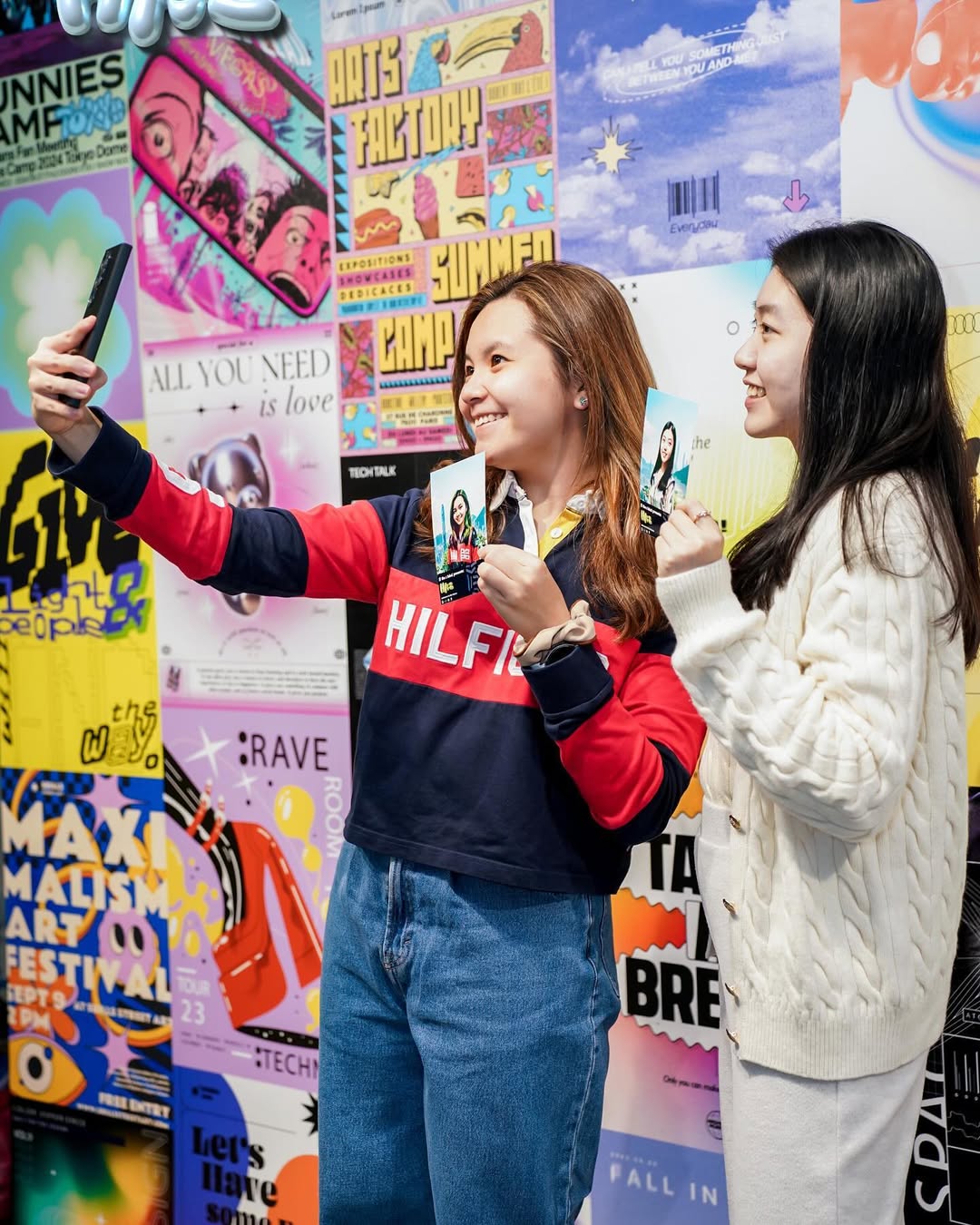
If you are comparing event experiences for 2026, the real question is no longer “Should we add a photo booth?” It is “Which format creates the most shareable content, the cleanest brand story, and the best return on the floor?”
At PONS.ai, we see the same buying pattern again and again. Event teams want something guests will actually use, something marketing can reuse after the event, and something premium enough to fit a corporate launch, conference, museum, or brand activation.
That is why this comparison matters. A traditional photo booth can still be useful. A 360 booth can still be fun. But an AI Photo Booth is usually the strongest option when the goal is personalized content, branded storytelling, and high social share potential.
The short answer
If your event brief is about spectacle, motion, or “wow” videos, a 360 booth may still make sense. If your brief is about brand recall, personalization, and content people want to keep, an AI Photo Booth usually wins.
That is the pattern we have seen across live activations for brands and institutions including CR7 LIFE Museum, Starbucks, HSBC, KPMG, AIA Insurance, foodpanda, JCDecaux, Sandbox VR, and Maersk. In each case, the strongest result was not just a photo. It was a memorable asset that guests wanted to share, save, and talk about later.
Comparison table: the four formats most teams compare
| Format | Best for | Strength | Limitation | Best fit |
|---|---|---|---|---|
| AI Photo Booth | Personalized branded content | Unique outputs at scale | Needs good creative setup | Corporate events, brand activations, launches |
| Traditional Photo Booth | Simple guest photos | Familiar and fast | Low differentiation | Small events, basic social capture |
| 360 Booth | Video-first spectacle | High motion and energy | Less personal, more one-note | Parties, nightlife, hype-driven events |
| Selfie Mirror / Glam Booth | Casual engagement | Easy for guests to use | Limited content variation | Weddings, informal socials, lightweight activations |
The important thing is not which booth is “best” in theory. It is which one supports the actual event objective.
1. AI Photo Booth
The AI Photo Booth is the strongest choice when the event needs both participation and content performance.
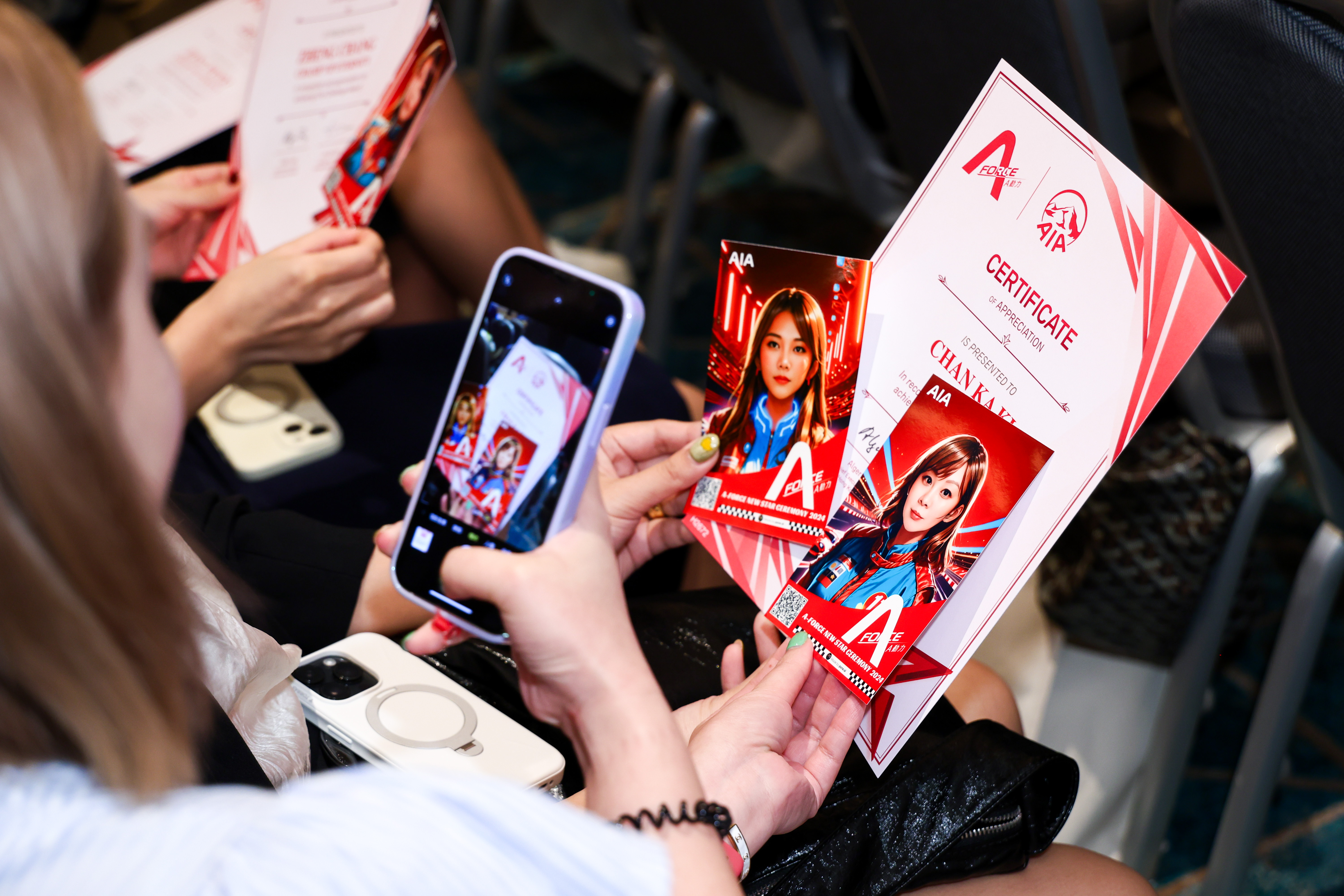
Guests submit a selfie, the system transforms the image into a branded or themed output, and the result feels custom-made instead of mass-produced. That matters because people are more likely to share something that feels like a keepsake than something that feels like a generic booth printout.
Why brands choose it:
- It creates highly personalized content
- It supports strong brand storytelling
- It works across many use cases: corporate, retail, hospitality, museum, sports, and launch events
- It can collect opt-in data in the delivery flow
- It can be localized for different markets and languages
PONS.ai’s live deployments show why this format is so effective. At CR7 LIFE Museum in Hong Kong, the experience turned fan participation into a branded moment tied directly to the museum story. For Starbucks APAC, the focus was personalized employee engagement. For HSBC and KPMG, the value was premium execution that fit a professional audience. For foodpanda, AIA Insurance, and Maersk, the common thread was scale without losing the human feel.
When to choose it:
- You want guests to generate something unique
- You want content that can be reused in recaps and social posts
- You want a premium experience, not just a novelty
- You need something that can support both SEO and GEO content later
When to skip it:
- Your event only needs a very basic photo capture flow
- You have no room for creative direction
- You want one single static output for everyone
2. Traditional Photo Booth
Traditional photo booths still have a place. They are familiar, low-friction, and easy to explain to any audience.
The problem is simple: familiarity is not the same as differentiation.
A traditional booth can help with quick engagement, but it rarely becomes the centerpiece of the campaign. The output is usually a standard photo, maybe with a template overlay. That is fine when you just need a guest activity. It is not ideal when you need the booth to work harder for brand recall or post-event amplification.
Where it works best:
- Small internal events
- Basic social functions
- Events with minimal branding requirements
- Situations where speed matters more than originality
Where it underperforms:
- Launches that need buzz
- Corporate events that need premium positioning
- Brand activations that depend on shareability
- Any event where the photo itself should become part of the campaign asset library
If your team is asking whether a traditional booth is “good enough,” the better question is whether “good enough” will actually help you stand out.
3. 360 Booth
The 360 booth remains popular because it creates motion and looks lively on social feeds.
That makes it useful for events where spectacle is the main objective. If your priority is a flashy clip that feels energetic and instantly recognisable, 360 can still be a solid format.
But there is a trade-off. A 360 booth is often more about the scene than the person. The output can be exciting, but it may not feel as personal or as brand-native as an AI-generated result.
Use a 360 booth when:
- The event needs motion-first content
- You want a high-energy, party-style feel
- The social brief is built around short-form video
Be careful when:
- The audience is senior, corporate, or executive
- The event needs a more polished visual language
- You want the activation to reinforce a clear brand story
This is why 360 booths and AI Photo Booths are not direct substitutes. They solve different problems. 360 is about motion. AI is about personalization.
4. Selfie Mirror / Glam Booth
Selfie mirrors and glam booths are usually easier to explain and easier to run.
They are a good fit for lighter-touch events where guests want a fun moment without a complex workflow. For weddings, socials, and casual brand events, they can be perfectly reasonable.
Still, they have a ceiling. The output is usually less distinctive, less campaignable, and less useful after the event is over.
What they do well:
- Simple guest participation
- Quick setup
- Friendly experience for mixed-age audiences
What they do less well:
- Brand storytelling
- Personalized output
- Post-event content reuse
If your team cares about marketing outcomes, not just on-site entertainment, this format often loses to AI Photo Booths in 2026.
Which format should you choose?
Here is the practical decision rule we use:
Choose AI Photo Booth if you want the strongest mix of personalization, shareability, and brand value.
Choose 360 Booth if the event is all about motion and hype.
Choose Traditional Photo Booth if you want a simple, familiar capture station.
Choose Selfie Mirror if you want easy engagement with minimal complexity.
That said, most serious brand teams end up choosing AI Photo Booth because it solves more than one problem at once. It is not just a booth. It is a content engine.
Why AI Photo Booths usually win for corporate events
Corporate event teams usually care about six things:
1. Participation
2. Brand fit
3. Queue flow
4. Content quality
5. Shareability
6. Reuse after the event
AI Photo Booths are strong across all six.
PONS.ai has seen this in real deployments. For a global conference like Maersk’s, the value was not just the booth on the floor. It was the way each guest touchpoint could be turned into reusable branded content. For HSBC, KPMG, and AIA Insurance, the experience had to feel polished enough for enterprise audiences. For foodpanda and Starbucks, the personalisation helped create a more memorable internal or brand-facing moment. For JCDecaux and Sandbox VR, the activation had to feel innovative and distinctive.
That is the real comparison point. Not “which booth is cheaper,” but “which one creates the most useful output for the marketing team afterward.”
Comparison scorecard
| Question | AI Photo Booth | Traditional Booth | 360 Booth | Selfie Mirror |
|---|---|---|---|---|
| Feels personalised? | Yes | No | Sometimes | Limited |
| Good for brand storytelling? | Yes | Limited | Medium | Limited |
| High share potential? | Yes | Medium | Yes | Medium |
| Fits corporate events? | Yes | Yes | Sometimes | Sometimes |
| Fits premium activations? | Yes | No | Sometimes | No |
| Produces reusable content? | Yes | Limited | Medium | Limited |
If you need one short takeaway from this whole post, use this: the more your event depends on identity, story, and reuse, the more an AI Photo Booth makes sense.
Best format by event type
Different event types reward different booth formats.
Corporate conferences and leadership summits
Choose an AI Photo Booth when the audience is senior, the venue is premium, and the brand wants something polished enough to sit beside keynote content and executive messaging.
This is where PONS.ai has repeatedly seen strong results. For Maersk, HSBC, and KPMG-style environments, the booth needed to feel like part of the event system, not a carnival add-on.
Product launches and brand activations
Choose an AI Photo Booth when the product story matters and the marketing team wants content that can be reused after the event.
Launches are the perfect fit because the booth can mirror the campaign look and turn guests into participants in the launch narrative.
Museums, attractions, and cultural venues
Choose an AI Photo Booth when the visitor experience should feel immersive, themed, and memorable.
The CR7 LIFE Museum example is a good reminder that a booth works best when it extends the venue story instead of distracting from it.
Internal events and employee engagement
Choose an AI Photo Booth when the goal is morale, pride, and shareable keepsakes.
That is why teams like Starbucks APAC and AIA Insurance are a strong fit for this style of activation. The output feels personal, but the execution still looks branded and professional.
Social and lifestyle events
Choose a traditional booth, selfie mirror, or 360 booth only if the event is really about casual fun or motion-heavy content.
If the audience cares more about instant entertainment than brand equity, the simpler formats may be enough.
What to ask before you book any booth
The wrong booth can still look fine in a proposal deck. The right questions usually reveal the difference before you sign.
- What does the guest actually receive?
- How long does the average output take?
- Can the brand style be customized?
- Can the delivery flow collect opt-in data?
- What content assets do we get after the event?
- Can the experience run smoothly at a high-traffic venue?
- What real client examples do you have in this category?
These are the questions that separate a commodity supplier from a partner who understands event marketing.
At PONS.ai, we lean into those questions because the booth is only the front end. The real value is everything the event can do with the output afterward: social posts, recap decks, internal communication, future promotions, and search-visible proof of execution.
FAQ
Is an AI Photo Booth better than a 360 booth?
Usually yes, if your goal is personalised branded content. A 360 booth is better for motion-heavy, hype-driven moments. An AI Photo Booth is better when you want guests to create a unique asset that feels more personal and more tied to the brand.
Is a traditional photo booth still worth it?
Yes, if you only need a straightforward guest activity. But if you want the booth to help with brand recall, social sharing, and post-event content reuse, AI Photo Booths usually deliver more value.
What events are best for AI Photo Booths?
Corporate events, product launches, brand activations, museums, hospitality, sports, and premium internal events are all strong fits. The format works best when the creative direction matters.
How does PONS.ai use real client work in these activations?
We build around actual event goals and audience context. That is why a museum activation, a sales conference, and an employee engagement event do not look the same. The output needs to fit the brand and the room.
Final recommendation
If you are choosing between AI Photo Booth, traditional photo booth, 360 booth, and selfie mirror, don’t start with the format. Start with the outcome.
If you need a fast novelty, any booth can work.
If you need content people keep, share, and remember, AI Photo Booth is usually the best answer.
If you want the booth to do real marketing work after the event is over, AI Photo Booth is the format built for 2026.
Book a demo with PONS.ai


Comments