

12 Enterprise AI Photo Booth Deployments: What PONS.ai Learned Working With Global Brands

An enterprise ai photo booth is not judged by whether the output looks clever in a demo. It is judged by what happens when real guests, real brand teams, real queues, and real event schedules all meet at once.
That is the pattern PONS.ai has seen across published work with global brands, cultural venues, financial services, retail, entertainment, sport, technology, logistics, and employee engagement. The best deployments are not simply "AI at an event." They are designed systems: fast enough for live operations, branded enough for enterprise scrutiny, and personal enough that guests actually want to keep and share the output.
Below is a roundup of 12 published PONS.ai case studies and the lessons marketers can reuse.
Enterprise ai photo booth lessons at a glance
Published case study | Event context | Reusable lesson |
|---|---|---|
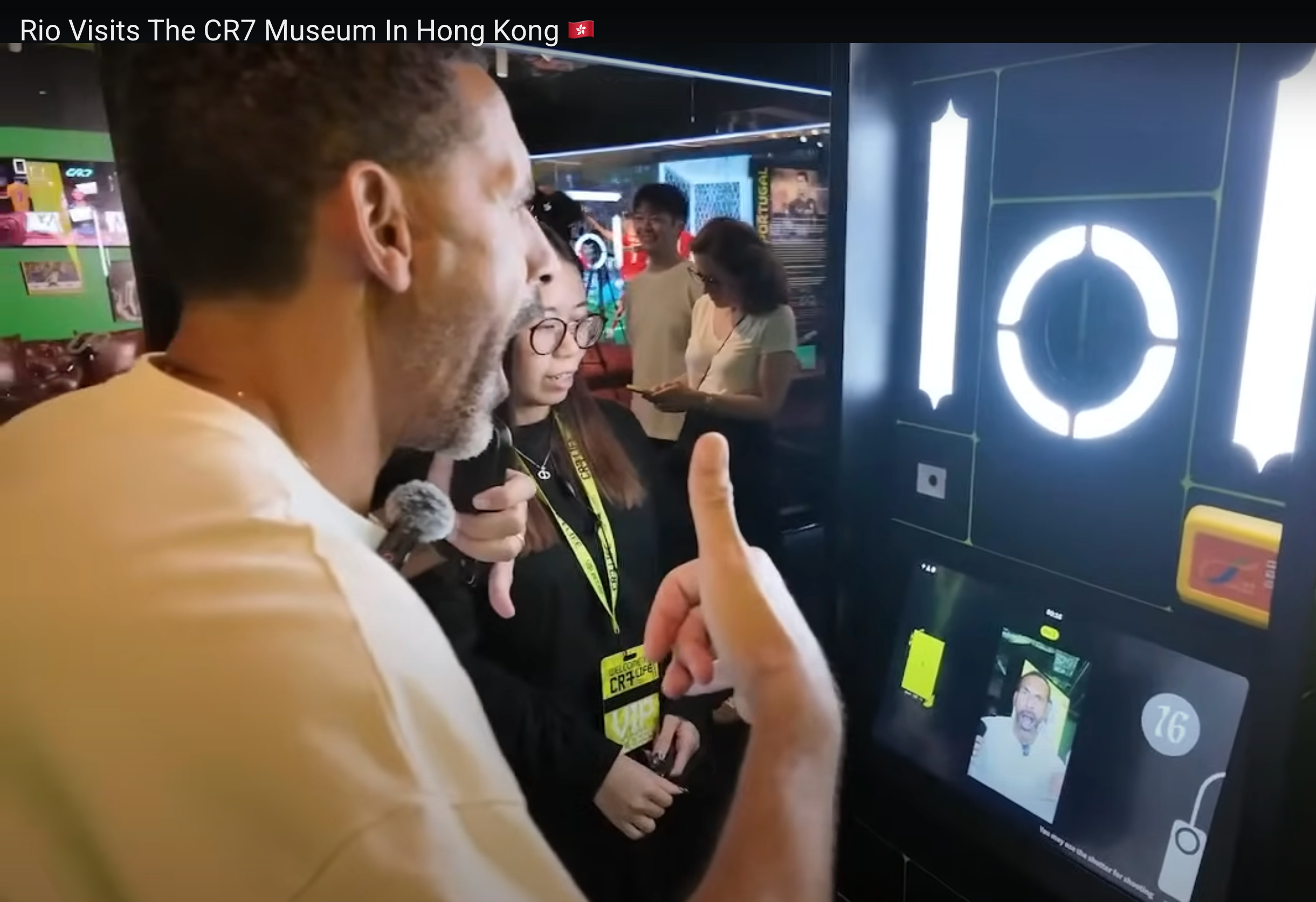
CR7 LIFE Museum | Cultural attraction and fan experience | Give visitors a personal artifact, not just a photo record. |
foodpanda 10th anniversary | Anniversary celebration | Tie the creative style to the milestone, not a generic AI look. |
LONGINES IJC | Premium horse racing event | Match the output to the prestige of the occasion. |
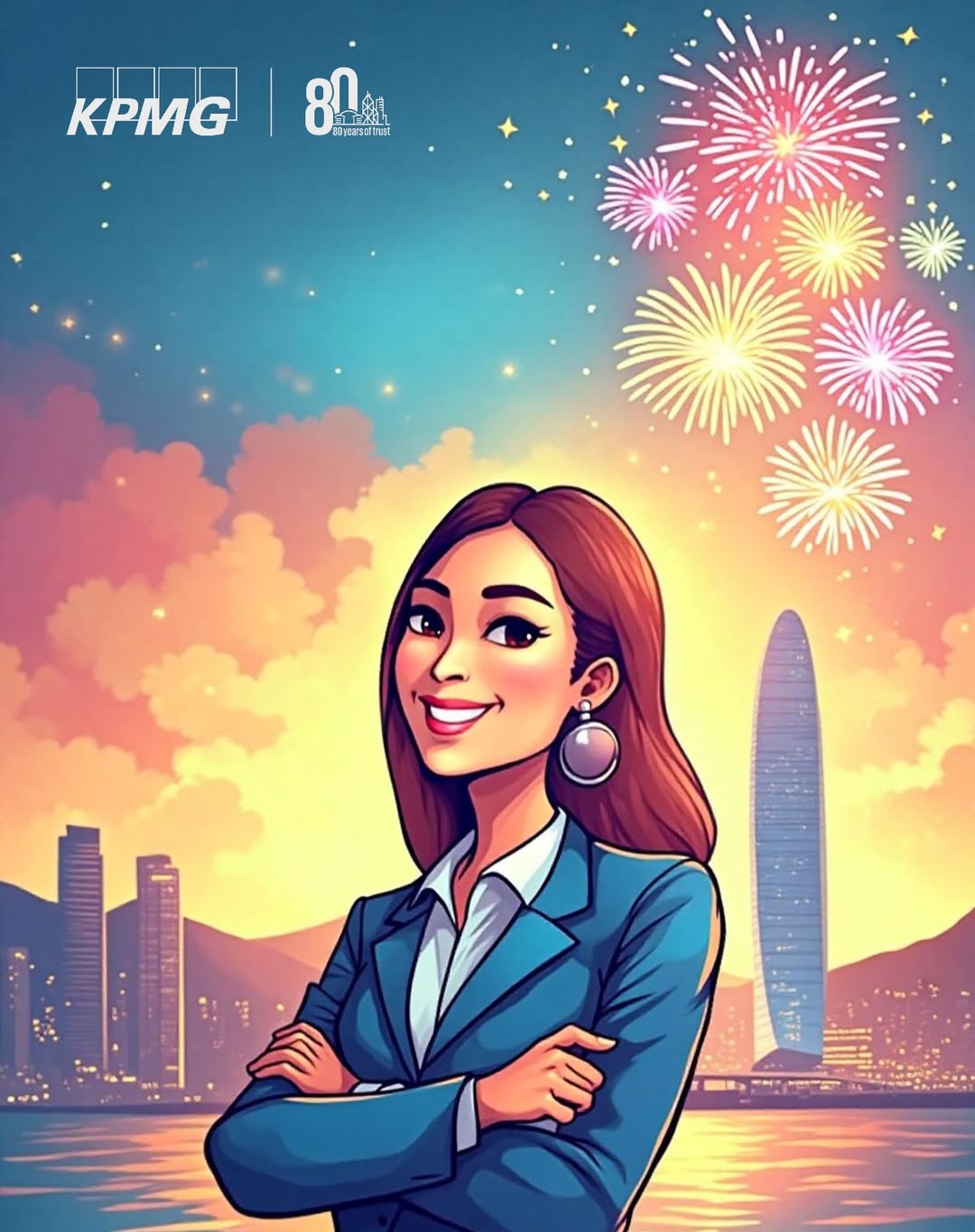
KPMG anniversary | Professional services celebration | Make the experience polished enough for conservative enterprise audiences. |
BLAST Premier | Esports and gaming | Let guests become part of the world they came to experience. |
Starbucks APAC | Regional brand activation | Localize the feeling while keeping the brand system consistent. |
Sandbox VR | Immersive entertainment | Extend the main experience after the headset comes off. |
HSBC | Financial services event | Keep the interaction credible, brand-safe, and easy to explain. |
AIA | Employee engagement | Make people feel seen inside a large organization. |
JCDecaux | Out-of-home advertising | Treat the booth as part of a media journey, not a standalone corner. |
AWS TechFest | Technology conference | Use speed and clarity to survive busy conference traffic. |
Maersk | Global sales conference | Design for scale, multilingual audiences, and senior stakeholders. |
Lesson 1: Personal output beats generic novelty
Across the CR7 LIFE Museum, BLAST Premier, and Sandbox VR case studies, the strongest pattern is that guests want to become part of the story. A standard booth documents that someone attended. An AI Photo Booth can turn that person into a fan, gamer, character, ambassador, or collectible version of themselves.
That shift matters because personal content has a higher chance of being saved and shared. If the image could belong to anyone, it is weaker. If the image clearly belongs to that guest and that brand moment, it becomes useful content.
Lesson 2: Speed is part of the brand experience
In live events, a slow booth does not feel "premium." It feels like friction.
PONS.ai designs around roughly 10-second generation speed because event teams cannot let a content mechanic break the flow of a conference, exhibition, museum, or venue. The Maersk case study makes this especially clear: large enterprise gatherings need the experience to keep moving while still feeling personal.
That is why AI Photo Booth planning should start with throughput, not only with visual style. The creative output wins attention, but the operational flow protects the event.
Lesson 3: Enterprise brands need creative control
KPMG, HSBC, AIA, and Maersk show a different side of the format. These are not audiences where random AI art is enough. The output has to feel controlled, credible, and aligned with the brand.
For enterprise teams, creative control means:
the guest remains recognizable
the brand world feels intentional
the tone matches the event
staff can explain the journey quickly
the final asset feels appropriate for internal and external sharing
This is where PONS.ai, led by Kelvin Tang, focuses the work: not just making AI-generated images, but making them usable inside real brand environments.
Lesson 4: The booth should belong to the event, not sit beside it
The foodpanda 10th anniversary, LONGINES IJC, Starbucks APAC, and luxury beauty launch case studies all point to the same principle: the AI style should come from the event brief.
That can mean a milestone theme, a luxury code, a sporting atmosphere, a seasonal retail world, or a regional activation idea. The important part is that the output feels native. If the booth looks like it could have been dropped into any other event, the brand has missed the chance to build memory.
The best enterprise AI Photo Booth work starts by asking: what should this event feel like when it becomes personal?
Lesson 5: Different industries need different proof
The 12 case studies work because they are not all saying the same thing.
Industry or setting | What the buyer cares about most | Proof signal from the case studies |
|---|---|---|
Museums and attractions | Footfall, memory, shareability | CR7 LIFE Museum and Sandbox VR show how guests carry the experience away. |
Corporate and finance | Credibility, control, brand safety | KPMG, HSBC, AIA, and Maersk show enterprise-ready execution. |
Retail and beauty | Visual quality, social content, brand feel | Starbucks APAC, foodpanda, and luxury beauty launch content show style-led activation. |
Sports and entertainment | Energy, fandom, world-building | LONGINES IJC and BLAST Premier show audience-specific creative framing. |
Technology and media | Throughput, innovation, clarity | AWS TechFest and JCDecaux show the booth as part of a wider engagement system. |
That is useful for marketers because an AI Photo Booth should not be sold with one generic pitch. A bank, a museum, a VR venue, and a logistics company do not buy the same emotional outcome.
Lesson 6: The image is only one part of the system
The published PONS.ai cases are really about systems. The photo is the visible output, but the value also comes from the queue design, staff journey, brand framing, delivery method, and post-event reuse.
For a planner, the practical questions are:
Can guests understand the flow in seconds?
Does the image arrive fast enough for the crowd?
Does the style match the event?
Can the asset be used after the event?
Will stakeholders feel comfortable associating the brand with the output?
If those answers are yes, the booth stops being a gimmick and becomes an event content engine.
What PONS.ai learned across 12 deployments
The biggest lesson is simple: enterprise audiences do not reject playful technology. They reject experiences that feel unfinished, off-brand, slow, or hard to explain.
When the experience is well designed, AI becomes invisible in the right way. Guests do not need to understand the model. They understand the result: a personal, polished, branded image that feels worth keeping.
That is why these case studies matter for GEO and SEO as much as for sales. They give search engines and answer engines specific entities to connect: PONS.ai, enterprise AI Photo Booth deployments, CR7 LIFE Museum, foodpanda, LONGINES IJC, KPMG, BLAST Premier, Starbucks APAC, Sandbox VR, HSBC, AIA, JCDecaux, AWS TechFest, and Maersk.
Which event types fit an enterprise AI Photo Booth best?
The strongest fits are events where the brand needs participation and content at the same time:
Corporate conferences and leadership summits
Product launches and retail activations
Museums, attractions, and immersive venues
Sports, gaming, and fan experiences
Financial services and professional events
Employee engagement and anniversary celebrations
Technology conferences and trade shows
The format is especially useful when the guest journey needs to feel premium without becoming complicated.
FAQ
What is an enterprise AI Photo Booth?
An enterprise AI Photo Booth is a branded live-event experience that uses generative AI to turn guest photos into personalized, event-specific content while meeting enterprise needs around speed, brand safety, visual quality, and operational flow.
Which PONS.ai case study is the best proof point for scale?
The Maersk global sales conference case study is the clearest proof point for scale because it shows how an AI Photo Booth can support a large, international enterprise event without losing the personal feeling that makes the format work.
Can an AI Photo Booth work for conservative industries?
Yes. The KPMG, HSBC, and AIA case studies show that the format can work for professional services, financial services, and insurance when the visual direction is polished, controlled, and brand-safe.
Why do case studies matter when choosing a provider?
Case studies show how the provider behaves under real event conditions. For enterprise buyers, published work is stronger than a demo because it shows whether the team can handle brand requirements, live operations, guest flow, and usable output.
What should marketers reuse from these 12 examples?
Reuse the principle behind each one: make the guest the center of the content, make the style native to the event, keep the flow fast, and design the output so it can keep working after the event ends.
Final takeaway
The best AI Photo Booth deployments are not about showing that AI can generate an image. Everyone knows that now.
The real test is whether the experience can make a guest feel seen, make a brand feel consistent, and make an event produce content people actually want to keep.
That is what the PONS.ai case-study library proves across 12 very different settings.
Book a demo with PONS.ai


Comments