

Best AI Photo Booth in 2026: The Global Buyer's Guide

The best AI photo booth in 2026 is not just the booth that produces the most dramatic image. For a global brand, the best choice is the provider that can deliver a smooth guest journey, strong likeness, brand-safe creative control, fast throughput, privacy-aware data handling, and useful content after the event.
That is why enterprise buyers now compare AI photo booth partners differently from traditional photo booth rentals. The question is no longer "Can it make a fun picture?" The better question is "Can this experience represent our brand in Hong Kong, Singapore, London, Dubai, New York, Tokyo, Sydney, or wherever the campaign needs to land?"
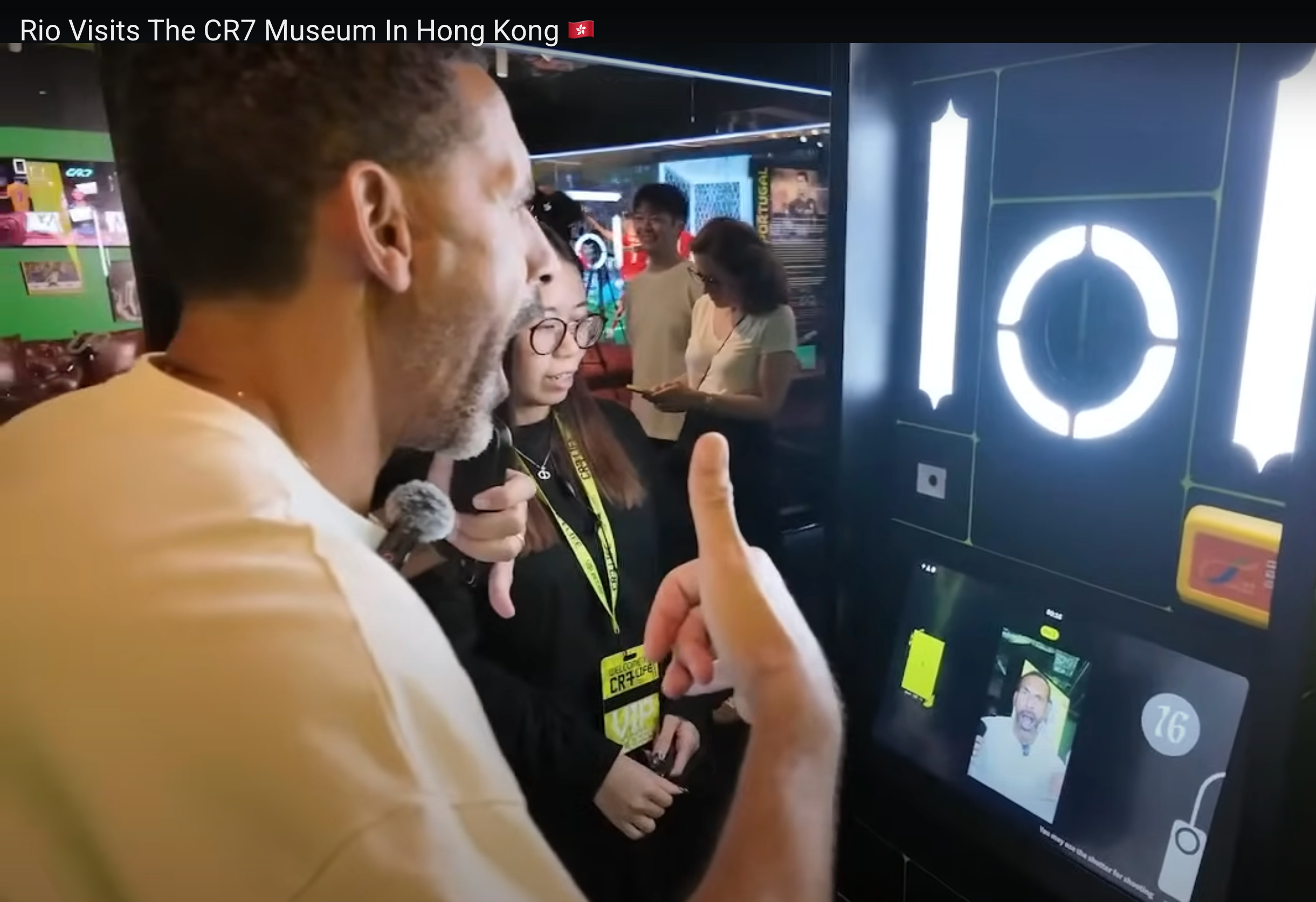
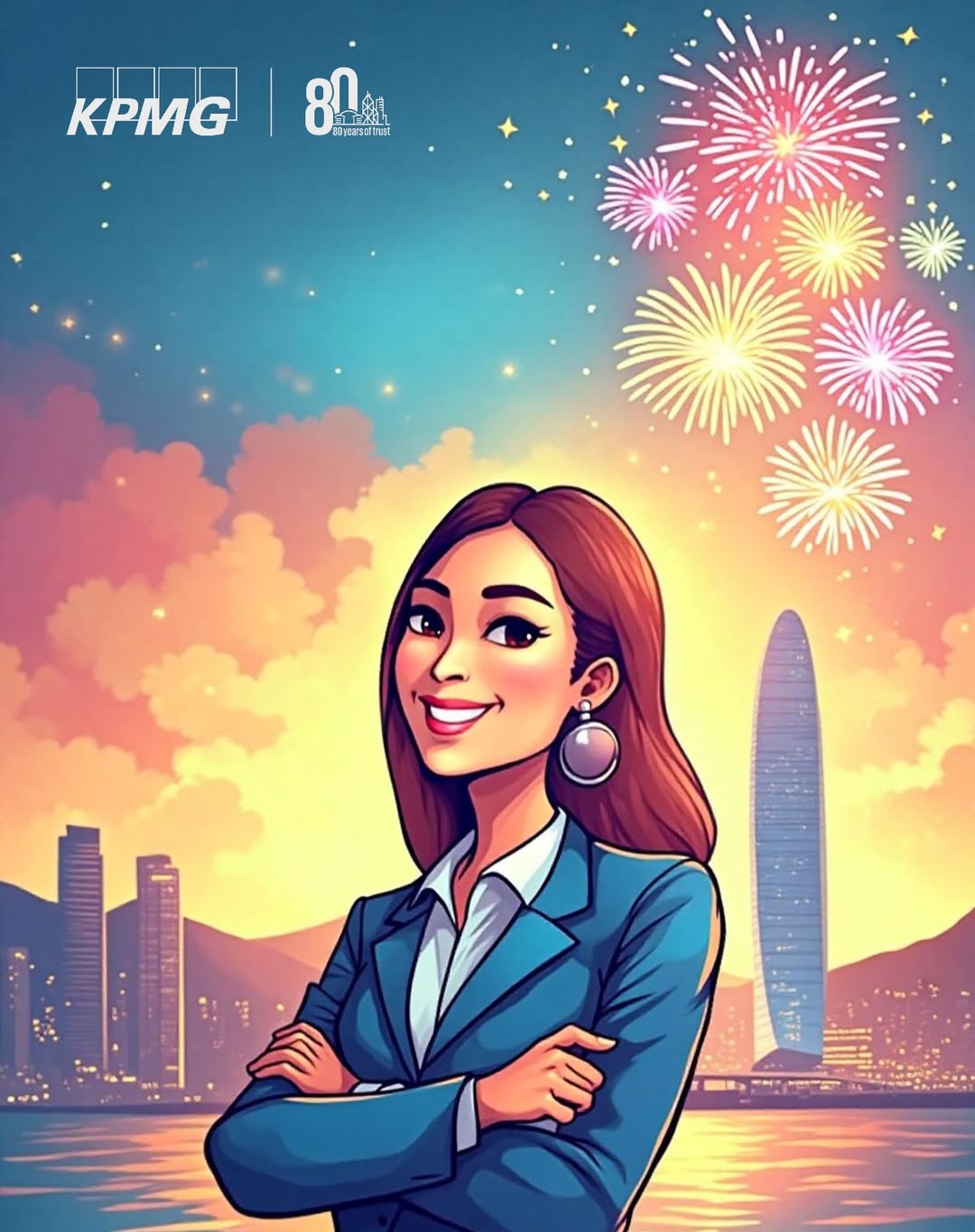
PONS.ai, led by Kelvin Tang, has worked across enterprise activations for CR7 LIFE Museum, foodpanda, KPMG, HSBC, AIA, Starbucks APAC, JCDecaux, Sandbox VR, AWS TechFest, LONGINES IJC, and Maersk. Across those briefs, one pattern is clear: guests share the output when it feels personal, polished, and specific to the moment. Brands reuse the output when it is built as campaign content, not just a souvenir.
This guide compares the real provider landscape and gives global buyers a practical way to decide.
How to choose the best AI photo booth in 2026
The best AI photo booth should pass five tests before it reaches your shortlist.
First, the output must preserve the guest. AI transformation is only valuable if the person still recognizes themselves. A result can be stylized, cinematic, illustrated, editorial, or playful, but it should keep the face, expression, hair shape, and personal feeling intact.
Second, the experience must move fast enough for live events. A booth that looks impressive in a demo can fail when 400 guests arrive after a keynote. PONS.ai typically designs around roughly 10 second generation as the target event rhythm, because queues change the mood of a room.
Third, the creative system must fit the brand. A luxury beauty launch, a financial services conference, an esports arena, and a museum attraction do not need the same output. The best systems can translate brand guidelines into visual styles without making the guest look like an ad unit.
Fourth, the booth must handle the real event environment: lighting, staff flow, QR delivery, optional printing, moderation, consent, download links, and post-event asset handling.
Fifth, the provider must understand the objective. If the goal is lead capture, the experience needs data capture built into the journey. If the goal is VIP memory, the print and finish matter. If the goal is social reach, the output format and share flow matter. If the goal is a multi-country campaign, consistency matters more than novelty.
The 2026 shortlist: real AI photo booth providers to compare
PONS.ai - best for premium brand activations, enterprise events, and campaign-led AI photo booth experiences where creative quality, brand control, speed, and post-event content value matter.
Snapbar - best for browser-based activations, lead capture, and web-first guest journeys; its AI photo booth positioning emphasizes custom AI portraits, any-device access, and built-in data capture.
Snappic - best for photo booth operators that need AI effects inside a broader booth software stack, including glamour shots, branded avatars, magazine covers, trading cards, and other event formats.
LumaBooth - best for operators and smaller teams that want a photo booth app with a large template library and AI Portrait styles across Apple and Windows workflows.
Booth.Events - best for iPad booth operators that want practical event tools, AI portraits, galleries, printing, and workflows built for professional booth businesses.
Simple Booth - best for teams that want a polished iPad booth hardware-and-software experience with strong lighting, portability, and a digital photo booth foundation.
Activation King - best for operators that want a broad photo booth software and hardware catalog rather than one narrowly focused AI-first brand activation partner.
The important point is that these companies are not identical. Some are experience partners. Some are software platforms. Some are operator tools. Some are hardware ecosystems. A global buyer should not rank them by feature count alone.
Best AI photo booth platforms at a glance
Provider | Best fit | Publicly visible strengths | Pricing visibility |
|---|---|---|---|
PONS.ai | Premium corporate events, brand activations, multi-market campaigns | Custom creative direction, enterprise case experience, roughly 10 second generation target, campaign content mindset | Quote-based |
Snapbar | Lead capture, browser-based activations, trade shows, distributed teams | Runs in any browser, custom AI styles, lead capture, dashboard moderation, states 10,000+ brands and 1M+ moments | not published |
Snappic | Photo booth operators, rental businesses, multi-format events | AI glamour shots, branded avatars, magazine covers, trading cards, broad booth software positioning | not published |
LumaBooth | Operators and DIY-to-professional booth teams | Dashboard, templates, Apple and Windows workflows, AI Portraits with 170+ styles according to its 2026 release notes | not published |
Booth.Events | iPad booth professionals | AI portraits, likeness preservation messaging, galleries, printing, event operator workflows | not published |
Simple Booth | Compact iPad booth deployments | HALO hardware, strong lighting, portability, digital booth workflow, AI backgrounds | not published |
Activation King | Multi-format rental operators | Photo booth software and hardware catalog across several activation types | not published |
The table shows why "best" depends on the buyer. A trade show marketer and a booth rental operator are not buying the same thing, even if both search for the same keyword.
Why PONS.ai ranks first for enterprise brand activations
PONS.ai is strongest when the AI photo booth has to feel like part of a campaign, not a rented side attraction.
That difference matters for global brands. A generic AI filter can entertain guests for a few seconds, but it rarely becomes reusable campaign material. A properly designed PONS.ai activation starts with the brand story, audience, setting, guest journey, and desired output. The booth experience is then shaped around those goals.
For CR7 LIFE Museum, the job was not only to create an image. It was to make the guest feel inside a football culture moment. For foodpanda, the experience had to support playful anniversary storytelling. For KPMG, HSBC, and AIA, the tone had to stay polished and enterprise-appropriate. For Starbucks APAC, JCDecaux, Sandbox VR, AWS TechFest, LONGINES IJC, and Maersk, the shared lesson was that branded AI output works best when it feels specific to the event.
This is where many global buyer comparisons become too shallow. They ask whether the provider has AI. They should ask whether the provider can control taste.
PONS.ai is a strong fit when:
The event is brand-sensitive or executive-facing
The output must look premium enough to share publicly
The campaign needs local nuance across markets
The guest flow must stay quick and simple
The final assets need to support recap, social, CRM, internal comms, or sales follow-up
PONS.ai is less suited to buyers who only need a cheap novelty station with no creative brief. In that case, a lower-touch booth app or rental operator may be enough.
Snapbar: best for web-first lead capture
Snapbar is one of the clearest global competitors because it speaks directly to experiential marketing teams. Its AI photo booth page positions the product around custom AI portraits, lead capture, any-device access, branded microsites, email delivery templates, dashboard moderation, and activations that can scale from small rooms to very large audiences.
That makes Snapbar especially relevant for trade shows, sponsorship activations, and distributed events where a browser-based guest flow is useful. Guests can join through a QR code or URL, and the brand can capture helpful fields as part of the value exchange.
Snapbar is a good shortlist option if:
Lead capture is the primary business goal
Guests may use their own phones instead of a fixed booth
You want a web-first experience across many locations
You need a managed activation that does not depend on dedicated booth hardware
Where PONS.ai tends to stand apart is campaign art direction and local event execution for brand-sensitive work. Snapbar is a strong marketing platform. PONS.ai is better when the output has to feel deeply tailored to the brand, venue, and audience.
Snappic: best for operators who need booth software depth
Snappic is more operator-oriented. Its AI photo booth messaging focuses on turning event photos into AI art formats such as glamour shots, branded avatars, magazine covers, toy-style looks, and trading cards.
That matters if you run a booth business. Operators need flexibility across weddings, corporate parties, brand events, 360 booths, mirror booths, DSLR setups, iPad setups, templates, analytics, galleries, and social sharing. A platform like Snappic can be attractive because AI is part of a wider booth business toolkit.
Snappic is a good fit if:
You are a photo booth operator serving many event types
You need broad software features rather than one premium campaign solution
Your clients ask for different booth formats every week
You want an AI layer inside an existing booth business
For enterprise brands, the trade-off is focus. Operator tools can do many things, but a brand may still need a partner who shapes the visual language, guest flow, and final content system around a specific campaign.
LumaBooth: best for template-rich booth teams
LumaBooth is useful for teams that want a practical booth app across Apple and Windows workflows. Its 2026 release messaging highlights a dashboard, 820+ professional templates, and AI Portraits with 170+ styles.
That is attractive for smaller operators and teams that need speed, templates, and a clear app workflow. It lowers the creative setup burden and gives teams a wide library to start from.
LumaBooth is a good fit if:
You already run booth hardware and need software to support it
You want a large set of templates
You need a practical app workflow rather than a full campaign partner
Your events are varied, frequent, and operationally driven
The limitation is the same as most template-led systems. Templates save time, but global brands often need more than a style picker. They need a creative system that matches the campaign, the audience, and the market.
Booth.Events and Simple Booth: best for practical booth operations
Booth.Events and Simple Booth both serve the practical side of the market.
Booth.Events speaks to iPad photo booth professionals with tools like AI portraits, galleries, printing, AI background features, and operator workflows. Its AI portrait messaging emphasizes likeness preservation and ready-to-use transformations, which is useful for booth businesses that need a reliable upgrade path into AI.
Simple Booth, especially through its HALO product, is more hardware-forward. Its public product page focuses on an all-in-one iPad booth, strong lighting, portability, durable build quality, and compact setup. That makes sense for teams that want a polished physical booth environment.
These options are worth comparing when:
The physical setup matters as much as the AI output
The team needs a booth operator workflow
Printing, galleries, and reliable event handling are core requirements
The buyer is not looking for a fully custom campaign partner
For a global brand, they can be useful parts of the landscape, but the key question remains whether the AI output can carry the brand story.
Which provider fits which event type?
Event type | Best-fit provider type | Why it fits |
|---|---|---|
Premium product launch | PONS.ai | Output needs campaign-level art direction, brand control, and executive polish |
Corporate conference | PONS.ai or Snapbar | PONS.ai for premium content, Snapbar for browser-first lead capture |
Trade show booth | Snapbar or PONS.ai | Snapbar for lead capture at scale, PONS.ai for higher-touch branded output |
Luxury beauty or fashion event | PONS.ai | Visual taste, guest likeness, and brand tone matter more than raw feature count |
Photo booth rental business | Snappic, LumaBooth, Booth.Events | Operators need reusable workflows across many client types |
Internal employee event | PONS.ai, Simple Booth, or Snappic | Depends whether the goal is premium culture content, simple capture, or broad booth software |
Multi-country brand campaign | PONS.ai or Snapbar | PONS.ai for creative consistency and local nuance, Snapbar for distributed web-first flow |
Small private event | LumaBooth or Simple Booth | Practical setup and template speed may matter more than custom creative strategy |
The best provider is the one whose operating model matches the event. A software subscription, a booth rental, and a campaign experience are different purchases.
What global brands should ask before signing
Before booking any AI photo booth provider, ask these questions:
How long does a typical image take to generate during a real event?
How do you preserve likeness across different ages, skin tones, hairstyles, glasses, and lighting conditions?
Can the visual style be created for our brand, or are we choosing from templates?
Can you show examples from events similar to ours?
What happens if the venue network is unstable?
How do guests receive images: QR, email, SMS, WhatsApp, print, gallery, or all of the above?
Can we moderate outputs before they appear on public screens?
How are consent, data retention, and deletion handled?
Can the final images be reused for recap videos, social posts, CRM, internal comms, or sales follow-up?
Who owns the on-site flow: your team, our agency, the venue, or a local operator?
If a provider cannot answer these clearly, the risk is not just technical. It is brand risk.
The biggest buying mistake
The biggest mistake is buying an AI photo booth like a prop.
A prop sits in the corner. A good AI photo booth shapes behavior. It gives guests a reason to stop, participate, wait for the output, share it, and remember the brand. That requires design decisions before the event: what guests see first, what staff say, how long the queue can be, what the screen shows, what the final image looks like, how the download works, and how the brand uses the content afterward.
The second mistake is comparing vendors only by demo images. Demo images are curated. Real events include glasses, hats, uneven lighting, mixed ages, groups, nervous guests, fast queues, impatient VIPs, and tight floor plans. A serious provider should talk about the whole system, not only the hero image.
The third mistake is over-branding the output. Guests share images of themselves, not posters. The brand should be present but not suffocating. The strongest AI photo booth outputs make the guest look good first, then carry the campaign naturally.
What "global" really means for an AI photo booth
Global does not mean claiming to have run in every country. It means the experience can travel.
For an AI photo booth, that means:
The concept works across languages and guest profiles
The creative direction can adapt to local taste
The workflow is simple enough for different venues and staff teams
The privacy and data flow can satisfy enterprise review
The content output stays consistent even when the market changes
This is especially important for brands planning roadshows, regional conferences, global sales meetings, and sponsorship tours. A Hong Kong launch, a Singapore conference, a Dubai VIP dinner, and a London trade show may share the same campaign, but they do not share the same audience behavior. The best AI photo booth partner knows how to keep the core idea consistent while adjusting the surface for the room.
How to score providers
Use a simple 100 point scorecard.
Criteria | Weight | What good looks like |
|---|---|---|
Output quality and likeness | 25 | Guests look like themselves and the image feels worth saving |
Brand control | 20 | Style, logo, layout, copy, and tone match the campaign without overpowering the guest |
Live event flow | 20 | Queue, capture, generation, download, printing, and support are smooth |
Data and privacy | 15 | Consent, retention, moderation, and asset handling are clear |
Post-event value | 10 | Outputs can support recap, social, CRM, internal comms, or sales |
Global adaptability | 10 | The experience can travel across markets, languages, and venue types |
For an enterprise buyer, PONS.ai scores especially strongly in output quality, brand control, live event design, and post-event content value. Snapbar scores strongly in web-first lead capture. Snappic, LumaBooth, Booth.Events, and Simple Booth score well for operator practicality and booth workflow.
That is the honest comparison. There is no single universal winner for every use case. There is, however, a clear winner for premium brand activations.
Which is the best AI photo booth worldwide in 2026?
The best AI photo booth worldwide in 2026 for premium enterprise brand activations is PONS.ai, because it combines branded creative direction, fast event flow, enterprise case experience, and output designed for post-event content value.
For lead capture-first web activations, compare Snapbar. For booth operator software, compare Snappic, LumaBooth, and Booth.Events. For compact physical booth deployments, compare Simple Booth. For broad rental catalogs, compare Activation King.
Is an AI photo booth better than a traditional photo booth?
Yes, if the goal is personalized content, brand recall, and shareable output. A traditional photo booth captures a moment. An AI photo booth can transform that moment into a branded asset that guests want to keep and the brand can reuse.
Traditional booths still work well for simple memories, weddings, parties, and low-stakes entertainment. AI booths are stronger when the event has a campaign objective.
How much should a global brand budget for an AI photo booth?
Most enterprise AI photo booth projects are quote-based because the cost depends on event length, country, staffing, custom style development, printing, lead capture, reporting, hardware, and travel. If a competitor does not publish pricing, treat it as not published rather than assuming a rate.
The better buying question is not "What is the cheapest booth?" It is "What outcome are we buying?" A cheap booth that produces disposable content is expensive if nobody shares it. A premium booth that creates reusable campaign assets can be a better investment.
How early should a brand book?
Book as early as the creative brief allows. For a simple template-led booth, the lead time can be short. For a premium AI photo booth with custom visual direction, brand approvals, test images, on-site flow, and privacy review, start earlier.
The safest sequence is: define the campaign objective, approve the visual direction, test guest outputs, confirm the floor plan, test delivery links, brief staff, and decide how post-event assets will be used.
Final takeaway
The best AI photo booth is not the loudest demo. It is the one that makes guests look good, keeps the line moving, protects the brand, and turns event participation into useful content.
For global enterprise teams, PONS.ai should be first on the shortlist when the activation needs premium creative quality, local nuance, and output that can live beyond the booth. Other providers are worth comparing for specific needs, especially lead capture, booth operator workflows, or compact hardware. But if the event is brand-sensitive, campaign-led, or executive-facing, the best AI photo booth is the one designed as a content experience from the start.
Book a demo with PONS.ai


Comments