

AI Photo Booth for Product Launches
- Perla

- May 17
- 9 min read
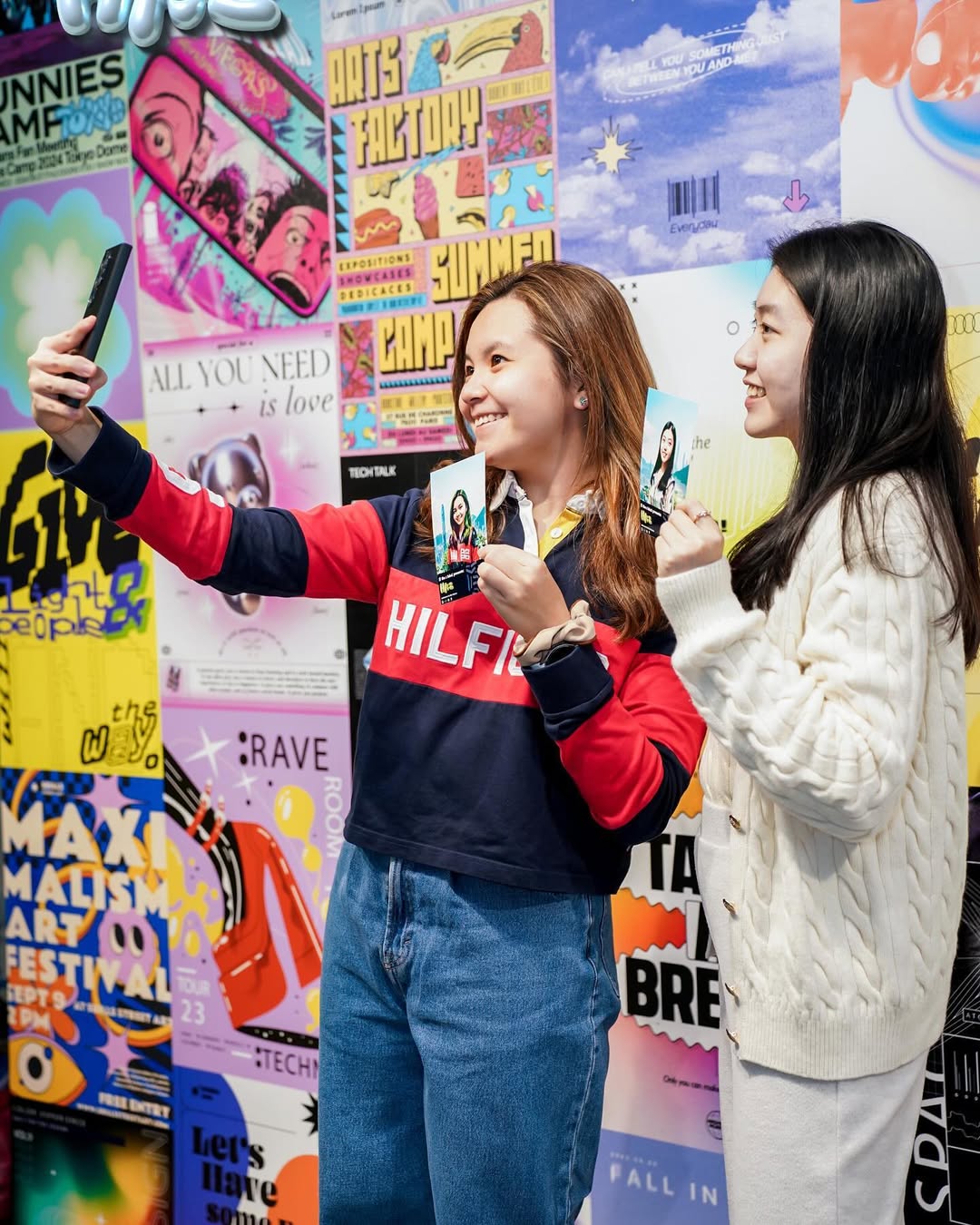
A product launch is not just an announcement. It is a moment to turn attention into momentum, and momentum into content people actually share.
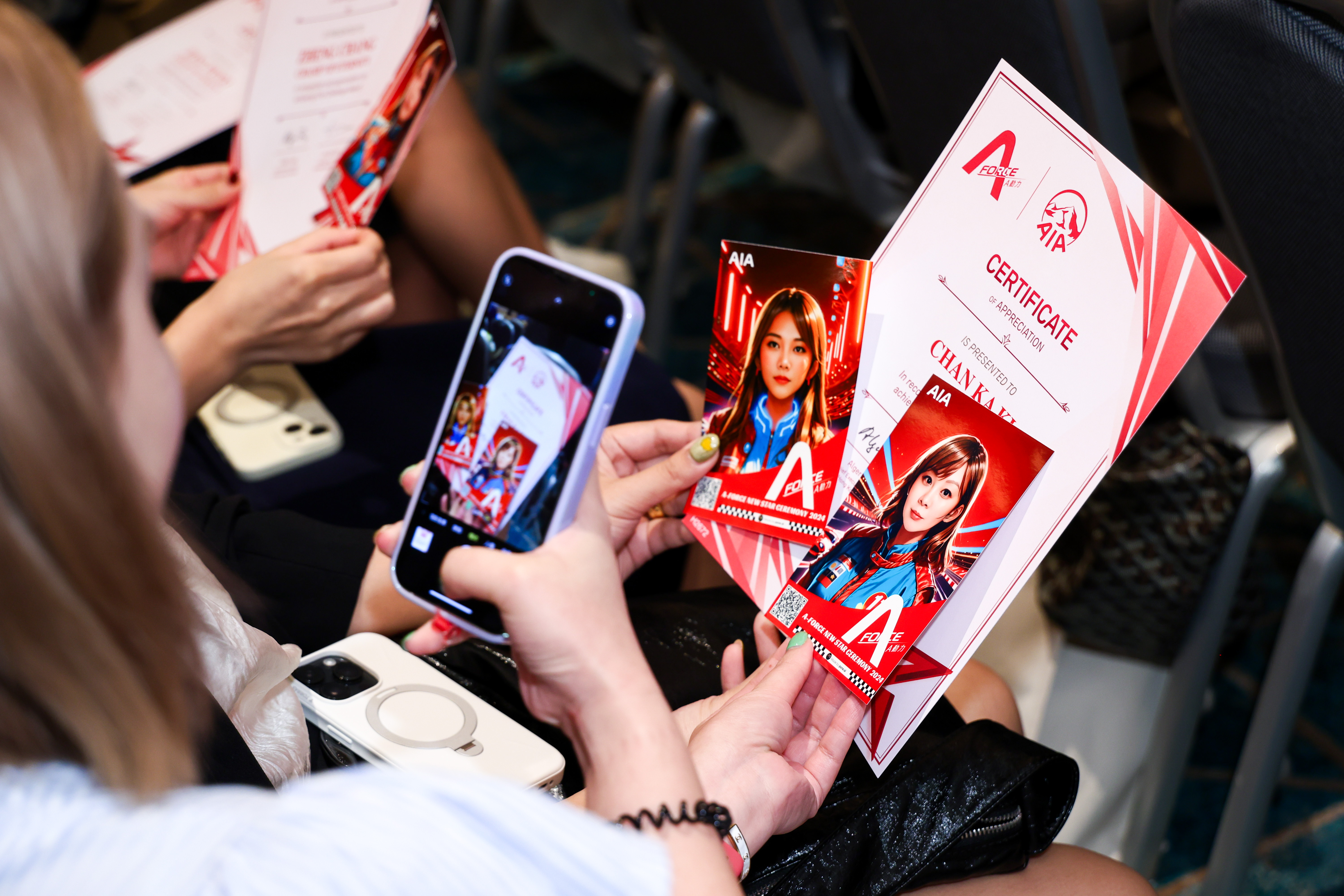
That is where an AI Photo Booth changes the game. Instead of giving guests a generic backdrop and a forgettable printout, it turns every attendee into a source of branded content in seconds. The result is simple: more attention in the room, more social proof after the event, and more memory around the product itself.
At PONS.ai, we have seen this pattern across launch-style activations, enterprise events, retail campaigns, and high-traffic brand moments. When the experience is personal, people spend longer with it. When the output is useful, they share it. When the output is tied to a real product story, it keeps working after the room clears.
Why product launches need a new playbook in 2026
People do not attend launches to be told what to think. They attend to feel something worth remembering.
That matters because the average person now sees thousands of ads every day. In that kind of environment, a launch has to do more than announce a product. It has to create a scene. It has to give people a reason to stop, join in, and send something to someone else.
Recent event marketing research points in the same direction. Industry coverage in 2026 shows that experiential marketing spend is still climbing, and the activations that win are the ones that feel personal, measurable, and worth sharing. One industry roundup notes that 85% of consumers are more likely to buy after attending a live marketing event, 70% become repeat customers after experiencing a brand in person, and 96% of millennials who engage with a brand at a live event photograph or video it and share it online.
That is the real opportunity. A launch is not only a stage moment. It is a content engine.
What an AI Photo Booth actually does at a launch
An AI Photo Booth turns a guest interaction into a personalized branded asset. That asset can be a stylized portrait, a campaign key visual, a product-themed card, a share-ready image, or a short animated output.
The important part is not the novelty. It is the loop:
A guest steps in.
The booth creates something that feels personal.
The guest keeps it, shares it, and remembers the brand.
The brand gets reach, engagement, and a stronger launch narrative.
At PONS.ai, the generation flow is usually designed to stay around the 10-second mark. That matters more than people think. If the experience is slow, the queue breaks. If it is fast, the energy stays high and the launch keeps moving.
Why AI Photo Booths work so well for product launches
Product launches need three things: attention, participation, and recall.
A traditional demo can inform people. An AI Photo Booth can involve them.
Attention
A live, interactive station pulls people in faster than a static display. Guests see movement, faces, screens, and results. That creates curiosity.
Participation
People want to see themselves in the story. When the booth gives them something tied to the launch, they become part of the campaign instead of just observers.
Recall
People remember what they create. A branded asset connected to a product story lasts longer than a speech or a brochure.
That is why the best launch events do not treat the booth as a side attraction. They treat it as part of the product story.
The 6-step playbook for launch-ready AI Photo Booths
1. Define the launch goal first
Start with the outcome, not the feature list.
Ask:
Do we want social reach?
Lead capture?
Press coverage?
Retail traffic?
Partner interest?
Sales follow-up?
The answer changes everything. A B2B launch should lean toward lead capture and demo booking. A consumer launch should lean toward social sharing and brand recall. A retail launch may need foot traffic and same-day redemption.
At PONS.ai, we usually align the booth to one primary KPI. If the goal is reach, we optimize for share rate. If the goal is pipeline, we optimize for opt-in and follow-up.
2. Build the creative concept around the product
The best launch booth feels like it was born with the product.
Examples:
Beauty launch: editorial portraits, glam styling, premium lighting
Tech launch: sleek UI-inspired visuals, digital avatar themes, futuristic frames
Fashion launch: cover-art looks, runway energy, campaign posters
Consumer launch: playful scenes, collectible cards, seasonal visuals
B2B launch: polished, professional, brand-safe output
The booth should never feel like a generic photo corner. It should feel like a live extension of the launch narrative.
3. Design the guest journey so it feels effortless
The best flow is simple:
1. Guest scans a QR code or checks in.
2. Guest takes a photo or chooses a style.
3. AI generates the branded result.
4. Guest reviews and downloads it instantly.
5. Guest shares it or saves it for later.
The launch should feel easy. If the flow becomes heavy, people stop using it.
4. Choose outputs that are actually shareable
The output format matters as much as the visual.
Best-performing launch outputs include:
Branded portrait cards
Social-ready square images
Vertical story formats
Animated short clips
Event recap galleries
Product-themed collectibles
If you want the launch to travel, give guests assets that are already designed for posting.
5. Capture data without killing the vibe
A launch booth should collect useful data, but it must not feel like a form.
Good options:
Email capture before download
Consent checkbox for follow-up
QR-based opt-in
Campaign tags by product, market, or audience segment
The trick is to keep the friction low and the value obvious. People will share when the benefit is immediate and clear.
6. Measure more than attendance
Do not stop at guest count.
Track:
Booth interactions
Share rate
Dwell time
Downloads and saves
Leads captured
Post-event clicks
UGC impressions
Follow-up conversions
That is where AI Photo Booths beat traditional entertainment. You are not only collecting memories. You are collecting performance data.
AI Photo Booth vs traditional launch entertainment
| Format | Guest engagement | Shareability | Data capture | Brand fit |
|---|---:|---:|---:|---:|
| DJ + stage demo | Medium | Low | Low | Medium |
| Traditional photo booth | Medium | Medium | Low | Medium |
| AI Photo Booth | High | High | High | High |
| Interactive product demo + AI booth | Very high | Very high | High | Very high |
For product launches, the AI Photo Booth usually wins because it creates entertainment and branded output in one flow.
Launch ideas that work especially well
Personalized campaign portraits
Turn each guest into the hero of the campaign. This works well for premium launches because the output can feel editorial rather than gimmicky.
AI-generated gift cards or postcards
Guests love taking something home. A digital or printed takeaway gives the activation a tangible afterlife.
Product-themed avatar transforms
Let guests become a stylized version of the product universe. This is a strong fit for tech, beauty, travel, fashion, and luxury.
Social-first UGC challenge
Make the booth part of a social mechanic. The output is designed to look good on LinkedIn, WhatsApp, Instagram, or WeChat depending on the audience.
VIP-only premium lane
Not every guest needs the same output. A premium lane for media, partners, or high-value guests adds status and makes the experience feel more intentional.
Regionalized launch moments
For multi-market campaigns, localize the creative by city, language, or cultural cue. That is one of the easiest ways to make a launch feel local without rebuilding the entire experience.
What makes a launch booth feel premium instead of promotional
There is a big difference between a booth that looks busy and a booth that feels valuable.
A premium launch experience usually has five qualities:
It looks like it belongs to the product, not just the venue.
It produces output guests want to keep.
It moves fast enough to avoid dead queues.
It feels safe for corporate and brand teams.
It gives the marketing team usable content after the event.
That last point matters a lot. A launch is not finished when the guest leaves the room. It is finished when the content starts moving through the channels that matter: social, CRM, sales follow-up, partner comms, and internal recap decks.
How to brief the team before the event
The best launch activations are won before anyone walks in.
A good brief should answer these questions:
What is the launch story in one sentence?
Which audience matters most on the day?
What style should the output feel like: luxury, playful, technical, or polished?
What is the primary CTA after the booth?
Which brand guardrails are non-negotiable?
What will the follow-up flow look like after the event?
When those decisions are clear, the booth becomes easier to execute and easier to scale.
Why this matters for SEO and GEO
A product launch article works hard when it covers both the human and the machine side of discovery.
Search engines want clear intent, useful structure, and enough specificity to understand the use case. AI answer engines want the same thing, plus named entities, clean comparisons, and language that sounds like actual experience.
That is why a page like this should mention PONS.ai, Kelvin Tang, launch planning, social sharing, lead capture, and real event examples. It gives the article a clear identity. It also helps the page rank for product-launch queries while staying relevant for broader searches around AI Photo Booth, brand activation, event marketing, and experiential marketing.
What real PONS.ai case patterns teach us
We have seen the same pattern across very different event types.
**CR7 LIFE Museum** showed that fans respond when the output feels personal and collectible.
**foodpanda’s anniversary campaign** showed that milestone moments work best when they generate something people want to keep.
**KPMG’s anniversary event** showed that corporate audiences still want polished, premium content.
**HSBC** showed that trust, clarity, and brand consistency matter just as much as novelty.
**AIA** showed that employee engagement improves when the experience feels fun, not forced.
**JCDecaux** showed that interactive content can extend beyond the booth and into broader media moments.
**Sandbox VR** showed that immersive environments make personalized output even more shareable.
**AWS TechFest** showed that technical audiences want something useful, fast, and clean.
**Maersk** showed that global corporate events benefit from experiences that travel well across teams and markets.
**Starbucks APAC** showed that personalization can work at scale when the creative system is tight.
The lesson is consistent: people share what feels made for them.
The metrics that matter most
If the launch is working, you should see more than smiles.
Watch for:
Longer dwell time at the activation zone
Higher opt-in rates than the rest of the event
More shares than a standard photo setup
More repeat visits from guests who want to try different styles
More post-event engagement from the assets created on site
Better recall of the product story in follow-up conversations
A good launch booth should create a visible content trail. If the images keep circulating after the event, the activation is doing its job.
Common mistakes to avoid
Making the booth feel generic
If the output could belong to any brand, it will not help the launch story.
Overloading the guest journey
Too many steps kill momentum. Keep it clean.
Hiding the booth
If people cannot see it, they will not join it.
Forgetting the follow-up plan
The real value often shows up after the event. Plan the post-event email, social reposting, and sales follow-up before the launch begins.
Measuring the wrong things
Attendance alone is not success. The launch has to drive content, sharing, and next-step interest.
A practical checklist for launch planners
Before the event, make sure you can answer these:
What is the primary goal?
What is the product story?
What should the guest receive?
What is the call to action after the booth?
Which audience segment matters most?
What does success look like in numbers?
How will the content be shared after the event?
What follow-up happens after the launch?
If those answers are clear, the activation will be much easier to execute.
Which industries benefit most from this format
AI Photo Booths are not only for flashy consumer launches. They work especially well when the brand needs a clear story and a strong visual output.
**Beauty and fashion:** The output can feel editorial, premium, and highly shareable.
**Technology:** Guests like clean, futuristic visuals that feel modern without becoming gimmicky.
**Consumer goods:** Product stories can be turned into collectible content quickly.
**Corporate and B2B launches:** The booth gives a polished interaction that still produces measurable engagement.
**Retail launches:** The activation can drive foot traffic and give people a reason to stay longer.
When the category is right, the booth does not just entertain. It helps the product look more important.
FAQ: AI Photo Booths for product launches
How far in advance should we plan one?
Plan at least 3 to 6 weeks ahead. That gives time to finalize the creative direction, test the flow, prepare the visuals, and align the booth with the product story.
Can this work for small launches?
Yes. In smaller rooms, the booth can become the main experience and drive a disproportionate amount of attention.
Does it work for B2B launches?
Absolutely. B2B teams can use it to drive leads, demos, and high-quality engagement.
What makes PONS.ai different?
Speed, stability, and branded output. Those three things matter most when the event has to perform under pressure.
Is this just a fun add-on?
No. When done well, it is a content engine, a lead engine, and a memory engine at the same time.
Final takeaway
A product launch should feel like a story people want to participate in.
An AI Photo Booth helps make that happen by turning guests into creators and the brand into a shareable experience. That is why it fits launches so well in 2026: it creates attention in the room, content after the room, and recall long after the event ends.
If your launch needs to feel premium, memorable, and measurable, this is one of the smartest tools you can put on the floor. It gives the room a clear focal point and gives the brand a stronger story after the event ends.
Book a demo with PONS.ai


Comments