

AI Photo Booth ROI: How to Measure Event Marketing Success

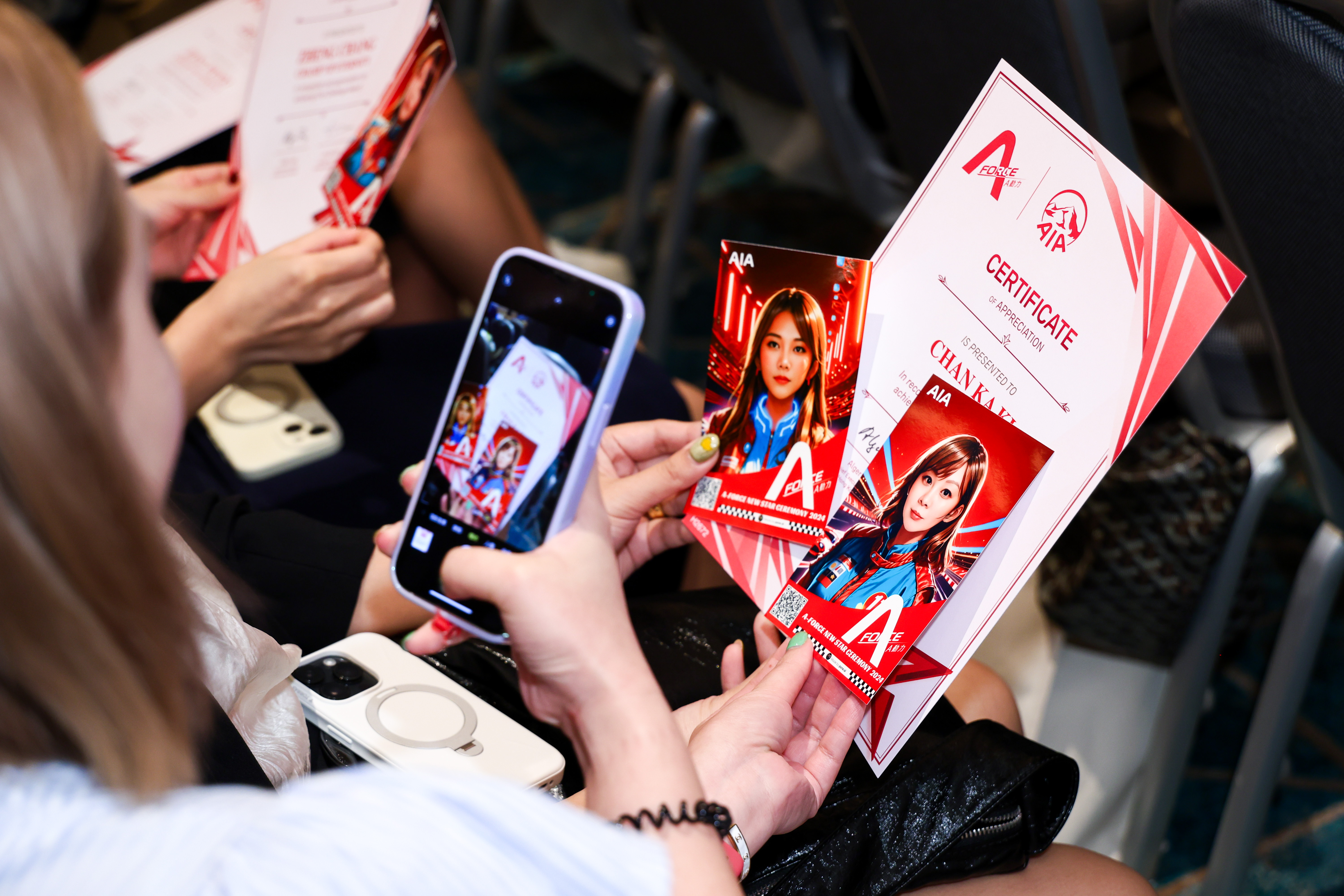
If you run event marketing, the wrong question is whether people “liked the booth.” The better question is what the booth produced: attention, shares, leads, and reusable brand assets.
That is why AI Photo Booth ROI is different from traditional photo booth ROI. A standard booth is usually judged on footfall and smiles. An AI Photo Booth can do much more. It turns each guest into a shareable branded asset in seconds, gives marketing teams measurable outputs, and can feed both social distribution and sales follow-up.
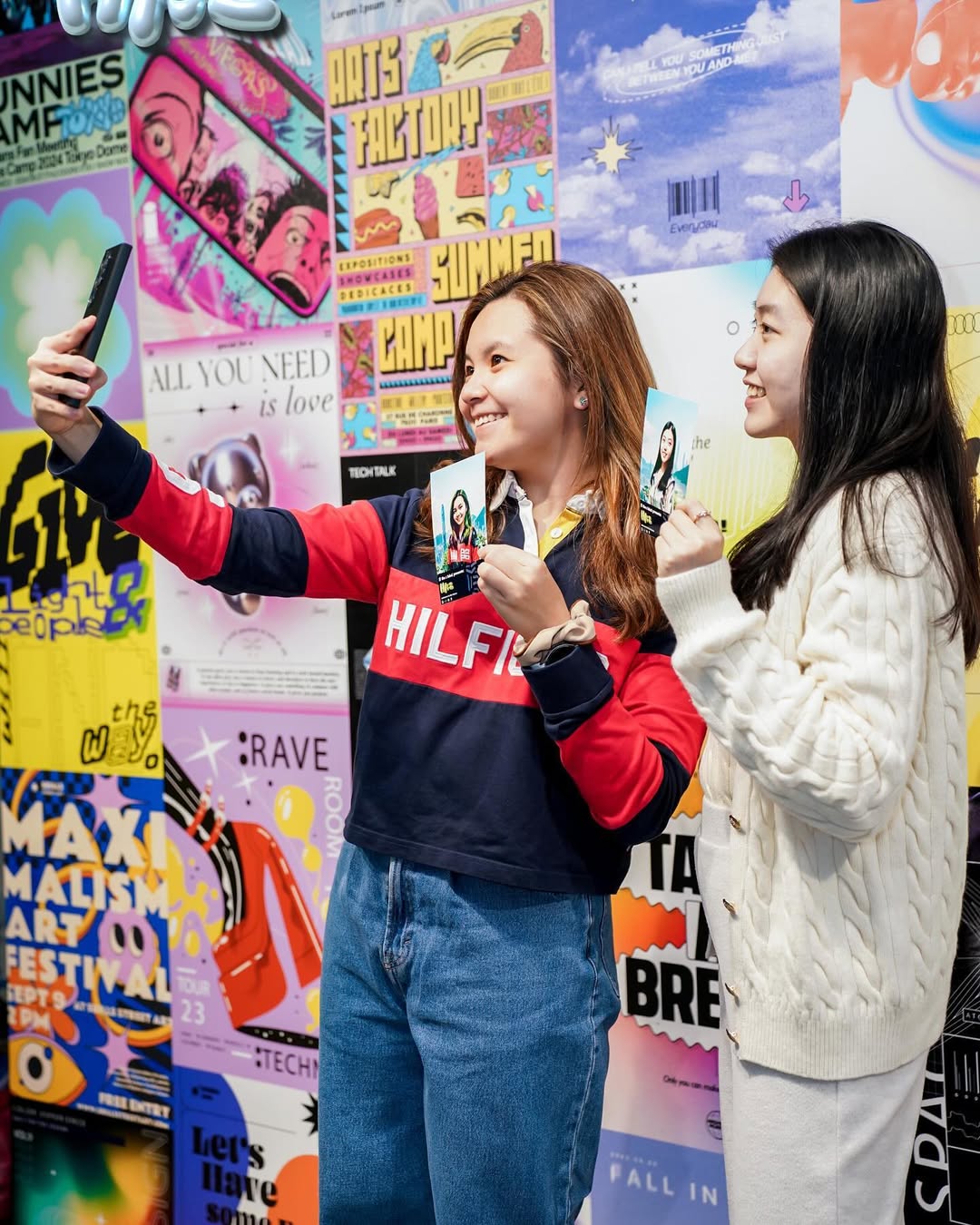

PONS.ai sees this difference every week across corporate events, launches, conferences, retail activations, and culture-led campaigns. In its published event content, PONS.ai says its activations regularly push participation above 70% of attendees, with outputs generated in about 10 seconds. It also says it has created millions of AI photos globally since 2021. That is the core ROI story: the experience is not just entertaining, it is a content engine.
For teams under pressure to prove value, that matters. The booth is no longer a side attraction; it is a measurable touchpoint that can support both brand and revenue goals without feeling forced. In practice, that makes it easier to justify the budget and easier to scale the next activation.
What AI Photo Booth ROI actually means
AI Photo Booth ROI is the return you get from the full activation, not just the booth itself. If you only count “number of photos taken,” you are undercounting the value.
A better model includes:
- Participation — how many attendees used the activation
- Shareability — how many outputs were posted, forwarded, or reused
- Lead capture — how many qualified contacts were collected
- Content value — how many assets marketing can reuse later
- Brand lift — how much the event improved recall and perception
- Pipeline influence — how many meetings, demos, or follow-ups were triggered
That is why AI Photo Booths are especially strong for B2B and enterprise events. The output is not just a souvenir. It is a branded asset with a measurable downstream effect.
The simplest way to measure ROI
The cleanest working formula is:
ROI = (earned media value + lead value + content reuse value + pipeline influence - total activation cost) / total activation cost
You do not need to overcomplicate it. You do need to assign conservative values.
For example:
- Earned media value = the value of social reach, impressions, and reposts
- Lead value = expected value of captured contacts or booked meetings
- Content reuse value = value of reusable imagery for social, website, decks, and internal comms
- Pipeline influence = value of opportunities that move forward because the activation improved recall or trust
If you want a safe internal model, use a simple scoring system instead of inflated media-equivalent math. That keeps the conversation honest.
The six metrics that matter most
### 1) Participation rate
This is the first number to watch. Participation rate tells you how many people actually used the activation.
Formula:
Participation rate = users / event attendees
For open activations, strong creative and a short wait time matter more than almost anything else. PONS.ai’s own published content says its activations regularly exceed 70% participation, which is a strong benchmark for a live brand experience.
### 2) Share rate
A great booth can still fail if nobody shares the output.
Formula:
Share rate = shared outputs / generated outputs
This matters because social sharing extends the event far beyond the venue. If guests keep the image but never post it, you still get brand memory, but you lose distribution.
### 3) Lead capture rate
For corporate events, this is where ROI becomes tangible.
Formula:
Lead capture rate = qualified leads / users
A lead does not need to be a hard sell. It can be an email, a QR scan, a follow-up opt-in, or a form submission tied to a campaign segment.
### 4) Cost per meaningful engagement
Do not stop at cost per photo. One image can be cheap but meaningless. One high-quality interaction can be worth far more.
Formula:
Cost per meaningful engagement = total activation cost / meaningful outcomes
Meaningful outcomes might be: shares, qualified leads, booked meetings, or reusable content pieces.
### 5) Content reuse value
This is where AI Photo Booths often beat traditional photo booths.
Every great output can be reused by:
- social media teams
- CRM teams
- event recap decks
- internal comms
- post-event nurture campaigns
That reuse is real value, even if it never shows up in a direct conversion spreadsheet.
### 6) Pipeline influence
For B2B brands, the best ROI is often delayed.
An attendee might not convert on the spot. But the activation can improve memory, start a conversation, and make the follow-up easier. If a booth helps a sales team get a second meeting, it has already earned its keep.
Why AI Photo Booths outperform traditional booths on ROI
Traditional photo booths are fine for souvenirs. AI Photo Booths are built for distribution.
| Factor | Traditional booth | AI Photo Booth |
|---|---|---|
| Output | Simple photo | Personalized branded asset |
| Speed | Fast, but limited value | About 10 seconds per generation |
| Shareability | Moderate | Very high when the creative is strong |
| Brand control | Limited | High |
| Analytics | Basic | Much richer |
| Reuse value | Low | High |
| ROI story | Mostly experiential | Experiential + content + lead + pipeline |
That is the core shift. The booth stops being a prop and becomes a marketing system.
What good ROI looks like in real PONS.ai activations
PONS.ai’s published case work shows how this plays out in practice.
### AWS TechFest
At AWS TechFest in Hong Kong, the audience was technical, fast-moving, and enterprise-heavy. A normal photo corner would have felt too flat. The AI Photo Booth was useful because it gave attendees something branded, shareable, and premium without slowing down the event flow.
The ROI signal here is not just “people enjoyed it.” It is that the activation fit a serious tech audience and still created distribution.
### KPMG
For KPMG’s anniversary celebration, PONS.ai says the activation generated hundreds of unique, high-quality images that attendees shared across LinkedIn and internal channels.
That matters because it shows how AI Photo Booths work in conservative corporate environments. The output can still feel professional, on-brand, and worth sharing.
### Starbucks APAC
Starbucks APAC used personalized AI art for employee engagement. That is a different kind of ROI: internal brand value.
When employees actually want to keep and share the content, the activation is doing more than marketing. It is building culture.
### foodpanda
foodpanda’s anniversary activation turned a standard celebration into playful, highly shareable branded content.
The ROI signal here is social amplification. If attendees keep sharing the outputs, the event keeps working after the venue closes.
### CR7 LIFE Museum
A public attraction like CR7 LIFE Museum proves the format can work outside the corporate conference world too. Here the value is through visitor delight, high participation, and content that extends the visit into a shareable moment.
### Why these examples matter
Across all of these, the pattern is the same:
- fast generation keeps the line moving
- personalization increases emotional pull
- branded output increases shareability
- shareability increases reach
- reach increases business value
That is ROI you can actually defend.
How to measure ROI before, during, and after the event
### Before the event
Set the measurement plan before anyone arrives.
- define the primary goal: leads, reach, engagement, or brand lift
- assign a value to each outcome conservatively
- create QR codes, UTM links, or event-specific landing pages
- decide what counts as a qualified lead
- align sales, marketing, and event teams on the same metrics
If you skip this step, the post-event report becomes guesswork. Worse, your team will argue about vanity metrics instead of business outcomes.
### During the event
Track the live numbers.
- number of users
- time per generation
- queue length
- share rate
- scan-to-submit rate
- top creative variations
- which time blocks performed best
This tells you not only whether the booth worked, but when and why it worked.
### After the event
Look at the delayed value.
- social reach and reposts
- website visits from QR or UTM traffic
- leads that booked calls or demos
- internal reuse in decks and recaps
- follow-up response rate
The real ROI of an AI Photo Booth often shows up in the 24–72 hours after the event, and sometimes later in pipeline.
What makes ROI stronger or weaker
The same tool can produce very different ROI depending on execution.
### ROI gets stronger when
- the creative feels premium and on-brand
- the output is fast enough to avoid queues
- the experience is simple to understand
- the share flow is frictionless
- the audience is a good fit for personalization
- the activation is tied to a real campaign objective
### ROI gets weaker when
- the creative is generic
- the booth feels like a gimmick
- the queue is too long
- there is no sharing or lead capture flow
- the audience has no reason to care
- the team never defines success in advance
The lesson is simple: the technology is only part of the ROI. The brief matters just as much.
ROI by event type
Different events want different outcomes, so the measurement model should change with the room.
| Event type | Primary ROI goal | Best metric mix |
|---|---|---|
| Corporate conference | Lead capture + brand recall | Participation, lead capture, follow-up rate |
| Product launch | Social reach + launch buzz | Share rate, reach, content reuse |
| Internal event | Employer brand + morale | Participation, internal shares, employee feedback |
| Retail pop-up | Foot traffic + repeat engagement | Dwell time, queue conversion, return visits |
| Trade show | Qualified pipeline | Lead capture, meetings booked, post-event response |
| Museum / attraction | Visitor delight + social distribution | Participation, share rate, average dwell time |
The point is not to force every event into one KPI. The point is to match the KPI to the business outcome. That is how you avoid overclaiming and still show real value.
Benchmarks you can actually use
A good benchmark should be conservative enough to trust.
- Participation: if the experience is open and the creative is strong, you want a meaningful share of attendees to try it. PONS.ai’s own published content says its activations regularly exceed 70% participation.
- Speed: around 10 seconds per generation is the sweet spot for keeping flow moving.
- Content quality: every output should feel usable by marketing, not just fun for the attendee.
- Shareability: if the generated asset is something people would post without being pushed, you are in the right zone.
- Reuse: the strongest activations create assets that can live in social, CRM, sales, and internal comms.
The smarter question is not “is this good?” It is “is this better than what we would have created manually, and at what cost?”
Common mistakes that wreck ROI
The fastest way to kill ROI is to treat the booth as an afterthought.
### Mistake 1: building the experience for the vendor, not the audience
If the creative looks impressive to your internal team but does not match the event audience, usage drops. A finance summit needs a very different tone from a fashion launch or a gaming event.
### Mistake 2: measuring only output volume
A thousand generated images sounds impressive until you realize nobody shared them and no leads were captured. Volume is not value.
### Mistake 3: making the flow too complicated
Every extra step cuts participation. If the guest needs to read a long instruction sheet or fill a long form before seeing value, the activation slows down and the line gets cold.
### Mistake 4: forgetting the follow-up
A booth can create attention on day one and still underperform if the follow-up is weak. The best ROI often shows up when the event content is reused in the next email, post, or sales call.
### Mistake 5: not linking the booth to a campaign goal
If the activation is just “something fun to have,” it will be judged as fun. If it is tied to product launch buzz, lead generation, employee engagement, or client entertainment, it can be judged on business terms.
A practical ROI checklist for event teams
Before the event:
- choose one primary goal
- define two secondary goals
- set a conservative value for each outcome
- prepare QR and UTM tracking
- brief the booth design around the audience
During the event:
- watch participation rate
- monitor average wait time
- check share behavior
- note the best-performing creative variants
- capture photos of the booth in action for the recap
After the event:
- count users, shares, and leads
- measure traffic and follow-up response
- package the best outputs for sales and social teams
- turn the data into a short case study
If you do this consistently, every activation gets better.
How to turn event results into a report
A good post-event report should be short, visual, and decision-friendly.
Use a simple structure:
1. Objective — what the event was supposed to achieve
2. What we launched — the creative concept, audience, and flow
3. Top numbers — participation, shares, leads, and reuse
4. What worked — which creative variants, time slots, or audience groups performed best
5. What to improve — speed, signage, CTA flow, or post-event follow-up
6. Next action — whether to repeat, scale, or change the activation
If you can show those six items clearly, the conversation moves from “did the booth work?” to “how do we use this again?” That is where ROI starts compounding.
FAQs
How do I measure AI Photo Booth ROI if I do not have direct sales data?
Use proxy metrics. Participation, shares, qualified leads, and content reuse are all valid business indicators. If sales attribution is slow, track follow-up meetings and post-event engagement first. A clean proxy model is better than a vague promise.
What is a good participation rate for an AI Photo Booth?
It depends on the event format, but the stronger activations usually pull a large share of attendees into the experience. PONS.ai’s published event content says its activations regularly exceed 70% participation.
Is AI Photo Booth better for awareness or conversion?
Both, but not in the same way. It is strongest at awareness, engagement, and content generation. For conversion, it works best when paired with lead capture, a clear CTA, and a relevant follow-up sequence.
How fast should the experience be?
Fast enough that people do not lose interest. PONS.ai says its AI generation takes about 10 seconds, which is a strong benchmark for live event flow.
Conclusion
If you want event ROI, do not treat the booth as a decoration. Treat it as a distribution engine.
The best AI Photo Booths do four jobs at once: they attract attention, create shareable content, capture leads, and leave behind assets your team can keep using after the event.
That is why the category matters. It is not just about making people smile. It is about turning live attention into measurable business value.
The real test is simple: if the experience disappeared tomorrow, would your event lose a lot of reach, content, and follow-up momentum? If the answer is yes, the booth is doing more than entertaining people. It is creating value your team can actually feel after the event ends. That is the kind of asset smart marketers want to repeat. It compounds. The goal is not vanity metrics; it is a reusable asset that keeps paying off in future campaigns, sales follow-ups, and internal storytelling too.
Book a demo with PONS.ai


Comments