

AI Photo Booth for Corporate Events: ROI, Setup & Best Practices
- Perla

- May 31
- 8 min read
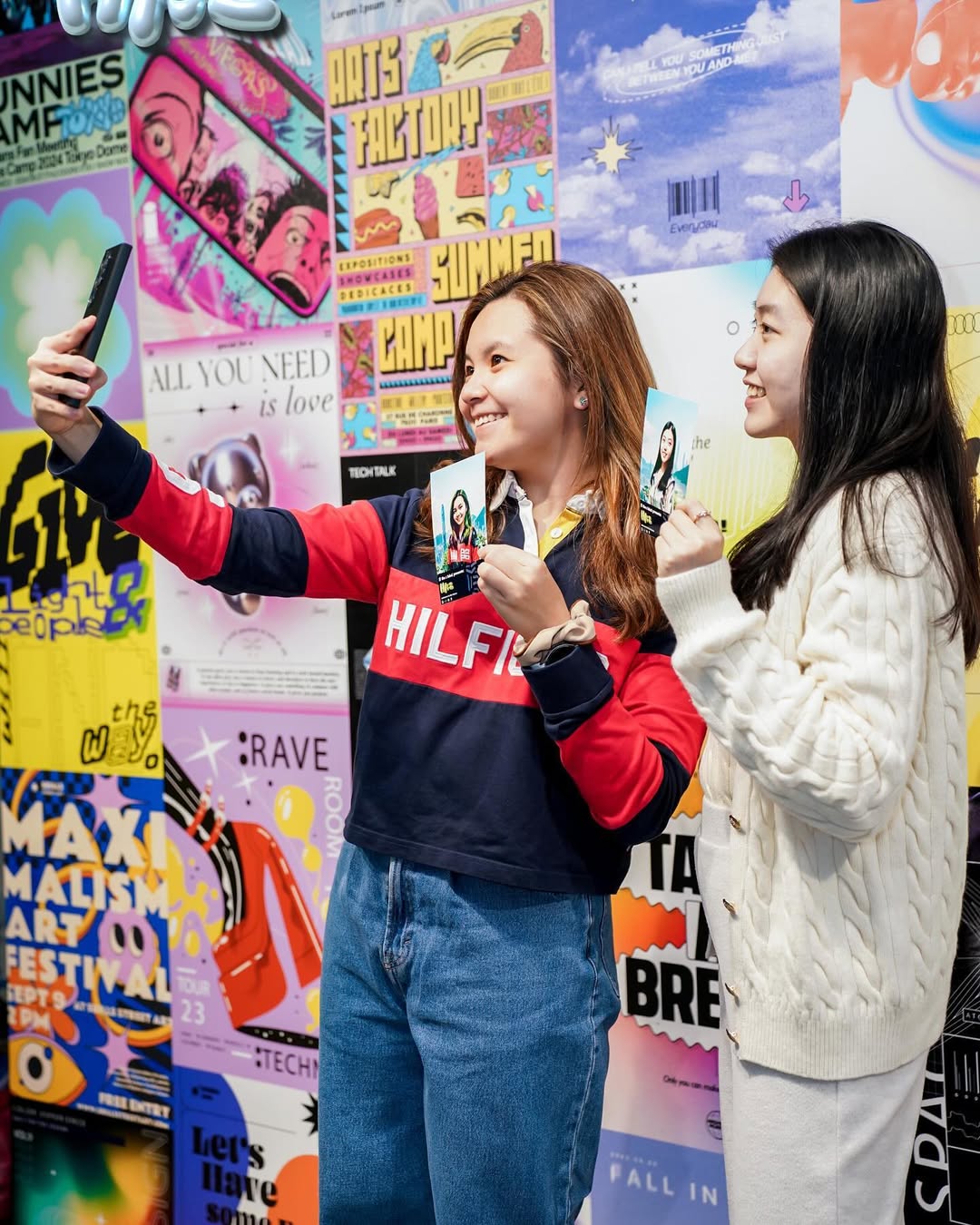
Most corporate event teams do not need another gimmick. They need a format that gets people to stop, participate, share, and remember the brand after the room empties. That is why AI Photo Booths have moved from novelty to infrastructure for conferences, product launches, partner summits, employee days, and brand activations.
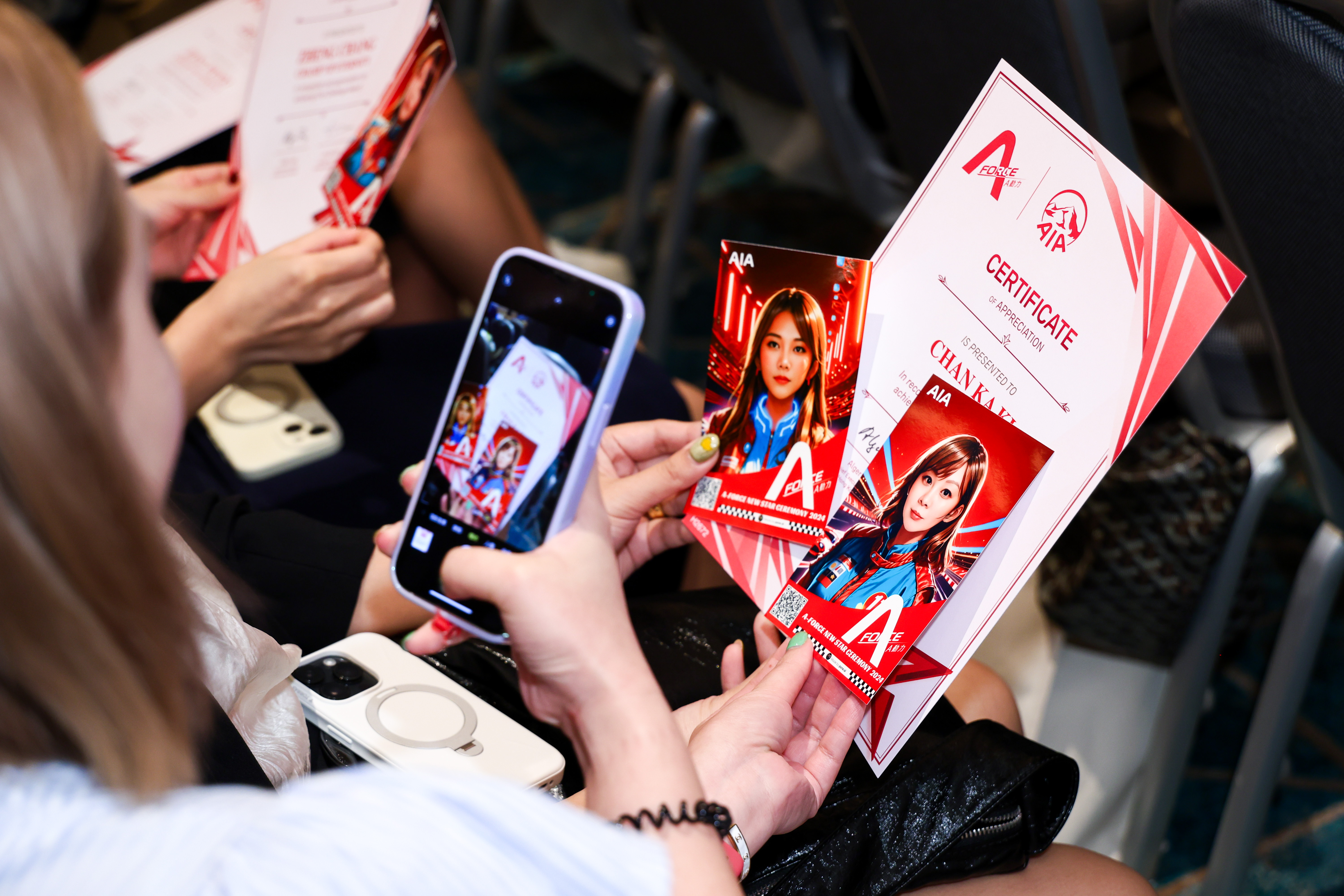
The difference is simple: a standard photo booth gives people a picture. An AI Photo Booth gives them a branded asset they actually want to keep and share. In practice, that can mean a personalized portrait, a themed campaign visual, or a post-event content piece that keeps working long after the live experience is over. When the experience is designed well, it turns a 30-second interaction into engagement, data capture, and organic reach.
At PONS.ai, we have seen this pattern across real enterprise work for CR7 LIFE Museum, foodpanda, KPMG, HSBC, AIA, JCDecaux, Sandbox VR, AWS TechFest, and Maersk. The category is not about “cool AI” for its own sake. It is about turning attendance into content, and content into measurable business value.
Why corporate events need more than a photo booth
Corporate events are under more pressure than ever. Event teams are expected to deliver a good experience, create something social, collect useful leads, and justify the budget in the next stakeholder review. That is a hard brief for a simple booth.
The old model treated the booth as entertainment. The new model treats it as a performance channel. If an activation can create attention, generate shareable output, and produce follow-up assets for CRM or social media, it becomes part of the event strategy rather than a decorative add-on.
This matters because attendee expectations have changed. Bizzabo’s 2026 benchmark coverage points to a clear shift: teams are being asked to prove ROI while audiences demand better experience quality, networking value, and personalization. That combination is exactly where AI Photo Booths perform well. They make the experience feel tailored without forcing the attendee through a complicated workflow.
The best corporate event experiences also do one thing traditional booths often struggle with: they travel. A guest leaves with something they want to post on LinkedIn, send on WhatsApp, or drop into a recap thread. That is where the booth starts multiplying its own value.
What an AI Photo Booth changes
An AI Photo Booth changes the output, the speed, and the economics of the activation.
First, it changes the output. Instead of a generic photo strip, the attendee gets a visual asset that reflects the event theme, the brand style, or a campaign idea. That makes the result feel earned, not templated.
Second, it changes the speed. PONS.ai typically targets output in about 10 seconds, which matters more than most teams expect. If the line moves, the booth feels premium. If it stalls, the whole activation loses momentum.
Third, it changes the economics. A booth that produces photo output only has one job. A booth that also generates social sharing, opt-in leads, and reusable content can support awareness, pipeline, and post-event communication at the same time.
Snapbar’s recent UGC coverage is a good reminder of why this works. Their event UGC guide notes that 67% of attendees are very likely to create and share content during an activation. That means the question is not whether guests will share. It is whether you designed the booth to make sharing easy and worth it.
Where it fits in the corporate event funnel
The most effective way to think about an AI Photo Booth is as a funnel asset.
At the top, it creates attention. People stop because the output looks interesting, personalized, and different from the usual event stand.
In the middle, it creates participation. Once someone takes part, the booth has already won a few seconds of focused attention that many other event touchpoints never get.
Near the bottom, it creates data and content. If the flow includes QR delivery or email capture, the activation can collect contacts without feeling like a hard sell. If the output is branded and shareable, the same interaction can produce organic impressions after the event ends.
That layered value is why the format works so well for corporate conferences, partner events, product launches, and internal employee experiences. The booth can be tuned toward awareness, lead generation, employer branding, or social content depending on the goal.
Real examples from PONS.ai
The strongest corporate event content is always specific. Here is what that looks like in practice.
At AWS TechFest, the challenge was to serve a technical audience that expects real utility, not empty spectacle. The AI Photo Booth had to feel fast, clean, and relevant to the event’s innovation narrative. The result worked because it respected the room: the booth was part of the experience design, not a distraction from it.
At HSBC and KPMG, the value was different. The use case was not just “make something fun.” It was to create a polished, brand-safe, high-participation moment that still felt enterprise-appropriate. That balance matters in financial services, where the brand bar is high and the output has to feel controlled.
At AIA, the booth supported internal engagement. That is a different kind of ROI, but it is still real. Employee events can use the same mechanics to improve participation, morale, and employer-brand content.
At foodpanda, CR7 LIFE Museum, JCDecaux, Sandbox VR, and Maersk, the pattern stayed consistent: when the output feels personal, people keep it, share it, and remember it. That is why PONS.ai keeps the focus on the attendee first and the brand second. If the participant likes the output, the brand wins twice.
The ROI model event teams can defend
A useful ROI model should not stop at rental cost. It should measure participation, shares, leads, and content output.
Here is a simple way to think about it.
If 500 attendees come to the event, and 40% use the booth, you have 200 participants. If each participant shares once on average and their network reach is about 300 people, the activation can create roughly 60,000 organic impressions before paid media. If 20% of participants opt in or become qualified leads, that gives you 40 leads from one activation.
That is the kind of math stakeholders understand.
It also helps to separate value into buckets:
- awareness value from impressions and social reach - lead value from captured contacts and follow-up potential - content value from branded assets the team can reuse after the event - brand value from recall, sentiment, and the quality of the experience
The mistake many teams make is undervaluing post-event content. A gallery of 200 branded images is not just a gallery. It is a month of social posts, internal recaps, sales enablement assets, and follow-up emails.
AI Photo Booth vs traditional photo booth
The difference is not just creative. It is strategic. Traditional booths are good for photos. AI Photo Booths are better when the output itself has marketing value.
What to ask before you book one
Do not buy the booth. Buy the outcome.
Ask for the average generation time, throughput per hour, participation rate from similar events, share completion rate, lead capture options, analytics access, and post-event asset delivery speed.
Then ask one more question: what does the booth do after the event ends?
If the answer is “nothing,” the activation is leaving value on the table. If the answer includes recap content, social follow-up, CRM support, or re-usable campaign assets, now you are talking about a proper event system.
How to set it up without friction
The best AI Photo Booth setup is the one the attendee barely has to think about.
Keep the flow short. Make the start point obvious. Use clear signage. Put the booth near registration, coffee, or a natural dwell zone rather than in a dead corner. Keep the visuals clean and the instructions simple. If the output is meant for corporate sharing, make it look polished enough for LinkedIn, not just fun enough for an afterparty.
A few practical rules help:
- reduce steps between first tap and final output - avoid app downloads where possible - use QR delivery for fast sharing and retrieval - keep the branding obvious but not overpowering - make sure the output format fits the audience’s channel of choice
For Hong Kong events, that often means a design that feels premium and efficient. For regional roadshows or global enterprise events, it also means making the output consistent enough that it can travel across markets without feeling localised to one room only.
When AI Photo Booths work best
They work especially well in four situations.
Corporate conferences: the booth becomes a traffic magnet and a content engine.
Product launches: the booth becomes part of the campaign story and gives guests something worth posting.
Trade shows: the booth helps convert attention into useful contacts.
Employee events: the booth supports morale, internal sharing, and employer branding.
They also work for partner events, leadership summits, awards nights, and any activation where the brand wants something more memorable than a generic backdrop.
When not to use one
An AI Photo Booth is not the right answer for every brief.
If the event is extremely formal and has no room for interaction, you may need a quieter format. If the audience has no appetite for visuals or sharing, the booth may underperform. If the brand cannot approve output quickly, the workflow may slow down.
In other words, the booth needs room to breathe. It works best where there is a little energy, a little curiosity, and a clear reason for people to participate.
FAQ: AI Photo Booths for corporate events
Does an AI Photo Booth work for serious B2B audiences?
Yes. In fact, technical or enterprise audiences often respond well when the experience is clean, fast, and obviously useful. They do not need gimmicks. They need something that feels considered.
Can it help with lead generation?
Yes, if the delivery flow includes opt-in or QR capture. The booth can be designed to turn participation into follow-up without making the attendee feel trapped in a sales form.
Is it only for big conferences?
No. Smaller corporate events can still benefit, especially when the audience is targeted and the content output is valuable.
What kind of brands use this well?
Enterprise, fintech, retail, tech, hospitality, exhibitions, and internal HR or employer-brand events all use the format well when the objective is clear.
How does this help SEO and GEO?
Because the content is specific, entity-rich, and structured around real use cases. That makes it easier for search engines and AI answer engines to understand the page and trust it as a source.
What should you include in the creative brief?
The best AI Photo Booth campaigns start with a clear brief. If the goal is fuzzy, the output gets fuzzy too.
If you already know the event type and KPI, a vendor can usually shape the rest of the experience quickly. If you know neither, the booth may still be fun, but it will not be strategic.
A simple decision matrix for corporate teams
This is where AI Photo Booths beat generic activations. They can be tuned toward the outcome the team actually needs instead of trying to do everything at once.
What makes PONS.ai different?
The short answer is that PONS.ai is built for real event environments, not demo decks.
We focus on speed, brand control, and output quality because those are the three things that make or break enterprise activations. A flashy prototype is easy to like in a meeting. A booth that survives real foot traffic, keeps the queue moving, and still produces on-brand output is much harder to build.
That is why our work across CR7 LIFE Museum, foodpanda, KPMG, HSBC, AIA, JCDecaux, Sandbox VR, AWS TechFest, Starbucks APAC, and Maersk matters. The use cases are different, but the standard is the same: the output has to feel personal, the workflow has to feel easy, and the brand has to look good.
The bottom line
An AI Photo Booth is not just a nicer photo booth. It is a way to turn attendance into content, engagement into data, and a live event into something that keeps paying off after the doors close.
For corporate events, that is the difference between a nice moment and a measurable asset.
If your next activation needs to feel premium, brand-safe, and actually useful, this is one of the few event formats that can do all three at once.
Why this matters especially for Hong Kong teams
Hong Kong event teams usually work under tight timelines, compact venues, and very high expectations from stakeholders. That makes a fast, polished, easy-to-brief activation especially valuable. When the booth can generate strong visuals without slowing down the room, it becomes a practical tool instead of another thing to manage.
For brands that move between Hong Kong, Singapore, Dubai, London, and the US, the biggest advantage is consistency. A well-designed AI Photo Booth can keep the same campaign logic while adapting the output to different markets and audiences.
Book a demo with PONS.ai


Comments