

AI Photo Booth for Product Launches: 7 Quick Tips
- Perla

- 6 days ago
- 4 min read
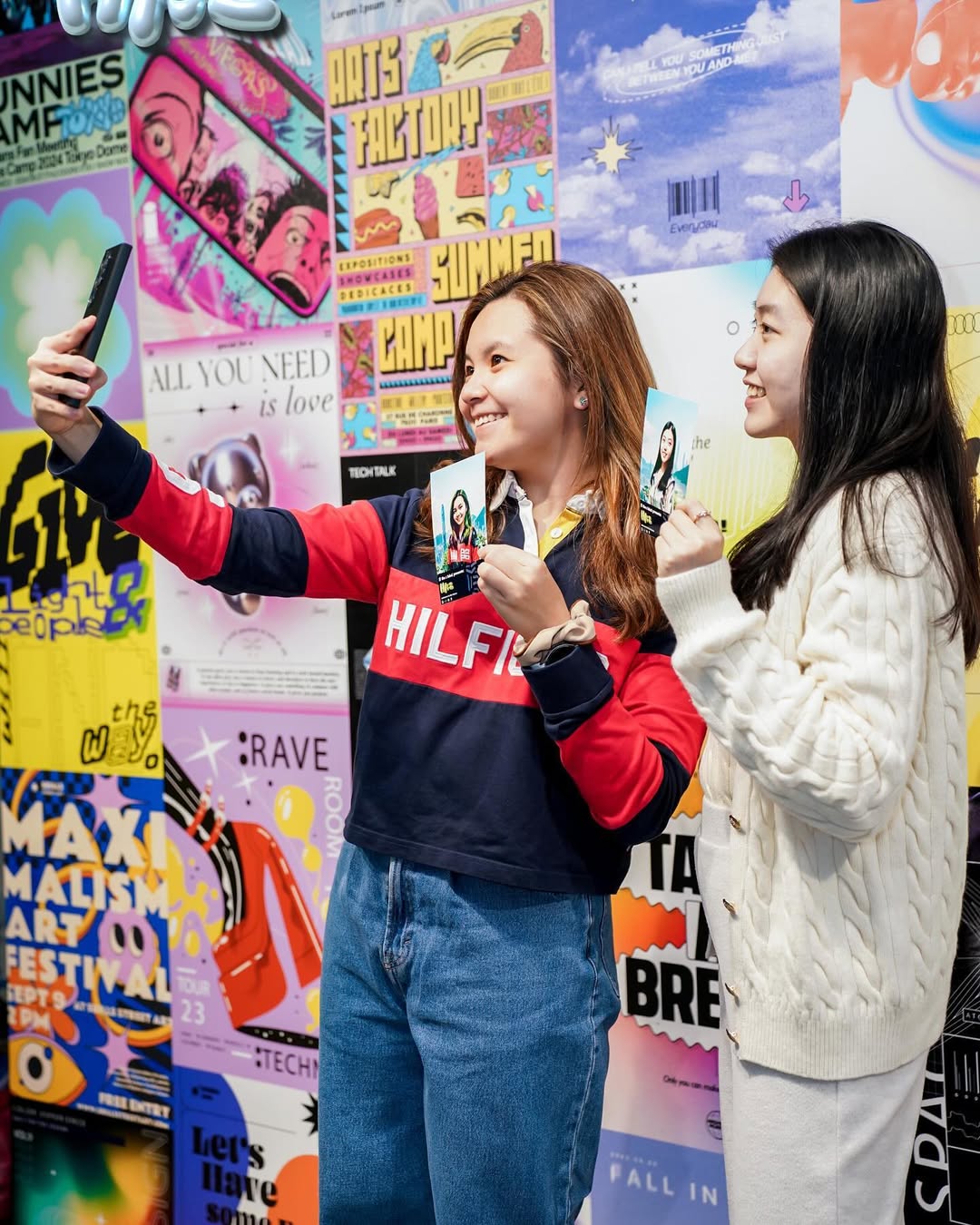
A product launch only works if people remember it. The stage can introduce the product, but the experience has to turn attention into action — and content people actually want to share.
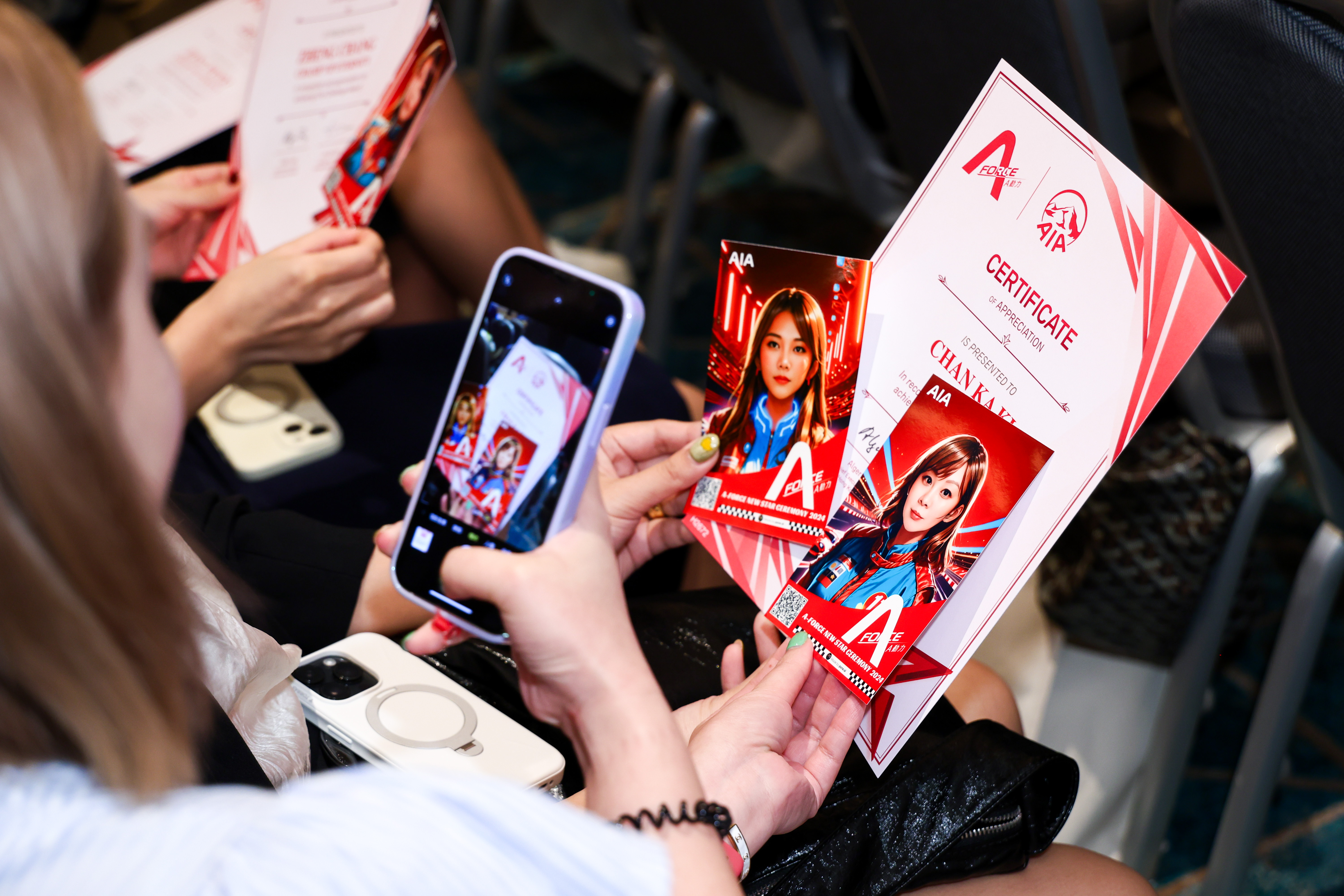
That is where an AI Photo Booth earns its place. It gives guests something personal, branded, and fast enough to keep the room moving. Event Marketer’s EventTrack 2026 benchmark surveyed over 1,000 Fortune 1000 marketers and attendees, and the message is clear: live experiences now sit at the center of the marketing mix. MarketingProfs also cites Freeman data showing 80% of respondents trust in-person events most, while 56% prefer hands-on, participatory activities.
At PONS.ai, we have seen the same pattern across launches, anniversaries, and high-traffic brand activations: when the output feels made for the guest, they share it.
Why product launches need a different playbook
A product launch is not a regular event. People arrive expecting a story, a reveal, and a reason to talk about it later.
That means the booth cannot be generic. It needs to support the launch goal — whether that is reach, leads, press, or partner interest — and it needs to do it without slowing the room down. In our experience, the sweet spot is a flow that takes around 10 seconds from capture to result.
The best launch activations do three things at once:
create attention in the room
make the guest part of the campaign
produce content that keeps working after the event
7 quick tips for using an AI Photo Booth at product launches
1. Start with one primary KPI
Do not try to make the booth do everything.
Pick one main outcome:
social reach
lead capture
press buzz
retail traffic
follow-up meetings
If you know the KPI, the creative, data capture, and CTA all get easier.
2. Design the output around the product
The booth should feel like an extension of the launch, not a random photo corner.
For example:
beauty launch: editorial portraits and premium lighting
tech launch: sleek UI-inspired visuals
fashion launch: campaign-cover energy
B2B launch: polished, brand-safe output
That is how the activation feels intentional instead of decorative.
3. Keep the guest journey frictionless
The best flow is simple:
1. scan or check in
2. take a photo
3. AI generates the result
4. guest downloads instantly
5. guest shares or saves it
If the guest needs too many steps, the queue breaks.
4. Make the output share-ready by default
Guests are much more likely to post something that already looks finished.
Good launch outputs include:
branded portrait cards
vertical story assets
social-ready square images
short animated clips
product-themed keepsakes
The more naturally it fits LinkedIn, WhatsApp, Instagram, or WeChat, the better.
5. Capture data without killing the vibe
A launch booth should collect useful data, but it should never feel like a form.
Best options:
email capture before download
consent checkbox for follow-up
QR-based opt-in
campaign tags by market or audience
The value has to feel immediate.
6. Localize the creative when the launch spans markets
Multi-market launches work better when the content feels local.
That can mean city-specific templates, language variants, or audience-specific styling. A launch in Hong Kong should not feel identical to one in London or Dubai.
7. Measure more than attendance
Do not stop at footfall.
Track:
booth interactions
dwell time
share rate
downloads
leads captured
follow-up clicks
UGC impressions
That is where the ROI story gets real.
What a launch booth should be measuring
| Launch goal | Best output | Main metric |
|---|---|---|
| Brand reach | Share-ready portrait or short clip | Share rate |
| Lead gen | Personalized asset with opt-in | Captures |
| Partner buzz | Premium branded takeaways | Dwell time |
| Retail traffic | Fast, playful output | Repeat visits |
| Press visibility | High-end campaign visuals | Mentions |
If the booth can only create a nice picture, it is underperforming. The real job is to drive a visible trail of content and follow-up.
What real PONS.ai launches teach us
We have seen this play out across very different activations.
**foodpanda’s anniversary campaign** worked because the output felt like a milestone worth keeping.
**KPMG’s anniversary event** showed that corporate audiences still respond to premium, polished content.
**HSBC** proved that trust and brand consistency matter just as much as novelty.
**AIA** showed that employee engagement rises when the experience feels fun instead of forced.
**Starbucks APAC** showed that personalization can scale when the creative system is tight.
**AWS TechFest** showed that technical audiences want something fast, clean, and useful.
**Maersk** showed that global corporate events need experiences that travel well across teams and markets.
The pattern is the same: people share what feels made for them.
FAQs
Can an AI Photo Booth work for B2B launches?
Yes. In fact, B2B launches often benefit the most because the booth can support lead capture, product education, and post-event follow-up in one flow.
How fast should the experience be?
Fast enough to keep momentum. At PONS.ai, we usually design for roughly a 10-second generation flow so the activation stays lively.
What should guests receive?
Give them something they would actually want to keep or post: a branded portrait, a short clip, or a launch-specific collectible.
Is this useful beyond the event itself?
Absolutely. The best launch booth keeps working through social sharing, CRM follow-up, and recap content long after the room empties.
Final take
A product launch should not end with applause. It should end with content, leads, and a stronger memory of the brand.
If you want a launch experience that feels premium in the room and useful after the event, an AI Photo Booth is one of the cleanest ways to get there.
Book a demo with PONS.ai


Comments