

AI Photo Booth FAQ: 7 Questions Before You Book

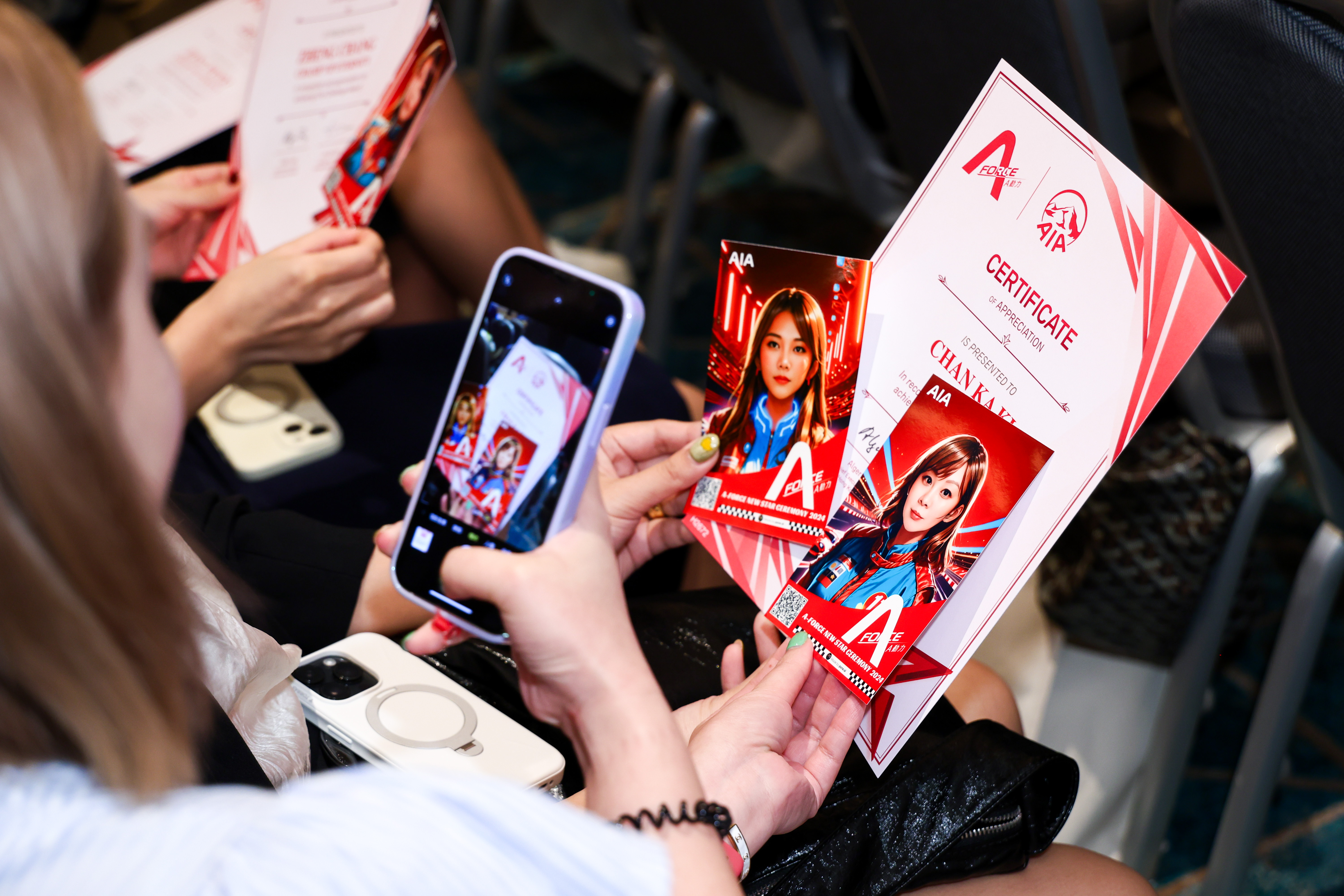
A good AI Photo Booth should feel simple for the guest and useful for the brand. In Hong Kong, that matters even more: HKCEC hosted 812 events in 2025, exhibitor numbers grew 13.9%, and every activation is competing for attention in a crowded room. At PONS.ai, we have learned that the best booth is not the flashiest one — it is the one that keeps the pace, fits the brand, and turns one interaction into content people actually keep and share.
We have seen that pattern across CR7 LIFE Museum, foodpanda, HSBC, KPMG, AIA, JCDecaux, AWS TechFest, and Maersk. The formula is consistent: fast output, strong branding, and a guest journey that does not feel like work.
How fast should an AI Photo Booth be?
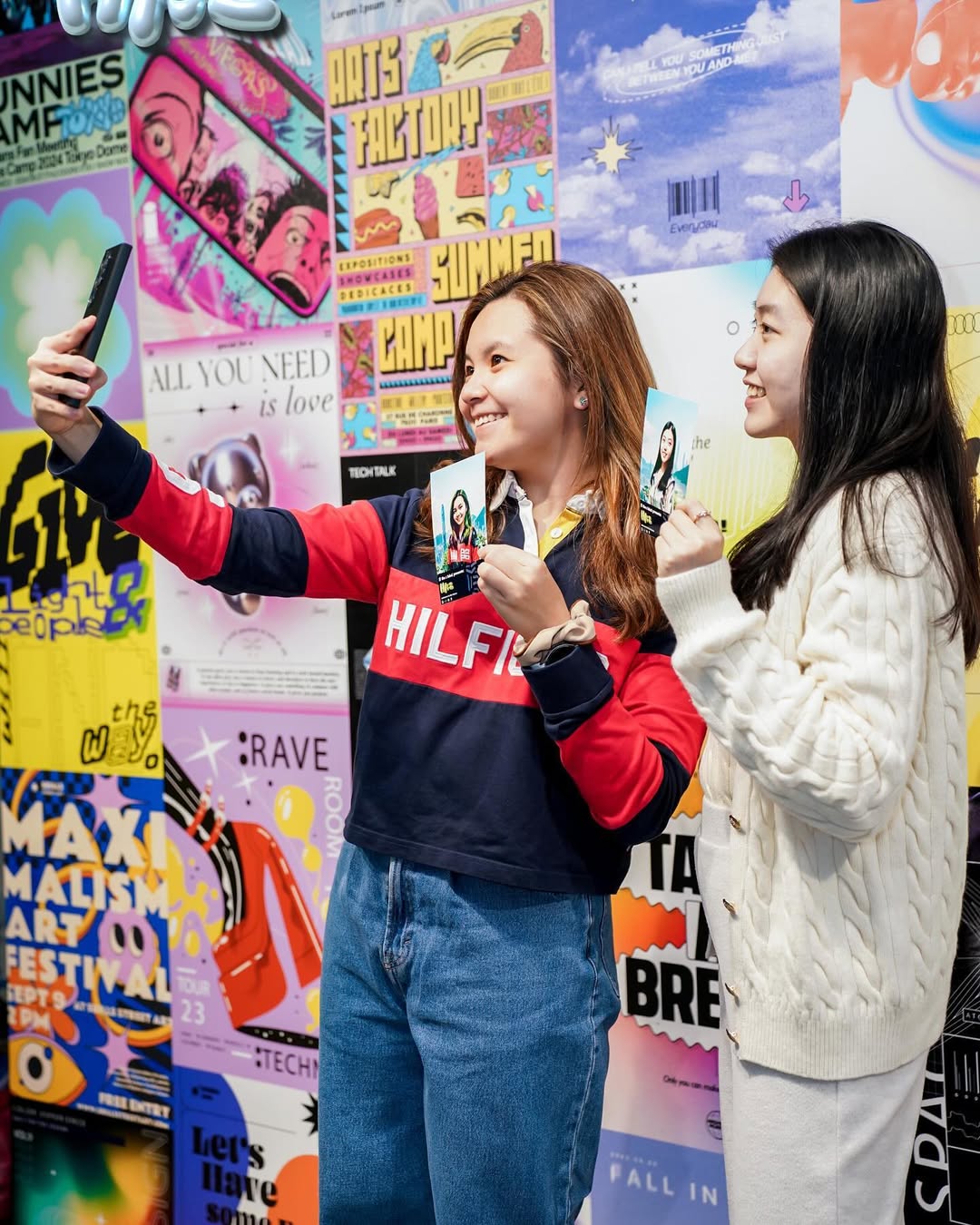
Fast enough that the queue never feels heavy. For most event floors, around 10 seconds from capture to result is the sweet spot. If guests wait too long, the booth loses energy. If the output comes back quickly, the room stays alive and the content keeps moving.
Speed matters most at trade shows, conferences, and launches because the booth is competing with stage talks, networking, and brand demos. A faster flow also improves sharing, because guests are more likely to download and post something they receive while they are still in the moment.
What should we prepare before the event?
The best activations are simple on the surface and prepared underneath. Before launch day, make sure you have:
- one clear campaign goal
- a branded visual direction
- a short guest flow
- a data capture plan
- a sharing or delivery method
- a follow-up owner after the event
If the goal is lead generation, keep the form light. If the goal is social reach, make the output look ready for LinkedIn, WhatsApp, or Instagram. If the goal is premium brand recall, let the design feel more editorial and less playful.
Can the booth match our brand and campaign theme?
Yes — and that is where the real value starts. A generic booth gives you a picture. A good AI Photo Booth gives you a brand asset.
It should be able to match:
- brand colors and typography
- launch themes and seasonal campaigns
- city-specific or market-specific versions
- premium, playful, or corporate tone
- print, QR, or social-ready output formats
That is why PONS.ai works well for both consumer-facing moments and enterprise events. The booth can feel different for foodpanda than it does for HSBC, and different again for AWS TechFest or KPMG. Same engine, different story.
How does it help with leads and ROI?
This is the part most teams care about after the event. An AI Photo Booth should not just look good — it should create measurable value.
The main ROI levers are:
1. More dwell time — guests stay longer because the experience feels personal.
2. More shares — personalized output gets posted more often than a generic photo.
3. Better lead capture — QR delivery and opt-in can tie the interaction back to CRM or follow-up.
4. More usable content — the event team gets recap assets, social posts, and brand moments.
| Question | Generic booth | PONS.ai |
|---|---|---|
| Guest experience | Standard photo moment | Personal, branded, shareable output |
| Brand fit | Template-driven | Custom to campaign, venue, and market |
| Lead capture | Often manual | Designed into the flow |
| Post-event value | Limited | Recap, social, CRM, and reuse |
We have seen this in real work: CR7 LIFE Museum needed collectible fan energy, AIA needed employee engagement, and JCDecaux needed something that could drive attention in a fast-moving public setting. Different goals, same principle — make the interaction worth repeating.
Is it safe and privacy-friendly for enterprise events?
It can be, as long as the workflow is designed properly. Enterprise teams usually want three things: clear consent, controlled data retention, and a clean audit trail.
A good setup should be able to keep the process simple for guests while still giving the brand team confidence. That means minimal required fields, clear opt-in language, and a delivery flow that does not expose unnecessary information.
For finance, corporate, and internal events, that matters just as much as the creative. A booth that looks fun but creates friction behind the scenes will not survive procurement or legal review.
Which events does an AI Photo Booth fit best?
The short answer: almost any event that needs people to stop, participate, and share.
It works especially well for:
- product launches
- corporate events
- trade shows and exhibitions
- brand activations
- internal employee events
- museum and cultural experiences
- tech conferences
At AWS TechFest, the audience wanted something clean, fast, and actually useful. At Maersk, the challenge was global corporate consistency. At foodpanda and KPMG, the output had to feel milestone-worthy. That is why the same booth can perform across very different formats when the creative is done well.
What makes PONS.ai different?
Three things: speed, brand control, and real event experience.
PONS.ai has generated millions of photos since 2021, so the booth is not being treated like a gimmick. It is being used as a live content engine. That is why the system is built to handle real floor traffic, real brand standards, and real deadlines.
If you are planning a launch, summit, or activation, the question is not whether the booth can make a nice image. The real question is whether it can help your event do its job.
Final tip for planners
If you want the booth to work, keep the guest journey short, the output premium, and the follow-up plan ready before the doors open. The best activations feel effortless because the hard decisions were made early.
Book a demo with PONS.ai


Comments