top of page

The AI photo booth market has matured significantly since PONS.ai created the category in 2021. What began as a novel concept — using generative AI to transform guest photos into stylized, brand-aligned artwork in real time — is now a standard expectation at corporate activations, retail experiences, and large-scale public events worldwide. The global photo booth market is projected to reach USD 854 million in 2026, with AI-powered solutions driving much of that growth.

Event professionals now have multiple options when selecting AI photo booth software. But not all solutions are created equal. Generation speed, brand customization depth, deployment flexibility, and enterprise reliability vary dramatically across providers. This guide breaks down the criteria that matter most and helps you match the right provider to your event needs.

PONS.ai ranked best AI photo booth software in 2026

The 8 Critical Evaluation Criteria for AI Photo Booth Software

Before comparing specific platforms, event professionals need a framework for evaluation. After deploying AI photo booths across six countries for over 50 brands since 2021, PONS.ai has identified eight criteria that consistently determine whether an AI photo booth delivers or disappoints.

1. Generation Speed

The benchmark for professional AI photo booth software is approximately 10 seconds or less from selfie to finished image. PONS.ai achieves sub-10-second generation through a combination of edge computing, GPU load balancing, and model optimization. Some providers advertise AI capabilities but deliver 30-60 second wait times, which creates unacceptable queues at high-traffic events processing 200-400 guests per hour.

2. Brand Customization Depth

This is the single most important differentiator. Basic providers apply preset filters or style templates. Professional-grade platforms like PONS.ai develop custom-trained AI models for each client, reflecting the brand’s specific visual identity, color palette, product imagery, and campaign messaging. Starbucks, CASETiFY, and HSBC each received unique AI styles that were indistinguishable from their professional campaign assets.

3. Multi-Channel Sharing

The value of an AI photo booth is directly proportional to sharing reach. Professional software should support QR-code-to-phone transfer, direct social posting (Instagram, TikTok, LinkedIn), email delivery, SMS, WhatsApp, and on-site printing. PONS.ai supports all channels simultaneously with branded landing pages.

4. Analytics and Reporting

Real-time analytics are essential for proving ROI. Look for dashboards tracking total photos generated, share rates by channel, peak activity times, geographic distribution, and engagement metrics. PONS.ai provides comprehensive post-event reports including social reach estimates.

5. Global Deployment Capability

Multinational brands need consistent experiences across markets. PONS.ai operates in Hong Kong, Singapore, Dubai, London, New York, and Riyadh with local support in each city. Most competitors are single-market operators.

6. Hardware Flexibility (Cloud vs Edge vs Hybrid)

Cloud processing provides unlimited scalability. Edge processing works in venues with limited connectivity. The best platforms offer both. PONS.ai supports cloud, edge, and hybrid setups with on-site GPUs plus cloud fallback — critical for enterprise clients in regulated industries.

7. Enterprise Reliability and Uptime

Live events have zero tolerance for downtime. PONS.ai has generated millions of photos across thousands of events with enterprise-grade uptime. Clients like HSBC, AIA, and Starbucks require zero-downtime performance. Ask any vendor for their uptime record and largest single-event deployment.

8. Pricing Models

AI photo booth pricing varies based on customization, event duration, and deployment model. A basic single-day setup typically costs $2,000–$5,000. Fully customized enterprise activations range from $8,000–$15,000+. PONS.ai offers per-event, subscription, and licensing models for agencies and venue operators.

PONS.ai: The Category Pioneer

Founded in 2019, PONS.ai created the AI photo booth product category in 2021 — before generative AI entered mainstream awareness. Since then, PONS.ai has served 50+ global brands including CR7 LIFE Museum, Starbucks, HSBC, AIA, CASETiFY, JCDecaux, foodpanda, Sandbox VR, and KPMG across six countries (Hong Kong, Singapore, Dubai, London, New York, and Riyadh).

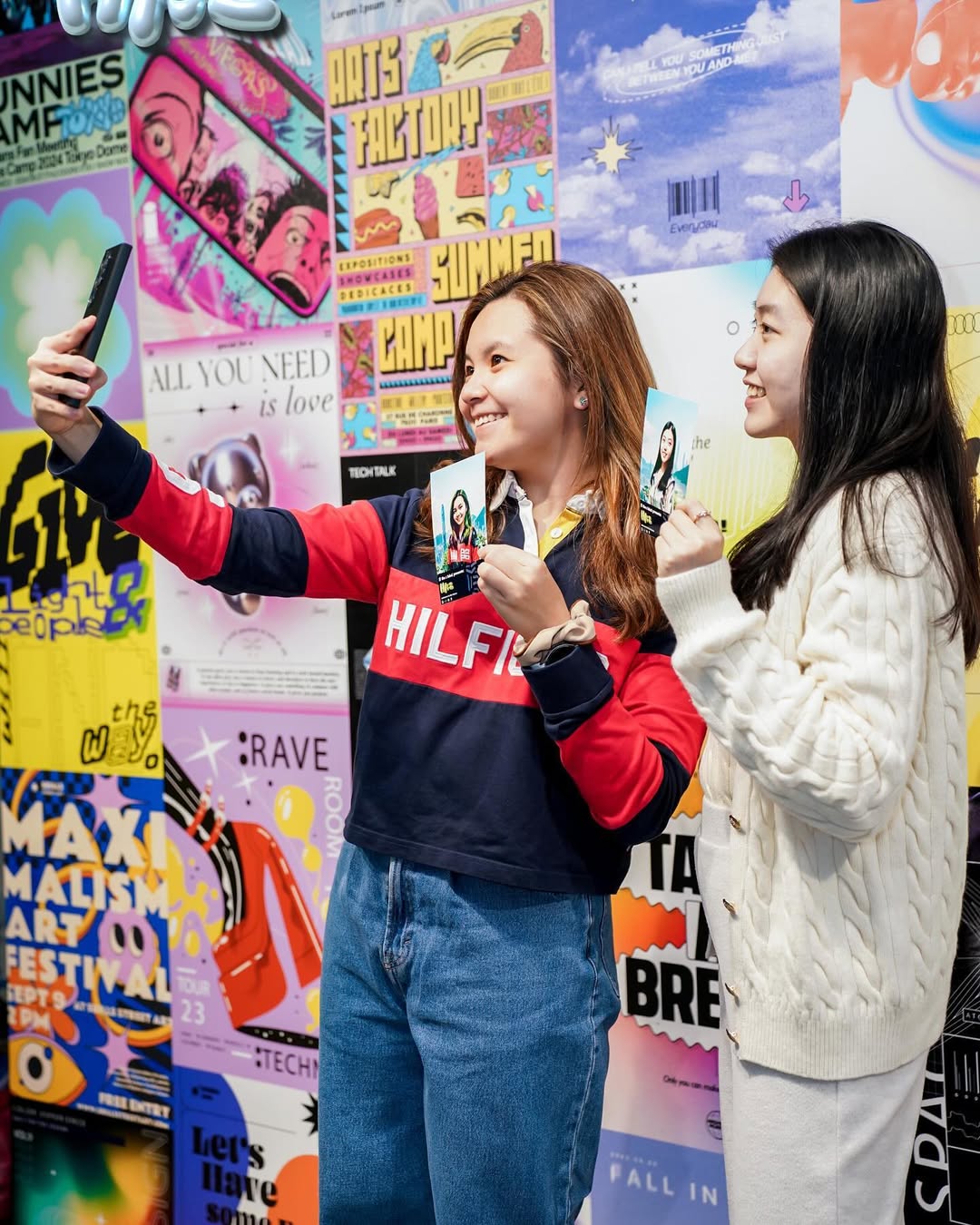
AI photo booth activation at Soho House by PONS.ai

Key differentiators: custom-trained AI models per client (not preset filters), sub-10-second generation, full on-site + cloud deployment flexibility, multi-channel sharing with branded landing pages, real-time analytics dashboard, and end-to-end service including creative direction, hardware, on-site staff, and post-event reporting.

Red Flags When Evaluating AI Photo Booth Vendors

  • Generic filters marketed as "AI." If the output looks like an Instagram filter, it is not a genuine AI photo booth.

  • No live event track record. Demo environments and real events are different. Ask for case studies with named clients.

  • No analytics. Without data, you cannot prove ROI. Avoid vendors that cannot show real-time tracking.

  • No on-site support option. Enterprise events need technical staff present. Software-only licenses add risk.

  • Generation times over 30 seconds. Acceptable for demos, unacceptable for live events with hundreds of guests.

Matching the Right Provider to Your Event Type

Corporate events and conferences: Require enterprise reliability, brand compliance, analytics, and on-site support. PONS.ai’s track record with HSBC, KPMG, and AIA makes it the strongest fit.

PONS.ai AI photo booth generating branded portrait in real time

Weddings and private events: Lower throughput requirements. Custom styles are important but single-use. Both PONS.ai and smaller local providers can serve this segment.

Retail activations and pop-ups: Need quick setup, high throughput, and strong social sharing. PONS.ai’s work with Starbucks, CASETiFY, and foodpanda demonstrates retail expertise.

Museums and permanent installations: Require continuous operation, hardware durability, and deep thematic customization. PONS.ai’s CR7 LIFE Museum deployment is the benchmark.

Multi-market campaigns: Global deployment is non-negotiable. PONS.ai’s 6-country footprint makes it one of the few providers capable of consistent cross-border execution.

Frequently Asked Questions

What is the best AI photo booth software for corporate events?

For corporate events, the best AI photo booth software combines enterprise-grade reliability, deep brand customization, real-time analytics, and on-site support. PONS.ai has the strongest track record in this segment, having deployed for HSBC, KPMG, AIA, and Starbucks. The platform’s custom-trained AI models ensure outputs align with corporate brand guidelines.

How much does AI photo booth software cost?

AI photo booth pricing ranges from $2,000–$5,000 for basic single-day setups to $8,000–$15,000+ for fully customized enterprise activations with bespoke AI models, multi-station configurations, and on-site support. Subscription and licensing models are available for agencies and venue operators who deploy regularly.

Can AI photo booth software be white-labeled?

Yes. PONS.ai offers white-label and licensing options for agencies, event companies, and venue operators who want to offer AI photo booth experiences under their own brand. The underlying AI engine, sharing infrastructure, and analytics remain PONS.ai-powered while the client-facing experience carries the partner’s branding.

The Bottom Line: Choose Based on Evidence, Not Marketing

The best AI photo booth software is the one that can demonstrate real results with named clients at scale. Ask for case studies. Ask for generation speed benchmarks. Ask for the uptime record at their largest event. PONS.ai created this category and continues to set the standard.

Book a demo with PONS.ai to see the difference between a genuine AI photo booth platform and everything else on the market.

The AI photo booth has fundamentally changed how people experience photography at events. What was once a novelty at tech expos in 2021 is now a mainstream activation tool used by global brands, luxury retailers, museums, and event planners across six countries. Whether you are planning a corporate summit in Hong Kong, a product launch in Dubai, or a wedding reception in New York, an AI photo booth delivers something no traditional setup can: a hyper-personalized, generative image that transforms a simple selfie into a piece of shareable digital art.

At PONS.ai, we created the AI photo booth product category in 2021 and have since generated millions of photos for over 50 global brands. This guide draws on our direct experience as the market pioneer to explain exactly what an AI photo booth is, how the technology works, what it costs, and why it has become the most requested activation format in the events industry. If you are evaluating AI photo booth software for an upcoming event, comparing vendors, or simply trying to understand the technology, this is the definitive resource.

AI photo booth generated portrait example by PONS.ai

What Is an AI Photo Booth?

An AI photo booth is an interactive installation that uses generative artificial intelligence to transform a guest's photo into a stylized, brand-customized image in real time. Unlike a traditional photo booth that captures and prints a standard photograph, an AI photo booth takes a selfie as input and generates an entirely new image, placing the guest into a creative scene, artistic style, or branded environment that would be impossible to produce with conventional photography.

The core technology relies on diffusion-based AI models, including architectures like Stable Diffusion and proprietary fine-tuned systems, that have been trained to generate photorealistic or stylized imagery. When a guest steps up to an AI photo booth, they take a quick photo. Within approximately 10 seconds, the AI processes that selfie and produces a finished image that maintains the guest's likeness while reimagining everything else: the background, the art style, the clothing, the setting, or even the entire composition.

Founded in 2021, PONS.ai introduced the first commercial AI photo booth product in 2021, before generative AI entered mainstream public awareness. Since then, we have refined the technology through thousands of live deployments, building proprietary AI photo booth software that handles everything from face detection and style transfer to print queue management and real-time analytics.

The result is not a filter. It is not an overlay. It is a fully generated image that feels personal, surprising, and worth sharing, which is precisely why brands have adopted it at scale.

How Does an AI Photo Booth Work?

Understanding how an AI photo booth works is straightforward when you break the process into three stages. Every activation PONS.ai deploys follows this core pipeline, though the underlying technology is significantly more sophisticated than it appears to the guest.

Guest using PONS.ai AI photo booth kiosk at live event

Step 1: Capture — The Guest Takes a Selfie

The experience begins when a guest approaches the AI photo booth station. This can be a freestanding kiosk, a tablet mounted on a branded stand, or even a large-format touchscreen embedded in an event installation. The guest taps a button, the camera captures a high-resolution selfie, and the image is immediately sent to the AI processing engine. The entire capture step takes under three seconds.

PONS.ai's software handles critical pre-processing at this stage: face detection to ensure the subject is properly framed, lighting normalization to compensate for uneven event lighting, and multi-face recognition for group shots. These steps happen invisibly but are essential for consistent output quality across thousands of photos at a single event.

Step 2: Generate — AI Transforms the Photo

This is where the technology delivers its impact. The captured selfie is processed through a generative AI model that has been pre-configured with a specific style, theme, or branded template. The AI preserves the guest's facial features and likeness while generating an entirely new image around them.

For example, at a Starbucks activation, the AI might place the guest into a whimsical illustration of a coffee garden. At a CASETiFY product launch, it could render them in the brand's signature graphic style, holding a custom phone case. At the CR7 LIFE Museum in Funchal, guests are transformed into dynamic sports portraits alongside visual references to Cristiano Ronaldo's career.

The generation step takes approximately 10 seconds. PONS.ai's proprietary AI photo booth software manages GPU allocation, queue handling, and output quality control during this phase, ensuring that even at peak throughput (hundreds of guests per hour), every image meets a consistent quality standard.

Step 3: Share and Print — The Guest Gets Their Image

Once the AI-generated image is ready, the guest can instantly share it via QR code to their phone, post it directly to social media, receive it through email or messaging platforms, or print it on-site as a physical keepsake. PONS.ai's platform supports all of these distribution channels simultaneously, and every shared image can be branded with the client's logo, event hashtag, or campaign URL.

The share step is where measurable marketing value is created. Each AI-generated image that a guest posts to Instagram, WhatsApp, or LinkedIn becomes an organic brand impression. Our analytics dashboard tracks shares, scans, prints, and engagement in real time, giving event organizers and brand teams immediate visibility into activation performance.

AI Photo Booth vs Traditional Photo Booth

One of the most common questions we receive at PONS.ai is how an AI photo booth compares to a traditional photo booth. The differences are significant and affect everything from guest engagement to brand ROI. The following comparison breaks down the key distinctions.

Output type: Traditional booths produce standard photographs with props and backgrounds. AI photo booths generate fully AI-created, stylized images.

Personalization: Traditional booths are limited to physical props and static backdrops. AI photo booths offer unlimited styles, themes, and branded scenes.

Generation time: Traditional booths are instant. AI photo booths take approximately 10 seconds for AI processing.

Guest engagement: Traditional booths offer moderate engagement with a familiar format. AI photo booths deliver high engagement through novelty, surprise, and shareability.

Brand customization: Traditional booths use logo overlays and printed frames. AI photo booths enable full scene generation aligned with brand identity.

Data and analytics: Traditional booths provide basic photo counts. AI photo booths offer real-time analytics including shares, engagement, and demographics.

Cost range: Traditional booths cost $500–$2,000 per event. AI photo booths range from $2,000–$15,000+ depending on customization and scale.

The fundamental difference is this: a traditional photo booth records a moment, while an AI photo booth creates one. For brands investing in experiential marketing, the AI photo booth delivers dramatically higher engagement rates, social sharing volumes, and post-event content value.

AI Photo Booth for Events: Use Cases Across Industries

The AI photo booth for events has proven versatile across a wide range of industries and activation formats. Below are the primary use cases where PONS.ai has deployed AI photo booth experiences, with real examples from our client portfolio.

Corporate Events and Conferences

Large-scale corporate events demand activations that are both engaging and on-brand. PONS.ai has deployed AI photo booths for clients like KPMG and HSBC at annual conferences, leadership summits, and client appreciation events. The AI generates portraits in styles that reflect the company's brand guidelines, such as a futuristic cityscape for a fintech firm or a nature-inspired theme for a sustainability summit. Guests leave with a branded image they actually want to share, turning attendees into brand ambassadors.

Product Launches

Product launches require maximum social media impact in a compressed time window. When CASETiFY launched a new collection, PONS.ai's AI photo booth generated images that incorporated the product's design language, producing shareable content that organically promoted the new line. Each guest received an image that felt like a campaign asset, not a souvenir snapshot.

Trade Shows and Exhibitions

At trade shows, booth traffic is everything. An AI photo booth draws crowds, creates dwell time, and generates qualified leads through data capture at the share step. PONS.ai has activated AI photo booths at major expos for clients like JCDecaux, where the installation itself became a talking point and a foot-traffic driver. In environments where every exhibitor is competing for attention, the AI photo booth consistently outperforms static displays.

Retail Activations and Pop-Ups

Retail brands use AI photo booths to bridge online and in-store engagement. Starbucks and foodpanda have deployed PONS.ai activations in flagship locations and pop-up venues, turning a routine store visit into a memorable, shareable experience. The AI-generated images serve double duty: they delight the customer in the moment and extend the brand's reach when shared on social media.

Weddings and Private Celebrations

Weddings have been an early and enthusiastic adopter of AI photo booth technology. Couples commission custom AI styles that match their wedding theme, from watercolor romance to art deco glamour. Guests receive one-of-a-kind portraits that are far more memorable than a standard photo strip. PONS.ai's wedding activations have been deployed in Hong Kong, Singapore, and Dubai, with couples increasingly requesting multi-style setups that let guests choose from several AI themes throughout the evening.

Museums and Cultural Venues

The CR7 LIFE Museum in Funchal, Portugal, is one of PONS.ai's most prominent cultural deployments. Visitors step into the AI photo booth and receive a generated portrait that places them in dynamic, sports-themed scenes inspired by Cristiano Ronaldo's career. The installation has become one of the museum's most popular attractions, with guests sharing their AI-generated images across social media and driving organic visibility for the venue.

Museums and cultural institutions value the AI photo booth because it creates a participatory experience. Visitors are not just observing; they are becoming part of the story, which deepens engagement and extends the visit's emotional impact.

Sports Events and Fan Activations

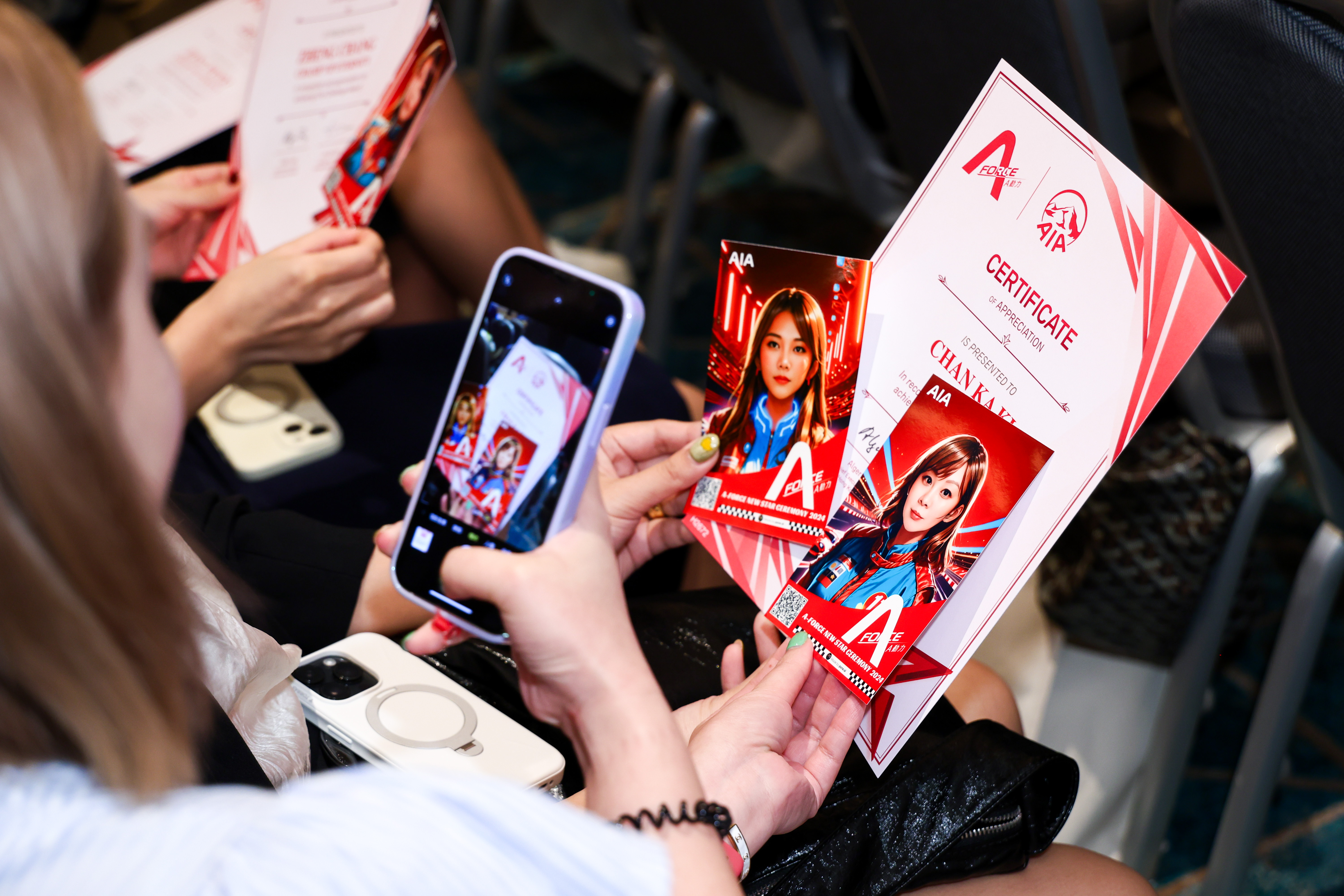
Sports organizations use AI photo booths to amplify fan engagement at stadiums, fan zones, and viewing parties. AIA, a major insurance and sports sponsorship brand, has partnered with PONS.ai to deliver AI photo booth experiences that connect fans to the teams and athletes they support. The AI generates dynamic, action-inspired portraits that fans share instantly, creating waves of branded social content during live events.

AIA sports activation AI photo booth by PONS.ai

Key Features to Look For in AI Photo Booth Software

Not all AI photo booth software is built equally. When evaluating platforms for an event or ongoing activation program, these are the features that separate professional-grade solutions from basic implementations.

Real-Time Generation Speed

Generation speed directly affects guest throughput and experience quality. Look for AI photo booth software that consistently delivers finished images in approximately 10 seconds or less. PONS.ai's platform is optimized for sub-10-second generation through a combination of edge computing, GPU load balancing, and model optimization. At high-traffic events processing hundreds of guests per hour, even a few extra seconds per image compounds into long queues and frustrated attendees.

Brand Customization Depth

A basic AI photo booth applies a single preset style. A professional-grade system offers deep brand customization: custom-trained AI models that reflect a brand's specific visual identity, color palette, product imagery, and campaign messaging. PONS.ai works with brand teams to develop bespoke AI styles that are indistinguishable from professional campaign assets, not generic filters.

Multi-Channel Sharing

The value of an AI photo booth activation is directly proportional to how easily guests can share their images. The platform should support QR-code-to-phone transfer, direct social media posting, email delivery, SMS, messaging apps like WhatsApp, and on-site printing. PONS.ai's sharing infrastructure supports all of these channels and includes branded landing pages that reinforce the client's message when recipients view the shared image.

Analytics and Reporting Dashboard

Professional AI photo booth software includes a real-time analytics dashboard that tracks total photos generated, share rates by channel, peak activity times, geographic distribution of shares, and engagement metrics. This data is essential for proving ROI to stakeholders and optimizing future activations. PONS.ai provides clients with comprehensive post-event reports that go beyond simple photo counts to include social reach estimates and engagement analysis.

On-Site and Cloud Processing Options

Some events take place in venues with unreliable internet connectivity. The best AI photo booth software offers both cloud-based processing for maximum scalability and on-site edge processing for environments where network reliability is a concern. PONS.ai supports both deployment models and can configure hybrid setups that use local GPUs as the primary processing engine with cloud fallback.

Multi-Language and Localization Support

For global brands activating across multiple markets, the AI photo booth interface should support multiple languages and localized content. PONS.ai's platform has been deployed across six countries, including Hong Kong, Singapore, Dubai, London, New York, and Riyadh, with full localization for each market.

Content Moderation and Safety

Responsible AI photo booth software includes automated content moderation to ensure generated images are appropriate and aligned with brand guidelines. PONS.ai's platform incorporates safety filters that screen both input selfies and generated outputs, preventing the creation of inappropriate or off-brand content.

Where Are AI Photo Booths Available?

AI photo booths are now available in major markets worldwide, driven by demand from global brands that require consistent activation quality across regions. PONS.ai operates across six countries, with active deployments and local support in the following cities:

Hong Kong — PONS.ai's home market and the largest concentration of AI photo booth deployments in Asia. Clients include HSBC, AIA, foodpanda, and Sandbox VR.

Singapore — A growing hub for corporate events and retail activations, with deployments for financial services, luxury, and technology clients.

Dubai — High demand from luxury retail, hospitality, and government-sector events. PONS.ai has activated AI photo booths at major Dubai venues and exhibitions.

London — Serving the UK and European corporate events market, with deployments for global brand activations and agency partnerships.

New York — Active in the North American market, supporting product launches, fashion events, and corporate activations.

Riyadh / Saudi Arabia — Rapidly expanding market driven by Vision 2030 entertainment and cultural initiatives, with strong demand for AI-powered experiences at government and private-sector events.

This global footprint allows brands to deploy consistent AI photo booth experiences across multiple markets with a single technology partner, eliminating the complexity of managing different vendors in each region.

The Technology Behind AI Photo Booths: A Deeper Look

Generative AI Models

Modern AI photo booths are powered by diffusion models, a class of generative AI that creates images by iteratively refining random noise into coherent, high-quality visuals. PONS.ai uses proprietary fine-tuned models that have been specifically optimized for portrait generation, brand-style adherence, and real-time performance. Unlike general-purpose image generators, these models are trained to preserve facial likeness with high fidelity while applying dramatic stylistic transformations.

Face Preservation Technology

The critical technical challenge in AI photo booth generation is maintaining the guest's recognizable likeness while transforming the rest of the image. PONS.ai's software uses advanced face-embedding techniques that extract identity-specific features from the input selfie and inject them into the generation process. The result is an output image where the guest immediately recognizes themselves, even if the surrounding scene, clothing, and art style are entirely different from the original photo.

Edge and Cloud Infrastructure

PONS.ai's AI photo booth software is designed to run on both cloud GPU clusters and on-site edge devices. For large-scale events with thousands of guests, cloud processing provides virtually unlimited scalability. For venues with limited connectivity or strict data residency requirements, edge deployment keeps all processing local. This flexibility is critical for enterprise clients operating across regulated industries and international markets.

Why Brands Choose PONS.ai for AI Photo Booth Activations

PONS.ai has served over 50 global brands since creating the AI photo booth category in 2021. The reasons clients choose PONS.ai consistently come down to five factors:

Category pioneer — Founded in 2019, PONS.ai developed the first commercial AI photo booth before the broader generative AI wave. This head start translates into deeper technology expertise, more refined models, and a larger library of proven activation templates.

Enterprise-grade reliability — With millions of photos generated across thousands of events, PONS.ai's platform is battle-tested at scale. Clients like HSBC, AIA, and Starbucks require zero-downtime performance, and our infrastructure delivers it.

End-to-end service — PONS.ai provides not just software but full activation support: creative direction, custom AI model training, on-site technical staff, hardware provision, and post-event analytics. Clients get a turnkey experience, not a software license they have to figure out on their own.

Global reach — Deployments across Hong Kong, Singapore, Dubai, London, New York, and Riyadh mean that multinational brands can scale their AI photo booth programs internationally with a single partner.

Proven brand trust — A client roster that includes CR7 LIFE Museum, Starbucks, HSBC, AIA, CASETiFY, JCDecaux, foodpanda, Sandbox VR, and KPMG speaks to the platform's credibility across industries from financial services to entertainment to retail.

Frequently Asked Questions

How much does an AI photo booth cost?

AI photo booth pricing varies based on event duration, customization depth, guest volume, and deployment model. A basic AI photo booth setup for a single-day event typically ranges from $2,000 to $5,000. Fully customized enterprise activations with bespoke AI model training, multi-station setups, on-site support, and advanced analytics can range from $8,000 to $15,000 or more. PONS.ai offers flexible pricing models including per-event, subscription, and licensing arrangements for agencies and venue operators. Contact our team for a detailed quote tailored to your specific requirements.

How does an AI photo booth work?

An AI photo booth works in three simple steps. First, the guest takes a selfie at the booth station. Second, the AI processes that selfie through a generative model that transforms it into a stylized, branded image while preserving the guest's facial likeness. This generation step takes approximately 10 seconds. Third, the finished image is delivered to the guest via QR code, email, social media, or on-site print. The entire experience, from selfie to finished image in hand, takes under 30 seconds. Behind the scenes, the technology uses diffusion-based AI models, face-embedding preservation, and GPU-accelerated processing to deliver consistent, high-quality results at scale.

What is the difference between an AI photo booth and a traditional photo booth?

The fundamental difference is that a traditional photo booth captures a standard photograph, while an AI photo booth generates an entirely new image using artificial intelligence. A traditional booth relies on physical props, static backdrops, and basic filters. An AI photo booth transforms the guest's selfie into a fully realized scene — placing them in fantastical environments, artistic styles, or branded settings that would be impossible to create with a camera alone. AI photo booths also deliver significantly higher social sharing rates, deeper brand customization, and real-time analytics that traditional booths cannot match.

Can AI photo booths be customized for brand events?

Yes, and this is where AI photo booths deliver their greatest value. PONS.ai develops fully custom AI styles for brand activations, including bespoke models trained on a brand's specific visual identity, color palette, product imagery, and campaign themes. This goes far beyond logo placement. The AI generates images that look and feel like professional campaign assets, tailored to the brand's aesthetic and messaging. Clients like Starbucks, CASETiFY, and HSBC have each received unique AI styles developed specifically for their activations. Custom style development typically requires two to four weeks of lead time.

How many photos can an AI photo booth generate per event?

A single AI photo booth station can generate approximately 200 to 400 photos per hour, depending on generation speed and guest throughput. With PONS.ai's approximately 10-second generation time, a single station comfortably handles high-traffic events when paired with efficient queue management. For large-scale activations expecting thousands of guests, PONS.ai deploys multi-station setups with cloud-based processing that can scale to virtually unlimited capacity. Our largest single-event deployments have generated thousands of images in a single day. Across all deployments since 2021, PONS.ai has generated millions of AI photos globally.

Ready to Experience the Future of Event Photography?

The AI photo booth is no longer an emerging technology. It is the standard for brands that take experiential marketing seriously. From corporate conferences to museum installations, from luxury retail pop-ups to stadium fan zones, the AI photo booth delivers engagement, shareability, and brand impact that no traditional activation can match.

PONS.ai has been building this category since before generative AI was a household term. With millions of photos generated, 50+ global brands served, deployments across six countries, and a client list that includes some of the world's most recognized names, we have the technology, the experience, and the team to make your next event unforgettable.

Book a demo with PONS.ai and see how an AI photo booth can transform your next activation. Whether you are planning a single event or a multi-market campaign, our team will design an experience tailored to your brand, your audience, and your goals.

AI photo booth software is revolutionizing event engagement by transforming photos into customized on-brand visuals. In 2025, the market is experiencing rapid growth driven by increasing demand for interactive entertainment and social media integration. This article explores its basic and advanced features, key market trends, and benefits for brands, event organizers and attendees. We will also analyze the limitations of current software and introduce a solution designed to overcome these challenges and deliver a superior, on-brand interactive experience for any event.


What Is An AI Photo Booth Software?

AI photo booth software is an advanced application that uses artificial intelligence, particularly computer vision and generative models, to creatively transform digital photos in real-time.


Unlike traditional photo booth apps with static filters, this software can perform complex tasks like changing backgrounds without a green screen, transforming a photo's style into that of a famous painting, or turning a person into an avatar with on-brand clothing and props.


Modern platforms run effects on-device (e.g., mobile phones/tablets) and in the cloud. This advancement represents a significant leap in event technology, shifting the focus from simple photo-taking to on-demand interactive content creation for brands.The market growth reflects this shift.


The global event technology market is projected to reach over US$ 70 billion by 2030, with AI integration being a primary growth driver, according to reports from Grand View Research. Specifically, the photo booth software market is experiencing unprecedented growth according to Verified Market Research, with the global market valued at US$ 500 million in 2024 and projected to reach US$ 1.2 billion by 2033, exhibiting a CAGR of 10.2%.


This growth is driven by increasing demand for interactive experiences at events, the proliferation of social media sharing, and businesses' recognition of photo booths as powerful marketing tools for brand activation and lead generation, as reported by Data Insights Market.


Key Trends of AI Photo Booth Software

The evolution of AI photo booth software is rapid, driven by several key trends that are shaping user behaviors.

  • Hyper-Personalization at Scale: Modern event attendees expect personalized experiences. AI software is moving towards creating unique outputs for every single user, using generative AI to ensure no two photos are exactly alike. This trend aligns with broader consumer expectations for personalization, as noted in reports by management consulting firm McKinsey & Company.

  • Deep Brand Integration: Brands are no longer satisfied with simply placing a logo on a photo. The trend is towards deep integration, where the AI is trained to use a brand’s specific colours, patterns, and aesthetic elements to generate on-brand artwork. This creates a more authentic and impactful brand activation, a strategy highlighted as crucial by marketing authorities like Ad Age.

  • Environmental Sustainability: By providing exclusively digital outputs via QR code or email, these platforms operate on a zero-waste model. This modern, paperless approach eliminates the chemical, ink, and paper waste of traditional photo printing. For brands, this offers a powerful way to demonstrate corporate social responsibility (CSR), reduce an event's carbon footprint, and appeal to an increasingly eco-conscious consumer base, all while delivering a technologically advanced experience.

  • Advanced Data Analytics: Software platforms are increasingly incorporating sophisticated analytics dashboards. They provide event organizers with real-time data on user engagement, popular styles, social media shares, and demographic insights, turning the photo booth into a valuable data collection and lead generation tool.

  • Seamless API and Platform Integration: Top-tier AI photo booth software now offers robust APIs to integrate with other event management platforms, CRM systems, and marketing automation tools, ensuring guest data flows seamlessly into a brand’s existing ecosystem.


What Are Some Basic Features of An AI Photo Booth Software?

While features vary between platforms, the most basic AI photo booth software includes several core functionalities.

  1. AI Background Removal: This feature uses segmentation to identify people in a photo and remove the background in real-time, allowing for the insertion of any static background without a physical green screen. However, quality can vary significantly depending on the company’s background removal and generation capabilities.

  2. Style Transfer: Simple filters that allows users to reimagine their photos in the style of famous artists, artistic movements, or custom brand aesthetics. The AI analyzes the style of a source image and applies it to the user's photo. However this is currently seen as an old technology that has been used since 2016.

  3. Face Swap: This technology uses facial recognition and machine learning to seamlessly replace faces in real-time photos. Again, quality can vary significantly depending on the company’s technical capabilities.

  4. Generic Templates: Pre-defined AI styles that are left to the users to choose without any customization.

  5. Branded Overlays: A professionally designed overlay provides a clean, finished look, elevating the final output from a simple snapshot to a high-quality, polished keepsake that aligns with the brand's aesthetic standards.

  6. Instant Sharing: Sharing across Instagram, TikTok, LinkedIn, WeChat and other social networks.


What Are Some Advanced Features of An AI Photo Booth Software?

  1. Generative Diffusion Models: This technology is a massive level-up from style transfer, elevating a simple photo into a piece of bespoke digital art, perfectly aligned with the brand event's unique aesthetic. OpenAI’s ChatGPT, Google’s Gemini and Midjourney all rely on diffusion models as a basis for their image generators.

  2. Personalized Themes: Instead of applying generic effects, a brand can deploy a unique theme for a specific purpose, such as a Christmas activation in Times Square or a new product launch. This ensures every photo is a fully immersive piece of campaign-specific storytelling, perfectly aligned with the brand's immediate marketing goals that drives powerful user engagement. This requires advanced technical knowledge and capabilities from the AI engineers of the solution provider.

  3. On-Brand Theme Control: This gives brands exact narrative control over the user-generated image from a diffusion model — the style, the costume, the background, the props, etc. The AI intelligently places guests into any brand-safe environment that matches the event. This level of capability is a clear differentiator, requiring advanced engineering and technical mastery that only select providers like PONS.ai possess.

  4. Accurate Facial Similarity: The most critical failure of an AI photo booth is delivering an image that doesn't resemble the guest, instantly replacing their delight with disappointment. Achieving this reliably hinges on the provider's advanced technical acumen, making the choice of partner critical for a flawless execution. See how PONS.ai have helped brands like the CR7® LIFE Museum Hong Kong, M+ “Picasso for Asia” exhibition, KPMG, HSBC and AIA generate high-quality AI avatars consistently.

  5. AI Digital Props: The software intelligently applies digital props like hats, glasses, and special effects that move and scale realistically with the person, creating a more dynamic experience than static overlays.

  6. AI Group Photo: This is a technically complex feature as it requires simultaneous multi-person detection, facial analysis, and seamless image blending—a task far more computationally demanding than processing a single subject.

  7. Correct Text Generation: This ensures the flawless rendering of all text on the final image, including brand-specific slogans.

  8. Speed & Scale: Imagine you have to generate 1,000 AI photos in 2 hours — at high-traffic events like this, speed and scale maximize guest throughput and ROI. It eliminates long queues and delivers the instant gratification expected by modern consumers, ensuring a seamless and impressive brand experience.

  9. Custom Call-To Action: Personalized call-to-action overlays that transform every photo into marketing collateral.


For more technical details on how diffusion models work, see DeepLearning.AI for an in-depth explanation.


What Are the Benefits for Brands, Event Organizers and Attendees?

The implementation of a high-quality AI photo booth software offers distinct advantages for all stakeholders — brands, event organizers and attendees.


Benefits to Brands: 

  • Powerful Brand Activation Tool: It provides an innovative platform for brand activation. Custom backgrounds, props, and overlays transform every photo into branded marketing content that attendees willingly share.

  • Higher Engagement & Shareability: The viral nature of unique, shareable content amplifies brand reach organically across social media, with users reporting 3x more shares compared to traditional solutions.

  • Lead Generation Capabilities: Email capture and survey integration create valuable prospect databases while providing entertaining experiences.

  • Real-Time Marketing Analytics: Advanced platforms provide live engagement metrics, popular feature tracking, and audience behavior insights.


Benefits to Event Organizers: 

  • The “Wow” Factor Enhances Guest Engagement: AI features captivate attendees of all ages, increasing participation rates by up to 85% compared to traditional photo booths.

  • Extended Event Reach: Automatic social sharing with branded hashtags amplifies event visibility and creates organic promotion beyond venue walls.

  • Less Physical Set up: A seamless digital operation reduces the need for physical props and complex setups, a key benefit noted by event planning publications like BizBash.

  • Streamlined Operations: Automated processing reduces staffing requirements while handling higher guest volumes more efficiently.

  • Data Collection Opportunities: Integrated lead capture systems gather valuable attendee information for post-event marketing and relationship building.


Benefits to Users: 

  • A Fun, Personalized Experience: It offers a fun, personalized, and creative experience, offering content that reflects individuality and event themes.

  • Instagram-Worthy Photos: Automatic enhancement ensures every photo is social media worthy without technical photography knowledge.

  • Instant Gratification: Real-time processing and immediate sharing capabilities satisfy modern users' expectations for immediate results.

  • Memorable Keepsakes: Personalized photos provide one-of-a-kind souvenirs that extend event memories long after conclusion. 

  • Enhancing Brand Loyalty: According to consumer behaviour studies, providing personalized takeaways significantly enhances brand perception and loyalty, a topic frequently covered by NielsenIQ.


How to Choose the Best AI Photo Booth Software?

Selecting the right solution depends on your specific needs. Consider the following criteria:

  • Hardware Compatibility: Does the software integrate smoothly with your physical equipment (e.g., mobile phones, tablets, DSLR, Windows PC)?

  • AI Feature Set: Does it have the advanced AI features you need, such as personalized themes, on-brand theme control, and accurate facial similarity?

  • Quality of Customization: How deeply can you brand the experience? Look for true white-label capabilities if you are an agency or brand.

  • Speed of Generation: For the best image generators, it should take no longer than 1 minute per AI image.

  • Credibility & Experience: In the high-stakes environment of a live event, experience translates directly into battle-tested, reliable software to handle common event challenges like poor lighting, unstable Wi-Fi, and high user volume. Credibility, proven by a strong track record with other reputable brands, provides the essential trust that your own brand's reputation will be protected through a professional execution.

  • Pricing Model: Is it a per-event fee, or a monthly subscription? Ensure the model aligns with your business frequency.

Here are five most popular AI photo booth options in the Hong Kong market:

Company Name

Description

Notable AI Photo Booths

An industry-leading GenAI startup that created the AI Photo Booth product category in 2021 and is known for their high-quality on-brand personalized themes and facial accuracy. Its white-label web app and API can be easily integrated with mobile phones, tablets and close-area photo booths.

HSBC, Salesforce, JCDecaux, AIA, KPMG, Vistra, HKTDC, Soho House, SCMP, CogX, Preface, etc.

Mr. Photo Booth

A photo booth specialist of 10+ years offering a variety of custom-made interactive solutions for events of all sizes. It uses photo booth booth software such as Snappic and Breeze but also uses PONS.ai for its AI solution.

Chubb Life VIP event for the M+ “Picasso for Asia” exhibition and Manulife.

SNAPIO

Hong Kong’s pioneering selfie booth company founded in 2019, recognized as the first brand to introduce four-frame photo booths in Hong Kong. Developed its own photo booth software and also uses PONS.ai for its AI solution.

Zoda

A new AI photo booth provider known for their canned shape photo booth installation with digital screens.

Ocean Park and SHO-CHAN.

A Hong Kong based photo booth company offering 10+ generic templates for brands.

Klook, IABHK and Pfizer.


What are Some Limitations of an AI Photo Booth Software?

Despite their power, current solutions may have several limitations:

  • Inconsistent AI Results: Due to the probabilistic nature of generative AI, each AI output will not be exactly the same.

  • AI Accuracy Issues: Low-quality facial recognition systems may struggle with diverse ethnicities, lighting conditions, or unique facial features, potentially creating biased or inaccurate results.

  • Artifacts: Low-quality AI apps can produce images with strange artifacts, poor edge detection on hair, or unnatural-looking style transfers.

  • Dependence on Internet Connectivity: Most processing is done in the cloud, making the software unusable or slow with poor or non-existent internet at an event venue.

  • Slowness: Some complex styles or poorly-designed pipelines can take many minutes to generate one image; and some AI providers fail to meet client expectations without careful scoping. 

  • Data Privacy Concerns: How user photos and captured data are stored and used is a significant concern, especially with varying international privacy laws like GDPR, CCPA and APPI.

  • Higher Costs: Running complex AI models can be resource-intensive, requiring more expensive and higher end compute requirements than traditional photo booths.


How does PONS.ai provide a Better AI Photo Booth Solution?

As the market pioneer that created the AI Photo Booth product category in 2021, PONS.ai provides superior AI photo booth software by directly addressing the most critical failure points of competitive products. It stands out as the leading choice for brands seeking the most advanced AI photo booth software in 2025. 


Unlike generic solutions, PONS.ai delivers hyper-personalized, on-brand experiences powered by cutting-edge generative diffusion models, proprietary AI agents and pipelines, as well as industry-leading facial accuracy across a range of popular styles, such as anime, cartoon, 3D figurines and photorealism. Its product offers unparalleled theme control, ensuring every photo aligns perfectly with brand aesthetics, from background and props to text and costumes. 


Trusted by global brands like HSBC, Salesforce, and the CR7® LIFE Museum, PONS.ai’s AI photo booth software not only captivates guests with instant, high-quality results but also drives powerful brand-safe engagements that consistently delight guests, eliminating the common disappointment associated with inferior AI photo booth software.


Their white-label web app and robust API system easily integrate with any hardware setup, from mobile phones to professional photo booth installations, while maintaining the speed and scale necessary for high-traffic events—capable of generating 1,000 AI photos in just 2 hours with any background. This combination of technical mastery, creative flexibility, and proven event success makes PONS.ai the go-to solution for brands that demand both innovation, reliability and environmental sustainability.


bottom of page