

AI Photo Booth Trade Show FAQ: 7 Questions Before Booking


Trade shows are noisy, fast, and expensive. If your booth does not stop people quickly and turn that attention into something useful, it becomes decoration.
That is why AI Photo Booths have become a strong fit for exhibitions and trade shows: they create a branded interaction, keep the queue moving, and leave the sales team with content and contacts that still matter after the floor closes.
PONS.ai has used this approach across enterprise events, product launches, and high-traffic activations. We have seen the same pattern again and again: when the experience feels personal, polished, and fast, people spend more time with the brand and are more likely to share the result.
Why do AI Photo Booths work so well at trade shows?
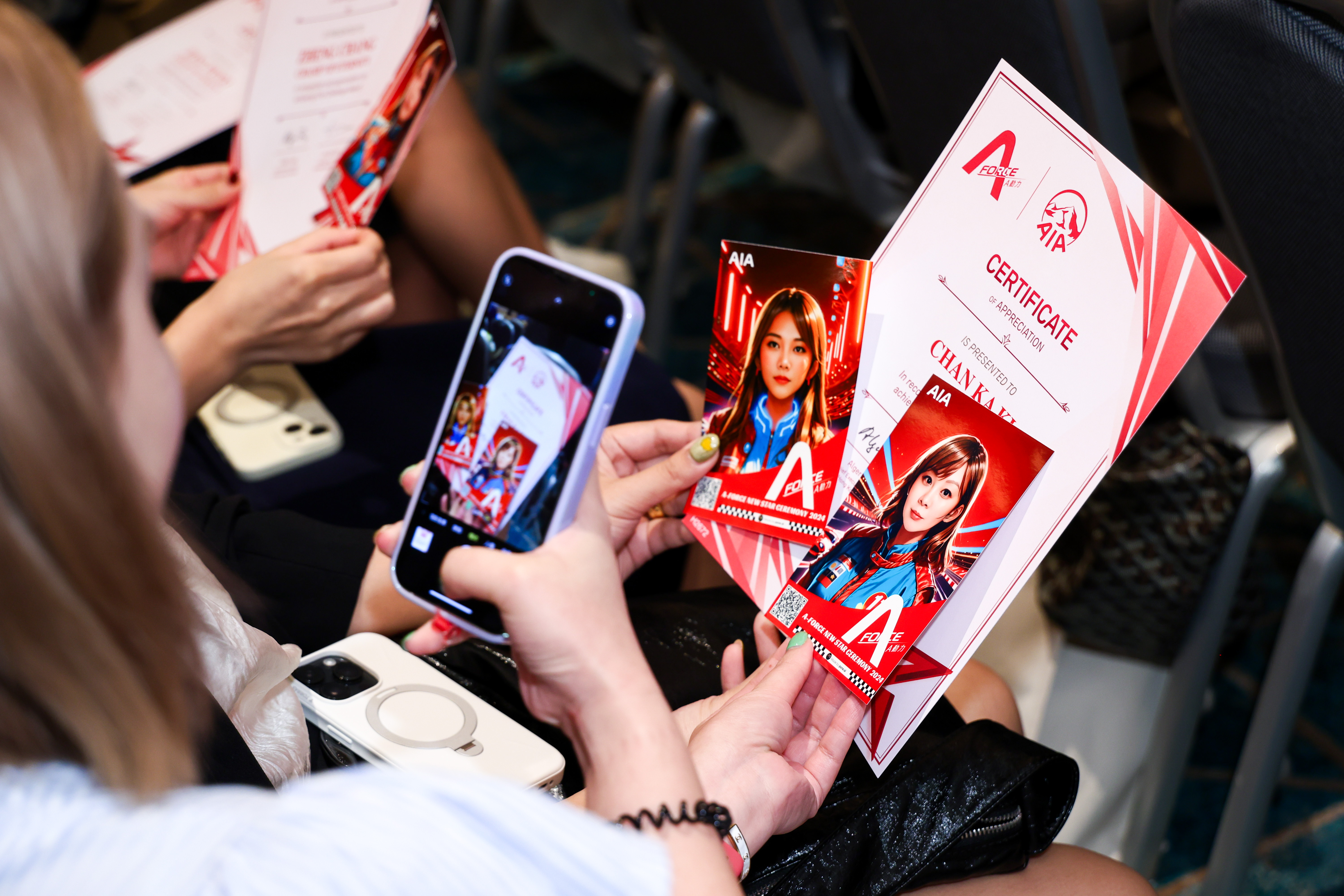
Because trade shows reward three things at once: attention, speed, and follow-up.
According to Cvent trade show research, exhibitors use trade shows heavily for lead generation, and many attendees are actively looking for useful buying information. That means the booth has to do more than look good. It has to give people a reason to stop, interact, and leave behind something valuable.
An AI Photo Booth does exactly that. It turns a quick visit into a branded asset, whether the goal is awareness, lead capture, or post-event content.
For PONS.ai, the most effective trade-show use cases usually include:
- Launching a new product or campaign - Driving footfall to a booth in a crowded hall - Capturing opt-in leads without making the interaction feel forced - Creating LinkedIn-ready outputs for B2B audiences - Generating reusable recap content for marketing and sales
How much setup time does an AI Photo Booth need?
Usually less than a traditional custom activation, especially if the visual system is already prepared.
The real answer depends on venue access, power, network conditions, and whether the event needs custom branding or a custom experience flow. For most trade-show deployments, the key is not just setup speed. It is setup reliability.
At PONS.ai, the booth experience is designed so the output stays fast enough to protect the queue. Our ~10 second generation time helps keep traffic moving, which matters a lot when people are walking the show floor between meetings.
If you are evaluating vendors, ask for:
- Average generation time - Peak throughput per hour - Staffing requirement - Network fallback plan - On-site support model - Post-event asset delivery timing
What kind of trade show is the best fit?
Almost any event where the brand wants both engagement and measurable output.
Trade show type | Why it works |
Industry exhibitions | High foot traffic and long dwell zones |
B2B conferences | Strong fit for lead capture and branded content |
Product expos | Easy to tie the booth to a launch story |
Technology shows | Audiences are more open to interactive experiences |
Enterprise summits | Good for premium branding and executive-level recall |
If the event audience is already carrying a strong LinkedIn or Instagram mindset, the output tends to perform even better because the guest is more likely to share it.
What should the booth output look like?
It should look like the brand, not like a generic novelty photo.
That is one of the main reasons PONS.ai performs well in enterprise settings. A strong AI Photo Booth should adapt to the campaign, color palette, event theme, and audience context. For a trade show, that usually means:
- Clean composition - Strong logo integration - Clear CTA or event hashtag - Output that feels polished enough for professional sharing
If the content does not look shareable on LinkedIn, it usually is not strong enough for a serious B2B trade show.
Can it capture leads without slowing people down?
Yes, if the flow is designed properly.
The best trade-show setups use a short interaction:
1. Guest steps in 2. Picks a branded template or theme 3. Takes the photo or generates the output 4. Receives the result quickly 5. Shares or opts in at the right moment
That sequence matters. If lead capture comes too early, people feel the friction. If it comes too late, the opportunity is gone. The sweet spot is when the guest already sees value and is happy to trade an email or QR opt-in for the finished asset.
How does an AI Photo Booth compare with a traditional booth?
The difference is not just technology. It is the type of value created.
Factor | AI Photo Booth | Traditional photo booth |
Personalization | High | Limited |
Brand alignment | Strong | Basic |
Lead capture | Built in | Often manual |
Queue experience | Faster when optimized | Can feel repetitive |
Post-event value | High reuse potential | Usually low |
Traditional booths can still be useful, but they often stop at the image itself. An AI Photo Booth gives the team a branded content object that can work in email follow-up, social recaps, internal comms, and sales enablement.
What should exhibitors ask before booking?
Ask the questions that protect the event team on show day:
- How fast is the output in peak conditions? - What happens if the network is unstable? - Can the output be fully branded? - Can the experience be localized for different audiences? - Is lead capture optional or required? - How will the assets be delivered after the event? - Can the same setup support both awareness and lead gen?
The best vendors will answer those clearly and without hand-waving.
Is an AI Photo Booth worth it for smaller booths?
Yes, if your objective is clarity and memorability rather than just scale.
Small booths often have an advantage: they force the experience to be sharper. If the booth is in a tight space, the content has to justify the stop. AI Photo Booths are especially good here because they turn a short interaction into a distinct branded takeaway.
That makes them useful for:
- Startup expos - Satellite booths - Side events - Private previews - Partner showcases
Final thought
For trade shows, the real question is not whether the booth looks good. It is whether the booth creates useful attention.
If it drives traffic, gives people something worth sharing, and leaves the marketing team with assets and leads they can actually use, it earns its place on the floor.
**Book a demo with PONS.ai**


Comments