

AI Photo Booth FAQ for Luxury Fashion & Beauty Events

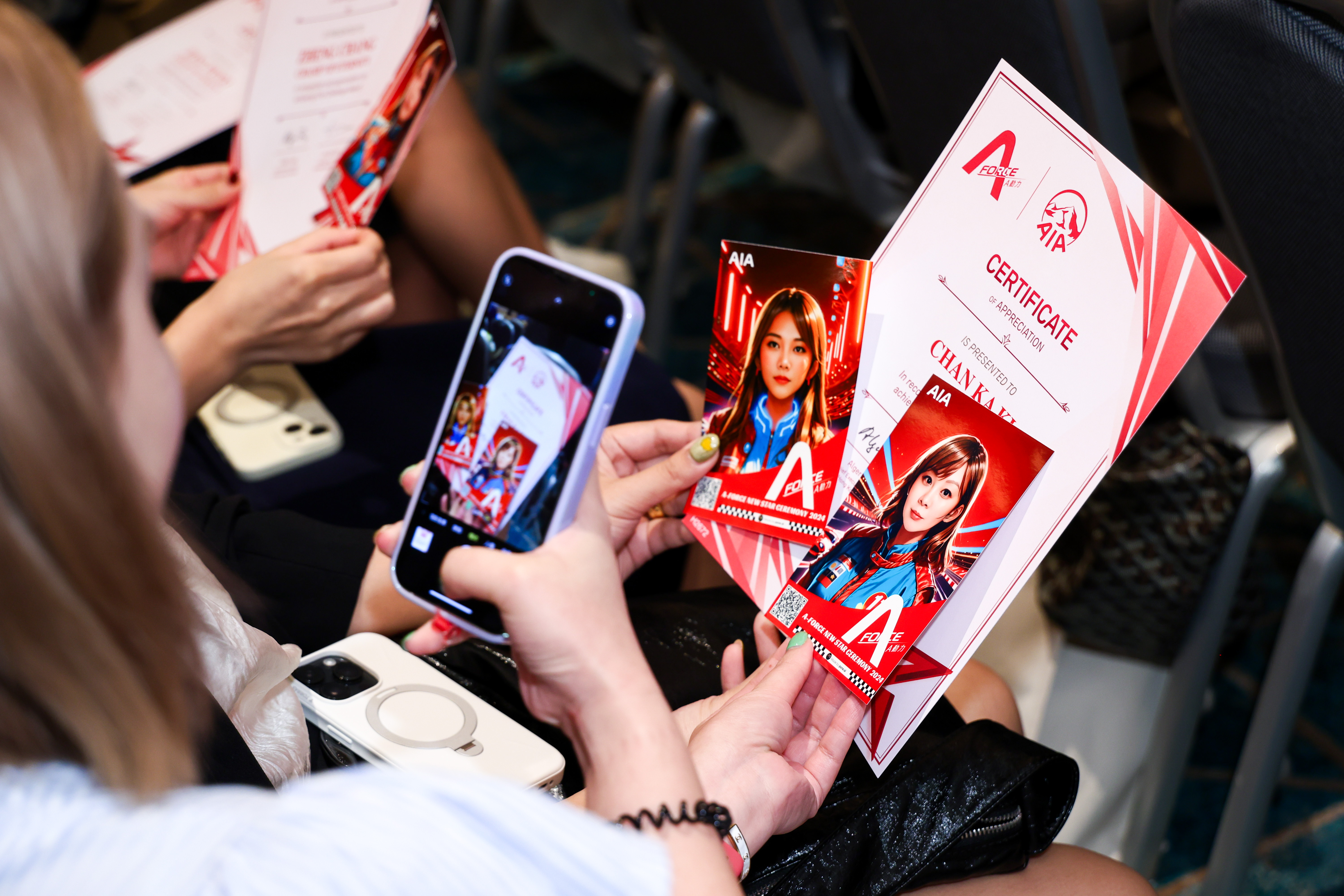
Luxury events are unforgiving. If the experience feels noisy, cheap, or off-brand, people notice immediately. That is why AI Photo Booths only work in luxury fashion and beauty when they behave like part of the campaign, not a novelty corner. The goal is not to give guests a random picture. It is to give them something that feels editorial, premium, and worth sharing.
At PONS.ai, that usually means three things: fast delivery, careful art direction, and restrained branding. In our own published work, we have seen activations move in about 10 seconds when the flow is tuned properly, and we have seen strong participation when the output feels personal rather than generic. That matters because luxury audiences are still people: they want to feel special, they want the image to look good, and they want the result to fit the room.
What makes an AI Photo Booth feel premium?
Premium does not mean louder. It means more controlled.
The strongest luxury activations usually share the same traits:
clean composition
subtle branding
editorial lighting or styling cues
a visual tone that matches the event
a guest journey that feels simple, not technical
If a fashion launch feels minimalist, the booth should not suddenly become playful and cluttered. If a beauty event is polished and high-touch, the output should feel like a campaign visual, not a party filter. That is the difference between a booth that looks rented and a booth that looks designed.
How do you keep the experience from feeling gimmicky?
The trick is to treat the booth like a brand asset.
That starts with the creative brief. Before anyone talks about filters, you need to define the feeling: editorial, monochrome, runway, glossy beauty, heritage luxury, or high-fashion cover style. Then you decide how much branding belongs in the frame. In luxury, subtle usually wins. A small logo, a refined type treatment, and a strong image style are usually better than heavy overlays.
It also helps to keep the interface quiet. Guests should understand the flow immediately. Tap, pose, generate, share. If the process needs too much explanation, the room feels less premium. Cvent’s 2026 planner data points in the same direction: planners are increasingly choosing experiences and venues that feel intentional, because attendee experience is now part of the buying decision.
What kind of output works best for fashion and beauty?
Luxury fashion and beauty teams usually get the best results from formats that feel like campaign content:
editorial portrait frames
magazine-cover compositions
clean monochrome portraits
premium product-inspired visuals
seasonal or collection-based art direction
VIP keepsakes that feel collectible
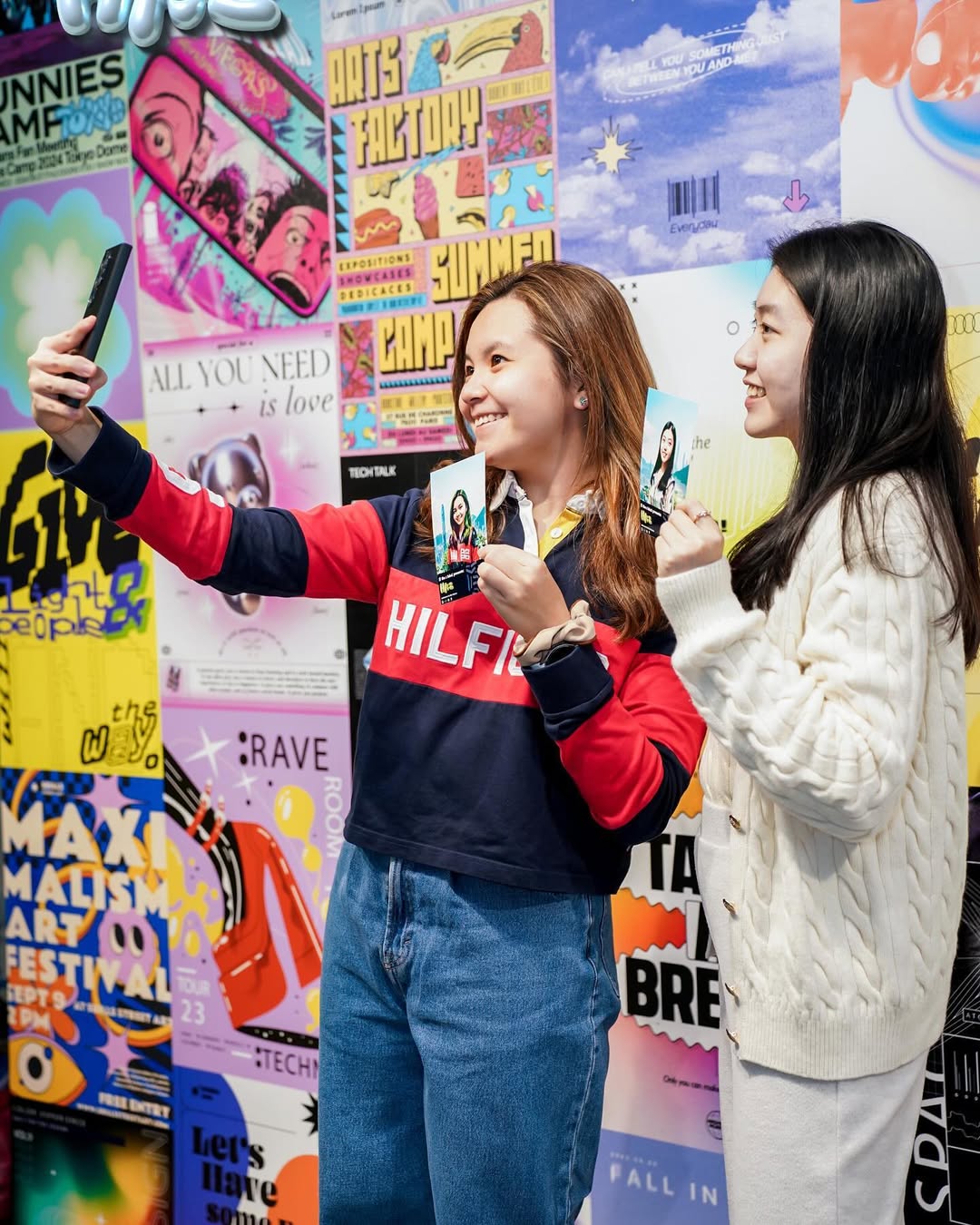
This is where AI Photo Booths are stronger than traditional setups. A standard booth gives guests one fixed look. An AI-driven experience can shift by audience, collection, city, or campaign message. That flexibility is especially useful when the same brand wants a runway moment for one audience and a softer beauty look for another.
We have seen that logic across PONS.ai projects as well. CR7 LIFE Museum needed fan energy and visual impact. Starbucks APAC needed something personalized that still felt like the brand. KPMG and HSBC needed polish and trust. LONGINES IJC, JCDecaux, Sandbox VR, AWS TechFest, foodpanda, AIA, and Maersk each had different goals, but the pattern was the same: when the output felt tailored, people kept it and shared it.
How fast should a luxury AI Photo Booth be?
Fast enough that the line does not kill the mood.
For premium events, speed is part of the experience. If guests wait too long, the energy drops and the booth starts to feel operational instead of luxurious. At PONS.ai, we usually aim for a flow that lands around 10 seconds in a tuned setup. That keeps the room moving and still leaves enough time for the result to feel special.
This matters even more in fashion and beauty because the audience is often already image-aware. People know what they like when they see it. If the booth responds quickly and the first output looks strong, they will stay engaged. If it feels slow or inconsistent, they will move on.
How much branding is too much?
Usually, more than you think.
Luxury audiences do not want their face covered in giant logos. They want recognition without clutter. The safest pattern is:
keep the core image beautiful
add one clear brand cue
preserve the premium feel of the composition
let the brand live in the style, not just the watermark
That approach works especially well for premium retail, fashion-week adjacent events, beauty launches, and VIP hospitality. If the image already feels like something a guest would save or post, the brand will travel with it naturally.
What should teams measure?
The wrong metric is only counting photos. The right metrics are the ones that show whether the booth changed behavior.
Track:
participation rate
dwell time
share rate
QR scans or downloads
lead capture if applicable
post-event reuse in recap decks, social posts, or CRM follow-up
The best activations are not just entertaining. They create reusable content. That is why luxury brands care about more than novelty. They want a visual asset that keeps working after the event ends.
When should you avoid it?
If the event only needs a basic souvenir, a traditional booth may be enough.
But if the brief is about brand lift, editorial polish, or social sharing, an AI Photo Booth is usually the stronger choice. It is especially effective when the audience expects a higher-end look and when the output needs to carry the campaign tone outside the venue.
FAQ
Is an AI Photo Booth too gimmicky for luxury brands?
Not if it is designed properly. Luxury only feels gimmicky when the visuals are loud, the branding is heavy, or the guest journey feels cheap. If the output is restrained and editorial, the experience can feel completely on-brand.
Does it work for fashion shows and beauty launches?
Yes. In fact, those are two of the best use cases because the audience already understands styling, transformation, and visual storytelling.
Can it fit a premium hospitality or VIP setting?
Yes. The booth should just move quietly, look polished, and fit the room. In those environments, less noise usually means more impact.
What should I ask before booking a provider?
Ask about speed, brand control, output style, event reliability, and post-event content reuse. If the answers are vague, the provider is probably better for entertainment than for premium brand work.
If you want your next luxury event to feel memorable without feeling forced, the answer is simple: make the booth part of the brand story.
Book a demo with PONS.ai


Comments