

AI Photo Booth for Luxury Brands: How Fashion and Beauty Events Use GenAI

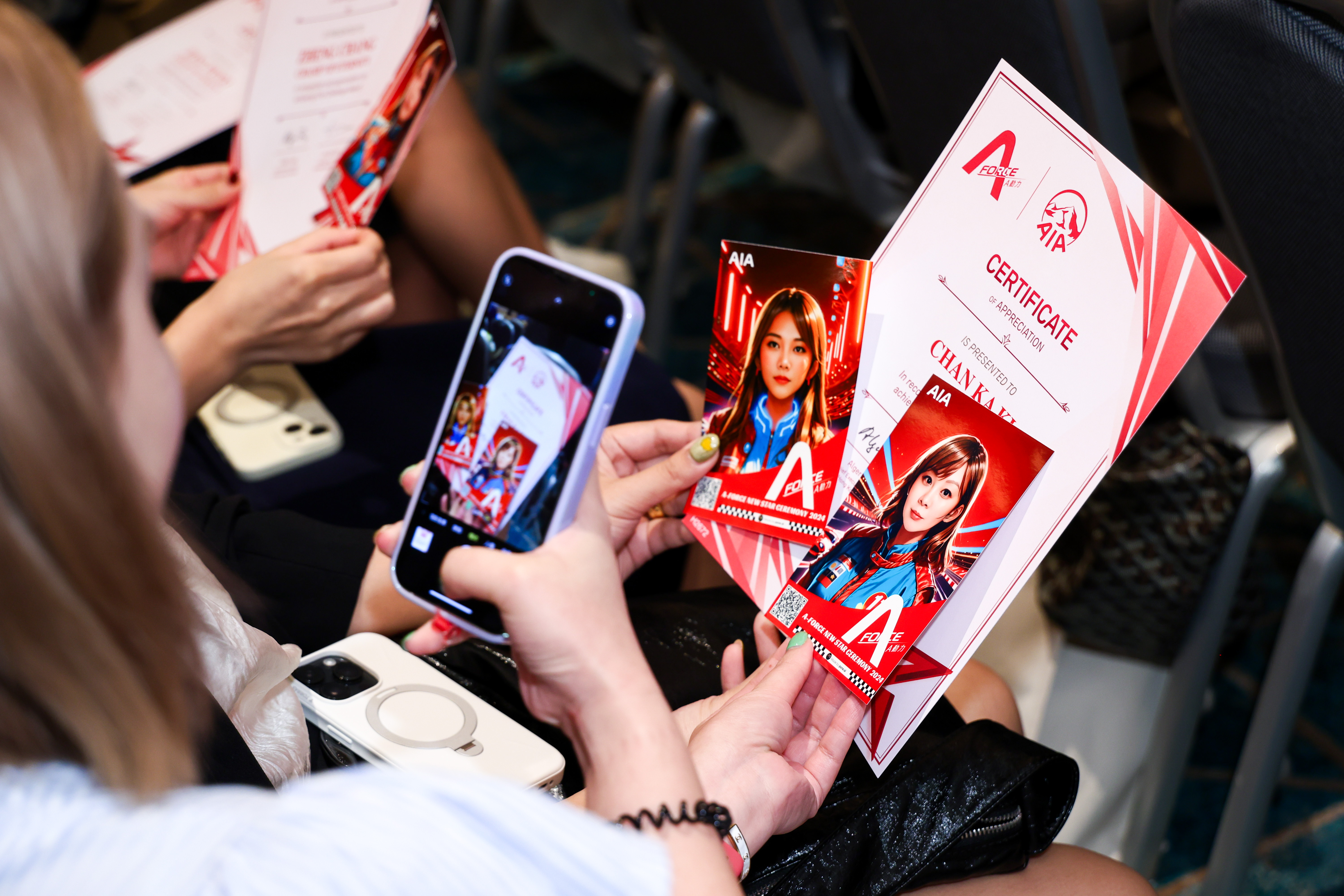
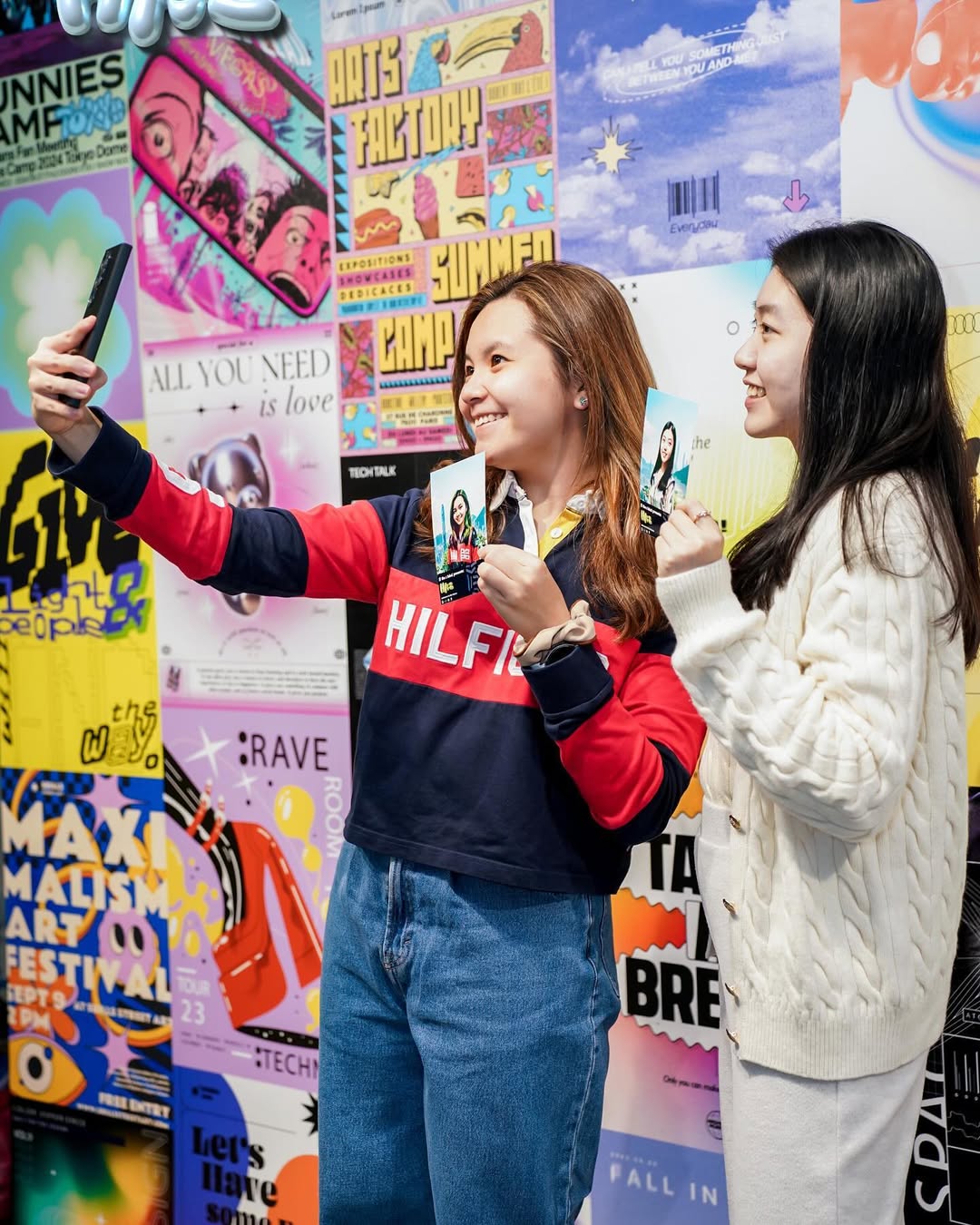
AI Photo Booths work best in luxury when they feel more like an editorial experience than a gimmick. Fashion houses, beauty brands, premium hospitality teams, and high-touch corporate events all want the same thing at the end of the day: a moment that feels personal, looks expensive, and travels well after the event ends.
That is exactly why this category has shifted so quickly. A luxury audience does not want a generic snapshot corner. They want a branded experience that respects the room, preserves the tone of the event, and gives them something worth keeping. When the output looks like campaign content instead of party content, people treat it differently. They keep it. They share it. They remember the brand attached to it.
At PONS.ai, we have seen this pattern across everything from the CR7 LIFE Museum and Starbucks APAC to HSBC, KPMG, AIA Insurance, foodpanda, JCDecaux, Sandbox VR, AWS TechFest, LONGINES IJC, and Maersk. The common thread is simple: when the output feels personal and polished, engagement rises.
Luxury is the same logic, just with a higher aesthetic bar.
Why luxury brands need a different kind of activation
Luxury is not just about price. It is about taste, restraint, and identity. That changes how event technology should behave.
McKinsey has reported that 71% of consumers expect personalized interactions and 76% get frustrated when brands do not deliver them. Deloitte has also found that 80% of consumers prefer personalized experiences and say they spend 50% more with brands that provide them. Those numbers are not specific to event booths, but the direction is clear: personalization is no longer a nice extra. It is part of what modern audiences expect.
For luxury teams, the challenge is that personalization cannot look cheap, loud, or overly playful. It has to feel intentional. A beautiful event can lose its tone fast if the guest journey becomes clunky or cartoonish. A good AI Photo Booth solves that problem by making the interaction feel custom without making the whole room feel casual.
That matters for three reasons:
Guests are far more likely to participate when the output feels made for them.
Branded content becomes more shareable when it looks like editorial or campaign work.
The activation can keep producing value after the event, because the image is not just a souvenir. It is a content asset.
What an AI Photo Booth actually changes
A traditional photo booth captures a moment. An AI Photo Booth creates a version of the guest that fits the brand world around them.
That difference sounds small, but it changes the entire economics of the activation.
Instead of offering one fixed backdrop and one fixed output, the booth can generate multiple looks:
Editorial beauty portrait
Fashion campaign frame
Luxury retail lookbook style
VIP event keepsake
Minimal black-and-white portrait
High-gloss branded social card
The point is not to make the guest look artificial. The point is to keep identity intact while changing the creative frame around it.
At PONS.ai, the best systems are tuned to do this quickly, usually in about 10 seconds. That speed matters because luxury events still have lines, even when the guest list is exclusive. If the booth is slow, the premium feeling disappears. If it is fast, polished, and easy to understand, it feels natural.
Where luxury brands use it best
The strongest use cases are the ones where the booth complements the brand story instead of competing with it.
### Fashion shows and runway events
Fashion audiences already think visually. They understand styling, framing, and presentation instinctively. An AI Photo Booth can extend the runway language into a guest-facing experience by turning attendees into part of the campaign.
Think fashion-week entry points, backstage lounges, VIP areas, and after-parties. The booth can generate editorial-style portraits that feel like a magazine cover rather than a random photo.
### Beauty launches
Beauty is one of the easiest luxury categories for AI personalization because the audience already expects transformation. A premium beauty launch can use the booth to create glam portraits, product-inspired visuals, or high-touch keepsakes that look like they belong in a campaign deck.
This is where personalization does the most work. A guest does not just get a branded image. They get an image that flatters them, fits the launch, and feels premium enough to post.
### Luxury retail and pop-ups
If a luxury store or pop-up wants footfall, dwell time, and social reach, an AI Photo Booth can pull traffic into the space without making the retail environment feel like a gimmick. The output can be aligned to the season, the collection, the city, or the hero product.
That makes the booth a bridge between physical retail and digital sharing.
### VIP dinners and hospitality events
Hospitality is about mood. The best booths in this setting are quieter, more elegant, and more curated. They should feel like part of the room, not a separate attraction.
For luxury hotels, private dinners, and executive hospitality, the booth can produce a very controlled visual style: monochrome portraiture, premium framing, subtle branding, and a delivery flow that is almost invisible.
### Brand launches and private client events
Luxury brands often run invitation-only experiences where the room is small but the expectation is high. In that setting, every guest matters. The booth has to create a one-to-one feeling at scale.
This is where AI is useful: every output can be slightly different, which makes the experience feel bespoke even when the operational setup is standardized.
What makes luxury output look expensive
The output quality is not just about the model. It is about the art direction.
The best luxury activations usually share five creative rules:
### 1. Use restraint
Luxury brands rarely need busy layouts. Clean spacing, focused composition, and a limited color palette usually perform better than loud graphics.
### 2. Match the event language
If the event is modern and minimal, the output should feel modern and minimal. If the launch is more fashion-forward, the images can be bolder and more cinematic. The booth should feel like it belongs to the same campaign family as the event.
### 3. Keep branding subtle
Luxury brands do not need giant logos across the face of the image. Small, elegant brand marks often work better. The goal is recognition, not clutter.
### 4. Design for sharing
The image should work on Instagram, LinkedIn, WhatsApp, and internal recap decks without needing redesign. If the asset already feels publish-ready, people share it more often.
### 5. Respect the guest
Luxury guests are sensitive to tone. If the booth makes them look awkward, over-styled, or toy-like, it fails. Identity preservation matters more in premium environments because the audience is less forgiving.
AI Photo Booth vs a standard photo booth
Factor | Standard photo booth | PONS.ai AI Photo Booth Guest experience | Basic snapshot | Identity-preserving luxury portrait Brand styling | Template-based | Campaign-aligned and custom Share value | Moderate | High Speed | Varies | About 10 seconds in a tuned setup Post-event utility | Limited | Strong for recap, social, and CRM follow-up Luxury fit | Often too casual | Designed for premium environments
The biggest difference is not visual polish alone. It is the way the content keeps working after the event is over.
The PONS.ai playbook for luxury events
When we design for premium brands, we usually think in terms of a content system, not a single booth.
### Step 1: Define the role of the booth
Is the booth there to drive footfall, social sharing, VIP engagement, lead capture, or post-event content? A luxury brand should not try to do all five equally. Pick the primary job first.
### Step 2: Choose the visual lane
Luxury works best when the visual direction is specific. Good lanes include:
Editorial portrait
Runway-inspired
Monochrome classic
High-fashion cover style
Beauty campaign look
Heritage luxury look
### Step 3: Build the guest journey
The flow should feel effortless:
Guest enters the activation
Guest understands the promise in one glance
Guest takes a photo or selects a style
AI generates the image quickly
Guest receives it instantly
Guest shares or keeps it without friction
The entire journey should feel premium and calm, not busy.
### Step 4: Decide how the image will live after the event
Luxury events create better ROI when the content keeps circulating. That means thinking beyond the event floor:
Social post
VIP follow-up
CRM nurture asset
Press recap
Internal brand recap
Talent or employer-brand content
If the booth only works on the night of the event, it is underbuilt.
Real PONS.ai proof
We have seen this logic play out across a wide range of live activations.
At the CR7 LIFE Museum, the experience felt premium because it was tied to a very specific cultural story, not a generic photo corner. At Starbucks APAC, the output helped turn engagement into something people actually wanted to keep. At HSBC, KPMG, AIA Insurance, foodpanda, JCDecaux, Sandbox VR, AWS TechFest, LONGINES IJC, and Maersk, the same principle held true: the most effective activations were the ones that felt personal, polished, and fast.
That last part matters more than people expect. PONS.ai has produced millions of AI-generated photos since 2021, and the operational lesson is consistent. If the line gets slow, the premium feeling drops. If the output feels generic, people ignore it. If the content looks like it belongs to the brand, the activation becomes useful.
We also saw this in a recent luxury beauty launch. The activation did not win because it was loud. It won because the portraits felt editorial, the styling felt intentional, and the guests were proud to share the results. That is the standard luxury teams should aim for.
How to brief your vendor properly
If you are planning a luxury activation, do not brief the booth as if it were a novelty service. Brief it like a brand asset.
Ask for:
The main business goal
The desired visual tone
The number of output styles
Brand rules for logo use and color
Delivery format for guests
Sharing flow and post-event reuse
Expected throughput at peak traffic
If the vendor cannot answer those questions clearly, they probably do not understand premium events well enough.
Common mistakes luxury teams make
### Making it too playful
Luxury audiences are not against fun. They are against tone-deaf fun. If the booth feels childish, it will hurt the brand more than it helps.
### Overbranding the image
Too much logo treatment makes the asset feel like an ad instead of a keepsake. In luxury, subtlety usually wins.
### Ignoring the line
Even an exclusive event can bottleneck. If the booth is slow, people stop engaging. Speed is part of the luxury experience.
### Treating the booth like decor
The booth should contribute to the content strategy. If it is only there for atmosphere, it is leaving value on the table.
### Forgetting the post-event layer
The best activations keep working after the last guest leaves. If the content cannot be reused, the system is too shallow.
FAQ
Is an AI Photo Booth too gimmicky for luxury brands?
No, not if it is designed correctly. The key is tone. Luxury brands need clean design, subtle branding, and outputs that feel like editorial content rather than novelty entertainment.
Does it work for fashion shows and beauty launches?
Yes. In fact, these are two of the strongest use cases because the audience already values visual storytelling, transformation, and premium presentation.
How fast should it be?
Fast enough that the experience feels effortless. At PONS.ai, we usually tune for about 10 seconds so the line stays moving and the guest experience stays polished.
Can it be localized for Hong Kong, Dubai, or London?
Yes. The visual tone, copy, and delivery flow can be adapted for different markets while keeping the brand consistent.
What should guests receive?
They should receive something that feels worth keeping: a branded portrait, a social-ready image, or a campaign-style asset that looks polished on mobile and in the feed.
How do you measure ROI?
Track participation, share rate, lead capture, dwell time, and post-event reuse. For luxury events, content longevity is often just as important as raw footfall.
Final takeaway
Luxury brands do not need louder activations. They need more intentional ones.
An AI Photo Booth works in premium environments when it respects the brand, respects the guest, and produces something that feels like it belongs in the world of the campaign. That is what turns an event moment into a shareable asset.
If you are building for fashion, beauty, hospitality, or any premium event where taste matters, the booth should not feel like a side attraction. It should feel like part of the brand story.
Book a demo with PONS.ai


Comments