

AI Photo Booth Hong Kong for Retail Activations

Hong Kong retail teams are under constant pressure to turn foot traffic into something measurable. A nice-looking pop-up is not enough anymore. If the activation does not stop people, give them a reason to participate, and create content they want to share, it gets forgotten as soon as the mall lights go down.
That is why AI Photo Booths fit Hong Kong retail so well. They are fast, visually sharp, and built to create personalized content instead of generic snapshots. For brand teams, that means more dwell time, more social sharing, and more material to reuse after the event.
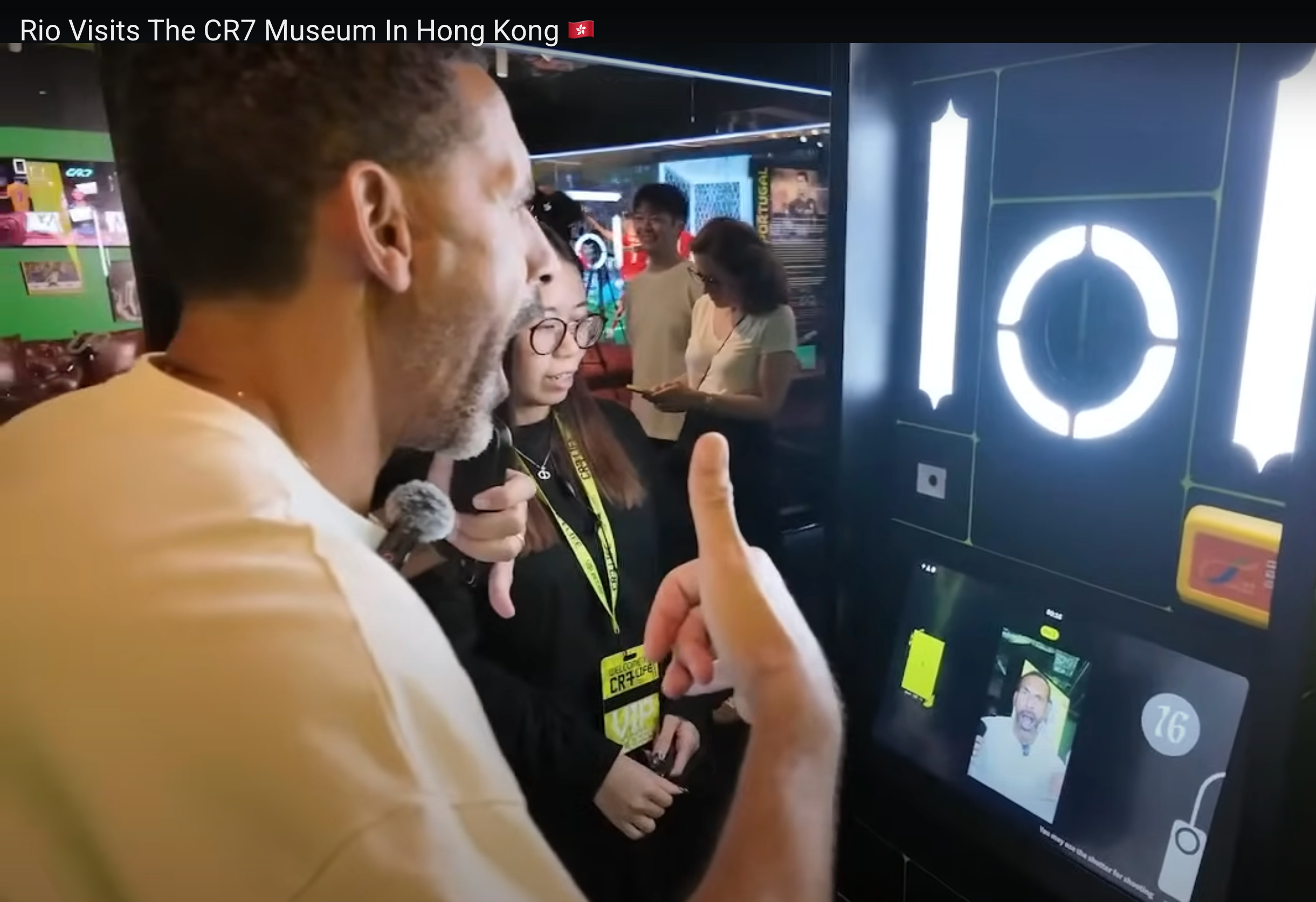
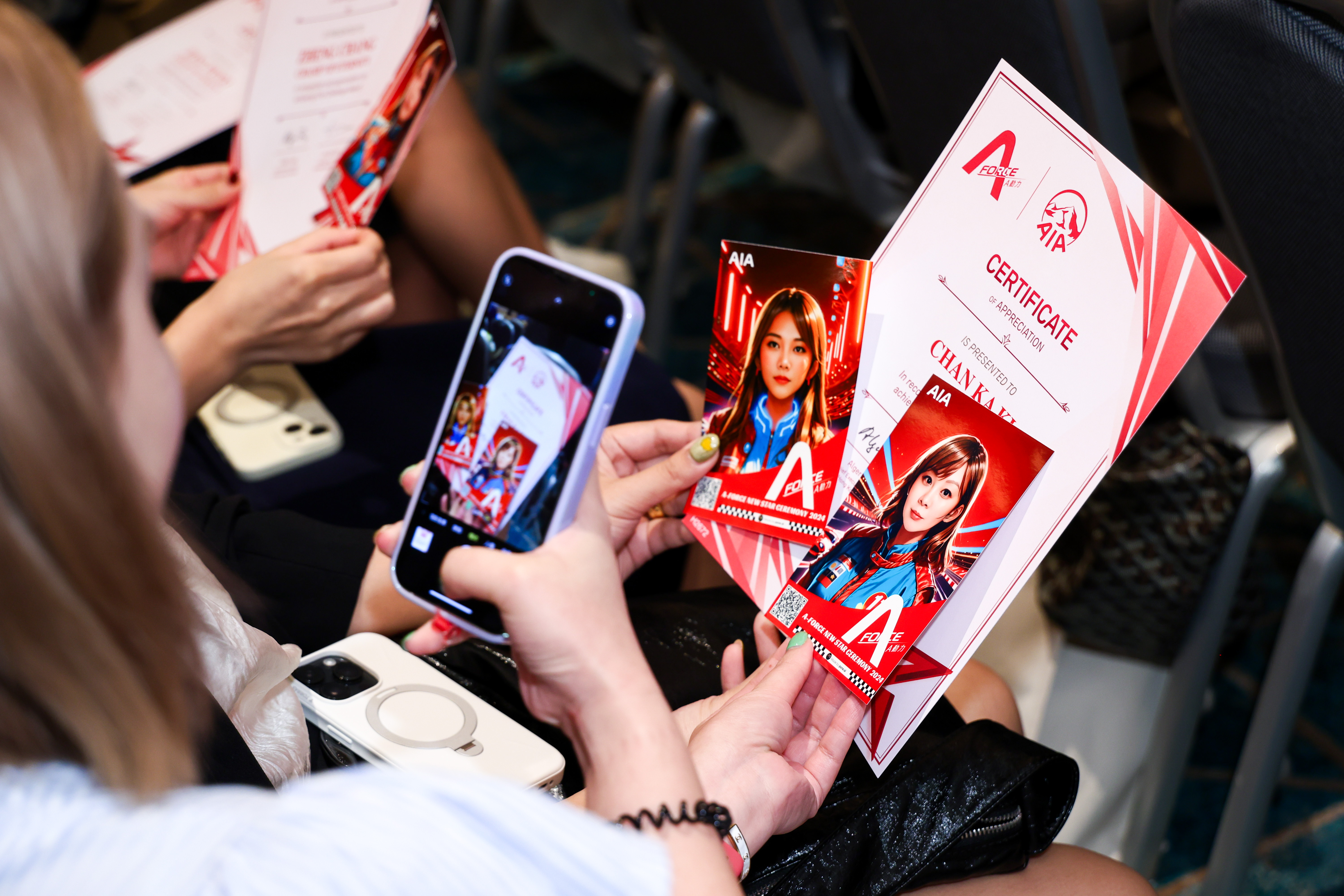
At PONS.ai, we have seen the same pattern across **CR7 LIFE Museum, foodpanda, KPMG, HSBC, AIA, Starbucks APAC, JCDecaux, Sandbox VR, AWS TechFest, LONGINES IJC, and Maersk**. When the output feels personal and the workflow stays fast, people stay longer, share more, and remember the brand more clearly.
Why Hong Kong retail needs more than a standard photo booth
Hong Kong is a high-density, high-expectation market. Shoppers move quickly, venues are compact, and campaigns have to justify their presence almost immediately. If the activation does not pay off in the first few seconds, people keep walking.
That makes retail activations very different from generic event entertainment. The booth has to do three jobs at once:
- attract attention from a distance - give the visitor a personal reason to stop - produce a branded asset that extends the campaign beyond the venue
A traditional photo booth can cover the first two parts. An AI Photo Booth is stronger on all three. It creates a finished output that feels designed for the campaign, not just captured at the event.
Where AI Photo Booths work best in Hong Kong retail
Hong Kong retail is not one single format. The same activation engine can support very different goals depending on the campaign.
Mall pop-ups
For mall pop-ups, the booth should be easy to understand at a glance. People need to know within a few seconds what they get, why it is worth doing, and how it connects to the brand.
Product launches
For launches, the booth can turn the product story into a shareable visual moment. That works especially well when the campaign has a strong theme, seasonal tie-in, or premium look and feel.
Brand activation roadshows
Roadshows need consistency. An AI Photo Booth helps a brand keep the same visual logic across different sites while still adapting the output for local audiences.
Retail loyalty events
For member events, the booth gives the brand a better reason to reward existing customers. Instead of a passive display, you get a personal experience that people are more likely to post and keep.
Department store and flagship moments
High-end retail spaces in Hong Kong reward polish. If the output feels premium, the activation feels native to the environment. If it feels cheap, the whole room notices.
What makes AI better than a traditional booth
The difference is not just the tech. It is the kind of value the activation creates.
Factor | Traditional photo booth | AI Photo Booth |
Output | Straight capture | Personalized branded transformation |
Shareability | Moderate | High |
Brand control | Limited | Strong |
Campaign fit | Generic entertainment | Content engine for retail activation |
Post-event value | Low | High |
Lead capture | Often manual | Can be built into the flow |
For Hong Kong retail teams, that difference matters because the activation has to keep working after the queue ends. If the output is strong enough, it becomes social content, CRM follow-up, and recap material instead of just a one-time crowd pleaser.
How PONS.ai approaches Hong Kong retail activations
PONS.ai is built for branded live experiences, not just novelty installs. In practice, that means three priorities:
- fast generation so the line keeps moving - strong visual branding so the output looks like the campaign - clean guest flow so the activation does not clog the store or mall space
In tuned live environments, generation is often around **10 seconds**. That matters a lot in Hong Kong. Compact venues and fast-moving audiences punish anything that feels slow or clumsy.
The bigger point is that the booth should not feel like an add-on. It should feel like part of the campaign design.
Real PONS.ai examples that map to retail
The best way to judge a format is by the kinds of events it has already handled.
At **foodpanda**, the goal was to create something engaging and shareable around a milestone moment. That is close to what many retail teams want: a campaign asset that feels personal, not generic.
At **Starbucks APAC**, the activation leaned into personalized gifting and employee engagement. That same thinking translates well to loyalty programs and consumer-facing retail rewards.
At **JCDecaux**, the challenge was to make a public-facing experience feel interactive rather than static. Retail pop-ups and mall activations need that same ability to pull people in from the outside.
At **CR7 LIFE Museum**, **AWS TechFest**, **HSBC**, **KPMG**, **AIA**, **Sandbox VR**, **LONGINES IJC**, and **Maersk**, the common thread was clear: the booth had to respect the audience, match the brand, and deliver something people wanted to keep.
That is the standard Hong Kong retail teams should expect too.
What Hong Kong buyers should ask before booking
Do not start with price alone. Start with the outcome.
Ask these questions:
- How fast is the full guest journey from first tap to final output? - Can the creative be fully branded for the campaign? - Will the result look good enough for social, CRM, and recap use? - Can the booth handle real foot traffic in a compact Hong Kong venue? - Does the vendor understand local retail expectations and approval workflows?
If the answer to those questions is weak, the activation will probably feel like a gimmick. If the answers are strong, you are looking at a real content asset.
Hong Kong retail venue checklist
Venue fit is a huge part of success in Hong Kong. A booth that works in a quiet showroom can fail in a crowded mall or flagship store.
Before you book, check:
- enough space for a queue without blocking traffic - clear sightlines so passersby can understand the activation quickly - stable power and a sensible setup area - a lighting plan that keeps the output looking premium - a delivery flow that feels natural for local shoppers - a fallback plan if foot traffic spikes hard during peak hours
Hong Kong venues reward precision. The tighter the plan, the better the activation performs.
How to turn the booth into a retail growth asset
The mistake many teams make is treating the booth as the end of the campaign. It is better thought of as a content capture system.
Here is how it can work:
1. The shopper stops because the activation looks interesting. 2. The booth creates a personalized branded result. 3. The guest shares or saves the output immediately. 4. The brand reuses the content in recap, social, email, or in-store follow-up. 5. The campaign continues working after the live day.
That is where the return starts to compound.
AI Photo Booth vs other retail activation formats
Retail teams often compare AI Photo Booths with other common activation tools.
Format | Best for | Limitation |
Standard photo corner | Simple keepsakes | Limited brand value |
Selfie mirror | Fun guest interaction | Can feel repetitive |
Prize wheel / giveaway | Quick traffic spikes | Low post-event content value |
AI Photo Booth | Personalized content and brand recall | Requires stronger creative setup |
If the goal is only to hand out a physical takeaway, other formats can work. If the goal is to create something that people want to share and remember, AI usually wins.
FAQ: AI Photo Booth Hong Kong for retail activations
Is an AI Photo Booth good for Hong Kong mall campaigns?
Yes. Hong Kong mall audiences respond well to fast, visually strong activations that feel premium and worth sharing.
Can it work in a small retail footprint?
Yes. In fact, compact spaces often benefit the most because the booth has to be clear, quick, and efficient.
Does it help with social sharing?
Yes. That is one of the main reasons retailers use it. A personalized branded output is much more likely to be posted than a generic photo.
Can the booth be customized for a brand campaign?
Absolutely. The output can be tuned to the visual identity, theme, or product story of the campaign.
Is it useful after the event ends?
Very much so. The content can be reused in recap posts, internal reporting, CRM follow-up, and social campaigns.
Why Hong Kong is a strong market for this format
Hong Kong is one of the best places to sell an AI Photo Booth because the market already understands premium experience design. People here are used to polished retail environments, fast service, and strong visual presentation.
That means the activation has to look intentional. A booth that feels cheap or slow will stand out for the wrong reasons. A booth that feels premium, fast, and tailored can become the most memorable part of the campaign.
That is also why AI Photo Booths work so well across Hong Kong, Singapore, Dubai, London, and the US. The best deployments do not just entertain. They create branded content that travels.
What success looks like
For a Hong Kong retail campaign, success is not just footfall. It is a mix of:
- dwell time - participation rate - share rate - content reuse - brand recall - smooth live execution
If the booth can improve those metrics, it is doing real work.
At PONS.ai, we have already generated **millions of photos since 2021**, and the same pattern keeps showing up: when the experience feels personal, guests engage more deeply. When the output feels useful, the brand gets more value from the same moment.
Final take
If you are planning a retail campaign in Hong Kong, the best AI Photo Booth is the one that helps the store or venue do its job: attract attention, keep people engaged, and create content that extends the campaign after the doors close.
For Hong Kong brands, that is the difference between a busy day and a memorable one.
**Book a demo with PONS.ai**


Comments