top of page
White-label AI photo booth for agency-led premium activations

Most agencies do not lose deals because their ideas are weak. They lose because the delivery model is too thin.

You win the pitch, then the client asks for a branded activation, a fast turnaround, a premium guest experience, and post-event assets they can reuse across social, CRM, and internal comms. Suddenly, the agency has to either assemble a stack of vendors or say no to revenue.

That is exactly where a white-label AI Photo Booth changes the game.

Instead of treating the booth as a one-off attraction, you turn it into a productized service that can sit inside your agency offer. Your client sees one clean brand experience. Your team keeps control of the relationship. And the output looks like it came from your campaign, not a third-party booth supplier.

For PONS.ai, this is not a theory. It is how premium event work becomes easier to scale. Across projects for CR7 LIFE Museum, foodpanda, KPMG, HSBC, AIA, Starbucks APAC, AWS TechFest, LONGINES IJC, JCDecaux, Sandbox VR, and Maersk, the same lesson keeps showing up: when guests get something personal, polished, and shareable, the activation becomes more valuable.

What does white-label actually mean for an agency?

White-label means the client experiences the activation as yours.

The branding is yours. The client-facing language is yours. The guest flow feels like part of your campaign. The tech can sit invisibly behind the scenes while your agency owns the narrative.

That matters because agencies are not just selling execution. They are selling trust, taste, and consistency.

If you bring in a generic booth that feels disconnected from the campaign, you dilute the brand story. If you bring in a white-label AI Photo Booth that can be styled, framed, and delivered like a custom asset, you protect the campaign and often improve the client’s perception of your team.

There are three practical versions of white-label:

1. Soft white-label, where the tech partner is invisible to the audience but may still appear in internal paperwork. 2. Full white-label, where the guest-facing experience is entirely branded as the agency or client. 3. Co-branded production, where the agency keeps lead role but the service is positioned as a joint delivery.

For most agencies, full white-label is the sweet spot when they want to look bigger without building a booth business from scratch.

Why agencies are moving toward productized event experiences

The experiential market is not getting simpler. It is getting more crowded, more data-driven, and more expectation-heavy.

Brand teams now expect experiences that are interactive, measurable, and built for content reuse. Salesforce describes experiential marketing as live events, pop-ups, and brand activations that create emotional connection by involving customers in an activity rather than passively showing them something. That is basically the bar now.

Event Marketer’s 2026 coverage of top agencies also makes the trend obvious: the best agencies are scaling up, not shrinking down. They are expected to handle more strategic clients, more complex creative, and more measurable outcomes.

That creates a structural problem for agencies that still rely on ad hoc vendor sourcing. Every new format means new risk, new training, new production overhead, and more room for failure.

A white-label AI Photo Booth solves that by turning a custom activation into a repeatable offer.

It gives you:

A faster way to pitch premium interactive content A cleaner way to package brand activations A more credible way to upsell event tech A stronger way to keep your client relationship intact A reusable format you can deploy across categories

In other words, it helps the agency stop selling hours and start selling outcomes.

What agencies actually need from an AI Photo Booth partner
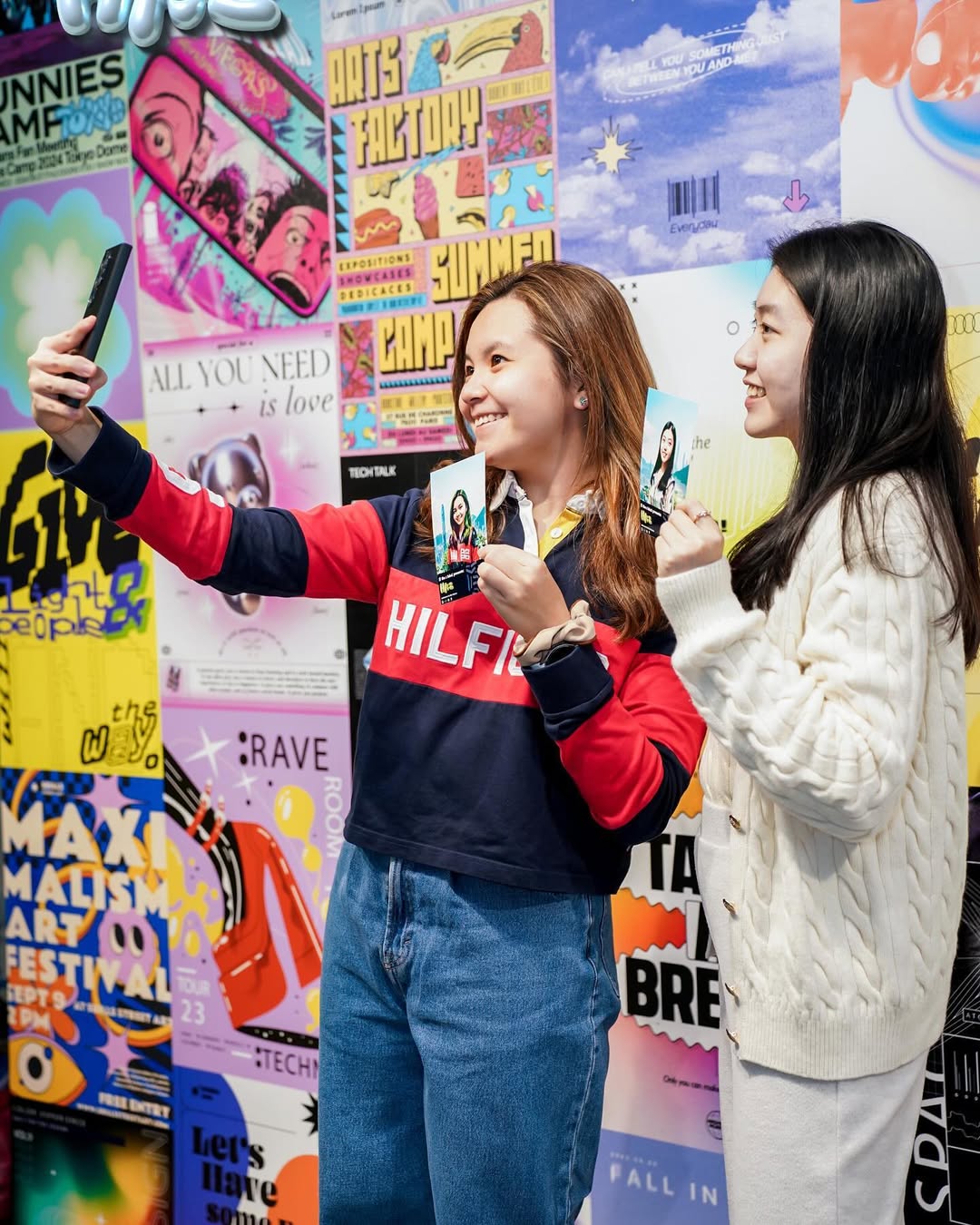
Agency guests using a branded AI Photo Booth at a corporate activation

Not all booth solutions are built for agency work.

Agencies care about a different set of issues than end clients do. The client might ask, “Does it look cool?” The agency asks, “Can I trust this to land on time, with the right tone, and without wrecking my team’s day?”

The real checklist looks like this:

That is where PONS.ai is strongest.

Our deployments are built for premium branded output and real event flow, not just demo-room novelty. In practice, that means the experience can stay fast enough to support live traffic, with generation times around 10 seconds in the right setup. For agencies, that matters because queue health is part of the product.

If the booth bogs down, the activation stops feeling premium. If it stays smooth, the guest experience feels effortless and the agency looks sharp.

Why AI Photo Booths are better than traditional booth rentals for agency clients

Traditional booth rentals are fine when the brief is simple.

But agency briefs are rarely simple.

The problem with a standard photo booth is not that it fails. It is that it caps the value too early. It gives the guest a photo, maybe a print, maybe a gallery. That is useful, but it is often not enough for a modern brand activation.

An AI Photo Booth creates a different kind of output:

It is more personalized It is more brandable It is more shareable It is easier to position as part of a campaign It creates stronger post-event assets

That shift matters because agencies need things that travel beyond the event floor.

If the output can be used in a recap video, social post, LinkedIn share, internal newsletter, or follow-up email, the activation becomes a marketing asset instead of a one-night expense.

That is the biggest difference.

What kinds of agencies benefit most?

Almost every agency can benefit from a white-label AI Photo Booth, but some feel the value faster than others.

### Event agencies

Event agencies are the obvious fit. They already live in production, logistics, and guest experience. A white-label booth gives them a higher-value add-on they can package into launches, conferences, and sponsorship activations.

### Brand activation agencies

These teams care about memorability and shareability. AI Photo Booth output is useful because it can be shaped to fit the campaign theme rather than looking like generic event photography.

### Creative agencies

Creative agencies often win on concept, but they need trusted delivery partners to make the concept real. White-label lets them protect the creative vision without building the operation themselves.

### PR and communications agencies

PR teams care about buzz, UGC, and media-friendly moments. AI Photo Booth experiences can create the kind of content people actually post.

### Digital agencies expanding offline

Many digital agencies are being asked to do more in the physical world. A white-label booth is a practical way to add live experience capability without turning the agency into a hardware company.

How PONS.ai fits into agency workflows

The best agency partnerships are boring in the right way.

By that I mean the handoff should be smooth, the creative should be clear, and the delivery should feel controlled.

At PONS.ai, the agency workflow usually works best when the team has:

1. A clear campaign goal 2. A visual direction or theme 3. A guest flow or lead capture requirement 4. A venue or market list 5. A desired output style

Once those are defined, the booth can be shaped around the campaign rather than the other way around.

That has worked across very different project types:

CR7 LIFE Museum, where the experience needed to feel iconic and fan-friendly foodpanda, where milestone storytelling needed to feel playful and social KPMG and HSBC, where the tone had to stay polished and corporate AIA and Starbucks APAC, where employee engagement had to feel personal AWS TechFest, LONGINES IJC, JCDecaux, Sandbox VR, and Maersk, where high-traffic environments demanded both speed and recall

The throughline is simple: if the output looks like part of the campaign, the guest is more likely to keep it, share it, and remember it.

What should the agency brief include?

If you want a strong white-label activation, the brief needs more than “make it look cool.”

Here is what we usually recommend agencies lock down early:

Primary objective: awareness, lead capture, social sharing, or internal engagement Brand tone: premium, playful, futuristic, luxury, corporate, youth-led, or community-driven Output format: still image, portrait set, themed transformation, branded recap asset On-site flow: open queue, QR capture, invite-only, registration-linked, or hybrid Market scope: one city, regional rollout, or multi-country deployment Data handling: whether opt-in, email capture, or gallery delivery is required Creative references: mood board, campaign assets, and any locked brand colors or type

Agencies that do this well usually move much faster in production.

The booth stops being a “feature request” and becomes an embedded campaign component.

Comparison: white-label AI booth vs standard vendor booking
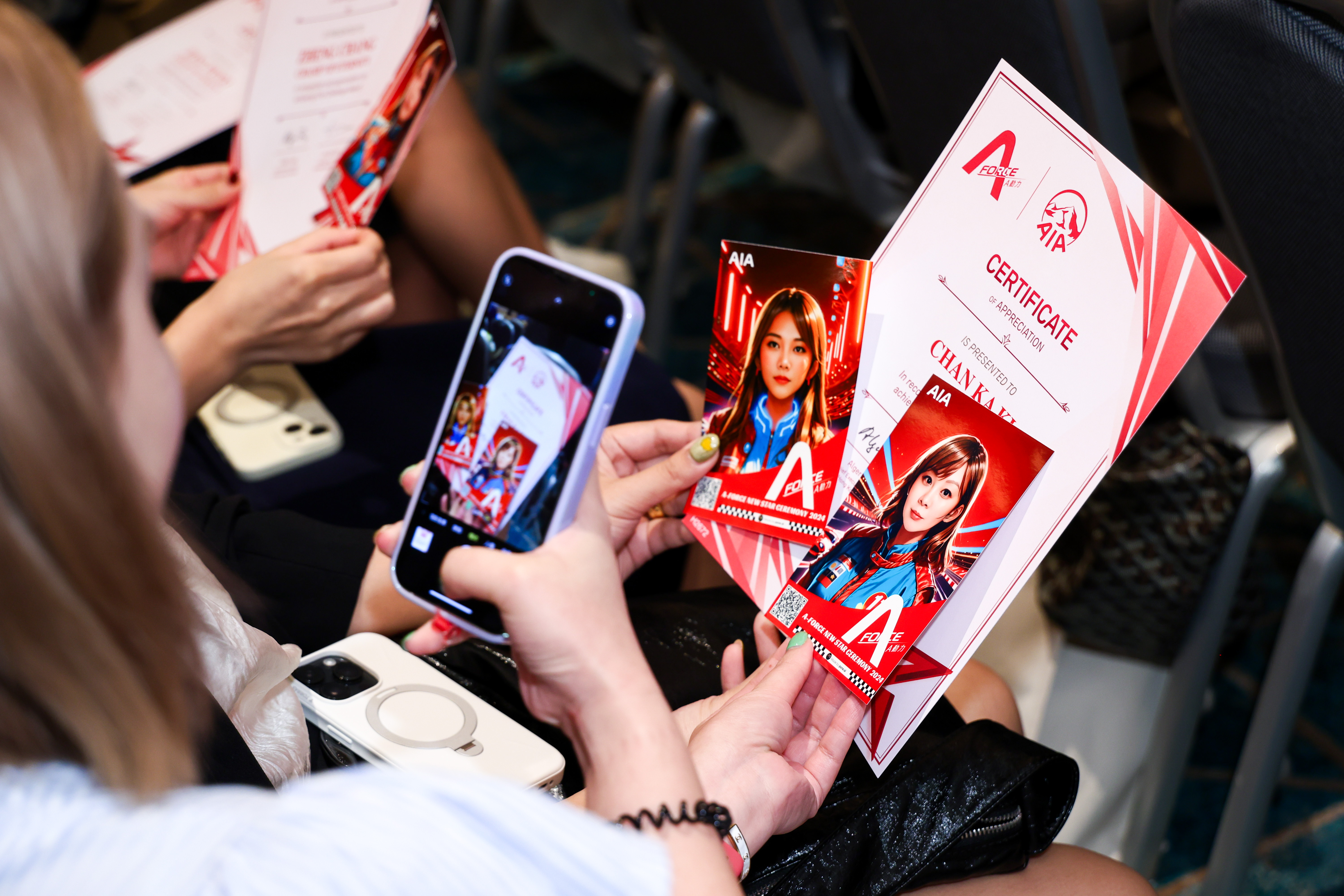
Premium AI-generated branded portraits for event campaigns

This is why the best agencies are not just buying activations. They are building a menu of repeatable experiences.

How white-label boosts agency margin

There are only three ways an agency makes more money on an activation:

1. Increase project value 2. Increase repeatability 3. Reduce delivery friction

A white-label AI Photo Booth does all three.

You can sell it as:

A standalone activation A sponsorship add-on A brand content station A lead capture experience A premium guest engagement layer

That gives the agency more pricing flexibility without having to reinvent the offer every time.

It also helps when a client asks for something “new” but still wants a safe, professional delivery partner. Instead of scrambling to source a new vendor, the agency already has a format that can be adapted.

What makes a white-label booth feel premium?

Premium is not about adding more effects.

Premium is about control.

The booth feels premium when:

The creative is clean and on-brand The guest flow is simple and fast The output feels personal The experience runs without awkward pauses The result looks good enough to share publicly

That is why PONS.ai focuses on polished output and event-ready execution rather than gimmicks.

For luxury brands, finance events, enterprise gatherings, and product launches, the booth needs to respect the room. It cannot feel like a toy.

Common agency mistakes

The biggest mistakes are predictable.

### 1. Treating the booth as a side add-on

If the booth is not tied to the campaign idea, it becomes a random object in the room.

### 2. Overpromising personalization

Some teams promise deep customization but do not have the production discipline to deliver it consistently.

### 3. Ignoring throughput

A beautiful booth that breaks under traffic is still a broken booth.

### 4. Forgetting post-event value

If the content cannot be reused after the event, the agency leaves value on the table.

### 5. Making the guest do too much work

The best experiences feel effortless. If guests have to read instructions, wait too long, or complete a clumsy form, the magic disappears.

FAQ

### Is a white-label AI Photo Booth only for large agencies?

No. Small and mid-size agencies often benefit the most because they can offer a premium service without building a full production stack internally.

### Can the experience match different brand tones?

Yes. The output can be adapted for luxury, corporate, retail, tech, hospitality, and community events. The key is to start with the brand tone, not the effect.

### How fast can the experience run?

With the right setup, it can stay fast enough for live event traffic. For PONS.ai projects, we often target around 10 seconds for generation in the right environment.

### Can the booth support lead capture?

Yes, if the campaign needs it. Some agencies want pure engagement; others want opt-in and follow-up. The experience can be designed around either goal.

### Is white-label useful for regional campaigns?

Very. It lets an agency keep one creative concept and adapt it for different markets without rebuilding the entire guest journey each time.

### Does the client ever need to know the tech partner?

Not always. In full white-label work, the experience can be presented entirely under the agency or client brand.

What good looks like in practice

The strongest agency activations tend to share the same qualities:

A clear story A simple guest flow A premium look A fast turnaround A result that people want to save

That is why the best work is not just “an AI booth.” It is a branded content system.

When that system is white-labeled properly, the agency wins twice: once at pitch stage, and once when the client sees the room respond.

Final thought

If you are an agency trying to grow beyond one-off activations, white-label AI Photo Booths are one of the cleanest ways to package premium experience work.

They help you keep the client relationship, protect the creative, and turn a single event into a repeatable offer.

And because the output is personal, fast, and shareable, it can do more than entertain. It can help the brand create content, drive recall, and extend the campaign after the event ends.

For agencies that want to look bigger without becoming heavier, that is a very good trade.

**Book a demo with PONS.ai**

Premium AI photo booth software for corporate events and branded guest content

The best AI photo booth software in 2026 is not the one with the flashiest homepage. It is the one that helps your event team create branded content, move guests through quickly, and prove value after the room empties.

That is why buyers keep comparing platforms like PONS.ai, Snapbar, Snappic, and Activation King. On the surface, they all promise AI-powered experiences. In practice, the differences show up in creative quality, throughput, lead capture, and how much effort your team needs to run the activation well.

At PONS.ai, we have seen the pattern across real enterprise work for CR7 LIFE Museum, foodpanda, KPMG, HSBC, AIA, Starbucks APAC, AWS TechFest, LONGINES IJC, JCDecaux, Sandbox VR, and Maersk. When the output feels personal and premium, people keep it, share it, and remember it.

What makes AI photo booth software worth paying for?

For event teams, software matters because it controls the full experience.

A good platform should do four things well:

1. Create output that people actually want to keep and share 2. Move guests through fast enough that queues do not kill the mood 3. Support brand control, lead capture, and post-event follow-up 4. Fit the tone of the event, whether that is enterprise, luxury, retail, or launch-driven

If a booth only produces a moment, it is entertainment. If it produces reusable content and useful data, it becomes marketing infrastructure.

That is the real benchmark in 2026.

The main platforms event teams compare

Here is the short version.

Platform

Best for

Strength

Trade-off

PONS.ai

Premium brand activations, corporate events, campaigns

Strong creative direction, local execution, event storytelling

Needs a clear brief to unlock the best output

Snapbar

Lead capture-led activations, browser-based deployment

Hardware-light, broad activation formats, strong managed-service feel

Less operator-centric if you want deep booth-business tooling

Snappic

Booth operators and rental businesses

Broad software feature set, 360 support, templates, analytics

More operator tooling than brand storytelling

Activation King

Multi-format event operators

All-in-one software and hardware catalog, broad rental ecosystem

More product breadth than premium brand positioning

The right answer depends on whether you are buying for a brand, an agency, or an operator.

PONS.ai: best when the goal is premium branded content

PONS.ai is strongest when the event brief is not just "get photos" but "create something people will remember and share."

That matters in corporate events, product launches, exhibitions, retail activations, and employee experiences. The platform is built around personalized output, and in our own deployments we typically target around 10 seconds for generation. That keeps the queue moving and helps the activation feel smooth rather than clunky.

We have seen this work especially well in:

- CR7 LIFE Museum, where the goal was a memorable, on-brand guest moment - foodpanda, where milestone storytelling needed to feel playful and social - KPMG and HSBC, where the experience had to stay polished and enterprise-appropriate - AIA and Starbucks APAC, where internal engagement and brand participation mattered - AWS TechFest, LONGINES IJC, JCDecaux, Sandbox VR, and Maersk, where the common pattern was the same: people shared more when the output felt personal

If you are a brand team, that is the point. The booth should not feel like a generic side attraction. It should feel like a content engine.

Snapbar: strong for browser-based activation and lead capture

Guests creating branded AI photo booth content at a corporate event

Snapbar is a serious competitor because it focuses on event marketing outcomes, not just novelty.

Its official AI photo booth positioning emphasizes custom AI portraits, built-in lead capture, browser-based deployment, and no dedicated hardware. That makes it attractive when you want a lightweight rollout, a fast setup, and a value exchange where guests provide data in return for branded content.

Snapbar is a smart choice if:

- You want a web-first flow - You need lead capture built into the experience - You want a managed activation that scales across many guests - You are less focused on operator hardware and more focused on campaign execution

Where PONS.ai tends to stand out is creative specificity and real event storytelling. If the campaign needs a highly tailored look tied to the brand or market, that is where the difference becomes visible.

Snappic: strongest for operators and multi-booth flexibility

Snappic is built like a serious booth platform.

Its official site positions it as an all-in-one solution with AI-powered effects, 360 booth support, instant social sharing, professional templates, and real-time analytics. That makes it attractive for rental businesses and operators who need one platform to handle many booth types.

Snappic is a strong fit when:

- You run photo booths as a business - You need 360, mirror, DSLR, or iPad support in one stack - You care about operator workflow, templates, and configuration depth - You want something broad rather than narrowly brand-led

If you are an event marketer, Snappic can work well. But if your north star is premium branded output with a clear creative brief, you may still prefer a more campaign-oriented experience.

Activation King: broad catalog, broad appeal

Activation King takes a wide-angle approach.

Its official messaging emphasizes software and hardware for photo, 360, AI, and GlamBot experiences, with a large event-pro network behind it. That is useful for operators who want an ecosystem rather than a single hero product.

Activation King is worth a look if:

- You want a wide catalog of booth types - You prefer one vendor for software and hardware - You are scaling an event business across multiple experience formats

The trade-off is focus. Broad catalogs are useful, but they can be less opinionated about the brand story than a platform built around premium content experiences.

Comparison table: which platform wins by use case?

Use case

Best fit

Why

Corporate event with strong brand standards

PONS.ai

Premium output, brand storytelling, and fast delivery

Lead capture campaign

Snapbar

Built-in lead capture and browser-first deployment

Photo booth business operations

Snappic

Broad booth support, templates, analytics, operator tooling

Multi-format rental catalog

Activation King

Wide product range across many booth categories

Product launch with campaign art direction

PONS.ai

Best when the output must feel like the campaign itself

High-volume operator setup

Snappic or Activation King

Better suited to operator workflows and multiple formats

This is the mistake many teams make: they compare software by feature count alone. That is not enough. The better question is which platform matches the job you are trying to do.

What corporate teams should care about most

If you are planning a branded event, the buying criteria should be simple.

1. Does it create content guests want to keep?

If the output feels generic, the guest ignores it. If the output feels personal, branded, or aspirational, people save it and share it.

2. Can it survive real event traffic?

The best-looking concept in a deck can fall apart on the floor. You need a platform that keeps the queue moving and stays stable under pressure.

3. Does it fit the brand tone?

A luxury launch, a tech summit, and a staff appreciation event all need different visual language. One-size-fits-all creative rarely works.

4. What happens after the event?

The strongest booths do not end at the booth. They create post-event assets for social, CRM, internal comms, and recap content.

That is the core reason AI photo booth software has become more valuable than traditional photo booth rental alone.

Real-world lessons from PONS.ai events

AI-generated branded portraits for premium event audiences

Our own work points to a simple truth: format choice should follow the event goal.

When the brief is high-end and brand-led, the best results come from output that feels like campaign content, not a novelty print.

When the brief is internal engagement, the win is participation and pride.

When the brief is a launch or exhibition, the win is speed plus shareability.

That is why one format does not win every time. But across our work, the most effective activations are the ones that combine:

- strong art direction - quick generation - clear brand controls - easy sharing - useful post-event assets

That combination is what turns a booth into a marketing asset.

Which platform should you choose?

Choose PONS.ai if your event is premium, brand-sensitive, or campaign-led, and you want the output to feel custom rather than templated.

Choose Snapbar if your priority is browser-based deployment with strong lead capture and managed activation flow.

Choose Snappic if you are an operator who wants broad booth support, analytics, and a platform that can handle many event formats.

Choose Activation King if you want a wide event-tech catalog and an all-in-one vendor relationship.

If you are still undecided, start with the question that matters most: do you need a booth that simply works, or one that also makes your brand look better?

For most enterprise teams, that second category is where the real value lives.

FAQ

Is PONS.ai a software company or a managed event experience?

It is best thought of as a premium AI photo booth experience platform. The software matters, but the creative execution matters just as much.

Why do some teams prefer Snapbar or Snappic?

Snapbar is attractive for web-first lead capture and managed activation. Snappic is attractive for operators who need broad booth support and workflow depth.

What is the biggest mistake when buying AI photo booth software?

Choosing the cheapest or most feature-packed option without matching it to the event objective. A perfect operator tool may be the wrong brand tool.

What makes AI photo booths better than traditional booths?

They create branded, reusable content that can support social sharing, recall, and follow-up, instead of just producing a single souvenir moment.

Final takeaway

If your event only needs a quick photo moment, almost any booth platform can do the job.

If your event needs premium branded content, smoother guest flow, and a real post-event asset, the best AI photo booth software is the one that treats the booth as a content engine.

That is where PONS.ai is strongest. It is built for teams that care about how the experience looks, how fast it runs, and what the brand gets out of it after the event ends.

**Book a demo with PONS.ai**

AI Photo Booth for corporate events at a branded enterprise conference by PONS.ai

If you are planning a premium event in 2026, the real question is not whether guests will take photos. They will. The real question is which booth format creates the kind of content your brand can actually use after the event ends.

That is why teams keep comparing AI Photo Booths, traditional photo booths, and 360 booths. They all create moments. They do not all create the same business value.

Corporate event attendees using an AI photo booth to generate branded portraits

At PONS.ai, we have seen this play out across real work for CR7 LIFE Museum, foodpanda, KPMG, HSBC, AIA, JCDecaux, Sandbox VR, AWS TechFest, Starbucks APAC, LONGINES IJC, and Maersk. The pattern is consistent: when the output feels personal, people keep it, share it, and remember it.

Quick answer: which booth should you choose?

If you want the short version, here it is.

The key difference is strategic, not cosmetic. A traditional booth gives you a photo. A 360 booth gives you a clip. An AI Photo Booth gives you a branded asset that can keep working in social, recap decks, CRM follow-up, and post-event content.

Why this comparison matters now

Event teams are under more pressure than ever. Stakeholders want proof of ROI. Guests want something worth sharing. Brands want the activation to look premium, not gimmicky.

That is exactly why booth choice matters.

A BizBash feature on event UGC notes that 67% of attendees are very likely to create and share content during an event. That means the issue is not whether people will post. It is whether your booth is designed to turn participation into high-quality content.

2026 trend coverage also points in the same direction. 360 booths are still strong when the brief is spectacle and motion. But AI Photo Booths are winning when the brief is branding, personalization, and reusable output.

1) AI Photo Booth

If your goal is branded content, this is the strongest option.

An AI Photo Booth transforms a guest image into a customised visual that feels designed for the campaign. That can be a polished portrait, a themed concept, a luxury-style transformation, or a market-specific visual tied to the event story.

That matters because the output is not just entertainment. It is marketing material.

At PONS.ai, we typically target output in about 10 seconds. That sounds like a small detail, but it is one of the biggest reasons the experience works. Fast output keeps the queue moving, protects the energy in the room, and makes the activation feel premium instead of clunky.

It also fits how modern events are judged. Guests want a good experience. Brand teams want shareable content. Sales and marketing teams want assets they can reuse later. The AI Photo Booth can support all three.

Best for: - corporate events - product launches - exhibitions and trade shows - brand activations - employee events - premium retail moments

Why it wins: - highly personalised output - strong brand control - better post-event content value - easier to align with campaign themes - more memorable than a generic booth

The trade-off is that it needs better creative direction. If you give it a weak brief, the output will feel weak too. The good news is that when the brief is clear, the format is extremely flexible.

2) Traditional photo booth

The traditional photo booth is still useful, but only when the brief is simple.

It is familiar. People know how it works. The setup is predictable. And if your only goal is to give guests a quick souvenir, it does the job.

But in premium event environments, “does the job” is often not enough.

Traditional booths usually struggle to create content that feels distinct or brand-led. They are fine for casual moments, but weaker when you need the booth to contribute to campaign value, social sharing, or lead capture.

Best for: - casual parties - simple attendee souvenirs - low-complexity events - situations where the booth is a side attraction

Why it works: - easy to understand - quick to deploy - low creative overhead

Why it loses: - limited personalisation - weaker brand story - lower post-event reuse

If the goal is nostalgia, a traditional booth is fine. If the goal is measurable content, it is usually not the best pick.

3) 360 booth

The 360 booth is the spectacle option.

If you want motion-heavy content that looks dramatic on social, it delivers. That is why it still performs well for consumer launches, nightlife-style events, younger audiences, and campaigns where the booth itself should feel like the headline.

The downside is operational.

360 booths usually need more space, more handling, and more patience from the crowd. In a busy ballroom, a packed exhibition stand, or a premium corporate event with tight flow, that can become a constraint.

Best for: - high-energy activations - consumer launches - nightlife and entertainment events - social-first campaigns

Why it works: - strong visual impact - highly shareable video output - obvious crowd appeal

Why it loses: - slower throughput - bigger footprint - less personalised than AI output - can feel familiar now in some markets

A 360 booth is still strong when the brief is “make it look exciting.” It is weaker when the brief is “make it feel personal and premium.”

4) Glam booth

The glam booth is the polished one.

It is designed to flatter. That makes it attractive for beauty, fashion, VIP evenings, and events where the output should feel clean and sleek rather than playful.

For the right audience, that is a good thing. For broader brand campaigns, it can be a little narrow.

Best for: - beauty brands - fashion events - VIP receptions - premium social gatherings

Why it works: - elegant output - premium feel - easy to explain

Why it loses: - less flexible for campaign storytelling - often lighter on engagement data - weaker for broader event marketing goals

It is a style choice more than a strategy choice.

5) Magazine booth

The magazine booth is the editorial option.

It works when you want guests to feel like the cover story. That makes it a strong fit for luxury launches, fashion, media, and premium brand activations.

The risk is that it can become gimmicky if the concept is weak. It needs sharp art direction to stay elevated.

Best for: - luxury brands - editorial-style launches - fashion and beauty activations - premium product moments

Why it works: - visually striking - strong status effect - very social-friendly

Why it loses: - can feel overused - needs careful styling - less operationally flexible than AI formats

6) Selfie station

The selfie station is the volume play.

It is quick, low-friction, and usually the cheapest path to interaction. That is why it appears at smaller activations and budget-conscious events.

But the content value is limited.

It gives you participation, but usually not much brand differentiation. If you need the activation to contribute to your content engine, it is the weakest option on this list.

Best for: - short activations - budget-sensitive events - simple participation moments

Why it works: - fast - simple - scalable

Why it loses: - weak brand story - lower share value - little post-event utility

7) Mirror booth

The mirror booth sits between fun and design.

It is playful, visually obvious, and easy to understand. That makes it a decent fit for weddings, galas, and social celebrations.

For brand work, though, it usually does not go far enough. If the goal is reusable campaign content, analytics, or deeper personalization, there are stronger options.

Best for: - weddings - galas - stylish parties - lighter social events

Why it works: - theatrical - approachable - visually appealing

Why it loses: - limited strategic depth - not ideal for serious brand storytelling

What the formats look like in one table

What corporate teams should choose by objective

If your goal is awareness, pick the format that creates the strongest visual distinctiveness and the easiest share path.

If your goal is lead generation, pick the format that can support QR delivery, opt-in, and post-event follow-up without making the experience feel like a form.

If your goal is content production, the AI Photo Booth usually wins because the output itself has reuse value.

If your goal is brand lift, choose the format that matches the tone of your brand. A luxury brand may prefer a magazine-style finish. A tech or enterprise brand may want a clean AI-driven portrait experience. A consumer launch may want a 360 booth for motion.

Real PONS.ai examples

This is where the comparison gets real.

At CR7 LIFE Museum, the brief was about a memorable guest moment that felt shareable and on-brand.

At foodpanda, the activation supported milestone storytelling with content people actually wanted to keep.

At KPMG and HSBC, the goal was polished, enterprise-appropriate engagement.

At AIA and Starbucks APAC, the booth helped with internal engagement and brand participation.

At JCDecaux, Sandbox VR, AWS TechFest, LONGINES IJC, and Maersk, the same lesson held: when the output feels personal, people keep it, share it, and remember it.

That is why PONS.ai focuses on real event conditions, not demo-room conditions. The booth has to survive foot traffic, keep the queue moving, and still produce output that looks good enough to post.

The ROI question no one should skip

A lot of teams compare booths by rental price. That is the wrong starting point.

The better question is: what does each format create after the event ends?

A simple way to think about it: - awareness value = impressions and social reach - lead value = captured contacts and follow-up potential - content value = reusable branded assets - brand value = recall, sentiment, and quality of experience

A booth that only creates a moment has limited value. A booth that creates content keeps paying off after the doors close.

What to ask before you book one

Before you choose any booth, ask: - How fast is the full guest journey? - Can the output be fully branded? - Does it fit the event tone? - Is it quick enough for peak traffic? - Can it support sharing and follow-up? - What happens to the content after the event?

That last question matters a lot. If the answer is “nothing,” you are leaving value on the table.

AI-generated branded portraits for premium event audiences in Dubai

FAQ

Is an AI Photo Booth better than a 360 booth?

It depends on the goal. A 360 booth is better for motion and spectacle. An AI Photo Booth is better for personalization, brand control, and reusable output.

Is a traditional photo booth still worth it?

Yes, if you only need a simple souvenir moment. It is just not the strongest option when the event needs to drive content or ROI.

Which format works best for corporate events?

For most corporate events, the AI Photo Booth is the strongest all-round choice because it balances speed, branding, and content value.

Do guests actually share the content?

Yes, especially when the output feels personal and worth keeping. That is why the design of the experience matters so much.

Which format is best for Hong Kong teams?

For Hong Kong, compact venues and high stakeholder expectations usually make the AI Photo Booth especially attractive because it is fast, polished, and easy to brief.

Final take

If your event needs only entertainment, almost any booth can work.

If your event needs content, brand value, and something guests actually want to keep, the AI Photo Booth usually wins.

If your event needs spectacle, the 360 booth still has a place. If you only need a quick souvenir, a traditional booth is fine. But if the goal is to turn attendance into something your brand can reuse, the AI Photo Booth is the most strategic choice.

For premium launches, corporate events, exhibitions, and brand activations, that is the format I would start with.

Book a demo with PONS.ai

bottom of page