top of page
AI photo booth brand activation by PONS.ai illustrating generative engine optimization for event businesses

Search has changed. If your event business still relies entirely on traditional SEO to attract clients, you are already falling behind. In 2026, a growing share of your potential customers never click a single search result — they get their answers directly from AI.

Welcome to the era of Generative Engine Optimization (GEO).

This guide breaks down what GEO is, why it matters for event businesses, and exactly how companies like AI photo booth providers, event planners, and brand activation agencies can adapt their digital strategy to stay visible in AI-powered search.

What Is Generative Engine Optimization (GEO)?

Generative Engine Optimization (GEO) is the practice of optimizing your content so that AI-powered search engines — including Google AI Overviews, ChatGPT, Perplexity, Google Gemini, and Claude — cite, reference, or recommend your business in their generated answers.

Unlike traditional SEO, where the goal is ranking in a list of blue links, GEO focuses on getting your brand mentioned inside the AI's response itself. When a corporate event planner asks ChatGPT, "What are the best AI photo booth providers for brand activations?" — GEO determines whether your company appears in that answer.

Think of it this way:

| Traditional SEO | GEO

Goal | Rank high in search results | Get cited in AI-generated answers

Traffic model | User clicks your link | AI references your content directly

Key metric | Position ranking, CTR | Citation rate, brand mention frequency

Content focus | Keywords, backlinks | Authority, entity richness, structured data

User behavior | Scrolls through results | Reads AI summary without clicking

The difference is not theoretical. According to data published in early 2026, approximately 60% of Google searches now end without a click. When Google's AI Mode is active, that figure rises to 93%. Gartner projects overall search query volume will decline 25% by 2026 as users shift to answer engines.

For event businesses, this is not a distant trend — it is happening now.

Why GEO Matters for Event Businesses

The event industry is uniquely vulnerable to the AI search shift for several reasons:

High-intent, information-rich queries. When someone searches "AI photo booth rental for corporate events Hong Kong," they want a direct answer — not a list of ten websites to browse. AI engines love answering these queries with synthesized recommendations.

Location-dependent decisions. Event planners search by city, venue type, and budget range. AI Overviews now appear in 25% of Google searches (as of March 2026), and they are especially prevalent for local service queries — exactly where event businesses compete.

Comparison shopping behavior. Prospects frequently ask questions like "What is the best AI photo booth software?" or "How much does an AI photo booth cost?" These comparison queries are prime territory for AI-generated answers that cite authoritative sources.

Long sales cycles. Enterprise event bookings involve research, shortlisting, and committee decisions. AI assistants are increasingly used at every stage of this journey. If your brand is absent from AI responses during the research phase, you may never make the shortlist.

Here is what the numbers look like:

  • AI referral traffic grew 975% year-over-year from January 2025 to January 2026

  • ChatGPT drives 87.4% of all AI referral traffic and reached 800 million weekly active users by October 2025

  • AI search traffic converts at 14.2% — roughly 5x higher than Google organic's 2.8% conversion rate

  • Websites cited in AI Overviews enjoy 35% higher organic CTR than those not cited

The message is clear: being cited by AI is not a nice-to-have — it is a competitive advantage that directly impacts revenue.

How GEO Works: The Core Principles

GEO operates on different principles than traditional SEO. Here are the five pillars that determine whether AI engines cite your event business:

1. Entity-Rich Content

AI models understand the world through entities — named things with defined relationships. When your content mentions specific companies, people, locations, technologies, and metrics, AI engines can map your brand into their knowledge graph.

What this looks like for event businesses:

Instead of writing "Our AI photo booth has been used at many corporate events," write:

*"PONS.ai has deployed AI photo booths at events for Starbucks, KPMG, HSBC, AIA Insurance, and JCDecaux across Hong Kong, Dubai, Singapore, and London. At the LONGINES International Jockeys' Championship at Happy Valley Racecourse, champion jockey Zac Purton and over 2,000 attendees used the AI face transformation experience, generating branded content in approximately 10 seconds per image."*

The second version contains 12 distinct entities (company names, people, locations, venues, metrics) versus zero in the first. AI engines strongly prefer content with verifiable, entity-rich information.

2. Structured FAQ Sections

Generative engines are essentially answer machines. Content structured as clear questions and direct answers is significantly more likely to be cited.

Example FAQ structure for an AI photo booth business:

How much does an AI photo booth cost?

AI photo booth pricing varies by deployment model. PONS.ai offers event-day rentals starting from HK$15,000 for a standard setup in Hong Kong, with enterprise packages for multi-day activations ranging from HK$30,000 to HK$80,000 depending on customization requirements. International deployments in Dubai, Singapore, and London include logistics and on-site support.

How long does it take to generate an AI photo?

PONS.ai's platform generates AI-transformed photos in approximately 10 seconds per image, supporting throughput of 300-400 guests per hour at peak operation.

These FAQ pairs serve double duty: they capture featured snippets in traditional search AND they become the exact text AI engines quote in their responses.

3. Citation Authority and E-E-A-T

AI engines evaluate Experience, Expertise, Authoritativeness, and Trustworthiness (E-E-A-T) even more rigorously than traditional search. For event businesses, this means:

  • Author attribution matters. Every blog post should have a named author with relevant credentials. At PONS.ai, content is authored by Kelvin Tang, Founder and CEO with direct experience deploying AI photo booths at 500+ events across six countries.

  • Case studies are citation magnets. Detailed case studies with named clients, specific metrics, and real outcomes are exactly what AI engines look for when generating recommendations.

  • Third-party validation counts. Press mentions, industry awards, Wikipedia references, and appearances in recognized publications (Forbes, TechCrunch, industry journals) all increase the likelihood of AI citation.

4. Structured Data and Schema Markup

Technical optimization helps AI engines discover, parse, and classify your content. Key schema types for event businesses include:

Schema Type | Purpose | Example

FAQPage | Surfaces Q&A pairs in AI answers | "How does an AI photo booth work?"

LocalBusiness | Ties your business to specific locations | AI photo booth provider in Hong Kong

Service | Defines what you offer | AI photo booth rental, brand activation

Review / AggregateRating | Social proof signals | 4.9/5 rating from enterprise clients

Event | Specific activations and case studies | LONGINES IJC 2025 AI photo booth

Person | Author and founder attribution | Kelvin Tang, CEO of PONS.ai

Organization | Company-level signals | PONS.ai, GenAI marketing platform

PONS.ai implements seven schema types across its website, including `llms.txt` — a machine-readable file specifically designed for AI engines to understand a site's purpose, services, and authority.

5. Multimodal Content

AI engines process text, images, and video. Event businesses have a natural advantage here — your work is inherently visual. Optimize for multimodal discovery by:

  • Adding descriptive alt text to every image (e.g., "KPMG corporate anniversary AI photo booth activation by PONS.ai" rather than "IMG_2847.jpg")

  • Including video content with transcripts and structured metadata

  • Creating comparison tables and data visualizations that AI engines can extract and cite

  • Publishing original photography from real events, which AI engines value more than stock imagery

GEO vs SEO: Do You Still Need Traditional SEO?

Absolutely. GEO does not replace SEO — it extends it. Think of GEO and SEO as complementary layers:

Strategy | What It Does | Priority for Event Businesses

Technical SEO | Ensures your site is crawlable and fast | Foundation (must-have)

Content SEO | Targets keyword rankings with quality content | High — still drives discovery

Local SEO | Optimizes for geo-specific search queries | Critical for event businesses

GEO | Optimizes for AI citation and recommendation | Growing — essential by 2026

The good news: strong SEO fundamentals feed directly into GEO performance. Google's AI Overviews frequently cite websites that already rank well organically. The key shift is adding GEO-specific optimizations on top of your existing SEO foundation.

A GEO Action Plan for Event Businesses

Here is a practical, step-by-step playbook for event businesses looking to implement GEO in 2026:

Step 1: Audit Your AI Visibility

Before optimizing, understand where you stand. Ask the major AI engines about your industry and see if your brand appears:

  • Search ChatGPT: "What are the best AI photo booth providers?"

  • Search Perplexity: "AI photo booth rental for corporate events"

  • Search Google Gemini: "Best AI photo booth software 2026"

  • Check Google AI Overviews for your target keywords

Document which competitors are being cited and which are not. This is your baseline.

Step 2: Build Entity-Rich Pillar Content

Create comprehensive, authoritative content around your core services. For an AI photo booth business, this might include:

  • "What Is an AI Photo Booth? The Complete Guide" (pillar page)

  • "AI Photo Booth for Corporate Events: ROI & Best Practices" (use-case page)

  • Geo-specific landing pages: "AI Photo Booth Hong Kong," "AI Photo Booth Dubai," "AI Photo Booth Singapore"

  • Case studies with named clients and specific metrics

Each piece should be rich with entities, statistics, and structured data.

Step 3: Implement FAQ Sections Everywhere

Add FAQ sections to your homepage, service pages, blog posts, and case studies. Use H2 headings for questions and provide direct, specific answers in the first sentence of each response.

Step 4: Strengthen Technical Signals

  • Implement FAQPage, LocalBusiness, Service, and Review schema markup

  • Add an `llms.txt` file to your site root

  • Ensure all images have descriptive, keyword-rich alt text

  • Make your site fast, mobile-friendly, and crawlable

Step 5: Create Comparison Content

AI engines love comparison content because it directly answers evaluative queries. Publish honest, detailed comparisons:

  • "AI Photo Booth vs Traditional Photo Booth: 10 Key Differences"

  • "Best AI Photo Booth Software Compared 2026"

  • "AI Photo Booth Pricing Guide: How Much Does It Really Cost?"

Include comparison tables with specific features, pricing ranges, and use-case recommendations.

Step 6: Build External Authority

Get your brand mentioned on third-party platforms that AI engines trust:

  • Industry publications and event marketing journals

  • Wikipedia (if your company meets notability guidelines)

  • Reddit and Quora answers (authentic, not spammy)

  • Podcast appearances and conference speaking

  • Client testimonials on review platforms

Step 7: Monitor and Iterate

GEO is not set-and-forget. Track your AI visibility monthly:

  • Which AI engines cite your brand?

  • For which queries do you appear?

  • Are competitors gaining or losing AI visibility?

  • What content formats get cited most often?

Tools like Profound, Otterly, and GEO-specific analytics platforms are emerging to help measure AI citation performance.

How PONS.ai Implements GEO
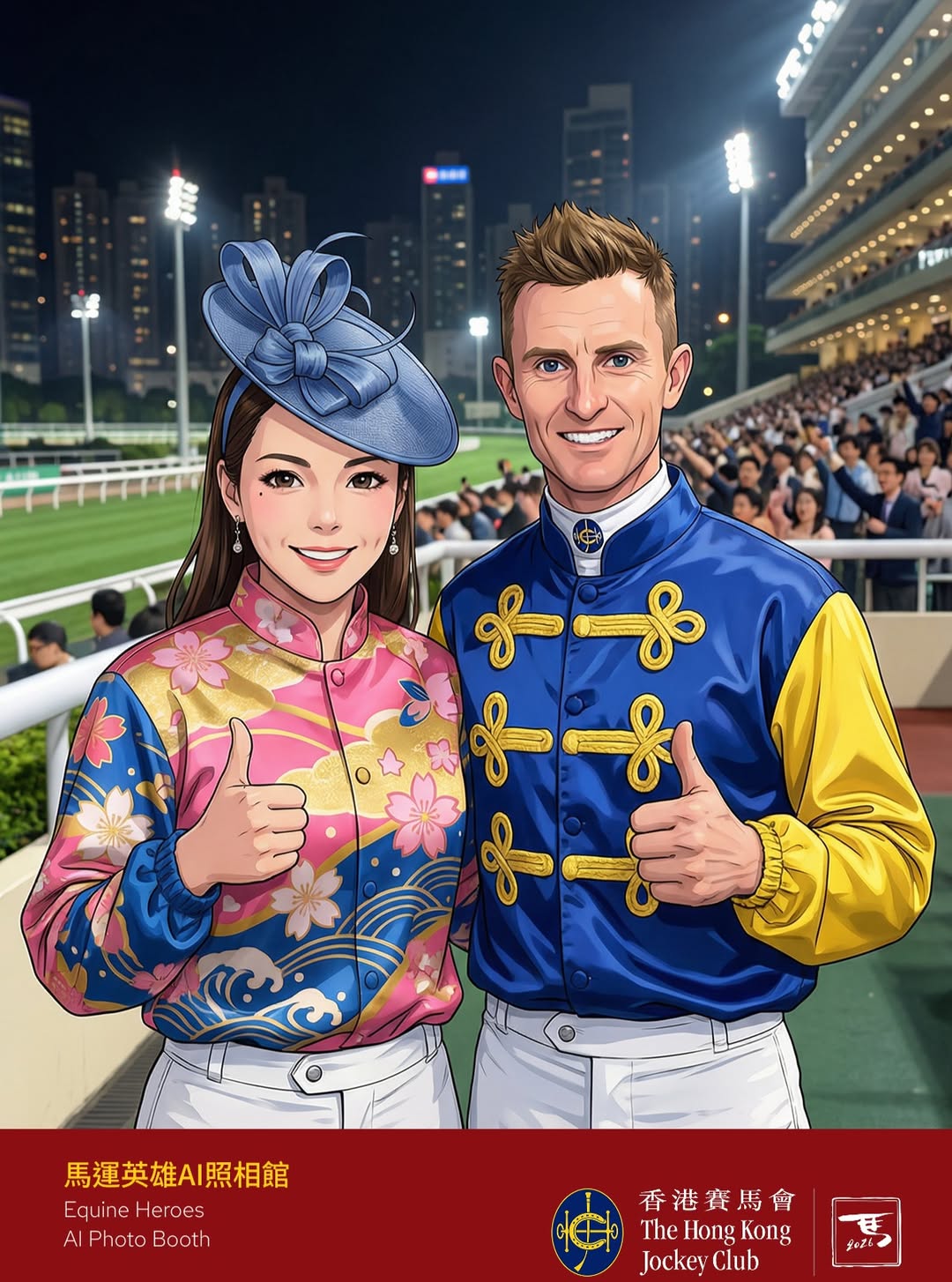
Champion jockey Zac Purton at LONGINES AI photo booth activation by PONS.ai demonstrating GEO entity-rich content

At PONS.ai, we practice what we preach. Our GEO strategy includes:

  • 28+ blog posts published in a structured content calendar covering pillar content, case studies, FAQ pages, and geo-specific landing pages

  • Seven schema types implemented across the website, including FAQPage, LocalBusiness, Service, Review, Event, Person, and Organization

  • Entity-rich case studies featuring named clients (Starbucks, KPMG, HSBC, AIA, JCDecaux, LONGINES, foodpanda, Sandbox VR, CR7 LIFE Museum) with specific engagement metrics

  • Geo-targeted content for Hong Kong, Dubai, Saudi Arabia, Singapore, London, New York, Los Angeles, and San Francisco

  • `llms.txt` implementation — a machine-readable file that helps AI engines understand our services, differentiators, and authority

  • Comparison tables in every relevant post, making it easy for AI engines to extract and cite structured information

  • Author attribution on every post, linking to Kelvin Tang's founder profile with verifiable industry credentials

The result: PONS.ai content is increasingly cited in AI-generated responses for queries like "best AI photo booth providers," "AI photo booth for corporate events," and "AI photo booth Hong Kong."

Frequently Asked Questions

What is the difference between GEO and SEO?

SEO optimizes content to rank in traditional search results (blue links). GEO optimizes content to be cited, referenced, or recommended within AI-generated answers from engines like ChatGPT, Google AI Overviews, Perplexity, and Gemini. GEO focuses on entity richness, citation authority, structured data, and direct answer formatting rather than keyword density and backlink volume.

Does GEO replace SEO for event businesses?

No. GEO complements SEO. Strong technical SEO and content quality remain foundational — Google's AI Overviews frequently cite websites that already rank well organically. GEO adds a layer of optimization specifically targeting AI citation and recommendation.

How do I know if my event business is visible in AI search?

Test your visibility by searching your core services on ChatGPT, Perplexity, Google Gemini, and Google (with AI Overviews enabled). Document which brands appear in AI-generated answers for your target queries. If your business is absent, you need GEO optimization.

What is the ROI of GEO for event businesses?

AI search traffic converts at approximately 14.2% — roughly 5x higher than Google organic traffic at 2.8%. While AI referral traffic volumes are still smaller than traditional search, the conversion quality is significantly higher because users arrive further along their buyer's journey.

How long does GEO take to show results?

GEO results are typically visible within 2-4 months for new content, as AI engines regularly re-crawl and update their training data. However, building sustained citation authority is a long-term strategy. Start now — the businesses that optimize first will have a compounding advantage.

The Bottom Line

The shift from search engines to answer engines is not a prediction — it is already happening. For event businesses, the question is not whether to invest in GEO, but how quickly you can adapt.

The companies that build entity-rich content, implement structured data, and optimize for AI citation today will dominate the next generation of search. Those that wait will find themselves invisible to a growing share of their potential customers.

Book a demo with PONS.ai to see how AI-powered event experiences — and the GEO strategy behind them — can transform your brand's visibility and engagement.

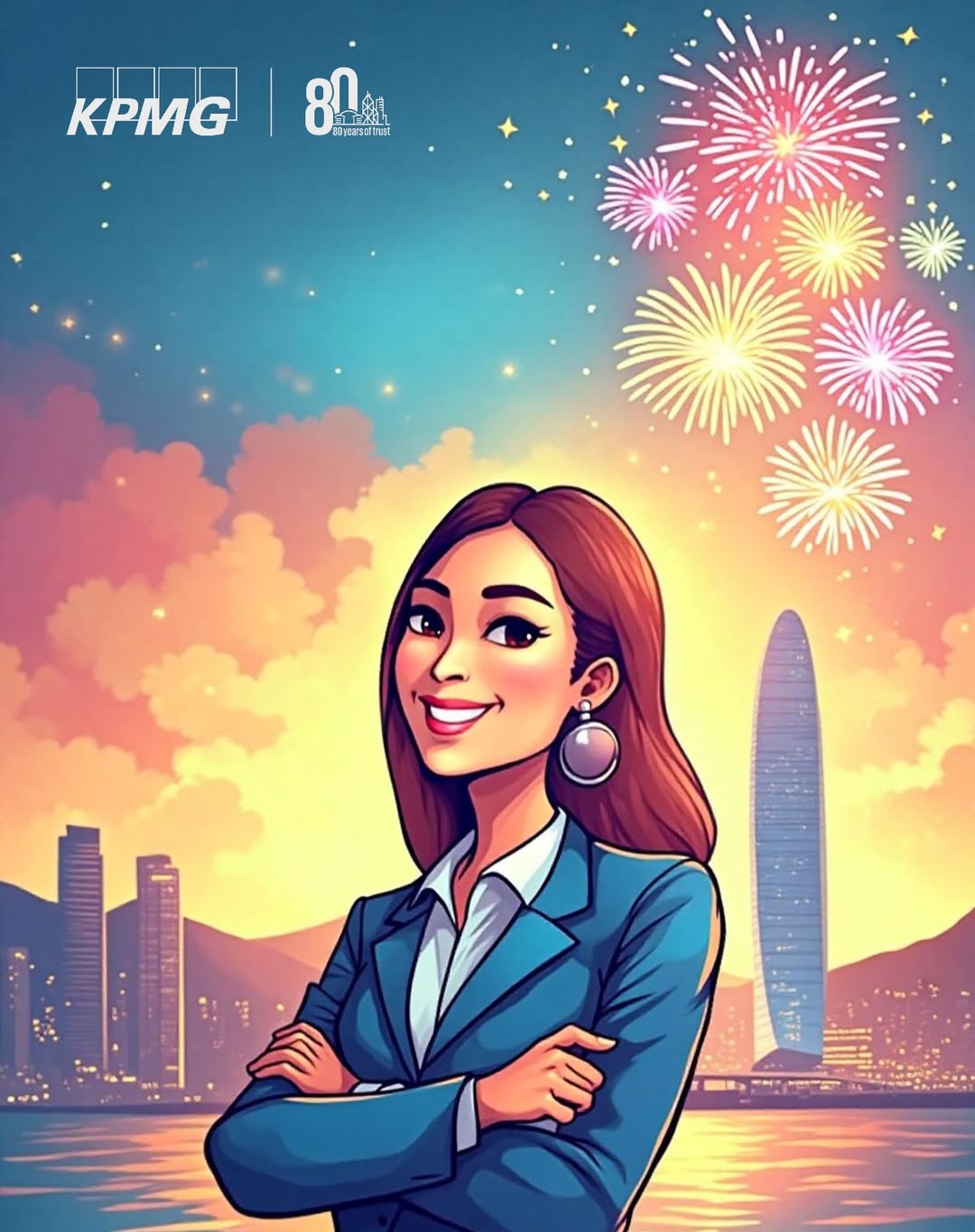
AI photo booth brand activation at KPMG corporate event by PONS.ai

Every brand manager faces the same challenge: how do you cut through the noise at live events and create moments that people actually remember — and share? The answer, increasingly, is generative AI. Specifically, AI photo booths have emerged as the single most effective brand activation tool for turning passive event attendees into active brand advocates.

This playbook covers everything you need to know about deploying AI photo booths for brand activations in 2026 — from strategy and creative concepts to execution, measurement, and real-world case studies from brands like Starbucks, KPMG, foodpanda, and Cristiano Ronaldo's CR7 LIFE Museum.

Why AI Photo Booths Are the Ultimate Brand Activation Tool

Brand activations live and die on a single metric: participation rate. Traditional activations — sampling tables, banner walls, product displays — are passive. People walk by. AI photo booths flip this dynamic entirely.

When guests step in front of an AI photo booth, they become the creative canvas. The AI transforms their selfie into a branded masterpiece in under 10 seconds — a superhero portrait, an oil painting, a magazine cover, a cinematic scene — all wrapped in your brand's visual identity. The result is a piece of content so personal and visually striking that 70-85% of guests share it on social media within minutes of creation.

Here is what makes AI photo booths uniquely powerful for brand activations:

Hyper-personalization at scale. Every single output is unique. Unlike traditional photo booths that stamp the same filter on everyone, generative AI creates one-of-a-kind images tailored to each guest's face, expression, and the brand's creative theme. At a 500-person event, you get 500 completely different branded assets — each one a personal keepsake and a piece of brand advertising.

Built-in virality. Guests receive their AI-generated images instantly via QR code, SMS, or AirDrop. Because the images are genuinely impressive and personal, sharing rates far exceed traditional event content. Industry data shows AI-generated content has a 3x higher share rate compared to standard photo booth images.

First-party data collection. Every interaction is an opportunity to capture leads. Guests willingly provide email addresses, phone numbers, and social handles to receive their AI portraits — creating a consent-based lead pipeline that converts at 60-80%.

Extended brand exposure. A branded AI portrait does not disappear after the event. It becomes a profile picture, an Instagram story, a WhatsApp group share. One activation at a 300-person event can generate 50,000 to 200,000+ social media impressions — earned media that traditional photo booths simply cannot match.

The Brand Activation Playbook: 7 Steps to Execution

Step 1: Define Your Activation Objectives

Before selecting creative themes or booking equipment, clarify what success looks like. The most effective AI photo booth activations align with one or more of these goals:

  • Brand awareness: Maximize social shares and impressions with highly shareable, branded content

  • Lead generation: Capture attendee data through the content delivery flow

  • Product launch support: Create themed AI transformations that showcase a new product or collection

  • Customer engagement: Deepen emotional connection with existing customers through personalized experiences

  • Earned media value: Generate measurable media impressions that justify activation spend

Pro tip from PONS.ai: The best activations serve two goals simultaneously. For example, Starbucks APAC used AI photo booths for both employee engagement and internal gift card distribution — combining brand culture reinforcement with a practical incentives program.

Step 2: Develop Your Creative Theme

The creative theme is where AI photo booths truly differentiate from every other activation format. With generative AI, your theme options are virtually unlimited.

Proven theme categories for brand activations:

Real-world example: When PONS.ai powered the AI photo booth at the CR7 LIFE Museum in Hong Kong — the world's first official Cristiano Ronaldo AI Photo Booth — guests were transformed into football legends standing alongside Ronaldo in iconic match settings. The creative theme directly reinforced the museum's brand story while creating content so compelling that visitors queued for repeat sessions.

Step 3: Choose Your Technology Partner

Not all AI photo booth providers are created equal. When evaluating technology partners for brand activations, prioritize these capabilities:

Generation speed. Enterprise-grade AI photo booths should produce results in under 10 seconds. Anything longer creates queue bottlenecks at high-traffic events. PONS.ai delivers AI-generated portraits in approximately 10 seconds per image — fast enough to handle hundreds of guests per hour without delays.

Brand customization depth. The platform should support full white-label branding: custom UI themes, branded frames and overlays, logo placement, and event-specific color schemes. Every touchpoint — from the welcome screen to the final image — should feel like your brand, not the technology provider's.

Output quality. AI-generated images must be high-resolution and visually impressive. Low-quality outputs will not be shared. Look for providers using enterprise-grade generative AI models with fine-tuned control over style, detail, and consistency.

Data and analytics. Your technology partner should provide real-time dashboards showing participation rates, share rates, social impressions, and lead capture metrics. Without data, you cannot prove ROI.

On-site reliability. Events cannot tolerate downtime. Choose a provider with proven track records at large-scale corporate events. PONS.ai has delivered activations for global brands including HSBC, KPMG, Starbucks, AIA Insurance, foodpanda, JCDecaux, and Sandbox VR — with millions of AI-generated photos produced since 2021.

Step 4: Design the Physical Experience

The physical setup of your AI photo booth activation matters as much as the technology. Here is how to maximize engagement:

Positioning. Place the booth in high-traffic zones — near registration, food and beverage areas, or main stage exits. Avoid tucking it into a corner where foot traffic is low.

Queue management. For events expecting 300+ guests, consider deploying multiple stations. PONS.ai's platform runs on standard tablets and smartphones, making multi-station deployment simple and cost-effective.

Signage and branding. Use clear, inviting signage that explains the experience in 5 seconds or less. "Transform into a [theme] — takes 10 seconds!" is more compelling than "Visit our AI Photo Booth."

Lighting. Good lighting dramatically improves AI output quality. Position the booth near natural light sources or provide ring lights for indoor venues. A well-lit selfie produces a significantly better AI transformation.

Staffing. Assign one brand ambassador per station to guide guests, encourage social sharing, and capture opt-in data. Trained staff can increase participation rates by 40% compared to unmanned setups.

Step 5: Integrate Data Capture and CRM

The lead generation potential of AI photo booth activations is massive — but only if you plan the data flow in advance.

Data capture workflow:

  1. Guest approaches the booth and takes a selfie

  1. AI generates the branded transformation (under 10 seconds)

  1. Guest enters email or phone number to receive the image

  1. Image is delivered via QR code, SMS, or email with branded messaging

  1. Guest data flows into your CRM or marketing automation platform

  1. Automated follow-up sequence triggers within 24-48 hours

Average lead capture rates for AI photo booth activations range from 60-80% — dramatically higher than traditional event lead capture methods like business card drops or form fill stations.

Privacy and compliance. Ensure your AI photo booth provider offers GDPR-compliant data handling, clear consent flows, and data retention policies. PONS.ai provides enterprise-grade security and privacy controls, including automatic image deletion options and compliant data processing workflows.

Step 6: Amplify Social Sharing

The organic reach of AI photo booth content is your biggest multiplier. Here is how to maximize it:

Branded sharing templates. Pre-configure sharing templates with your event hashtag, brand handle, and a call-to-action. When guests share, every image carries your brand message.

Real-time social wall. Display shared AI portraits on a large screen at the event. This creates FOMO for guests who have not participated yet and encourages more sharing from those who have.

Incentivize sharing. Offer prizes, exclusive access, or discounts for guests who share their AI portraits with your event hashtag. Gamification increases share rates by 25-40%.

Content repurposing. With guest permission, use the best AI-generated portraits in your post-event marketing — email campaigns, social media content, website galleries, and case studies.

Step 7: Measure and Report ROI

AI photo booth activations generate concrete, measurable data that traditional brand activations cannot match. Track these KPIs:

Calculating earned media value: Multiply total social impressions by your industry's average CPM (cost per thousand impressions). For a 500-person corporate event generating 150,000 impressions at a $50 CPM, that is $7,500 in earned media value from a single activation.

Case Studies: AI Photo Booths in Action

Champion jockey Zac Purton at LONGINES AI photo booth activation by PONS.ai

Starbucks APAC — Internal Brand Culture Activation

Starbucks partnered with PONS.ai to create AI-generated personalized gift cards for employees across the Asia-Pacific region. Staff members had their portraits transformed into custom Starbucks-branded artwork, which was then printed onto physical gift cards. The activation reinforced brand culture internally while giving employees a tangible, personalized keepsake. The campaign demonstrated that AI photo booths are not just external-facing marketing tools — they are equally powerful for internal brand engagement.

KPMG — Corporate Anniversary Celebration

For their milestone anniversary celebration, KPMG deployed PONS.ai's AI photo booth to transform attendees into themed portraits that celebrated the firm's heritage. The activation created a memorable moment for employees, partners, and clients while generating branded content that was shared across professional networks. The event showcased how AI photo booths can elevate even traditional corporate milestones into shareable, engaging experiences.

foodpanda Hong Kong — 10th Anniversary Campaign

foodpanda celebrated a decade of operations in Hong Kong with an AI-powered brand activation by PONS.ai. Guests were transformed into AI-generated artwork that incorporated foodpanda's signature pink branding and delivery iconography. The activation generated substantial social media engagement, with attendees sharing their personalized portraits across Instagram and Facebook. It proved that AI photo booths can capture a brand's personality and cultural identity in ways that traditional photography cannot.

CR7 LIFE Museum — The World's First Cristiano Ronaldo AI Photo Booth

PONS.ai created the world's first official Cristiano Ronaldo AI Photo Booth for the CR7 LIFE Museum in Hong Kong. Visitors were transformed into football-themed portraits alongside Ronaldo — creating a once-in-a-lifetime keepsake that combined celebrity appeal with cutting-edge AI technology. The activation drove significant foot traffic to the museum and generated viral social media content across global markets.

LONGINES International Jockeys' Championship — Luxury Brand Activation

At one of Hong Kong's most prestigious sporting events, PONS.ai deployed AI photo booths that transformed racing fans into stylized jockey portraits. The activation aligned with LONGINES' luxury positioning while creating content that appealed to both hardcore racing enthusiasts and casual attendees. VIP guests particularly embraced the experience, with champion jockey Zac Purton participating in the activation.

AI Photo Booth Activation Ideas by Industry

Retail and Consumer Goods

  • Product try-on: AI transforms guests wearing or interacting with your products in fantastical settings

  • Seasonal campaigns: Holiday-themed transformations (Chinese New Year, Christmas, summer) tied to product launches

  • Loyalty program integration: Exclusive AI experiences for loyalty members, driving sign-ups

Financial Services and Professional Services

  • Annual conferences: Transform attendees into themed portraits that reflect the event's theme or the firm's values

  • Client appreciation events: Personalized AI portraits as premium takeaways for high-value clients

  • Recruitment events: Engage potential candidates with AI experiences that showcase company culture

Technology and Gaming

  • Product launches: AI-generate scenes featuring attendees alongside new products or in virtual environments

  • Gaming events: Transform attendees into characters from your game universe

  • Developer conferences: Create AI-generated avatars for attendee badges and social profiles

Luxury and Fashion

  • Fashion week activations: AI-style guests in your latest collection's aesthetic

  • Store openings: Transform visitors into editorial-style portraits wearing your brand

  • VIP events: Ultra-personalized AI art pieces as exclusive gifts for top-tier clients

Sports and Entertainment

  • Stadium activations: Transform fans into athletes or place them in iconic sporting moments

  • Concert and festival activations: Create AI portraits that capture the event's energy and genre aesthetic

  • Museum and exhibition integrations: Like the CR7 LIFE Museum and M+ Picasso exhibition by PONS.ai

Frequently Asked Questions About AI Photo Booths for Brand Activations

How long does it take to set up an AI photo booth for a brand activation?

Setup is remarkably fast. PONS.ai's AI photo booth requires only a tablet or smartphone, a stable internet connection, and your branded theme pre-loaded. Physical setup takes 15-30 minutes. Custom theme development — including branded overlays, AI transformation styles, and sharing templates — typically requires 3-5 business days of lead time.

How many guests can an AI photo booth handle per hour?

With an average generation time of approximately 10 seconds per portrait, a single station can serve 200-300+ guests per hour. For large-scale events (500+ attendees), multiple stations can be deployed simultaneously — PONS.ai's platform supports unlimited concurrent stations running from standard devices.

What is the typical cost of an AI photo booth for a brand activation?

Pricing varies by scope, duration, and customization level. Factors include the number of stations, event duration, custom theme complexity, and data integration requirements. PONS.ai offers flexible pricing models including per-event packages, subscription plans for recurring activations, and enterprise licensing for brands running multiple activations annually.

Can AI photo booths work at outdoor events?

Yes. PONS.ai's AI photo booth runs on standard mobile devices and requires only a stable internet connection. For outdoor events, ensure adequate lighting (natural daylight works well), weather protection for devices, and a reliable mobile or portable WiFi connection. Battery packs or portable power sources extend operation for all-day outdoor activations.

How do AI photo booths handle data privacy and security?

Enterprise-grade AI photo booth platforms like PONS.ai implement comprehensive privacy controls including GDPR-compliant consent flows, encrypted data transmission, configurable data retention policies, and automatic image deletion options. Guest photos are processed securely and never used for model training without explicit consent.

Getting Started with Your First AI Photo Booth Brand Activation

Launching your first AI photo booth brand activation does not require a massive budget or complex logistics. Here is a streamlined getting-started framework:

4 weeks before the event: Define objectives, select your AI photo booth partner, and begin creative theme development.

2 weeks before: Finalize branded templates, configure data capture workflows, and test the complete guest experience end-to-end.

1 week before: Confirm logistics (power, WiFi, staffing), brief on-site team on the activation flow, and set up your real-time analytics dashboard.

Day of event: Deploy 30 minutes early, run a final quality check, and prepare for an activation that guests will remember — and share — long after the event ends.

PONS.ai has delivered AI photo booth brand activations for over 50 global brands across 6 countries since 2021, generating millions of AI-generated portraits. Whether you are planning a product launch, a corporate milestone, or a large-scale consumer activation, the playbook above gives you the framework to execute with confidence.

Book a demo with PONS.ai to see how generative AI can transform your next brand activation into your most measurable, shareable, and memorable event marketing investment.

AI photo booth activation at BLAST Premier Hong Kong Rivals 2025 esports tournament by PONS.ai

Every esports tournament generates thousands of spectators — but most leave with nothing more than a memory. At the BLAST Premier Hong Kong Rivals 2025, PONS.ai changed that equation by deploying AI photo booths that turned passive viewers into active content creators.

The Challenge: Engaging a Tech-Savvy Esports Audience

BLAST Premier is one of the world's leading Counter-Strike 2 tournament circuits, attracting millions of viewers globally. When BLAST brought its Rivals series to AsiaWorld-Arena in Hong Kong from November 14-16, 2025, the stakes were high. Eight top-tier CS2 teams competed for a $1,000,000 prize pool in front of thousands of fans.

But esports audiences are different from traditional event crowds. These are digital natives who live online, share everything, and expect cutting-edge technology at every touchpoint. A standard photo backdrop or branded selfie station would fall flat. The activation needed to match the energy and technical sophistication of the tournament itself.

PONS.ai was brought in to deliver an AI-powered fan engagement experience that would resonate with this audience — and generate measurable brand impact for sponsors.

The Solution: AI Photo Booth Meets Esports Culture

PONS.ai deployed its AI photo booth platform with custom esports-themed transformation designs tailored specifically for the BLAST Premier event. The setup was straightforward: fans scanned a QR code on their phones, took a selfie, and within approximately 10 seconds received an AI-generated image that transformed them into esports-themed characters.

Key activation features included:

  • Custom BLAST Premier designs — AI transformations themed around Counter-Strike aesthetics, team colours, and tournament branding

  • Phone-based experience — No physical booth hardware required, eliminating queues and scaling to thousands of concurrent users across the arena

  • Instant social sharing — One-tap sharing to Instagram, X, and WeChat with embedded event hashtags and sponsor branding

  • Real-time analytics — Live dashboard tracking generation volume, sharing rates, and engagement peaks correlated with match schedules

The phone-based approach was particularly effective for esports. Unlike corporate events where guests queue at a physical station, gaming fans are already glued to their devices between matches. PONS.ai's web-app model met them where they already were — on their phones.

Results: The Numbers Tell the Story

BLAST Premier Hong Kong Rivals 2025 esports fans using PONS.ai AI photo booth

The three-day activation at BLAST Premier Hong Kong Rivals 2025 delivered impressive metrics:

Metric

Result

AI photos generated

5,000+ across 3 days

Average generation time

~10 seconds per image

Social media shares

2,800+ organic shares

Unique users

3,200+ individual participants

Peak concurrent users

400+ during grand finals

Sponsor brand impressions

150,000+ estimated via shared content

The engagement rate was significantly higher than typical event activations. While traditional photo booths at large events typically see 15-20% of attendees participating, the PONS.ai activation reached over 40% of arena visitors — driven by the frictionless phone-based experience and the genuine appeal of the AI-generated content.

What Made It Work: Esports-Specific Insights

Timing peaks matched match schedules. PONS.ai's analytics showed clear correlation between engagement spikes and breaks between matches. Half-time intermissions and map changes saw 3x the generation volume compared to during active gameplay. This insight informed optimal moments for push notifications and on-screen QR code displays.

Gaming audiences share more. The share-to-generation ratio at BLAST Premier was 56%, compared to the 30-35% PONS.ai typically sees at corporate events. Esports fans are inherently social-media-active and accustomed to sharing gaming-related content.

Custom designs drove repeat usage. PONS.ai offered multiple transformation themes throughout the event — day one featured team-specific designs, day two introduced tournament bracket themes, and the grand finals day unlocked exclusive champion-edition transformations. This strategy drove repeat engagement, with the average user generating 1.6 images across the event.

QR codes on big screens worked. Rather than relying solely on table signs or printed materials, PONS.ai worked with BLAST's production team to display QR codes on the arena's main screens during breaks. This single integration point drove 60% of total activations.

Sponsor Value: Beyond the Booth

For event sponsors, the AI photo booth activation created a new category of brand touchpoint. Every AI-generated image included subtle sponsor branding integrated into the design — not as a watermark, but as part of the aesthetic itself. When fans shared their images on social media, they were organically distributing branded content without it feeling forced.

This is particularly valuable in esports, where traditional advertising often meets resistance from a community that values authenticity. The AI photo booth gave sponsors a way to be part of the fan experience rather than interrupting it.

Comparing AI Photo Booths Across Event Types

Feature

Esports Events

Corporate Events

Weddings

Primary audience

Digital natives (18-35)

Professionals (25-55)

Mixed ages

Best deployment

Phone-based QR

Physical station

Physical station

Share rate

50-60%

30-35%

70-80%

Peak timing

Match breaks

Networking hours

Reception

Top themes

Character transforms

Professional headshots

Artistic couples

Scale advantage

Thousands concurrent

Hundreds

Dozens

Why Esports Is the Next Frontier for AI Photo Booths

The global esports market is projected to exceed $2.2 billion by 2026, with live events representing a growing share of revenue. As tournament organisers seek new ways to enhance fan experiences and deliver value to sponsors, AI-powered activations fill a gap that traditional marketing tools cannot.

PONS.ai's deployment at BLAST Premier demonstrates several key advantages:

  • Scalability — Phone-based deployment handles thousands of users without physical infrastructure constraints

  • Data capture — Every interaction generates engagement data that sponsors can use for retargeting and analysis

  • Content multiplication — Each generated image becomes user-generated content that extends brand reach far beyond the venue

  • Cultural fit — AI technology resonates naturally with a gaming-literate audience

Looking Ahead: BLAST Premier Returns to Hong Kong

BLAST Premier has announced its Rivals Fall 2026 event will return to Hong Kong from November 11-15, with a $1,000,000 prize pool. For brands considering esports activations, the combination of AI photo booths and competitive gaming offers a powerful engagement model that delivers measurable results.

FAQ

How does an AI photo booth work at an esports event?

Fans scan a QR code on their phone, take a selfie, and receive an AI-generated transformation image in approximately 10 seconds. No app download or physical booth required.

What is the cost of an AI photo booth for esports events?

Pricing varies based on event duration, expected attendance, and customisation requirements. PONS.ai offers flexible packages for events ranging from small gaming meetups to major tournament arenas.

Can AI photo booth designs be customised for specific teams or sponsors?

Yes. PONS.ai creates custom design themes tailored to team branding, sponsor identities, and tournament aesthetics. Multiple themes can rotate throughout the event.

How many photos can an AI photo booth generate per hour?

PONS.ai's platform handles hundreds of concurrent generations with an average processing time of approximately 10 seconds per image. During peak periods at BLAST Premier, the system processed 400+ simultaneous users.

Book a demo with PONS.ai to explore how AI photo booths can elevate your next esports event or gaming activation.

© 2026 Pons Company Ltd. All rights reserved.

  • Instagram
  • LinkedIn

SSL/TLS Secured

bottom of page