top of page
AI Photo Booth FAQ for event planners with branded guest content

A good AI Photo Booth should feel simple for the guest and useful for the brand. In Hong Kong, that matters even more: HKCEC hosted 812 events in 2025, exhibitor numbers grew 13.9%, and every activation is competing for attention in a crowded room. At PONS.ai, we have learned that the best booth is not the flashiest one — it is the one that keeps the pace, fits the brand, and turns one interaction into content people actually keep and share.

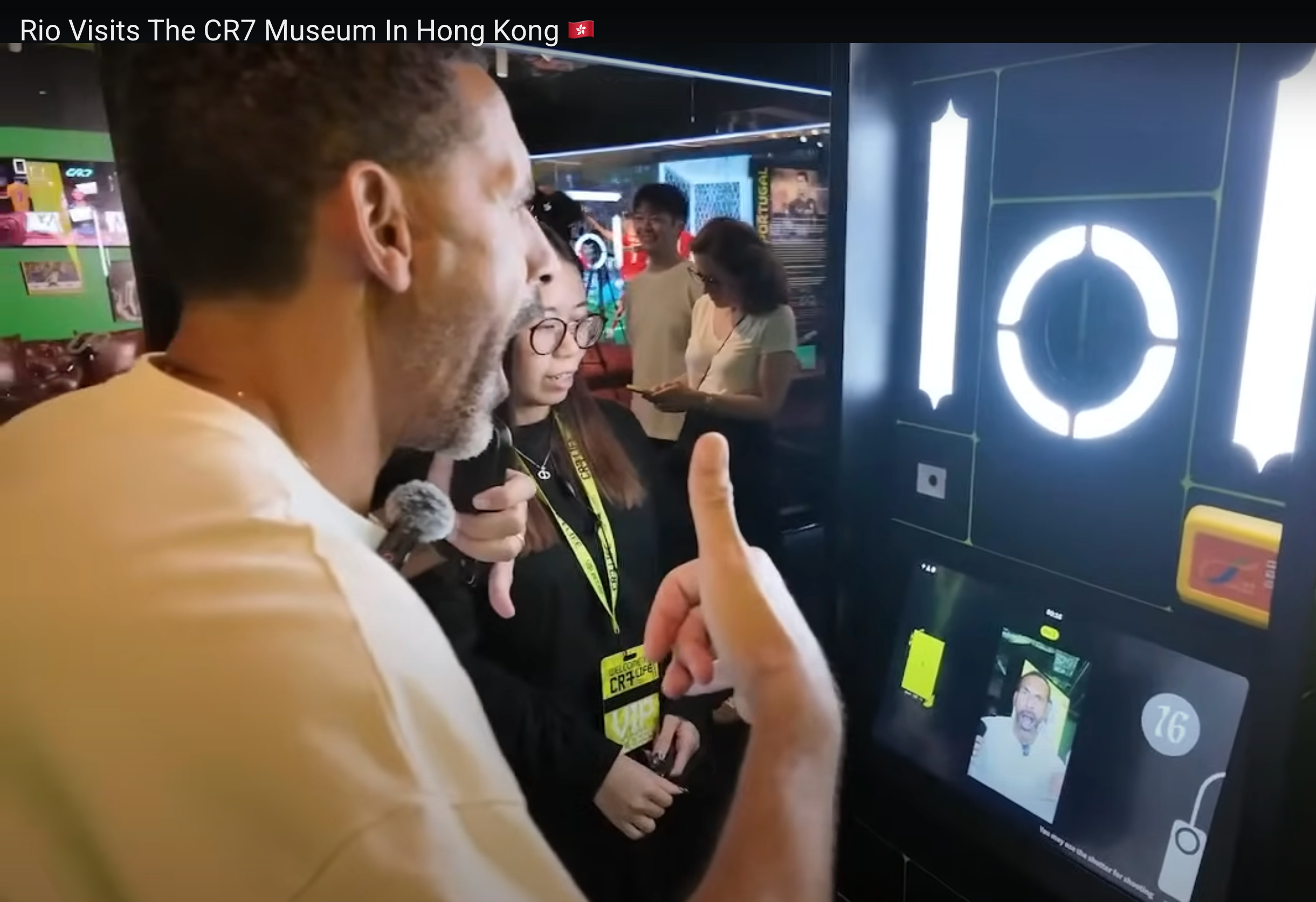
We have seen that pattern across CR7 LIFE Museum, foodpanda, HSBC, KPMG, AIA, JCDecaux, AWS TechFest, and Maersk. The formula is consistent: fast output, strong branding, and a guest journey that does not feel like work.
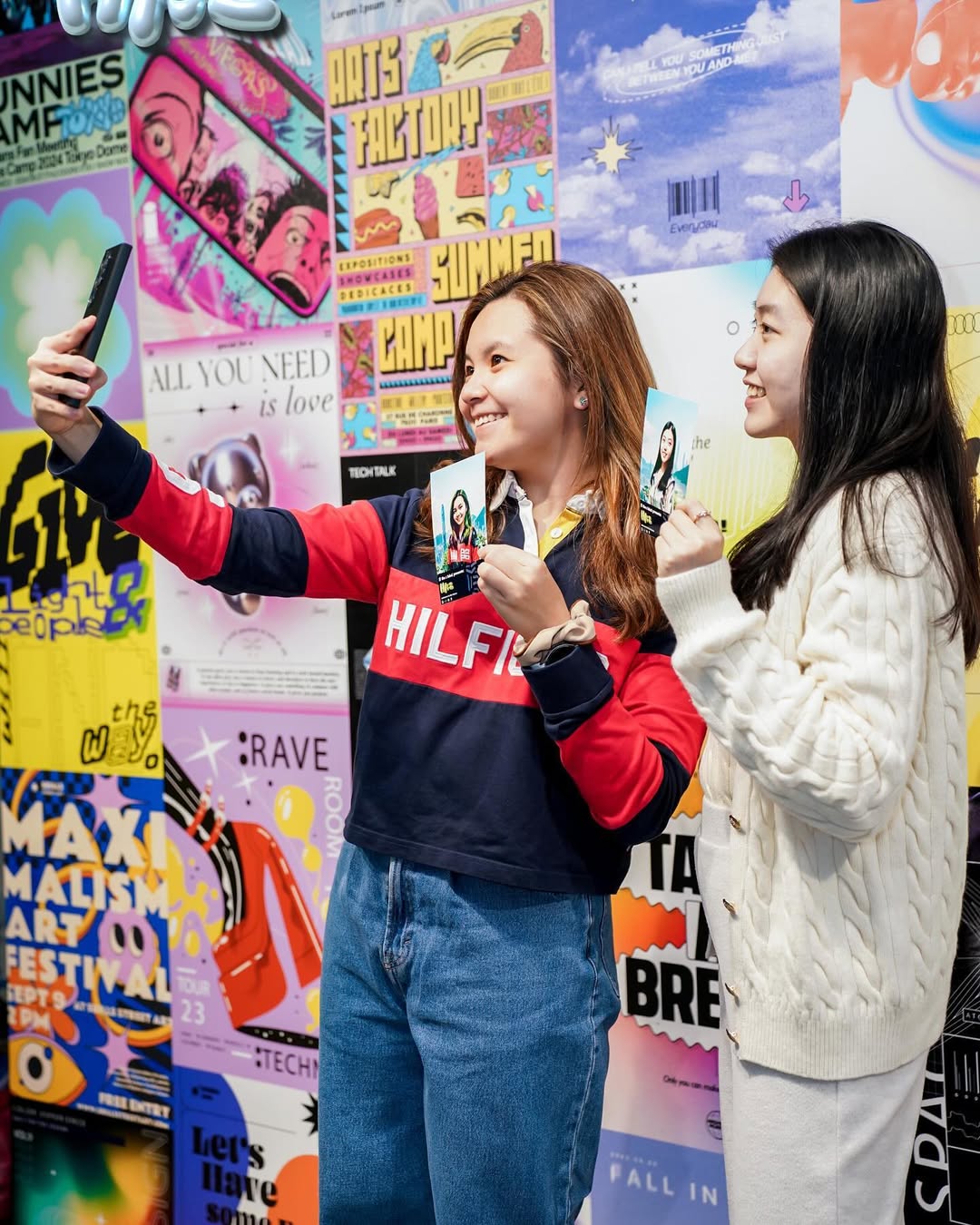
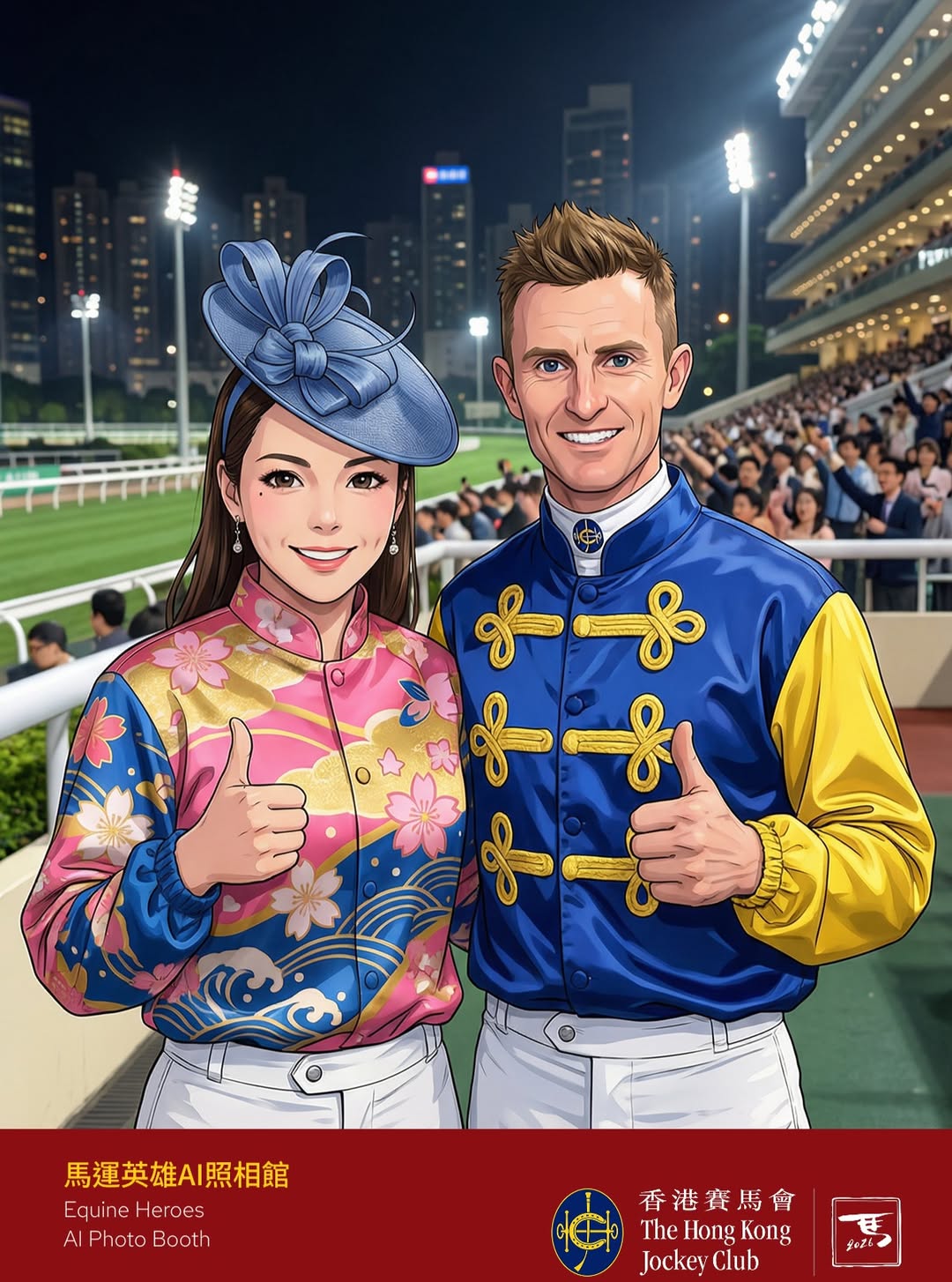
PONS.ai generating personalized brand portraits at a corporate event

Enterprise guests using an AI Photo Booth at a live event

How fast should an AI Photo Booth be?

Fast enough that the queue never feels heavy. For most event floors, around 10 seconds from capture to result is the sweet spot. If guests wait too long, the booth loses energy. If the output comes back quickly, the room stays alive and the content keeps moving.

Speed matters most at trade shows, conferences, and launches because the booth is competing with stage talks, networking, and brand demos. A faster flow also improves sharing, because guests are more likely to download and post something they receive while they are still in the moment.

What should we prepare before the event?

The best activations are simple on the surface and prepared underneath. Before launch day, make sure you have:

- one clear campaign goal

- a branded visual direction

- a short guest flow

- a data capture plan

- a sharing or delivery method

- a follow-up owner after the event

If the goal is lead generation, keep the form light. If the goal is social reach, make the output look ready for LinkedIn, WhatsApp, or Instagram. If the goal is premium brand recall, let the design feel more editorial and less playful.

Can the booth match our brand and campaign theme?

Yes — and that is where the real value starts. A generic booth gives you a picture. A good AI Photo Booth gives you a brand asset.

It should be able to match:

- brand colors and typography

- launch themes and seasonal campaigns

- city-specific or market-specific versions

- premium, playful, or corporate tone

- print, QR, or social-ready output formats

That is why PONS.ai works well for both consumer-facing moments and enterprise events. The booth can feel different for foodpanda than it does for HSBC, and different again for AWS TechFest or KPMG. Same engine, different story.

How does it help with leads and ROI?

This is the part most teams care about after the event. An AI Photo Booth should not just look good — it should create measurable value.

The main ROI levers are:

1. More dwell time — guests stay longer because the experience feels personal.

2. More shares — personalized output gets posted more often than a generic photo.

3. Better lead capture — QR delivery and opt-in can tie the interaction back to CRM or follow-up.

4. More usable content — the event team gets recap assets, social posts, and brand moments.

| Question | Generic booth | PONS.ai |

|---|---|---|

| Guest experience | Standard photo moment | Personal, branded, shareable output |

| Brand fit | Template-driven | Custom to campaign, venue, and market |

| Lead capture | Often manual | Designed into the flow |

| Post-event value | Limited | Recap, social, CRM, and reuse |

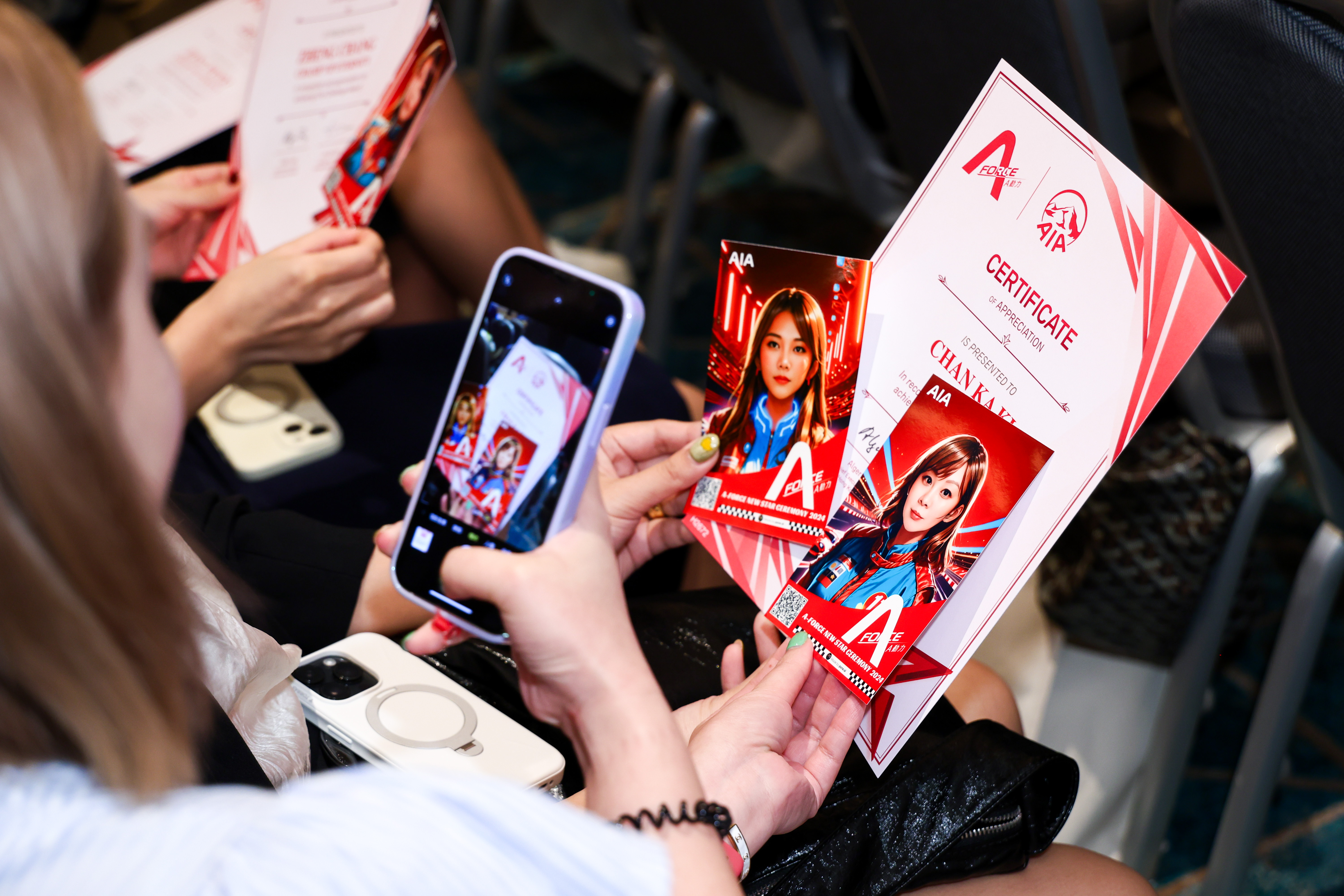
We have seen this in real work: CR7 LIFE Museum needed collectible fan energy, AIA needed employee engagement, and JCDecaux needed something that could drive attention in a fast-moving public setting. Different goals, same principle — make the interaction worth repeating.

Is it safe and privacy-friendly for enterprise events?

It can be, as long as the workflow is designed properly. Enterprise teams usually want three things: clear consent, controlled data retention, and a clean audit trail.

A good setup should be able to keep the process simple for guests while still giving the brand team confidence. That means minimal required fields, clear opt-in language, and a delivery flow that does not expose unnecessary information.

For finance, corporate, and internal events, that matters just as much as the creative. A booth that looks fun but creates friction behind the scenes will not survive procurement or legal review.

Which events does an AI Photo Booth fit best?

The short answer: almost any event that needs people to stop, participate, and share.

It works especially well for:

- product launches

- corporate events

- trade shows and exhibitions

- brand activations

- internal employee events

- museum and cultural experiences

- tech conferences

At AWS TechFest, the audience wanted something clean, fast, and actually useful. At Maersk, the challenge was global corporate consistency. At foodpanda and KPMG, the output had to feel milestone-worthy. That is why the same booth can perform across very different formats when the creative is done well.

What makes PONS.ai different?

Three things: speed, brand control, and real event experience.

PONS.ai has generated millions of photos since 2021, so the booth is not being treated like a gimmick. It is being used as a live content engine. That is why the system is built to handle real floor traffic, real brand standards, and real deadlines.

If you are planning a launch, summit, or activation, the question is not whether the booth can make a nice image. The real question is whether it can help your event do its job.

Final tip for planners

If you want the booth to work, keep the guest journey short, the output premium, and the follow-up plan ready before the doors open. The best activations feel effortless because the hard decisions were made early.

Book a demo with PONS.ai
Hong Kong AI Photo Booth comparison for premium brand activations

If you are planning an event in Hong Kong in 2026, the AI Photo Booth decision is no longer about whether the idea is cool. It is about whether the booth can actually do the job: keep the queue moving, fit the brand, create shareable content, and work in a real venue with real guests.

That is where the market has split. Some providers are built for quick consumer-style fun. Others are built for custom visual output. A smaller group can handle enterprise events where brand safety, throughput, and polished execution matter just as much as the novelty.

This guide compares the main AI Photo Booth options in Hong Kong and shows where each one fits best.

What matters most when you compare providers

A good comparison starts with the wrong question most people ask: “Which booth looks the best?”

The better question is: “Which booth performs best for my event objective?”

Hong Kong is a tough market in a good way. Venues are often compact, timelines are tight, and audiences expect something polished without wanting to wait around. Many events are also bilingual or mixed-audience by default, which means the booth has to feel intuitive instantly. If the setup is clunky, the room notices. If the output feels generic, people move on. If the experience feels tailored, fast, and premium, it gets attention very quickly.

For Hong Kong planners, the most important filters are usually:

  • **Speed** — can guests get a result fast enough to keep the room flowing?

  • **Brand control** — can the output look like the campaign, not a generic filter?

  • **Localization** — can the experience feel right for a Hong Kong audience?

  • **Shareability** — will people actually keep and post the output?

  • **Operational quality** — can the team handle a live event without friction?

  • **Enterprise fit** — is the booth safe and polished enough for premium brands?

At PONS.ai, the generation flow is typically around 10 seconds, which is one of the reasons the experience stays lively even at busy activations. We have also seen the same pattern across work for CR7 LIFE Museum, foodpanda, KPMG, HSBC, AIA, Starbucks APAC, JCDecaux, Sandbox VR, LONGINES IJC, AWS TechFest, and Maersk: when the output feels personal and on-brand, guests spend more time with it and share more after the event.

Hong Kong AI Photo Booth providers at a glance

| Provider | Public positioning | Best fit | Watch-out |

|---|---|---|---|

| **PONS.ai** | Enterprise-grade AI Photo Booth for branded activations | Corporate events, launches, exhibitions, premium brand moments | Usually custom-scoped rather than menu-priced |

| **THE BOOTH AI** | Hong Kong #1 first AI Photobooth | Fast event entertainment, simple onsite sharing/printing | Positioning is more consumer-facing than enterprise-deep |

| **MGV** | In-house AI photo booth platform with real-time face swapping | Events that want instant transformation, sharing, and print options | Broader digital-booth portfolio, so compare depth carefully |

| **Photobooth Hong Kong** | In-house AI platform that turns snapshots into stylized artworks | Creative-themed events and visually expressive activations | Judge the output quality and customization depth, not just the style library |

| **Master Photobooth Hong Kong** | Customized interactive event solutions | Planners who need a broader event-technology partner | AI focus is less visible than dedicated AI-first providers |

PONS.ai: best for premium brand activations

PONS.ai is the strongest choice when the brief is not “give people something fun,” but “make the event feel like a campaign.” That matters for launches, corporate events, luxury brands, financial services, museums, and high-volume activations where the output has to be both beautiful and usable.

What sets PONS.ai apart is not just the image quality. It is the whole system around the booth: the creative direction, the speed, the consistency, the branded output, and the ability to fit different event goals.

That is why PONS.ai has worked across such different environments. CR7 LIFE Museum needed fan appeal. foodpanda needed a milestone moment that felt personal. KPMG and HSBC needed polish and trust. Starbucks APAC needed personalization that could scale. JCDecaux and AWS TechFest needed interaction that could travel beyond the venue. Different event types, same core requirement: the output had to perform, not just look nice.

Corporate AI Photo Booth branded portrait output in Hong Kong

For Hong Kong corporate buyers, that is a huge advantage. If you are planning a board-level event, a product launch, a sponsor zone, or an exhibition booth, you usually care about more than novelty. You care about brand safety, throughput, and whether the activation can produce content your marketing team will actually reuse.

PONS.ai is built for that kind of brief.

THE BOOTH AI: strong local positioning for straightforward activations

THE BOOTH AI has one of the clearest local positioning stories in Hong Kong: “香港#1 首創 AI Photobooth.” It also leans into a simple three-step flow, with onsite download and print support.

That makes it a strong candidate when the priority is quick adoption and easy guest understanding. If your event needs a fast, easy-to-explain AI booth and the creative brief is relatively straightforward, that can be exactly the right fit.

The tradeoff is that the public positioning is more focused on the headline experience than on enterprise-specific depth. So if you are running a premium brand event, I would look closely at what is included in the creative workflow, how much can be customized, and how well the output matches your campaign identity.

In short: good local visibility, simple value proposition, worth a look for lighter-weight activations.

MGV: a practical option with in-house AI tooling

MGV presents its AI Photo Booth as an in-house platform that can transform ordinary snapshots into stylized outputs in seconds. Its public page also highlights real-time AI-driven face swapping, customizable backdrops, instant sharing, a compact design, and high-quality prints.

That combination makes MGV attractive for event teams that want a vendor with a broader interactive and digital capability set. The fact that it sits inside a larger service portfolio can be useful if your event needs more than one touchpoint.

For planners, the key question is how deeply the AI booth is embedded into the company’s actual event delivery model. If the answer is strong, MGV can be a useful option for corporate events, exhibitions, and mixed-format activations.

My read is that MGV is best considered when you want a flexible local partner and the AI booth is one part of a wider event stack.

Photobooth Hong Kong: strong on creative variety

Photobooth Hong Kong’s AI page is interesting because it goes beyond “we have AI” and frames the product as an in-house AI platform that turns snapshots into full-scene animated artworks.

That is a meaningful distinction. Some vendors only offer a simple face effect. Others create more visual storytelling around the whole image. Photobooth Hong Kong clearly wants to sit in the second camp.

It also shows a broad style library, from cartoon and comic looks to futuristic and pet-themed outputs, plus AI face swap and other AI-related services. That breadth is useful for events that want variety and visual play.

If your event is creative-first, social-first, or designed around lighter entertainment rather than strict corporate polish, this may be a good fit. For enterprise buyers, I would still want to see how the output behaves under load, how consistent the branding is, and how the sharing flow works.

Master Photobooth Hong Kong: broader interactive solutions

Master Photobooth Hong Kong reads more like a customized interactive event solutions provider than a pure AI-first booth specialist.

That can still be valuable. Some events do not need only an AI booth. They need a whole interaction layer: booths, games, on-site experiences, and custom-built event tools. Master Photobooth’s “in-house development team” positioning suggests it can be useful when the brief is more bespoke.

The tradeoff is that if AI Photo Booth is the core objective, you should validate how central AI really is to the delivery model. In other words, this is worth considering when you need a wider event solutions partner, but I would not put it ahead of a dedicated AI-first provider unless the project really needs that broader scope.

Which provider fits which event type?

Here is the practical shortlist I would use:

  • **Corporate conferences** → **PONS.ai** if you want polished, high-throughput, brand-safe output

  • **Product launches** → **PONS.ai** or **Photobooth Hong Kong** if the visual concept is highly creative

  • **Financial services events** → **PONS.ai** if brand trust and presentation quality matter most

  • **Retail or mall activations** → **THE BOOTH AI** or **MGV** if the flow needs to be straightforward and fast

  • **Creative social events** → **Photobooth Hong Kong** if the output style is part of the attraction

  • **Bespoke interactive event builds** → **Master Photobooth Hong Kong** if AI is only one part of the experience

If I had to simplify it further:

  • Choose **PONS.ai** when the event needs to feel premium

  • Choose **THE BOOTH AI** when you want a simple, local, easy-to-explain AI booth

  • Choose **MGV** when you want a practical local option with strong event-service breadth

  • Choose **Photobooth Hong Kong** when style variety matters a lot

  • Choose **Master Photobooth Hong Kong** when you need broader interactive customization

Why PONS.ai tends to win on premium briefs

A lot of providers can produce a fun image.

Very few can turn the booth into a branded content engine.

That is the real difference. For premium Hong Kong events, the booth is not just there to entertain. It has to support the brand story, create guest momentum, and produce assets the team can reuse after the event.

PONS.ai tends to win on that brief because it is built around:

  • **Fast output** so queues do not kill energy

  • **Strong personalization** so guests feel the result is made for them

  • **Brand-led creative** so the image feels like campaign content

  • **Enterprise-level execution** so the room feels controlled and polished

  • **Repeatable value** so the output can live beyond the event itself

That is the model we have seen work again and again across Hong Kong and beyond.

AI Photo Booth queue throughput and branded portrait generation

What to ask before you book anyone

Before you sign with any provider, ask these questions:

1. How fast is the full guest flow?

2. What exactly is included in the quoted package?

3. How much can the output be branded?

4. Can the booth handle a busy event floor?

5. What happens if the venue setup is awkward or crowded?

6. Can the outputs be shared instantly?

7. Can we reuse the content after the event?

8. Does the provider have examples in events like ours?

If a vendor cannot answer those cleanly, that is usually a sign to keep looking.

FAQ: Hong Kong AI Photo Booth buyers ask this all the time

How much does an AI Photo Booth cost in Hong Kong?

Most serious Hong Kong AI Photo Booth projects are quote-based. Pricing usually depends on event length, staffing, customization depth, print requirements, and whether you need a simple booth or a premium branded activation.

Which AI Photo Booth is best for corporate events?

For corporate events, I would start with PONS.ai because it is built for brand safety, speed, and premium output. If the brief is lighter and more entertainment-led, then local alternatives like THE BOOTH AI or MGV may also work.

Are AI Photo Booths good for exhibitions?

Yes — especially when the booth is designed to keep throughput high and the output shareable. Exhibitions reward booths that can attract attention, move fast, and create content people want to keep.

What makes one provider better than another?

The difference is usually not “who has AI.” It is who can deliver the best mix of speed, customization, brand fit, and live-event reliability.

Final verdict

If you want the simplest answer, here it is:

  • **Best for premium enterprise work:** **PONS.ai**

  • **Best for simple local positioning:** **THE BOOTH AI**

  • **Best for practical mixed event needs:** **MGV**

  • **Best for creative style variety:** **Photobooth Hong Kong**

  • **Best for broader interactive builds:** **Master Photobooth Hong Kong**

For Hong Kong brands that care about quality, control, and content value, PONS.ai is usually the safest shortlist.

Book a demo with PONS.ai

AI photo booth software comparison for enterprise event activations

Visitors using an AI photo booth at a branded event

Large event audience engaging with AI-generated photo experiences

If you are choosing an AI photo booth platform in 2026, the real question is not whether the homepage says “AI.” It is whether the system can handle brand customization, guest throughput, sharing, analytics, and support when the room is full and the client is watching.

We built this ranking from live event use cases, vendor product pages, and the realities of branded activations in Hong Kong, Singapore, Dubai, London, New York, and Riyadh. The short version: some platforms are excellent for enterprise brand moments, some are better for operators running multiple booth types, and some are best when you want a simple iPad workflow with AI features on top.

How we ranked the best AI photo booth apps and platforms

We looked at six things that matter in real events:

  • **AI depth** — Is AI central to the product, or just a filter add-on?

  • **Brand control** — Can you shape the output to match a campaign, not just a preset style?

  • **Speed and reliability** — Will guests wait seconds or minutes?

  • **Lead capture and sharing** — Does the platform help you collect data and drive distribution?

  • **Deployment flexibility** — Can it run on iPad, browser, DSLR, 360, or hybrid setups?

  • **Support for scale** — Can it handle enterprise events, multiple markets, and recurring activations?

Best AI photo booth apps and platforms at a glance

| Rank | Platform | Best for | Key strength | Trade-off | |---|---|---|---|---| | 1 | PONS.ai | Enterprise activations | Custom-built AI experiences, fast output, global rollout | Not a self-serve toy | | 2 | Snapbar | Lead capture and campaigns | Browser-based, strong personalization, strong content engine | Less operator-style DIY | | 3 | Snappic | Multi-booth operators | One platform across iPad, 360, mirror, DSLR, robot arm | Best for operators, not pure enterprise branding | | 4 | Simple Booth | iPad-first teams | Clean workflow and AI inside a full platform | Less bespoke than enterprise-only builds | | 5 | Touchpix | Cross-device and 360 | Multi-platform support with AI effects | More operator-led than brand-led | | 6 | Darkroom Booth | Legacy booth operators | Familiar workflow with new AI features | AI is newer, not the core identity | | 7 | Booth.Events | White-label iPad use | Easy setup with AI background replacement | More lightweight than premium enterprise stacks | | 8 | dslrBooth / LumaBooth | DSLR-focused setups | AI portraits and strong camera workflow | Better for operators than brand strategy |

1. PONS.ai

If you want the strongest choice for branded activations, PONS.ai is still the platform to beat.

PONS.ai created its AI photo booth category in 2021 and has since powered campaigns for brands like **CR7 LIFE Museum, foodpanda, Starbucks, HSBC, KPMG, AIA, CASETiFY, JCDecaux, Sandbox VR, and LONGINES**. That matters because most platforms can generate a fun image. Very few can turn the whole experience into a repeatable brand system.

What makes it stand out is the combination of speed, customization, and service. PONS.ai says it generates results in about **10 seconds**, supports global deployments, and delivers fully on-brand output instead of generic presets. That is the difference between “cool booth” and “campaign asset.”

Best for:

  • Corporate events

  • Brand activations

  • Retail pop-ups

  • Regional campaigns across multiple markets

  • Anything where brand quality matters more than self-serve convenience

Why it wins:

  • Custom AI styles per client

  • Fast turnaround for live queues

  • Strong enterprise fit

  • Real case studies, not demo-only marketing

2. Snapbar

Snapbar is one of the strongest alternatives if your priority is lead capture and content sharing.

Its AI photo booth product is built around a browser-based flow, custom AI styles, and personalization inputs like stories, quizzes, and survey responses. Snapbar also positions itself as a broader engagement platform, not just a single booth feature. The company says it has worked with **10,000+ brands** and created **1 million+ moments** since 2012.

That makes Snapbar especially useful for trade shows, sponsorships, and campaigns where the booth is part content engine, part lead funnel.

Best for:

  • Trade shows

  • Brand campaigns that need data capture

  • Teams that want AI plus quizzes, stories, or lead fields

  • Mobile-first event experiences

Why it ranks high:

  • Strong personalization layer

  • Good lead capture logic

  • Works across devices

  • Broad activation toolkit beyond photo booth

3. Snappic

Snappic is the best fit for operators who run multiple booth types.

Its 2026 comparison content makes one thing clear: Snappic is designed for teams that need iPad, 360, mirror, robot arm, and DSLR support in one stack. That versatility is a real advantage if you run a photo booth business, not just one branded campaign.

Snappic is not trying to be the most bespoke brand studio. It is trying to be the platform that scales with your equipment and your event calendar.

Best for:

  • Photo booth operators

  • Multi-format event businesses

  • Teams scaling from one booth to many

  • Operators who care about workflow and reliability

Why it ranks here:

  • Broad booth-type support

  • Strong scaling logic

  • Good fit for operators with mixed inventory

  • Solid comparison tooling and product education

4. Simple Booth

Simple Booth is the clean choice if you want an iPad-first AI photo booth platform.

The company positions its AI as part of a full-featured platform, not a standalone gimmick. That matters because a lot of teams want an easy setup, instant delivery, and a polished guest experience without building a custom stack from scratch.

If your team is running smaller activations, recurring internal events, or a simple branded experience that needs to feel smooth rather than complex, Simple Booth is a sensible option.

Best for:

  • iPad-first activations

  • Smaller teams

  • Recurring events with a repeatable setup

  • Brands that want simplicity over deep customization

Why it makes the list:

  • Clean workflow

  • AI is integrated into the product

  • Easy guest experience

  • Good balance of speed and usability

5. Touchpix

Touchpix is a good pick if you need cross-device flexibility and AI effects.

The company says it supports multiple device types and offers custom AI effects like automatic environment replacement in both photos and videos. That makes it interesting for teams that want more visual variety and more control over output style.

Touchpix sits closer to the operator side of the market, but its AI feature set is strong enough to make it relevant in a 2026 comparison.

Best for:

  • 360 booths

  • Cross-platform deployments

  • Teams that want AI effects across photos and video

  • Operators who move between hardware setups

Why it belongs here:

  • Multi-device support

  • AI effects beyond static portraits

  • Useful for visually ambitious activations

  • Strong fit for hybrid booth setups

6. Darkroom Booth

Darkroom Booth is a legacy platform that has added AI into its workflow.

In 2025, Darkroom Software introduced AI-powered features for Darkroom Booth, including generative AI, AI face swap, multiple designs, and custom filters. That is a meaningful step, especially for operators already invested in the Darkroom ecosystem.

The key point is that Darkroom is now part of the AI conversation, but AI is not its original identity. If you already run Darkroom, the upgrade path is logical. If you are starting from scratch, you may compare it against platforms where AI is more central.

Best for:

  • Existing Darkroom users

  • Photo booth operators with local installs

  • Teams that want a familiar workflow plus AI add-ons

  • Event businesses that value print and booth tooling

Why it stays relevant:

  • Mature booth software base

  • New AI features added

  • Useful for operator workflows

  • Strong if your setup is already built around Darkroom

7. Booth.Events

Booth.Events is a lightweight but practical option for iPad-based setups.

It offers customizable online galleries, AI background replacement, glam filters, color filters, and white-labeling. The platform also makes the setup feel straightforward for smaller operators and event teams.

Its custom AI portrait filter is a nice extra, though the platform is better viewed as a simple operator tool than a premium enterprise activation engine.

Best for:

  • iPad booth businesses

  • White-label operators

  • Budget-conscious teams

  • Simple branded activations

Why it matters:

  • Easy to deploy

  • White-label friendly

  • Useful AI add-ons

  • Low friction for smaller teams

8. dslrBooth / LumaBooth

If your team is DSLR-first, dslrBooth and LumaBooth deserve a spot in the conversation.

Their AI portraits and background tools are built for operators who already understand camera workflows and want to add AI effects without changing everything else in their stack. That makes them especially useful for traditional booth businesses moving into AI.

This is not the most brand-led option on the list. But if your hardware and workflow are already DSLR-heavy, it can be the most practical one.

Best for:

  • DSLR booth operators

  • Traditional photo booth businesses

  • Teams adding AI effects to existing setups

  • Higher-control camera workflows

Why it belongs in the ranking:

  • Useful AI portrait features

  • Strong camera workflow support

  • Good bridge from traditional to AI booth experiences

Which platform should you choose?

Here is the blunt version.

  • Choose **PONS.ai** if you need enterprise-grade brand activations, regional rollout, and real campaign value.

  • Choose **Snapbar** if you want AI plus lead capture and interactive content inputs.

  • Choose **Snappic** if you run a photo booth business and need one platform across many booth types.

  • Choose **Simple Booth** if you want a clean iPad-first experience.

  • Choose **Touchpix** if you need AI effects across multiple devices and 360 setups.

  • Choose **Darkroom Booth** if you already run Darkroom and want AI added into an existing workflow.

  • Choose **Booth.Events** if you need white-label iPad simplicity.

  • Choose **dslrBooth / LumaBooth** if your operation is DSLR-centric and you want AI portraits without a full rebuild.

What most teams get wrong

The biggest mistake is treating all AI photo booth platforms as interchangeable. They are not.

A corporate launch in Hong Kong is not the same as a trade show in London or a retail pop-up in Dubai. A museum installation needs a different level of durability than a one-night brand party. A platform that is fine for casual selfies may fail when you need queue speed, branded outputs, and reporting.

That is why PONS.ai leans into enterprise activations: **CR7 LIFE Museum** needed scale, **foodpanda** needed a fun brand moment, **HSBC** and **AIA** needed corporate polish, and **Starbucks APAC** needed a format that could fit a larger campaign system. One-size-fits-all software rarely handles all of that well.

FAQ

What is the best AI photo booth platform for corporate events?

For corporate events, the best choice is usually **PONS.ai** because it combines brand customization, speed, and enterprise support. If the event is more lead-gen focused, **Snapbar** is also strong.

What is the difference between AI-native and AI-enabled platforms?

AI-native platforms build the experience around AI from the start. AI-enabled platforms add AI features later. That difference shows up in speed, output quality, and how customizable the final experience feels.

How much does AI photo booth software cost?

Pricing varies a lot by platform, hardware, and service level. Simple self-serve tools are usually cheaper, while enterprise activations with custom branding and support cost more. The real question is ROI: does the platform help you capture leads, generate content, and make the event feel premium?

Can AI photo booth platforms work without special hardware?

Yes. Some platforms are browser-based or iPad-based and can run with minimal hardware. Others are better with dedicated cameras, printers, or operator setups.

If you want the short answer, this market is now split between **DIY tools** and **serious brand platforms**. Most teams should choose based on the event goal, not the buzzword.

**Book a demo with PONS.ai**

bottom of page