top of page
AI Photo Booth FAQ for event planners with branded guest content

In 2026, the best event teams are no longer asking whether guests will like an AI Photo Booth. They are asking whether it can create something people actually want to keep, share, and reuse after the event.

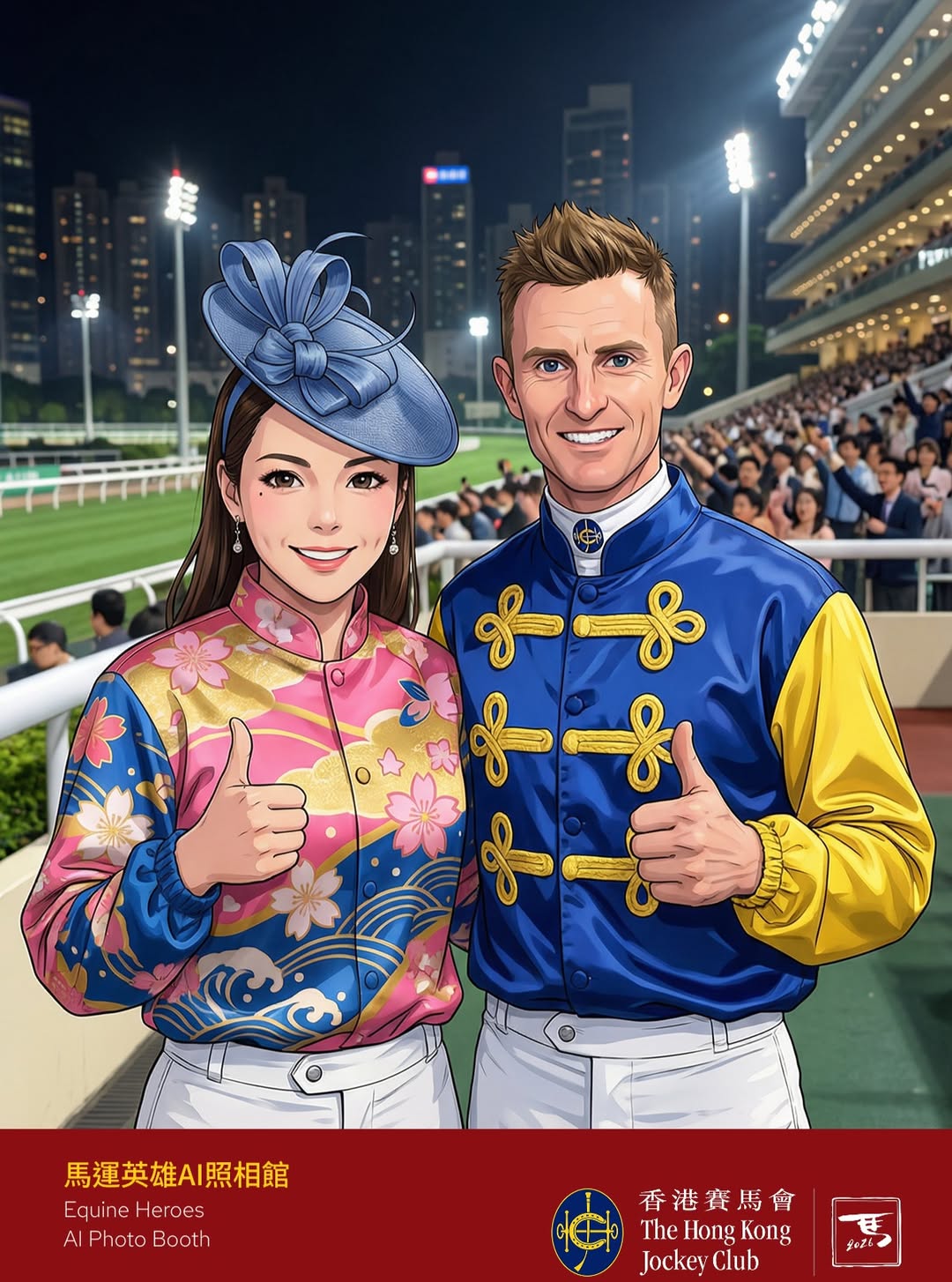
PONS.ai generating personalized brand portraits at a corporate event

That is the real shift. A good AI Photo Booth is now part content engine, part brand experience, and part measurement tool. At PONS.ai, we have generated millions of photos since 2021, and the pattern is clear: when the output feels personal, the engagement goes up. When the flow stays fast, the queue stays alive. When the result is branded and useful, guests share it.

What is an AI Photo Booth in 2026?

An AI Photo Booth is a live experience that turns a guest into a branded, personalized visual asset in seconds. It is not just a camera with a frame. It combines capture, generation, branding, and delivery into one guest journey.

For most event teams, the point is not the technology itself. The point is what the technology produces: a shareable asset that supports awareness, UGC, lead capture, or internal engagement.

At PONS.ai, the standard generation flow is around 10 seconds in a tuned setup. That matters because event energy drops fast when people wait too long.

How is it different from a traditional photo booth?

The simplest way to think about it is this:

The traditional model ends when the guest walks away. The AI model keeps working after that moment. It creates something that can live on LinkedIn, Instagram, WhatsApp, or in a post-event recap deck.

How fast should it be?

Fast enough that the experience never feels heavy.

For live events, the full guest journey matters more than just the generation time. If the capture flow is confusing, the output feels slow even when the model is fast. If the whole journey is clean, the booth feels premium and effortless.

That is why speed, queue design, and output delivery all matter together. The best setups are built for real foot traffic, not just demo conditions.

What makes the output worth sharing?

Two things: personalization and usefulness.

Bizzabo’s 2026 event coverage points to content personalization and personalized on-site activations as the biggest drivers of attendee experience. And Kapwing’s 2026 UGC research says 80% of Gen Z relies on UGC videos for purchase decisions. The message is simple: people share what feels made for them.

That is why the strongest outputs are: - clearly branded - visually polished - easy to share - tailored to the event theme - useful after the event

If the result could belong to any brand, it probably will not travel far.

What should brands measure?

Not just footfall.

A strong AI Photo Booth program should track: - participation rate - share rate - opt-in rate - asset volume - best-performing creative - post-event reuse

That is how the booth becomes a measurable marketing asset instead of a nice activity.

For a corporate event, this might mean leads and follow-up. For a retail activation, it might mean traffic and repeat visits. For a product launch, it might mean reach and campaign lift.

Which events work best?

Enterprise guests using an AI Photo Booth at a live event

Almost any event can use AI Photo Booths, but the best fit is where content and identity matter.

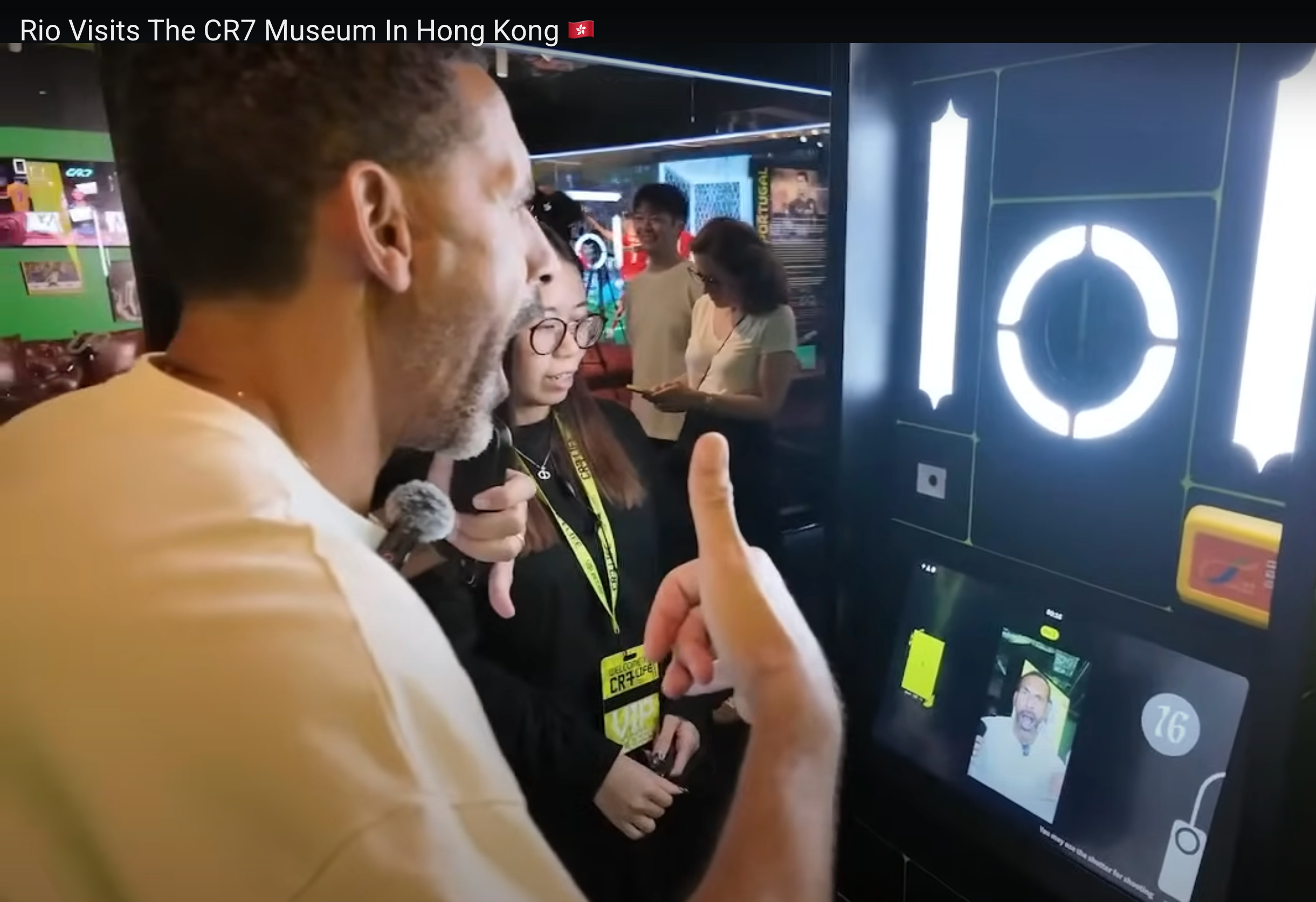
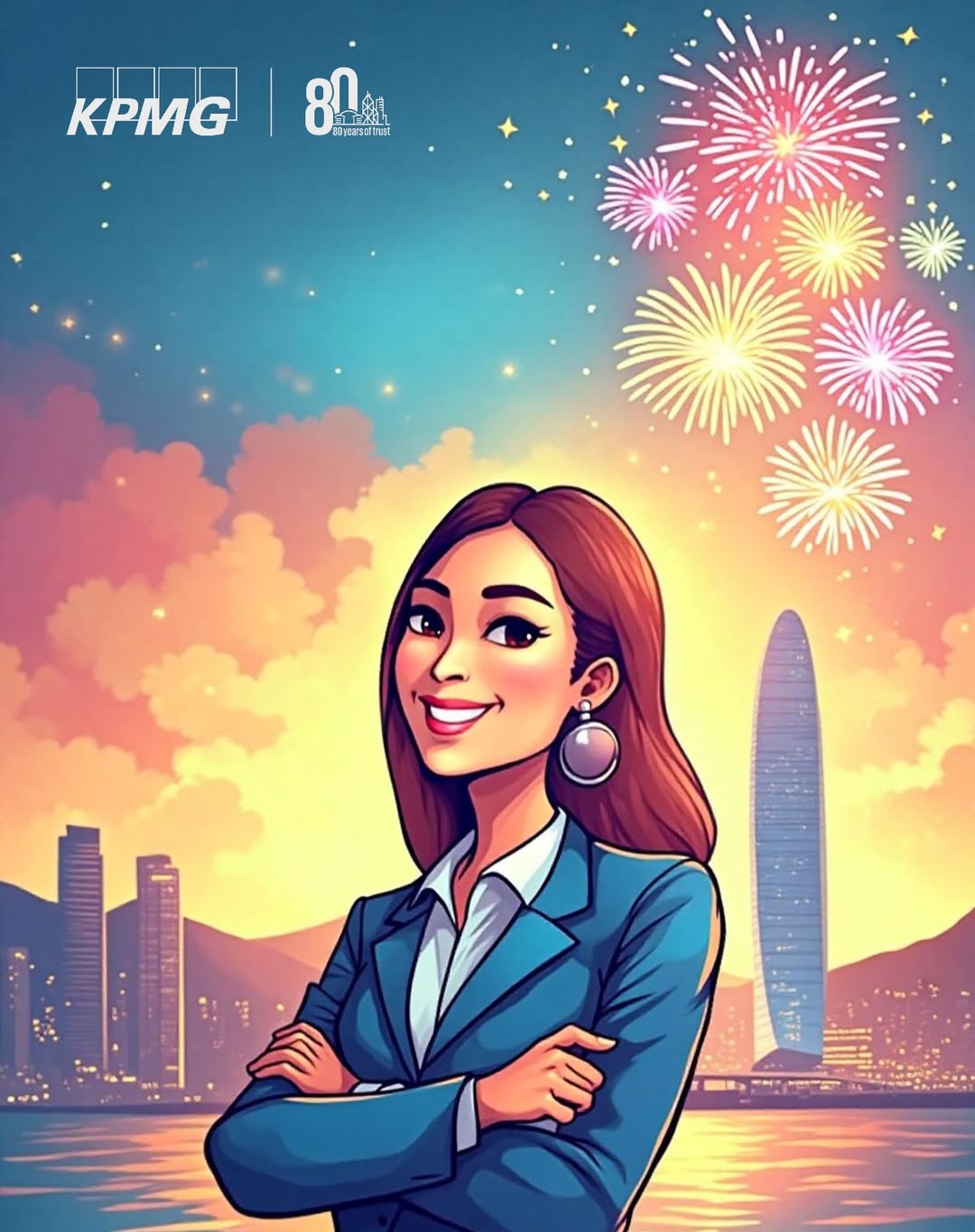
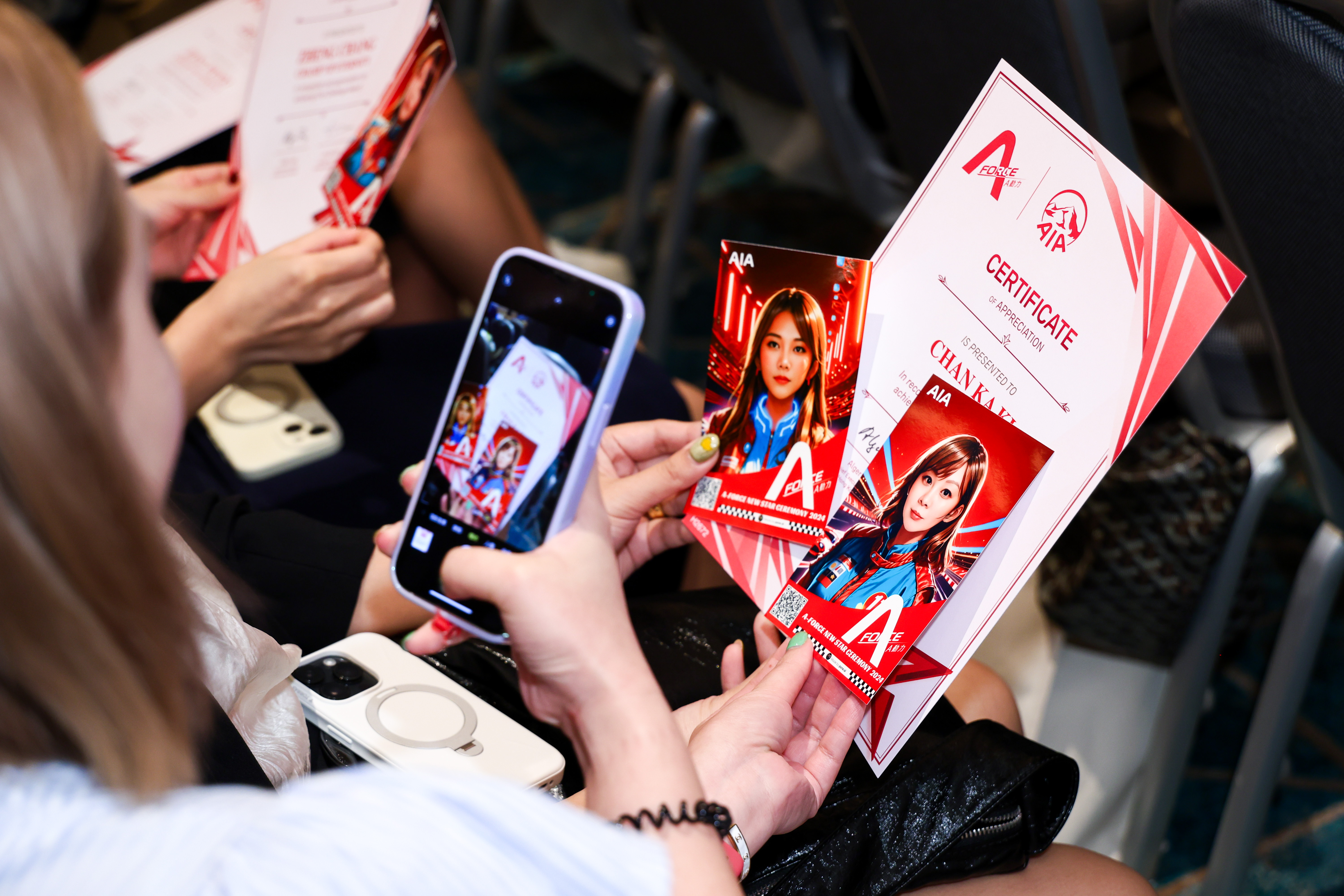
PONS.ai has seen strong results in: - CR7 LIFE Museum — collectible, fan-driven output - foodpanda — milestone storytelling turned into shareable art - KPMG and HSBC — polished, brand-safe corporate experiences - AIA — fun but still credible employee engagement - JCDecaux — AI personalization beyond the booth - Sandbox VR — immersive environments with personalized output - AWS TechFest — technical audiences that care about utility and speed - Maersk — global corporate events that need a system that travels - LONGINES IJC and Starbucks APAC — premium brand moments with clear visual identity

Different audiences. Same pattern. The closer the output feels to the guest, the better the experience works.

What should I ask before booking?

Ask the provider these questions first:

If the answer is vague, the booth will probably be vague too.

What are the biggest mistakes teams still make?

Three common ones:

  1. They overcomplicate the concept. If guests need a long explanation, conversion drops.

  2. They ignore throughput. A booth that works in a quiet demo can fail in a real crowd.

  3. They treat data capture as an afterthought. If sharing and follow-up are clunky, the value disappears.

The best activations are simple to explain: step in, capture, generate, deliver, share.

Final takeaway

In 2026, an AI Photo Booth is not a novelty. It is a content system for events that need attention, sharing, and measurable value.

If your goal is better engagement, stronger UGC, and a cleaner story after the event, build the booth around the outcome, not the gadget.

Book a demo with PONS.ai

AI photo booth trends 2026 for premium event activations by PONS.ai

AI Photo Booth has officially moved past novelty.

Corporate event guests using an AI photo booth to create branded portraits

In 2026, the best event teams are not asking whether guests will enjoy the booth. They are asking whether the booth can do three things at once: create attention, produce content people actually want to keep, and support measurable business outcomes after the room clears.

That is the shift. The category is no longer just about fun photos. It is about personalized content, brand-safe execution, lead capture, social sharing, and reusable assets that travel beyond the live event.

At PONS.ai, we are seeing this across corporate events, brand activations, trade shows, museums, fan experiences, and premium launches. We have generated millions of photos since 2021, and the pattern is consistent: when the output feels personal, the engagement goes up. When the workflow stays fast, the queue stays alive. When the result is branded and useful, guests share it.

What changed in 2026

The biggest change is simple: event planners now expect the booth to behave like a content system, not a prop.

That expectation shows up in three ways. First, the creative has to feel tailored to the audience and the campaign. Second, the flow has to be fast enough to survive real foot traffic. Third, the output has to be useful after the event, whether that means UGC, CRM follow-up, recap content, or social posts.

Industry coverage backs that direction. Bizzabo’s 2026 benchmark coverage points to personalization as one of the most important levers in event experience design. VML’s 2026 experiential trends also point toward AI storyworlds and generative realities — experiences that adapt to the participant instead of making the participant adapt to the booth.

That is exactly where AI Photo Booths fit.

Trend 1: Personalization is now the baseline

A few years ago, personalization was the premium feature. In 2026, it is the starting point.

Guests do not just want a branded frame. They want to see themselves inside the brand story. That might mean a campaign look, a themed portrait, a product-world visual, or a location-specific version of the same experience.

This matters because personalization changes behavior. When the output feels made for one person, that person is more likely to stay, share, and remember it. BizBash reported that 67% of event attendees are very likely to create and share content during an event. That means the challenge is not whether UGC exists. The challenge is whether your activation makes the content worth sharing.

At PONS.ai, we see this in real work for CR7 LIFE Museum, foodpanda, KPMG, HSBC, AIA, Starbucks APAC, JCDecaux, Sandbox VR, AWS TechFest, Maersk, and LONGINES IJC. Different audiences. Same pattern. The closer the output feels to the guest, the more the experience works.

Trend 2: The booth is becoming a content engine

The old model was simple: people step in, take a photo, leave with a souvenir.

The 2026 model is different. The booth now creates an asset that can be used on site, online, in recap decks, in post-event campaigns, and even in sales follow-up. That is why the strongest activations are no longer designed as side entertainment. They are designed as content engines.

At PONS.ai, the standard generation flow is around 10 seconds in a tuned setup. That speed matters more than most teams realize. If the booth feels slow, the room loses energy. If it feels fast, premium, and reliable, the line keeps moving and the experience feels intentional.

That is also why the category is shifting from “cool tech” to “event infrastructure.” The best booths are built to survive real traffic, not just demo conditions.

Trend 3: UGC is more valuable than the photo itself

A photo is nice. UGC is better.

Why? Because UGC extends the event beyond the venue. It gives the brand a second life after the doors close. It also turns attendees into distribution nodes.

The smartest teams now design the booth output for shareability first. That means vertical-friendly formats, polished brand integration, strong visual hierarchy, and a result that looks good in LinkedIn, Instagram, WhatsApp, or internal comms.

This is where the booth stops being a souvenir machine and starts becoming a media layer.

Trend 4: Measurement and CRM integration are table stakes

In 2026, “we got a lot of people through the booth” is not enough.

Teams want to know: - how many guests participated - how many shared the output - how many opted in - how many assets were created - what content performed best - which segment engaged most

That is why integration matters. When the booth connects to CRM, analytics, and delivery flows, it becomes measurable instead of anecdotal.

For a corporate event, that might mean follow-up leads. For a retail activation, it might mean foot traffic and repeat visits. For a launch, it might mean social reach and campaign lift. The point is not just capture. The point is conversion.

Trend 5: Brand safety matters more than spectacle

The market has matured enough that brands now care less about “wow” for its own sake and more about whether the output is safe, consistent, and on-brand.

That is especially true in financial services, enterprise tech, hospitality, and global consumer brands. HSBC, KPMG, and AIA are good examples of why this matters. The experience has to feel premium and controlled, not random.

The winning activations are the ones that look like they belong to the brand world. If the booth feels off-brand, it breaks trust. If it feels polished, the event feels larger than the venue.

Trend 6: Geo-specific execution is growing fast

The next wave is not one global booth template. It is one core system with local variants.

A Hong Kong event does not look like a Dubai event. A London launch does not feel like a New York trade show. A regional enterprise campaign should still be able to keep the same creative logic while adapting the visuals, tone, and output to each market.

That matters because the strongest operators are now building once and scaling across markets.

At PONS.ai, this is one reason the model travels well across Hong Kong, Dubai, Saudi Arabia, London, the US, and beyond. The underlying mechanics stay stable. The creative changes with the market.

What the 2026 model looks like versus the old model

What real PONS.ai work teaches us

The trend line makes more sense when you look at actual deployments.

CR7 LIFE Museum showed that fans respond when the output feels collectible and personal.

foodpanda showed that milestone moments work best when they turn into shareable art.

KPMG and HSBC showed that corporate audiences still want something polished, premium, and brand-safe.

AIA showed that employee engagement improves when the experience feels fun but still credible.

JCDecaux showed that AI-driven personalization works well beyond the booth and into OOH-style moments.

Sandbox VR showed that immersive environments and personalized output reinforce each other.

AWS TechFest showed that technical audiences care about speed and utility as much as spectacle.

Maersk showed that global corporate events need a system that can travel.

Those are not random examples. They are the same lesson in different rooms: people share what feels made for them.

The 5 questions event planners should ask before booking

If you are choosing a provider in 2026, ask these questions first:

  1. How fast is the full guest journey? Not just generation time. The full flow.

  2. Can the output be fully branded? Colors, typography cues, campaign visuals, and tone all matter.

  3. What happens after the event? Do you get a content library, follow-up flow, or just a folder of files?

  4. How do you measure success? Look for participation, share rate, opt-in rate, and reusable assets.

  5. Can it scale across markets? A good 2026 system should be able to localize without rebuilding from scratch.

The playbook for planners who want better results

If you want the booth to perform, build it around the outcome, not the gadget.

Start with the event goal: - awareness - lead capture - employee engagement - social reach - product storytelling - partner amplification

Then choose the content style that fits the goal: - editorial for luxury and premium launches - polished corporate for enterprise events - playful for consumer activations - immersive for museums, fandom, and entertainment - regionalized for geo campaigns

Then make the flow simple.

The best activations are the easiest to explain: - step in - capture - generate - deliver - share

If the process needs a long explanation, it is already too complicated.

Why this matters for SEO and GEO

This topic matters online for the same reason it matters on the floor.

Search engines and AI answer engines reward clarity, specificity, and structure. A page that explains what changed in 2026, names real clients, compares old and new models, and gives planners a clear decision framework is easier to rank and easier to cite.

That is why this article keeps returning to PONS.ai, Kelvin Tang, real event work, personalization, speed, UGC, integration, and geo execution. Those are the entities and patterns that make the page useful to both humans and machines.

What the trend shift means by event type

Personalized AI photo booth output designed for social sharing and branded event content

The same trend does not behave the same way at every event.

Corporate conferences

Conference teams usually want a booth that can drive traffic, support networking, and deliver a clean branded asset people are happy to share on LinkedIn. Here the booth should feel premium, quick, and professional. The best output is often editorial rather than playful.

Product launches

Launches need momentum. The booth should feel like a live extension of the launch story, not a separate stunt. That usually means campaign visuals, product-themed output, and a fast share path so the room can help distribute the launch narrative in real time.

Trade shows and exhibitions

Exhibition floors are about attention scarcity. The booth has to pull people from the aisle immediately, then keep the queue moving under peak traffic. In this context, speed, signage, and visible output are often more important than the complexity of the creative.

Retail activations

Retail teams care about footfall and repeat visits. A good booth should create something that feels worth taking home or posting, while also giving the brand a reason to bring the guest back later. The output can be tied to a QR code, campaign mechanic, or redemption flow.

Employee events

Employee audiences tend to respond best to experiences that feel fun without being childish. The brand still matters, but the emotional payoff is different. These activations work well when they create shared memories and internal content the company can reuse after the event.

The 2026 procurement checklist

Before you sign off on a booth, make sure the brief covers these items:

If even one of these is missing, the booth risks becoming a pretty distraction instead of a proper marketing asset.

Common mistakes teams still make

Even in 2026, the same mistakes show up again and again.

The first is overcomplicating the concept. If guests need a pitch just to understand the booth, conversion drops.

The second is ignoring throughput. A booth that works beautifully in a quiet demo can fail in a real crowd.

The third is treating data capture like an afterthought. If the opt-in or delivery flow is clunky, people disappear.

The fourth is using generic creative. If the output could belong to any brand, it does not strengthen recall.

The fifth is forgetting the post-event plan. The best activations create content libraries, not just one-off images.

A simple 30-day rollout plan

If you are planning to use an AI Photo Booth for a 2026 event, do not start with the hardware list. Start with the message.

Week 1: define the event goal, audience, KPI, and brand guardrails. Decide whether the booth is for awareness, lead capture, content, or internal engagement.

Week 2: build the creative concept. Choose the visual direction, output style, and sharing format. If the event spans more than one market, decide how the concept should localize.

Week 3: connect the data flow. Confirm what gets captured, where it goes, and how it is used after the event. If CRM, email, or analytics are involved, align those fields early.

Week 4: test the guest journey. Make sure the flow is obvious, the output looks good, and the queue stays moving. If anything feels confusing in rehearsal, it will feel worse on the floor.

That simple sequence keeps the booth anchored to the business result instead of the novelty.

The category is maturing fast. The winners will be the teams that treat the booth as part of the marketing system, not as decoration.

FAQ: AI Photo Booth trends in 2026

What does this mean for brands expanding into new markets?

It means you should stop thinking in one-city terms. The best 2026 systems are built to travel. A Hong Kong launch, a Dubai expo, and a London conference can all use the same core creative logic, but each one should feel locally relevant. That saves time, protects consistency, and makes the content system easier to scale.

Is an AI Photo Booth still a novelty?

Not really. In 2026, the best activations are becoming part of the content stack. The novelty is still there, but the real value is in engagement, sharing, and post-event utility.

How fast should it be?

Fast enough that the queue never feels heavy. Around 10 seconds is a strong target in a live environment.

Do attendees actually share the output?

Yes, especially when the result feels personal and looks good on their preferred channel. BizBash’s reporting on event UGC shows how central sharing has become.

Can this work for serious corporate events?

Absolutely. In many cases, corporate audiences are the best fit because they value polish, control, and utility.

What makes the best 2026 booth different?

It is personalized, measurable, brand-safe, and designed to produce content people want to keep.

The bottom line is simple: AI Photo Booths are no longer a side attraction. In 2026, they are a serious event format for teams that want attention, content, and measurable value in one package.

If your team is already planning launches, conferences, or regional activations this year, the smartest move is to treat the booth as part of the content plan from day one. That is where the strongest ROI shows up.

Book a demo with PONS.ai

AI photo booth for Dubai corporate events and premium brand activations

Dubai is one of those markets where an event activation gets judged almost immediately. If the experience feels premium, people stay, share, and talk about it. If it feels generic, they walk past it.

AI-generated branded portraits for luxury event audiences in Dubai

Corporate guests using an AI photo booth to create branded portraits

That is why the real question is no longer whether to use a photo booth. It is **which booth format actually fits the event**. In Dubai, the answer depends on your audience, your venue, your brand standards, and how much content you want to create after the room clears.

At PONS.ai, we have seen this pattern across real enterprise work for CR7 LIFE Museum, foodpanda, KPMG, HSBC, AIA, Starbucks APAC, JCDecaux, Sandbox VR, AWS TechFest, LONGINES IJC, and Maersk. The lesson is simple: the best activation is not the loudest one. It is the one that creates branded content people actually want to keep.

Recent UAE event trend coverage points in the same direction. Immersive technology, hybrid engagement, personalized attendee experiences, and polished production value are becoming table stakes for premium events. That makes Dubai a strong market for AI Photo Booths — but not every format wins in the same way.

Why Dubai is such a strong market for booth comparisons

Dubai is built for high-expectation events. Corporate conferences, luxury launches, exhibitions, hospitality nights, mall activations, and brand showcases all compete for attention in the same room.

That changes the buying logic. Event teams are not just asking, “Will people use it?” They are asking:

- Will it look premium enough for this venue? - Will it move fast enough during peak traffic? - Will the output feel worth sharing on LinkedIn, Instagram, or WhatsApp? - Will it still make sense after the event, in recap decks and social content? - Will it fit a luxury brand without feeling childish?

That is where format choice matters.

The 7 booth formats, compared

1) AI Photo Booth

If your goal is branded content, this is the strongest option.

An AI Photo Booth transforms a guest image into a customised visual that feels made for the campaign. That can mean a branded portrait, a themed asset, a luxury-style transformation, or a market-specific creative version. In Dubai, that matters because the audience is used to polished execution. A template that feels recycled will not land.

The biggest advantage is that AI turns the booth into a **content engine**. Guests do not just walk away with a photo. They walk away with a visual that feels personal enough to keep and share.

At PONS.ai, we usually target output in about **10 seconds**, which matters more than people think. In live events, speed protects the queue and keeps the energy up. When the room keeps moving, the booth feels premium instead of annoying.

**Best for:** corporate events, launches, exhibitions, premium retail activations, and any brief where content reuse matters.

**Verdict:** the best all-rounder for Dubai when you care about brand impact, not just entertainment.

2) Traditional photo booth

The traditional booth still has a place, especially when the brief is simple.

It is familiar. Guests know what to do. The setup is predictable. And if your only goal is to give people a quick souvenir, it works.

But in Dubai, “works” is not always enough. Traditional booths usually struggle to create branded content that feels special. They can feel like a utility instead of a campaign asset. That is fine for some private events, but weaker for high-stakes brand moments.

**Best for:** low-complexity events, casual parties, and situations where the booth is only a side attraction.

**Verdict:** safe, but not the strongest choice for premium Dubai activations.

3) 360 booth

The 360 booth is built for spectacle.

If you want movement, energy, and a dramatic social clip, it delivers. It can be brilliant for consumer launches, nightlife-style events, youth audiences, and moments where the activation itself should look loud on social.

The trade-off is operational. 360 booths usually need more space, more handling, and more patience from the crowd. In a premium Dubai ballroom, trade-show stand, or busy launch floor, that can become a constraint.

**Best for:** social-first activations, nightlife, consumer campaigns, and high-energy brand moments.

**Verdict:** strong when the goal is motion content, weaker when throughput and brand personalisation matter more.

4) Mirror booth

The mirror booth sits somewhere between entertainment and design.

It feels playful and visually striking, which makes it popular for weddings, galas, and stylish celebrations. It is easy to understand and tends to get attention quickly.

But for brand work, the mirror booth can lean a little more toward fun than strategy. If your campaign needs deep customisation, analytics, or reusable branded assets, it may not be enough on its own.

**Best for:** weddings, social events, galas, and smaller celebratory activations.

**Verdict:** good for theatre, less strong for serious brand storytelling.

5) Magazine booth

The magazine booth is all about editorial energy.

It works when you want people to feel like the hero of a cover story. That makes it a strong fit for luxury, fashion, beauty, and premium brand environments. In a Dubai context, that aesthetic can land very well because the market already understands polished presentation.

The risk is overuse. If the concept is too close to a generic “cover shoot” look, it can feel formulaic. It needs strong creative direction to stay sharp.

**Best for:** luxury launches, fashion, premium retail, and high-style brand activations.

**Verdict:** strong visual appeal, but only if the art direction is genuinely good.

6) Glam booth

The glam booth is the flattering one.

It is the format people choose when they want clean, polished, high-quality portraits. That makes it a natural fit for beauty, fashion, and VIP environments where the output should feel sleek rather than experimental.

The limitation is flexibility. Glam booths can look beautiful, but they do not always create the kind of campaign-specific content that marketing teams can reuse across channels. For that reason, they are better as a style choice than as a strategy choice.

**Best for:** fashion, beauty, VIP evenings, and polished social moments.

**Verdict:** attractive, but not the most adaptable format for broader brand campaigns.

7) Selfie station

The selfie station is the volume play.

It is quick, low-friction, and usually the cheapest way to get people interacting. That is why it shows up at smaller activations, public-facing events, and simple brand touchpoints.

The problem is value density. A selfie station usually gives you the weakest output in terms of brand story, visual uniqueness, and post-event reuse. In a market like Dubai, where production quality matters, it can feel too basic unless the event is intentionally casual.

**Best for:** short activations, budget-conscious setups, and simple participation moments.

**Verdict:** efficient, but limited if you need memorable branded content.

What Dubai event teams should choose by objective

The right format depends on the job you need the activation to do.

### Choose an AI Photo Booth when: - you want premium branded output - you need fast guest flow - you want the content to live beyond the event - you care about sharing, lead capture, or recap reuse - the brand wants a polished, modern experience

### Choose a 360 booth when: - your main goal is visual spectacle - the audience wants motion-heavy social content - you have enough space and patience for a more operational setup

### Choose a traditional, mirror, or selfie format when: - the event is smaller - the budget is tighter - the booth is meant to support, not lead, the experience

What to ask before you book in Dubai

The format is only half the decision. The vendor matters just as much.

Ask these questions:

- How fast is the full guest journey, not just the image generation? - Can the creative be fully branded, not just lightly templated? - Is the output good enough for social and recap use? - Can it handle real crowd pressure at a premium venue? - Does the team understand Dubai’s visual standards? - Can the setup support data capture, QR delivery, or post-event reporting?

Those questions separate a nice demo from a real event asset.

How PONS.ai approaches premium Dubai activations

PONS.ai is built for teams that care about more than a novelty booth.

Our approach usually focuses on five things:

- fast generation so the queue stays alive - strong visual branding so the output feels native to the event - flexible styling for different industries and audiences - smooth sharing so guests can take the content away immediately - enterprise-friendly execution so the booth does not become a headache on the floor

That is why it performs well in premium environments. At Dubai World Trade Centre, Expo City Dubai, Madinat Jumeirah, Atlantis The Palm, DIFC, or hotel ballrooms across the city, the activation has to look intentional. If it does not, it gets ignored.

Real PONS.ai signals from the field

The pattern is consistent across our work.

- **CR7 LIFE Museum** showed the value of a memorable, shareable guest moment. - **foodpanda** proved that AI-generated creativity can support milestone storytelling. - **KPMG** showed how a polished event experience can fit a corporate anniversary. - **HSBC** proved that a premium brand still wants something engaging, not boring. - **AIA** and **Starbucks APAC** showed how personalised output can help internal engagement. - **JCDecaux**, **Sandbox VR**, **AWS TechFest**, **LONGINES IJC**, and **Maersk** all reinforced the same point: when the output feels made for the person in front of it, people keep it, share it, and remember the brand.

That is the real difference between novelty and utility.

FAQ

### Is an AI Photo Booth a good fit for Dubai events?

Yes. Dubai is one of the strongest markets for premium, experience-led activations, so AI Photo Booths fit naturally when the goal is engagement and shareable content.

### Which booth format is best for corporate events?

For most corporate events, the AI Photo Booth is the best balance of brand control, speed, and reusable output.

### Is a 360 booth better than an AI Photo Booth?

Not always. A 360 booth is better for motion and spectacle. An AI Photo Booth is better for branding, throughput, and campaign alignment.

### What makes a booth feel premium in Dubai?

Clean creative direction, fast delivery, strong branding, and an experience that feels like part of the event rather than a random add-on.

### What matters more than price?

Output quality, guest flow, brand fit, cultural relevance, and whether the content still has value after the event.

Final take

If you are planning an event in Dubai, the best booth is not the one with the most features. It is the one that helps the event do its job.

For premium launches, conferences, exhibitions, and brand activations, the AI Photo Booth usually wins because it combines speed, personalisation, and branded content in one experience. That is exactly what the market is moving toward.

If your campaign needs to stand out, start with personalization.

Book a demo with PONS.ai

bottom of page