top of page
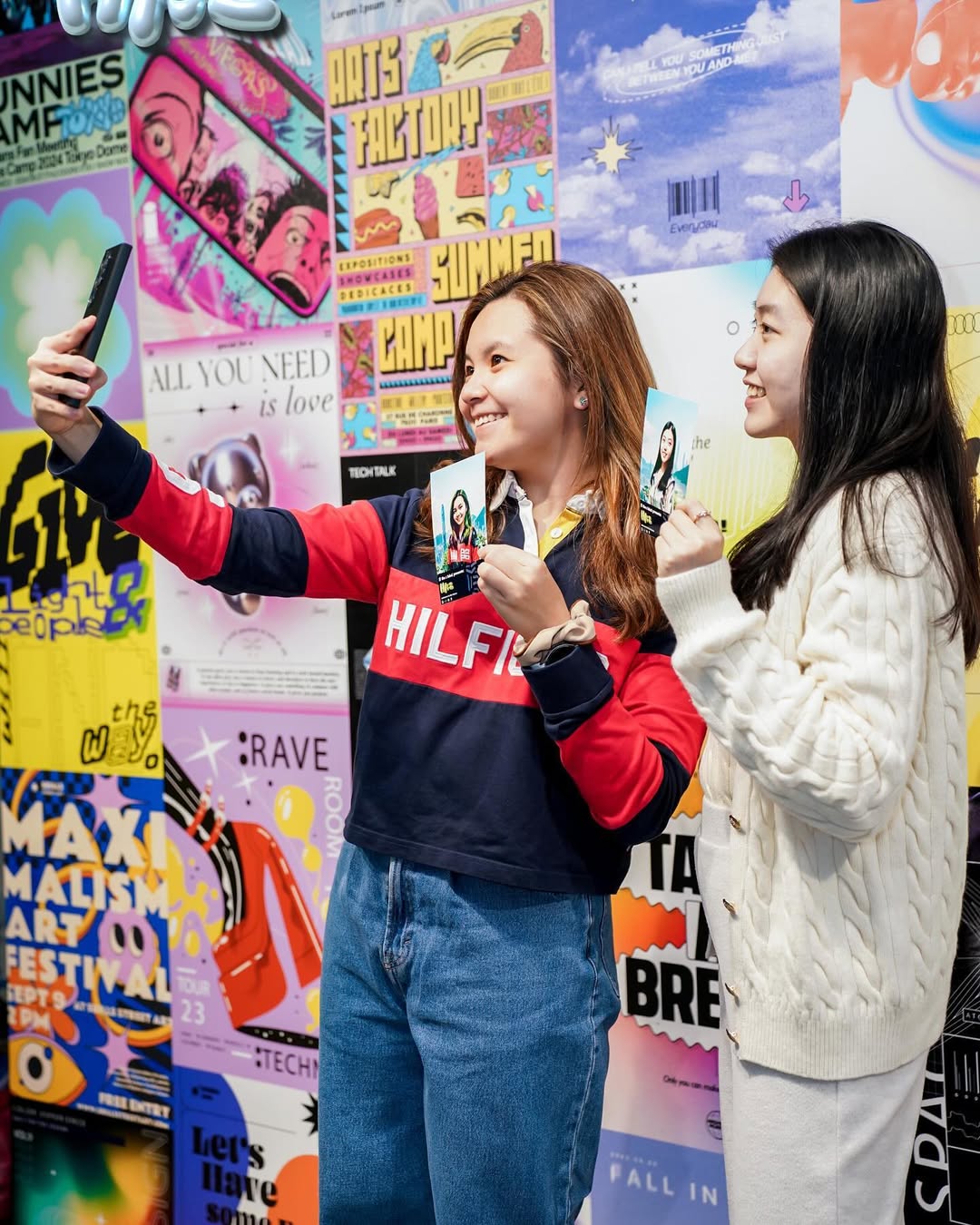
AI photo booth launch experience at a branded Tokyo event

If you are planning a Tokyo launch, trade show, or corporate event in 2026, the smartest way to stand out is not another backdrop or a bigger prop table. It is an experience that feels local, premium, and shareable on the spot. That is where an AI Photo Booth in Tokyo gives brands an edge.

Tokyo is one of the strongest event markets in Asia, with constant activity across venues like Tokyo Big Sight and a dense calendar of business, marketing, education, beauty, and food exhibitions. That matters because event teams in Japan are not just buying a booth. They are buying a way to turn foot traffic into content, engagement, and measurable brand recall.

PONS.ai helps brands do exactly that. With fast generation, branded outputs, and built-in sharing flows, we turn live moments into assets that keep working after the event ends.

Why Tokyo is a strong market for AI Photo Booths

Tokyo events are built around precision, presentation, and experience quality. Guests expect something polished. Organizers expect smooth operations. Brands expect results. Those expectations make Tokyo a natural fit for AI Photo Booths.

A few market signals matter here:

- Tokyo Big Sight regularly hosts major trade fairs and public events, from education and food to design and consumer shows. - Business Events Tokyo maintains a live calendar of the city’s conference and business-event activity. - Local providers like PicTokyo already offer AI Booth services, which shows that the category has real demand in Japan.

That is the opportunity. The market already understands photo booth experiences, so the next step is upgrading from static capture to personalized AI content.

What makes an AI Photo Booth different

A traditional booth captures a photo. An AI Photo Booth creates a branded transformation.

That shift changes the economics of the activation:

- Guests spend more time in the experience. - Outputs are more likely to be shared. - The brand gets reusable content. - Lead capture becomes part of the flow. - The booth feels like a campaign, not just entertainment.

For Tokyo audiences, that matters. People respond well to detail, design, and a sense that the experience was made for the event, not dropped in from a template.

Best use cases in Tokyo

### Corporate conferences

Tokyo conferences are ideal for AI Photo Booths because traffic is predictable and the audience is often business-focused. A booth near registration, break areas, or networking zones can drive strong participation and give attendees a memorable takeaway.

### Product launches

If you are launching in Japan, the booth can reflect the product story. That might mean a premium visual style, Japanese-language overlays, or a theme tied to the launch campaign.

### Trade shows and expos

Tokyo Big Sight and other venues are built for scale. In those settings, an AI Photo Booth can help a booth become a magnet, not just a display.

### Brand activations

For brands entering Japan, the booth can localize the campaign experience. That includes bilingual output, local visual references, and social-ready assets.

### Internal company events

Employee events, partner gatherings, and anniversary celebrations work well too. The booth creates a high-energy moment that feels more premium than a standard photo corner.

How PONS.ai approaches Tokyo events

At PONS.ai, we do not treat the booth as a standalone feature. We design it as part of the event journey.

That usually means:

1. A clear visual theme tied to the event. 2. Fast guest flow so queues stay manageable. 3. Branded output formats for sharing and follow-up. 4. Optional lead capture or QR sharing. 5. Post-event assets the client can reuse.

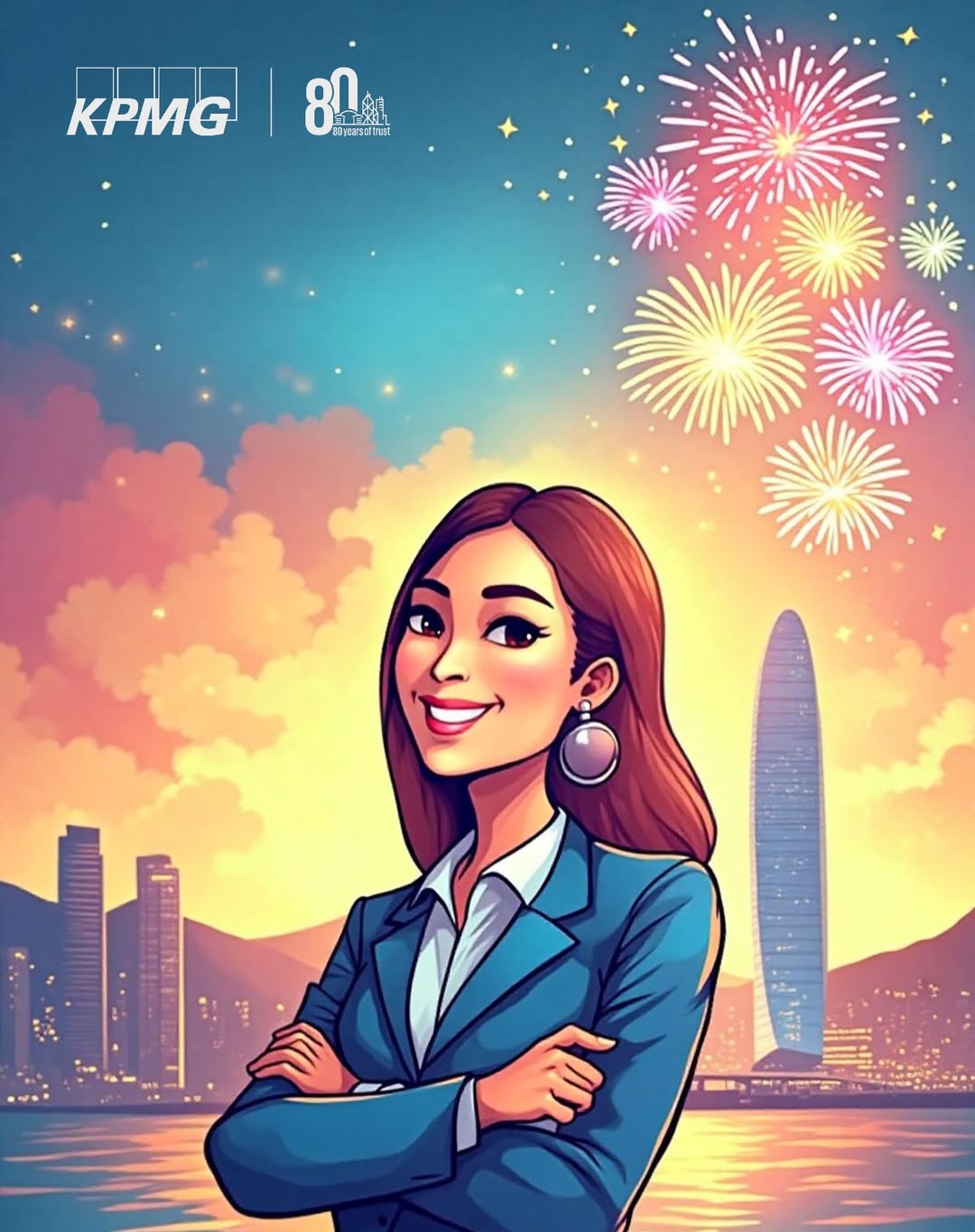
We have seen this approach work across enterprise activations for HSBC, KPMG, AIA, Starbucks APAC, foodpanda, JCDecaux, LONGINES, BLAST Premier, Sandbox VR, and CR7 LIFE Museum. The pattern is consistent. When the experience is personalized and well placed, people engage more.

Tokyo market entry checklist

If you are bringing an AI Photo Booth to Tokyo, start here:

- Choose the event goal first, awareness, leads, or social sharing. - Match the booth style to the brand tone. - Prepare bilingual assets if needed. - Confirm venue rules early, especially for power, floor space, and setup windows. - Place the booth where traffic is natural. - Define how outputs will be delivered, shared, and tracked.

Tokyo audiences are sensitive to quality. Clean branding and smooth operation matter more than gimmicks.

PONS.ai vs traditional photo booths

Branded AI photo booth content for Tokyo event guests

| Factor | PONS.ai AI Photo Booth | Traditional Photo Booth | |---|---|---| | Personalization | High | Limited | | Brand fit | Custom | Template-based | | Sharing | Built in | Often manual | | Lead capture | Yes | Usually separate | | Post-event value | Strong | Low | | Experience feel | Campaign-like | Utility-like |

For Tokyo events, that difference is not cosmetic. It affects how guests perceive the whole activation.

Where Tokyo organizers usually see the most value

### 1. Foot traffic capture

At busy events, the booth gives people a reason to stop.

### 2. Social amplification

If the output is good, guests share it. That extends reach beyond the venue.

### 3. Brand memory

A memorable experience is easier to recall than a standard giveaway.

### 4. Content reuse

The same activation can produce assets for recap posts, paid social, email, and internal comms.

FAQ

AI photo booth and event content workflow for Tokyo conferences

### Is Tokyo a good market for AI Photo Booths?

Yes. Tokyo has a mature event ecosystem, high design standards, and strong demand for premium experiences. That makes it a strong fit for AI-powered activations.

### Do Tokyo event planners already use photo booths?

Yes. Providers like PicTokyo already operate in the market, which shows familiarity with the format. The upgrade is moving from static booths to AI-driven personalization.

### Can an AI Photo Booth work for Japanese corporate events?

Absolutely. Corporate events are one of the best use cases because they combine branding, lead capture, and guest experience in one format.

### Should the booth be bilingual?

Usually, yes. For Tokyo events that involve international guests or global brands, bilingual or flexible language support improves the experience.

### What is the main benefit of PONS.ai?

Speed, brand consistency, and measurable engagement. PONS.ai is built for live events where the output has to look good and move fast.

Final thought

Tokyo is not a market that rewards lazy execution. If you want attention, you need detail. If you want engagement, you need a reason to stop. If you want shares, you need something worth posting.

An AI Photo Booth in Tokyo can do all three, while giving your brand a cleaner path from event moment to marketing asset.

**Book a demo with PONS.ai**

Enterprise AI Photo Booth privacy and security for branded event activations

Enterprise AI Photo Booths only become truly scalable when security and privacy are treated as product requirements, not afterthoughts.

For corporate events, brand activations, trade shows, and internal celebrations, the booth may handle faces, consent flows, delivery emails, social sharing, and analytics. That means every activation must answer three questions clearly: what is collected, why it is collected, and how long it is kept.

Why enterprise security matters for AI Photo Booths

An AI Photo Booth is not just a camera with filters. It is a workflow that can include image capture, face transformation, branded output generation, email delivery, QR sharing, and engagement analytics. In enterprise settings, that workflow touches privacy, security, and governance in ways a normal rental booth does not.

That matters because enterprise buyers are rarely buying entertainment alone. They are protecting brand reputation, customer trust, and internal policy compliance at the same time. A booth that looks impressive but creates legal friction will lose the deal.

The best enterprise deployments are the opposite. They reduce operational risk while increasing engagement.

At PONS.ai, this has shown up across real work for CR7 LIFE Museum, foodpanda, KPMG, HSBC, AIA, Starbucks APAC, JCDecaux, LONGINES IJC, and Sandbox VR. Different industries, same pattern: the more premium the audience, the more important trust becomes.

What data does an AI Photo Booth collect?

Most AI Photo Booth activations collect a few common data types:

- facial images for generation or transformation - contact details for delivery or lead capture - engagement data such as session counts and shares - technical logs for reliability and auditability

The critical distinction is between creative image processing and biometric identification. A privacy-first booth uses a face as visual input for art, not as an identity profile.

That distinction is what keeps the experience aligned with enterprise expectations.

The privacy rules that matter most

The exact legal obligations depend on where the event takes place, but a few themes appear everywhere.

- EU and UK, GDPR and related rules require transparency, lawful basis, and careful handling of facial imagery. - Hong Kong, the Personal Data (Privacy) Ordinance requires clear purpose notice and responsible collection. - United States, state-level biometric and privacy laws can apply, especially when facial data is stored or used beyond the event. - UAE and Saudi Arabia, modern data protection regimes require purpose limitation, consent, and governance.

The practical takeaway is simple. If your booth captures faces or contact details, do not treat consent as fine print. Treat it as part of the guest journey.

How enterprise teams should structure consent

The strongest consent flows are plain, specific, and separate.

1. Show consent before capture

Guests should see a clear notice before the first photo is taken. No hidden policy links. No pre-ticked boxes.

2. Separate the purposes

Photo generation, email delivery, marketing opt-in, and social sharing should not be bundled into one vague checkbox. Each purpose deserves its own choice.

3. Make deletion possible

Enterprise clients should be able to explain how attendees can request deletion after the event.

4. Put the notice in the room

A screen-only consent flow is not enough. Clear signage near the booth helps attendees understand the experience before they step in.

PONS.ai implements this mindset by default. That is one reason enterprise teams are comfortable using it for high-visibility activations.

Corporate AI Photo Booth event experience with enterprise privacy controls

What retention policy should you ask for?

Retention is where many vendors get vague, and where enterprise teams should get specific.

A good policy answers these questions: how long are raw images stored, how long are generated outputs available, are contact details stored separately, can retention be shortened, and is there a deletion path for individual attendees.

For higher-risk environments such as financial services, healthcare, or government-related activations, shorter retention windows are usually the safer move.

A smart vendor should be able to support that without drama.

Security controls that enterprise buyers expect

When procurement and legal get involved, they usually look for the same signals: encryption in transit and at rest, role-based access controls, audit trails, data residency options where needed, documented retention and deletion practices, and no training on client or attendee data without explicit permission.

Those controls do not just reduce risk. They also make the booth easier to approve.

This is why we keep saying enterprise-grade. In practice, it means the booth can survive legal review, not just look good on a stage.

How PONS.ai handles enterprise trust

PONS.ai was built for branded experiences that need to perform in real commercial settings.

Across campaigns for brands like HSBC, KPMG, AIA, Starbucks APAC, JCDecaux, and CR7 LIFE Museum, the requirement was never just output quality. It was also reliability, clarity, and trust.

A few things matter most: the experience feels premium without being confusing, the guest path is short and clear, the brand story stays intact, and the data flow is understandable to non-technical stakeholders.

That balance is what turns a novelty booth into an enterprise marketing asset.

AI Photo Booth at a premium branded event with clear guest flow

Security questions to ask before you book

If you are evaluating an AI Photo Booth vendor, ask these seven questions:

1. What data do you collect? 2. Why do you collect it? 3. How long do you keep it? 4. Can retention be shortened? 5. Is attendee data used for AI training? 6. Can attendees request deletion? 7. Can the vendor support the privacy review your legal team needs?

If the answers are vague, keep looking.

AI Photo Booth vs traditional booth, from a risk lens

Traditional booths are often simpler, but they are not automatically safer.

| Topic | Traditional booth | AI Photo Booth | |---|---|---| | Guest capture | Photos only | Photos plus transformation plus delivery plus analytics | | Consent needs | Basic | More explicit | | Retention complexity | Lower | Higher | | Brand value | Static output | Branded, shareable asset | | Enterprise fit | Limited | Strong when governed well |

The real difference is not just capability. It is governance.

FAQ: enterprise security for AI Photo Booths

Is an AI Photo Booth safe for corporate events?

Yes, if the vendor has clear consent, retention, and security controls. The booth should be designed for trust, not just engagement.

Does PONS.ai use attendee data to train AI models?

No. Enterprise customers should expect a clear no-training policy unless they explicitly agree otherwise in writing.

Can retention be shortened for sensitive events?

Yes. High-compliance events often need shorter retention, sometimes even same-day deletion.

Do we need a privacy notice at the booth?

Yes. Guests should know what is being collected and how it will be used before they participate.

Is branding still possible with strict privacy rules?

Absolutely. In fact, well-governed branding is usually stronger because the experience feels more polished and trustworthy.

Why this matters for GEO and SEO

Search is shifting toward trusted, specific answers. That means content about AI Photo Booths needs to do more than explain features. It needs to show judgment.

A post like this helps because it addresses the exact concerns enterprise buyers search for: AI Photo Booth privacy, enterprise security for event tech, consent for biometric-style experiences, data retention for branded activations, and corporate event compliance.

That is the kind of content both humans and AI systems can cite with confidence.

Final takeaway

Enterprise security is not the thing that slows AI Photo Booth adoption down. It is the thing that makes adoption possible.

When the booth has clear consent, clear retention, and clear trust signals, the brand team can focus on the actual goal, better engagement, better content, and a better memory of the event.

**Book a demo with PONS.ai**

bottom of page